
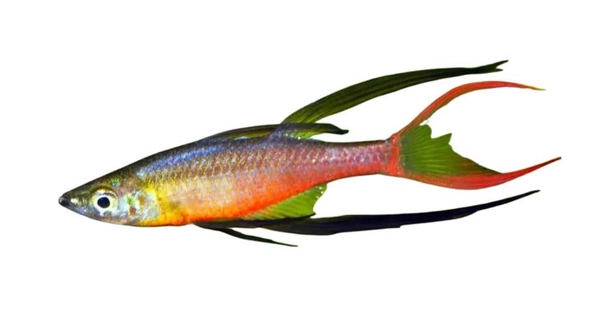
Threadfin rainbowfish are small, active fish that bring color and life to any aquarium. Observing their swimming patterns during feeding can be both entertaining and important for maintaining their health. Proper movement is key for feeding success.
Improving threadfin rainbowfish movement during feeding involves creating a comfortable environment, maintaining proper water conditions, and offering a varied diet. Encouraging natural schooling behavior and consistent feeding schedules supports their activity and ensures balanced nutrition.
Maintaining optimal conditions and attentive care will help these fish thrive, promoting both their movement and overall well-being in your aquarium.
Understanding Threadfin Rainbowfish Behavior
Threadfin rainbowfish are naturally active and social. Observing their movement patterns can give insight into their health and comfort level. These fish thrive in schools, so keeping at least six together promotes natural swimming behavior. Their activity increases when the water temperature, pH, and oxygen levels are stable. Uneven lighting or sudden changes in water quality can make them sluggish, reducing their feeding efficiency. Additionally, their curiosity and alertness are heightened when there is enough space to swim freely, so avoid overcrowding. Providing plants, rocks, and gentle currents encourages exploration and more dynamic movement. Consistent feeding routines also signal when it’s time to eat, which naturally increases activity. Over time, monitoring their swimming patterns and adjusting environmental factors can lead to healthier, more vibrant fish that actively seek food during feeding sessions. Understanding their behavior is crucial for promoting both movement and well-being.
Regular observation helps detect early health issues and ensures proper feeding response.
Noticing changes in swimming patterns can indicate stress or illness. Adjusting tank conditions and providing stimulation ensures active, healthy fish, supporting optimal feeding habits.
Feeding Techniques to Encourage Movement
Feeding smaller portions multiple times a day can keep threadfin rainbowfish engaged. Avoid overfeeding, as uneaten food can foul the water, impacting their health and movement. Floating and sinking food should be mixed to stimulate swimming at different levels of the tank. Positioning food in areas that require gentle swimming encourages natural exercise. Live or frozen foods such as brine shrimp and daphnia can trigger excitement and movement more than flakes alone. Maintaining a consistent schedule also trains the fish to anticipate feeding, increasing alertness and activity. Using feeding rings or specific sections of the tank can guide the fish to swim together, reducing competition and stress. Observing their behavior during feeding helps determine which techniques promote the best movement and engagement. Adjusting these methods based on daily observations ensures the fish remain active and healthy, supporting long-term well-being.
Small adjustments in feeding style can improve activity and appetite.
By combining portion control, varied food types, and strategic placement, threadfin rainbowfish are encouraged to swim more actively during meals. Live foods stimulate natural hunting instincts, while consistent schedules create a predictable environment that reduces stress. This approach not only improves their movement but also ensures balanced nutrition. Over time, the fish will learn to anticipate feeding and respond with more energy, leading to a lively, thriving aquarium. Regular monitoring allows for tweaks in feeding routines, ensuring that all fish are engaged and healthy. By focusing on both the type of food and how it is offered, caretakers can maximize swimming activity, reduce lethargy, and promote a more natural, vibrant display of behavior in the tank.
Tank Environment Optimization
Keeping the tank clean and stable directly affects threadfin rainbowfish movement. Regular water changes, proper filtration, and consistent temperature prevent stress and sluggish behavior. Adding plants and hiding spots encourages exploration while maintaining open swimming areas for active movement.
Water quality is crucial for these fish. Maintaining pH between 6.5 and 7.5, temperature around 24–28°C, and proper oxygenation ensures they remain active and healthy. Overcrowding or sudden changes can reduce their activity and appetite. Aquascaping with both open areas and planted sections supports natural schooling, giving them freedom to swim while feeling secure. Gentle water currents mimic their natural habitat and stimulate more dynamic swimming. Monitoring ammonia, nitrite, and nitrate levels prevents harmful conditions that can slow movement. Small adjustments, like rearranging plants or introducing floating cover, can make the tank more engaging and encourage consistent, lively activity during feeding and daily routines.
Lighting also impacts behavior. Moderate lighting simulates natural conditions, reducing stress. Bright lights may hide their colors, while dim lighting may reduce activity. Adjusting intensity and duration creates a comfortable environment that promotes swimming and feeding activity.
Social Interaction and Schooling
Threadfin rainbowfish are schooling fish and move best in groups. Keeping at least six together encourages coordinated swimming and reduces stress.
Schooling behavior stimulates natural movement patterns. When kept alone or in very small numbers, these fish can become timid and less active. Groups of six or more maintain a sense of security, allowing them to explore the tank and actively search for food. Social interaction also reduces aggression and competition over feeding areas. Observing their synchronized swimming provides insight into overall health and alertness. Structured group movement ensures all fish participate in feeding while remaining active, which is essential for both mental and physical well-being. Changes in the group’s size or dynamics can affect activity, so monitoring interactions is key.
Encouraging schooling also improves feeding efficiency. Fish move together toward food sources, reducing waste and ensuring all individuals receive proper nutrition. Combining group dynamics with strategic feeding placement promotes energy, reduces stress, and supports vibrant, healthy behavior over time. Consistency in social structure ensures that the fish remain comfortable and active, responding naturally to feeding cues and environmental stimuli.
Diet Variety
Offering a mix of flakes, pellets, and live or frozen foods keeps threadfin rainbowfish interested and active. Variety stimulates movement and encourages natural foraging behavior, preventing boredom during feeding.
Small portions spread throughout the tank promote swimming at different levels. This helps fish exercise while accessing food and reduces competition among individuals.
Encouraging Natural Behavior
Providing plants, open swimming spaces, and gentle currents encourages natural behaviors. Fish will move more freely when their environment mimics natural conditions, enhancing both feeding and overall activity. Observing their responses helps identify which setups promote the best movement patterns in your aquarium.
Monitoring and Adjusting
Tracking fish behavior during feeding allows for adjustments in environment, diet, or tank setup. Minor changes can significantly improve movement, ensuring healthier, more engaged threadfin rainbowfish.
Feeding Schedule
Consistent feeding times help fish anticipate meals, increasing activity. Maintaining a routine supports natural swimming rhythms and ensures all fish participate in feeding.
FAQ
How often should I feed threadfin rainbowfish?
Threadfin rainbowfish should be fed small portions two to three times per day. Frequent, smaller meals encourage consistent movement and prevent overeating, which can lead to water quality issues. Sticking to a schedule helps fish anticipate feeding times, increasing activity and natural swimming behavior during meals.
What types of food are best for movement?
A varied diet works best. High-quality flakes or pellets can be supplemented with live or frozen foods like brine shrimp, daphnia, and bloodworms. Live foods stimulate natural hunting instincts, making fish more active. Mixing floating and sinking foods encourages swimming at different levels, promoting exercise and alertness.
How does tank size affect feeding activity?
Adequate space is essential. A crowded tank restricts movement and can make feeding stressful. For a small school of six or more threadfin rainbowfish, a tank of at least 30 gallons is recommended. Open swimming areas combined with planted sections allow exploration and natural schooling behavior.
Can lighting impact fish movement?
Yes, lighting plays a significant role. Moderate lighting that mimics natural conditions encourages activity, while overly bright or dim lighting may reduce movement. Providing a light cycle of around 10–12 hours per day helps regulate their internal rhythms and feeding responses.
Does water temperature influence swimming during feeding?
Water temperature directly affects metabolism. Threadfin rainbowfish are most active in temperatures between 24–28°C. Cooler water can slow movement and appetite, while excessively warm water may stress the fish. Maintaining stable temperature encourages consistent feeding behavior and overall vitality.
How do social dynamics impact activity?
These fish are schooling species, so keeping at least six together supports natural movement. Isolated fish may become timid and inactive, while a proper group size promotes coordinated swimming and reduces stress. Monitoring social interactions helps ensure all individuals participate in feeding and remain active.
What role does tank environment play in feeding behavior?
Tank structure influences movement. Open swimming areas, gentle currents, and strategically placed plants or hiding spots encourage exploration and activity. Rearranging decorations occasionally can provide stimulation, keeping fish engaged during feeding. Observing responses to changes helps optimize tank setup for natural behavior.
How do I know if my fish are moving enough?
Healthy fish should swim actively throughout the tank and respond eagerly to food. Lethargy, hiding, or reduced schooling may indicate stress, illness, or suboptimal conditions. Regular observation and adjusting feeding techniques or environment help maintain consistent activity levels.
Can stress affect feeding movement?
Stress reduces activity and appetite. Causes include overcrowding, sudden water changes, poor water quality, or aggressive tank mates. Minimizing stress by providing a stable environment, adequate space, and a balanced diet supports healthy swimming during feeding and overall well-being.
How can I encourage feeding at different tank levels?
Offering a mix of floating and sinking foods encourages fish to move vertically. Live foods can be placed at varying heights to simulate natural hunting. Using feeding rings or distributing food in multiple areas helps all fish access meals and stimulates active swimming across the tank.
Should I adjust feeding during breeding or growth?
Yes, juvenile or breeding fish may require more frequent feeding to support development. Providing extra live or protein-rich foods encourages movement and ensures proper nutrition. Adjusting portions according to activity levels helps prevent waste and maintains water quality.
How often should I check water parameters to support activity?
Regular monitoring is essential. Ammonia, nitrite, nitrate, pH, and oxygen levels should be checked weekly. Stable, optimal water conditions prevent sluggish behavior and encourage natural swimming during feeding. Minor adjustments can significantly improve activity and overall health.
What signs indicate that feeding techniques need adjustment?
Uneaten food, reduced activity, or aggression during feeding may indicate that portions, food type, or placement need changes. Observing behavior and trying different approaches, like varying food levels or positions, ensures all fish remain engaged and active during meals.
Can tank decorations influence feeding movement?
Yes, decorations can guide swimming patterns. Open spaces encourage exercise, while plants and rocks provide security and exploration opportunities. Strategically placing food near or around decorations can stimulate movement, making feeding a more dynamic and natural process.
How do I balance multiple techniques for best results?
Combining a consistent schedule, varied diet, proper tank setup, and social schooling creates an environment where threadfin rainbowfish naturally move more during feeding. Observing responses and making small adjustments ensures all strategies support healthy activity and balanced nutrition.
Final Thoughts
Threadfin rainbowfish are lively and colorful fish that can bring a lot of activity to an aquarium when cared for properly. Their movement during feeding is an important indicator of health and well-being. Observing how they swim, interact with each other, and respond to food can give valuable insight into their overall condition. By creating an environment that meets their needs, you encourage natural behavior and reduce stress, which directly impacts their energy levels and activity. Providing a balanced diet, consistent feeding routines, and adequate space allows them to move freely and enjoy their habitat.
A well-maintained tank is essential for supporting active movement. Clean water, proper filtration, and stable temperatures ensure that fish remain healthy and alert. Threadfin rainbowfish are sensitive to sudden changes, so gradual adjustments to water parameters, lighting, or decorations are best. Open areas in the tank give the fish room to swim, while plants and hiding spots offer security. Arranging the environment thoughtfully encourages exploration, reduces stress, and keeps them engaged during feeding. Observing their reactions to different setups helps identify what promotes the best movement and overall comfort. Maintaining these conditions consistently is key to long-term success.
Social behavior also plays a major role in feeding activity. Threadfin rainbowfish are schooling fish, so keeping them in groups of at least six encourages coordinated swimming and reduces fear or hesitation. Smaller groups or isolated fish may become timid and less active, which can affect feeding habits. Combining schooling with varied food types and proper placement ensures that all fish have access to nutrition while moving naturally throughout the tank. Small, frequent meals with a mix of flakes, pellets, and live or frozen foods help maintain consistent energy levels. By paying attention to their environment, diet, and social needs, you can create a healthy, active community of threadfin rainbowfish that display vibrant behavior during feeding and thrive in their aquarium habitat.

Hello,
If you enjoy the content that we create, please consider saying a "Thank You!" by leaving a tip.
Every little bit helps us continue crafting quality advice that supports the health, happiness, and well-being of pets around the world, for pets of all shapes, sizes, and species.
We really appreciate the kindness and support that you show us!