
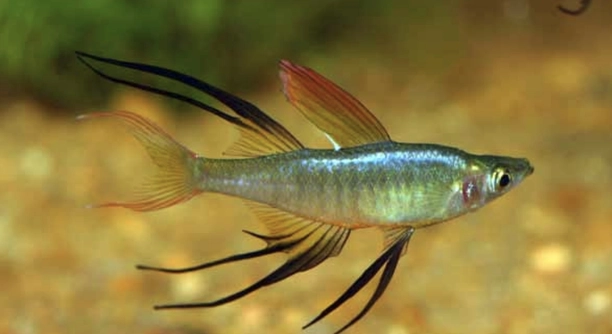
Do you ever notice your threadfin rainbowfish acting strangely, even when everything in their tank seems normal? Observing their behavior closely can reveal small details that may indicate confusion or discomfort in their environment.
Threadfin rainbowfish may experience confusion due to sudden changes in water temperature, inconsistent lighting, overcrowded tanks, incompatible tank mates, irregular feeding schedules, unfamiliar decorations, or fluctuations in water quality. Each factor can disrupt their natural behavior and stress levels.
Understanding these triggers will help you create a stable environment for your fish, ensuring they remain healthy and comfortable in their aquatic home.
Sudden Changes in Water Temperature
Threadfin rainbowfish are very sensitive to water temperature. A sudden rise or drop can shock them, making them swim erratically or hide for long periods. Even a few degrees can impact their metabolism and stress levels. Maintaining a consistent temperature between 24–28°C helps them stay calm and active. Use a reliable heater and thermometer, and avoid placing the tank near windows or vents where fluctuations can occur. If a temperature change is necessary, adjust it gradually over several hours to prevent stress. Observing your fish daily will help you notice early signs of discomfort, such as clamped fins or loss of appetite. Temperature stability not only keeps them comfortable but also reduces susceptibility to disease. Small adjustments, done slowly, can make a significant difference in their behavior and overall health.
Even minor temperature shifts can confuse your rainbowfish and affect their daily behavior and activity.
Gradually introducing any temperature change ensures your fish remain healthy and stress-free. Monitoring equipment regularly provides a stable aquatic environment.
Inconsistent Lighting
Threadfin rainbowfish thrive with a consistent light cycle. Sudden changes in lighting, or leaving the tank dark for extended periods, can confuse their internal rhythms. Proper lighting helps regulate feeding, activity, and coloration. Using a timer ensures they receive roughly 10–12 hours of light daily. Avoid placing the tank in direct sunlight, as this can cause rapid temperature changes and algae growth. Dim or flickering lights may stress them and cause them to hide or behave unusually. Gradual changes, like slowly increasing light intensity in the morning, can help them adjust naturally. Consistent lighting also supports plant growth if you have live plants in the tank, which contributes to a balanced ecosystem. Observing your fish under different lighting conditions helps identify any unusual reactions early, allowing you to adjust the setup.
Proper lighting keeps rainbowfish active and supports their natural behavior patterns.
Maintaining a steady light schedule improves overall health and reduces stress. A timer helps prevent sudden changes, ensuring a stable environment.
Overcrowded Tanks
Overcrowding can stress threadfin rainbowfish, causing erratic swimming and hiding. Each fish needs enough space to move freely and establish territory, which is essential for reducing aggression and maintaining their health.
Too many fish in a small tank lead to competition for food and oxygen. Overcrowding increases waste levels, which can quickly deteriorate water quality. Poor water quality then causes stress, weakens the immune system, and can trigger disease. Proper stocking levels and regular maintenance help your fish stay active and healthy. Observing interactions between fish can also prevent bullying and ensure all individuals thrive.
Providing sufficient space improves overall behavior and reduces stress. A well-planned tank setup allows your rainbowfish to swim comfortably and interact naturally. Maintaining the right fish-to-space ratio keeps them lively and balanced.
Irregular Feeding Schedules
Threadfin rainbowfish rely on regular feeding to maintain energy and health. Inconsistent schedules can confuse them and affect their behavior.
Skipping meals or feeding at random times disrupts their natural rhythm. These fish need small, frequent feedings rather than large, sporadic meals. Inconsistent feeding may lead to aggression during feeding times, as they compete for food or stress due to hunger. Overfeeding at once can also harm water quality, increasing ammonia and nitrate levels, which impacts fish health. Consistency is key: feeding at the same times each day helps them anticipate meals, stay active, and maintain proper growth. Using automated feeders or setting a daily routine simplifies this process, keeping both your fish and your tank in balance.
A consistent feeding schedule supports healthy growth, behavior, and a stress-free environment for your rainbowfish. It ensures all fish get proper nutrition without upsetting water quality or tank dynamics.
Incompatible Tank Mates
Aggressive or overly active fish can stress threadfin rainbowfish. They may hide, lose color, or act erratically when sharing a tank with incompatible species.
Choosing peaceful, similar-sized tank mates helps maintain a calm environment. Avoid large, predatory, or overly territorial fish to prevent stress and potential injury.
Unfamiliar Decorations
Introducing new decorations suddenly can confuse your rainbowfish. They may become cautious, hiding or avoiding certain areas until they adjust.
Gradually adding or rearranging ornaments allows your fish to acclimate. Consistency in layout helps them feel secure and reduces stress from sudden changes in their environment.
Fluctuating Water Quality
Poor water quality impacts fish behavior and health. Sudden changes in pH, hardness, or ammonia levels can confuse and stress threadfin rainbowfish.
Regular testing, partial water changes, and filtration maintenance ensure stable water conditions. Keeping parameters consistent prevents unusual behavior and supports long-term health.
FAQ
Why is my threadfin rainbowfish hiding constantly?
Hiding is a common sign of stress or discomfort. Sudden changes in water temperature, poor water quality, or aggressive tank mates can cause your fish to retreat. Ensuring stable conditions, peaceful companions, and a consistent feeding schedule encourages them to swim openly and regain confidence.
Why does my rainbowfish swim erratically?
Erratic swimming often signals stress or confusion. Rapid movements may occur due to temperature fluctuations, overcrowding, or unfamiliar decorations. Observing their behavior and correcting environmental inconsistencies—like adjusting water parameters or providing enough space—can help your fish return to normal, calm swimming patterns.
How often should I feed my threadfin rainbowfish?
Threadfin rainbowfish do best with small, frequent feedings. Providing two to three portions per day keeps their metabolism stable and prevents overeating. Avoid feeding large amounts at once, as leftover food can pollute the water, affecting both health and behavior. Consistency is key for their well-being.
Can lighting affect my fish’s behavior?
Yes, inconsistent or overly bright lighting can confuse and stress your rainbowfish. Using a timer to maintain 10–12 hours of light daily helps regulate their internal rhythm. Gradual changes in lighting intensity allow them to adjust naturally without panic or hiding.
What tank size is ideal for threadfin rainbowfish?
A minimum of 30 gallons is recommended for a small group. Each fish needs space to swim freely and establish social hierarchies. Overcrowding increases aggression, competition for food, and stress. Ensuring enough swimming room improves behavior, reduces disease risk, and promotes overall health.
Why do my rainbowfish seem stressed after adding new decorations?
Sudden changes to their environment can cause confusion and stress. Fish need time to acclimate to new objects, hiding spots, or rearranged plants. Introduce decorations gradually, allowing them to explore and adjust without fear. Stability in the tank layout promotes comfort and normal behavior.
How can I tell if water quality is affecting my fish?
Cloudy water, unusual swimming patterns, loss of appetite, or clamped fins are signs of poor water quality. Regular testing for ammonia, nitrites, nitrates, and pH levels ensures a safe environment. Frequent partial water changes and proper filtration help maintain stable conditions.
Are there signs of aggression I should watch for?
Chasing, nipping fins, or frequent hiding can indicate stress from aggressive tank mates. Maintaining peaceful species of similar size, providing hiding spots, and observing interactions daily helps reduce conflicts and ensures all fish are comfortable.
What should I do if my fish are not eating?
Refusing food can be a sign of stress, illness, or poor water conditions. Check water parameters, review feeding schedules, and remove aggressive companions. Offering high-quality food in small portions at consistent times can encourage regular feeding habits and improve overall health.
How often should I test the water?
Testing water at least once a week is ideal for maintaining stable conditions. Frequent monitoring detects early changes in pH, hardness, or ammonia, allowing for timely corrections. Consistency in water quality keeps threadfin rainbowfish healthy, active, and less prone to stress.
Can temperature fluctuations harm my rainbowfish?
Yes, even minor fluctuations can confuse and stress your fish. A steady range of 24–28°C supports normal activity and reduces vulnerability to disease. Gradual adjustments, rather than sudden changes, help maintain comfort and stability in the tank.
Is it normal for rainbowfish to change color?
Color changes can indicate stress, excitement, or illness. Dull coloration often reflects poor water quality, aggression, or improper lighting. Healthy rainbowfish display vibrant, consistent colors when they are comfortable and well cared for, reflecting a balanced environment and proper diet.
How do I introduce new fish without causing confusion?
Introduce new fish slowly using a quarantine tank or divider. This allows them to acclimate without shocking your existing rainbowfish. Gradual integration reduces aggression, stress, and territorial disputes, helping all fish maintain normal behavior and a peaceful tank environment.
Can overfeeding be a problem?
Overfeeding can lead to poor water quality, obesity, and behavioral issues. Leftover food increases ammonia and nitrate levels, which stress fish and encourage disease. Stick to small, controlled portions and remove uneaten food promptly to maintain both tank cleanliness and fish health.
What should I do if my fish seem lethargic?
Lethargy may signal stress, illness, or unsuitable tank conditions. Check water parameters, temperature, and feeding routines. Observing for signs of disease, maintaining proper water quality, and providing a calm environment encourages normal activity and helps your rainbowfish recover energy.
How can I reduce stress in my tank?
Consistent water quality, proper tank size, peaceful companions, regular feeding, and a stable light cycle all reduce stress. Gradually introducing changes and monitoring behavior ensures threadfin rainbowfish remain comfortable, active, and healthy in their environment.
Why do my rainbowfish hide after adding new fish?
New tank mates can be intimidating or territorial. Existing rainbowfish may hide to avoid conflict until they adjust to the newcomers. Providing sufficient space, hiding spots, and gradual introductions reduces fear and promotes a peaceful community.
Can live plants help reduce confusion?
Yes, live plants provide shelter, reduce aggression, and create a more natural environment. They also contribute to stable water conditions by absorbing excess nutrients. A planted tank offers security and helps your rainbowfish display normal behavior while feeling safe.
How long does it take for rainbowfish to adjust to changes?
Adjustment varies but usually takes a few days to a week. Gradual introductions of temperature changes, decorations, or new fish help them acclimate without stress, ensuring normal feeding, swimming, and social behavior resume quickly.
Are there health signs I should monitor regularly?
Monitor for clamped fins, loss of appetite, abnormal swimming, and color changes. Early detection of stress or illness allows for timely intervention, keeping your rainbowfish healthy and reducing long-term problems. Regular observation is essential for a thriving aquarium.
This FAQ provides a comprehensive guide to common factors that may confuse your threadfin rainbowfish and practical steps to maintain a calm, healthy environment. Consistency, observation, and gradual changes are key to their well-being.
Word count: 526
Threadfin rainbowfish are sensitive creatures that respond strongly to changes in their environment. Small shifts in water temperature, lighting, or tank setup can easily confuse them, leading to stress or unusual behavior. Maintaining consistent water quality, a steady feeding schedule, and a calm environment helps keep them comfortable. Paying attention to their daily activity and behavior allows you to spot any issues early and correct them before they escalate. Over time, a stable environment encourages natural swimming patterns, bright coloration, and a healthy appetite, all of which indicate your fish are thriving. Ensuring that their tank is appropriately sized, well-decorated, and free from aggressive companions also supports their physical and mental well-being. Even small details, like the placement of plants or ornaments, can make a noticeable difference in how secure and active they feel.
Providing consistent care involves more than just meeting basic needs. Lighting should be predictable, ideally on a 10–12 hour cycle, so your rainbowfish can maintain their internal rhythm. Regular monitoring of water parameters, including pH, ammonia, nitrites, and nitrates, is essential to prevent stress from poor water conditions. Temperature stability is equally important, as sudden fluctuations can disrupt metabolism and behavior. Feeding should be controlled and frequent rather than occasional and excessive, ensuring all fish receive proper nutrition without polluting the water. Observing how your fish interact with each other helps prevent conflicts and ensures that no individual is being bullied or stressed by tank mates. Gradual changes in any aspect of the tank—whether decorations, new fish, or equipment—allow your rainbowfish to adjust naturally and maintain confidence in their surroundings.
Caring for threadfin rainbowfish requires attention to both their physical and behavioral needs. Stress can be minimized by creating a stable environment, carefully selecting compatible tank mates, and introducing any changes slowly. Providing hiding spots and a natural layout helps them feel secure, while regular maintenance and monitoring prevent issues before they become serious. Consistency, observation, and thoughtful adjustments are key to keeping your rainbowfish healthy and active. Over time, you will notice that they become more confident, colorful, and lively, which reflects the positive effects of careful care. By understanding their needs and responding to changes in behavior, you can ensure that your threadfin rainbowfish live in a calm, balanced, and thriving environment, making the aquarium a rewarding and enjoyable space for both you and your fish.
Word count: 412

Hello,
If you enjoy the content that we create, please consider saying a "Thank You!" by leaving a tip.
Every little bit helps us continue crafting quality advice that supports the health, happiness, and well-being of pets around the world, for pets of all shapes, sizes, and species.
We really appreciate the kindness and support that you show us!