
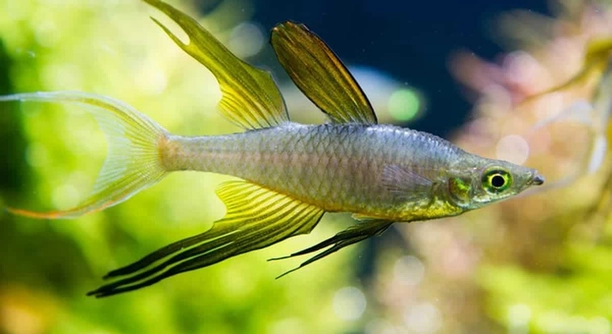
Are your Threadfin Rainbowfish swimming in a bare tank without much to explore? These vibrant fish thrive best in environments that provide stimulation. Empty tanks can leave them listless and under-stimulated over time.
Threadfin Rainbowfish exhibit signs of boredom in empty tanks due to a lack of environmental enrichment. Providing plants, hiding spaces, and varied textures encourages natural behaviors and promotes overall health, reducing stress and lethargy in captive populations.
Creating a lively habitat is essential for your rainbowfish’s well-being. Adding simple decorations can transform a plain tank into a more engaging space.
Recognizing Signs of Boredom in Threadfin Rainbowfish
Threadfin Rainbowfish show subtle signs when their environment lacks stimulation. They may swim aimlessly in circles, rest near the tank bottom, or ignore food during feeding times. Colors can appear duller, and activity levels drop noticeably. These fish naturally explore and interact with plants, rocks, and other hiding spots. Without such enrichment, their behavior can become monotonous, affecting both their physical and mental health. Observing your fish regularly helps you notice any changes early. Adding elements like floating plants, small caves, or gentle water currents encourages natural swimming patterns. Social interaction with other rainbowfish also plays a role in keeping them active. Stress-related behaviors, such as fin clamping or occasional hiding, may occur if stimulation is minimal. Maintaining clean water conditions is equally important, as poor water quality can mimic signs of boredom. Overall, a well-thought-out tank environment supports a happier, healthier group of Threadfin Rainbowfish.
Signs of boredom include lethargy, hiding frequently, and reduced feeding response. Subtle behavioral changes should not be ignored.
A simple approach to improve engagement is to rotate decorations or introduce new plants gradually. Adding a mix of tall and short plants, small hiding spots, and gentle water movement creates interest. Even rearranging tank elements occasionally can encourage exploration. Social interaction is vital, so keeping rainbowfish in small groups promotes natural schooling behavior. Feeding routines can also provide mental stimulation; offering a variety of live, frozen, or flake foods encourages natural foraging behaviors. Observing your fish closely while making these adjustments ensures the changes positively impact their activity and well-being. Over time, a more enriched environment supports brighter colors, increased swimming activity, and healthier interactions among tank mates. Simple enhancements make a significant difference in keeping Threadfin Rainbowfish engaged and reducing stress-related behaviors.
Creating a Stimulating Tank Environment
Adding live plants, rocks, and driftwood provides physical and visual enrichment. These elements allow fish to explore and establish territories.
A well-designed tank encourages movement and curiosity. Layering gravel or sand with small caves and hiding spots replicates natural habitats. Floating plants offer shelter and break up open spaces. Gentle water currents created by filters or bubblers simulate natural conditions, giving the fish exercise. Light variations during the day add interest and help regulate activity. Introducing new decorations or rearranging existing ones periodically keeps the environment dynamic. Feeding strategies like scattering food or using feeding rings create foraging opportunities, which engage the fish mentally. Keeping rainbowfish in groups allows for social interaction and natural schooling behavior. Maintaining consistent water quality and temperature is essential to complement enrichment efforts. The combination of structural complexity, social interaction, and varied feeding routines promotes healthy behaviors, reduces stress, and helps prevent the dullness often seen in empty tanks. A thoughtfully arranged tank ensures Threadfin Rainbowfish remain active, vibrant, and healthy.
Ideal Tank Size for Threadfin Rainbowfish
A larger tank allows Threadfin Rainbowfish to swim freely and reduces stress. Crowded spaces increase aggression and limit natural behaviors. Proper space supports schooling behavior and keeps fish active, preventing boredom.
Threadfin Rainbowfish thrive in tanks of at least 30 gallons for small groups. More space is needed for larger schools. A longer tank rather than a tall one provides swimming room for active schooling. Adequate space also helps maintain stable water parameters, which are crucial for their health. Overcrowding can lead to fin damage and dull coloration. Providing vertical and horizontal swimming space encourages natural exploration. Adding plants and decorations is effective only if there is enough room for movement. Observing the fish’s behavior in relation to tank size helps determine if adjustments are needed to improve well-being.
Smaller tanks make it difficult for rainbowfish to display their natural behavior. Limited space can quickly lead to stress and inactivity.
Social Needs of Threadfin Rainbowfish
Threadfin Rainbowfish are social and should be kept in small groups of at least six individuals. Isolation increases stress and reduces activity levels.
Keeping them in groups allows natural schooling behavior, which promotes mental and physical stimulation. Fish in schools interact, chase, and explore together, which keeps them engaged. Social interaction also reduces aggressive tendencies, as dominance hierarchies are easier to establish in proper group sizes. Without companions, fish may hide or appear lethargic. Group dynamics encourage feeding activity and exploration, leading to healthier fish overall. Adjusting the group size based on tank dimensions ensures that each fish has sufficient space. Monitoring interactions helps prevent bullying or stress within the group. Pairing social structure with environmental enrichment maximizes engagement and overall well-being.
Choosing the Right Decorations
Live plants and small rocks create natural hiding spots and areas to explore. Driftwood adds structure and interest, keeping Threadfin Rainbowfish engaged.
Open swimming areas are also important. Avoid overcrowding the tank with decorations, as it limits movement and can cause stress. Balance is key.
Feeding as Enrichment
Offering a variety of foods encourages foraging behavior. Live, frozen, and flake foods keep meals interesting and stimulate natural hunting instincts. Rotating food types prevents boredom and provides balanced nutrition.
Lighting and Water Flow
Moderate lighting and gentle water flow mimic natural conditions. Light variations throughout the day and subtle currents encourage activity and exploration.
Monitoring Fish Behavior
Regular observation helps identify signs of stress or boredom. Noticing changes in swimming patterns, color, or appetite ensures timely adjustments to the environment.
FAQ
Are Threadfin Rainbowfish easily stressed in empty tanks?
Yes, empty tanks can cause stress in Threadfin Rainbowfish. They are active, social fish that require stimulation through plants, hiding spots, and swimming space. Without these, they may swim aimlessly, hide excessively, or show signs of lethargy, which can affect their overall health and coloration.
How many Threadfin Rainbowfish should be kept together?
Keeping them in small groups of at least six is ideal. They are schooling fish, and social interaction reduces stress while promoting natural behavior. Smaller numbers can lead to loneliness, boredom, or aggressive tendencies, while larger groups in a properly sized tank encourage active swimming and exploration.
What types of decorations help prevent boredom?
Live plants, small rocks, and driftwood are excellent for creating hiding spots and areas to explore. Open swimming areas should also be maintained. Balance between decor and swimming space is key to avoiding stress and encouraging activity. Floating plants can provide shelter and break up open space.
Does tank size affect their behavior?
Yes, tank size directly impacts activity levels. A minimum of 30 gallons is recommended for small groups. Longer tanks are preferred over taller ones to allow proper horizontal swimming. Crowded or small tanks can lead to stress, reduced activity, and dull coloration, even if decorations are present.
How can feeding prevent boredom?
Variety in feeding keeps fish engaged. Offering live, frozen, and flake foods encourages natural foraging behaviors. Rotating food types prevents monotony and promotes balanced nutrition. Feeding in different tank areas or scattering food can stimulate exploration and activity.
Is water quality important for their mental well-being?
Absolutely. Poor water conditions can mimic the effects of boredom and stress. Maintaining proper temperature, pH, and cleanliness supports healthy behavior and prevents lethargy. A well-filtered tank with gentle water flow enhances activity and allows the fish to explore naturally.
Do lighting and water flow affect engagement?
Yes, moderate lighting and subtle water flow mimic natural habitats. Light variations throughout the day encourage regular activity, while gentle currents provide exercise. These factors complement decorations and social interactions, helping Threadfin Rainbowfish remain active and mentally stimulated.
How do I know if my fish are bored?
Signs of boredom include aimless swimming, hiding more than usual, loss of appetite, and dull coloration. Observing behavior regularly allows you to make timely adjustments. Introducing new decorations, varying feeding routines, or adjusting group size can improve engagement and reduce stress.
Can rearranging the tank help?
Yes, occasionally moving plants or decorations provides novelty and encourages exploration. Simple changes prevent monotony and mimic environmental variation, keeping fish interested in their surroundings. Rotating decor slowly ensures the fish adapt without causing stress.
Are there specific tank companions that reduce boredom?
Keeping other peaceful schooling fish can promote social interaction, as long as tank space and resources are sufficient. Avoid aggressive species, which can increase stress. Observing interactions ensures all fish remain active and harmonious, supporting mental stimulation and natural behaviors.
What is the role of hiding spots in preventing boredom?
Hiding spots offer security and encourage exploration. Caves, plants, or driftwood give fish choices in where to swim and rest. This variety reduces stress, supports natural instincts, and keeps Threadfin Rainbowfish active rather than listless.
How often should the environment be changed?
Small, gradual changes every few weeks are sufficient. Introducing new plants, rearranging rocks, or varying food presentation maintains engagement without overwhelming the fish. Frequent observation helps gauge the effectiveness of changes in promoting activity.
Do all Threadfin Rainbowfish react the same to empty tanks?
No, individual temperaments vary. Some fish tolerate simpler environments longer, while others quickly become stressed. Watching individual behavior and adjusting tank conditions ensures that all fish remain active, healthy, and stimulated.
Can boredom lead to health problems?
Yes, prolonged boredom and stress can affect appetite, weaken the immune system, and reduce vibrant coloration. Ensuring environmental enrichment, proper group size, and varied feeding routines supports both mental and physical health.
Are artificial decorations effective for engagement?
Artificial plants and caves can work if live plants are not feasible. They provide hiding spots and structural variety, though live plants offer additional benefits like water quality improvement. The key is balancing decoration with open swimming space.
How can I keep a small tank engaging for rainbowfish?
Even in smaller tanks, rotate decorations, add small hiding spots, and vary feeding routines. Keep groups small enough to maintain swimming space. Use floating plants and subtle water currents to encourage activity without overcrowding.
Does schooling behavior reduce stress in empty tanks?
Schooling allows fish to interact socially and feel secure. In empty tanks, schooling alone may not fully prevent boredom, but it mitigates stress and encourages coordinated swimming and activity. Combining social interaction with environmental enrichment is most effective.
What is the simplest way to prevent boredom long-term?
Provide a combination of proper tank size, social groups, environmental enrichment, varied feeding, and consistent water quality. Observing behavior regularly and making small adjustments ensures that Threadfin Rainbowfish remain active, healthy, and mentally stimulated over time.
Are there signs that enrichment is working?
Yes, fish will display brighter colors, swim actively, forage regularly, and interact socially. Less hiding and more exploration indicate that they are engaged and comfortable in their environment. Regular monitoring ensures long-term success.
How do I balance decorations and swimming space?
Decorations should provide interest without restricting movement. Maintain open areas for horizontal swimming while strategically placing plants, rocks, and caves. Gradual adjustments allow fish to adapt and explore freely, promoting a healthier and more stimulating habitat.
Can boredom affect breeding behavior?
Yes, stressed or under-stimulated fish are less likely to breed. Providing plants, hiding spots, and social interaction supports natural behaviors, increasing the likelihood of healthy breeding activity. Environmental enrichment plays a key role in reproductive success.
How important is routine observation?
Frequent monitoring helps detect boredom, stress, or illness early. Observing swimming patterns, color, and appetite ensures timely intervention and helps maintain an active, healthy tank environment for all Threadfin Rainbowfish.
Do Threadfin Rainbowfish benefit from seasonal changes in the tank?
Gradual variations in lighting, temperature, or plant arrangement mimic natural conditions. Seasonal changes provide novelty, encouraging exploration and mental stimulation without causing stress. Properly timed adjustments keep fish engaged year-round.
Can boredom be completely avoided?
While some individual differences exist, combining adequate space, social groups, environmental enrichment, and varied feeding minimizes boredom effectively. Ongoing observation and small adjustments ensure a lively, stimulating habitat.
Is it necessary to consult experts for severe boredom?
If signs of extreme stress or health decline appear despite enrichment, consulting an experienced aquarist or veterinarian can provide tailored advice and prevent long-term issues.
Threadfin Rainbowfish are active, social, and curious fish that require more than just clean water to thrive. Empty tanks may look neat and simple, but they often fail to meet the mental and physical needs of these fish. Without plants, hiding spots, and areas to explore, Threadfin Rainbowfish can become bored, stressed, and less active. Observing their behavior is key to understanding how well their environment meets their needs. Lethargy, hiding, dull coloration, and reduced appetite are all signs that your fish may need more stimulation. By paying attention to these cues, you can make adjustments that improve their overall health and happiness in the tank.
Providing environmental enrichment is one of the most effective ways to prevent boredom. Live or artificial plants, rocks, and driftwood offer hiding places and areas to explore, while leaving open swimming areas allows natural movement. Even small adjustments, like rearranging decorations or adding new plants gradually, can encourage exploration and activity. Social interaction is equally important, as Threadfin Rainbowfish thrive in small groups. Keeping at least six individuals together promotes schooling behavior, reduces stress, and increases engagement. Feeding routines also play a role in enrichment. Offering a variety of live, frozen, and flake foods, along with scattered feeding or foraging opportunities, keeps meals interesting and stimulates natural behaviors. When all of these factors are combined, the tank becomes a stimulating environment that supports both mental and physical well-being.
Maintaining proper water quality, lighting, and gentle water flow complements enrichment efforts. Moderate lighting with variations during the day and subtle currents help mimic natural conditions, encouraging activity and exploration. Regular observation ensures that fish remain engaged, healthy, and stress-free. While individual temperaments vary, most Threadfin Rainbowfish respond positively to environmental enhancements, social interaction, and varied feeding routines. By providing a thoughtfully arranged tank, you not only prevent boredom but also encourage natural behaviors, vibrant coloration, and overall vitality. In the end, a well-designed environment benefits both the fish and the caretaker, making it easier to enjoy the full beauty and energy of Threadfin Rainbowfish.

Hello,
If you enjoy the content that we create, please consider saying a "Thank You!" by leaving a tip.
Every little bit helps us continue crafting quality advice that supports the health, happiness, and well-being of pets around the world, for pets of all shapes, sizes, and species.
We really appreciate the kindness and support that you show us!