
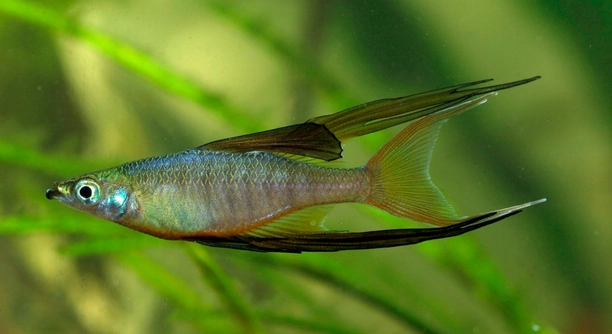
Are your threadfin fish showing signs of sluggishness or unusual behavior during feeding times? Maintaining proper nutrition is crucial for their overall health. Small mistakes in feeding routines can quickly lead to serious complications.
Improper feeding practices, such as overfeeding, inconsistent schedules, or offering unsuitable food, can compromise a threadfin’s digestive and immune systems. These errors often result in malnutrition, increased susceptibility to disease, and long-term growth and behavioral problems.
Understanding these feeding mistakes will help you protect your threadfin’s health and ensure they thrive in a safe, well-maintained environment. Paying attention to diet is the first step in prevention.
Overfeeding Your Threadfin
Overfeeding is one of the most common mistakes in threadfin care. Offering too much food at once can overwhelm their digestive system, causing bloating, constipation, and poor water quality. Even if the fish eagerly consume the food, their bodies can only process a certain amount. Excess feed often sinks to the bottom, decomposing and introducing harmful bacteria into the tank. Regularly monitoring the amount of food each fish consumes helps prevent this issue. Feeding smaller portions multiple times a day is often more effective than one large feeding. Consistency is key, as sudden changes in feeding quantity can stress the fish and reduce their appetite. Keeping track of how much your threadfin eats ensures they receive adequate nutrition without overloading their system. Adjusting portions based on activity level, season, and fish size is essential for long-term health. This careful approach supports proper growth and prevents avoidable health problems from developing.
Overfeeding reduces water quality and increases the risk of disease in threadfin populations. Monitoring portions is essential for a balanced diet.
Careful portion control allows threadfin to process food efficiently and stay healthy. Observing their behavior after feeding helps gauge whether adjustments are needed. Implementing a routine feeding schedule and removing uneaten food promptly can minimize water contamination and reduce stress. Maintaining this practice also prevents competition between fish and ensures all individuals receive adequate nutrition. Over time, this approach fosters steady growth and improves overall vitality, reducing the likelihood of common ailments such as bloating or swim bladder issues.
Feeding Inappropriate Foods
Feeding threadfin unsuitable foods can create serious nutritional gaps. Some items may be difficult to digest, leading to discomfort or internal blockages. Avoid processed human foods and focus on species-appropriate options.
Providing the correct diet supports proper growth, immune function, and overall vitality in threadfin.
Selecting foods that mimic natural diets is essential. Threadfin require a balance of protein, vitamins, and minerals for optimal health. Live or frozen options, such as small crustaceans or insect larvae, are typically well-tolerated and highly nutritious. Introducing new foods gradually helps prevent digestive upset and allows the fish to adjust. Avoid high-fat or low-quality commercial feeds that may contain fillers or preservatives, which can harm internal organs over time. Additionally, diversifying their diet ensures they receive all essential nutrients, supporting strong immune responses and healthy growth patterns. Regularly rotating food types prevents deficiencies and keeps the fish engaged during mealtime. Paying attention to texture and size of the food also matters, as items too large can cause choking or slow digestion. A consistent, species-appropriate diet forms the foundation for preventing most diet-related health issues in threadfin.
Irregular Feeding Schedule
Inconsistent feeding times can stress threadfin fish, affecting appetite and growth. Fish rely on routine to regulate digestion and energy use, so irregular meals may cause overeating or missed nutrition.
Threadfin thrive when feeding occurs at predictable times daily. Skipping meals or varying feeding hours can confuse them, reducing their willingness to eat. Stress from irregular schedules can weaken the immune system, making the fish more prone to disease. Establishing a consistent routine, even with small portions, helps maintain energy levels and supports healthy metabolic function. Over time, this stability encourages normal behavior and reduces competition during feeding.
Maintaining a reliable schedule also allows easier monitoring of consumption. Noticing changes in appetite or activity is simpler when meals are predictable. Regular feeding prevents sudden digestive issues, ensures all fish get enough food, and supports long-term health. Proper timing reinforces natural rhythms and helps threadfin thrive in captivity.
Overreliance on Dry Food
Excessive dependence on dry pellets or flakes can limit nutrient variety. Threadfin require a mix of protein sources for balanced health and growth.
Dry food alone may lack essential nutrients like omega-3 fatty acids or live enzymes. Relying solely on pellets can lead to deficiencies, weaker immune responses, and slower development. Integrating live or frozen foods such as small crustaceans or insect larvae provides essential amino acids and promotes natural feeding behaviors. This combination encourages better digestion, strengthens the fish’s system, and prevents common issues like constipation or deformities. Observing how the fish respond to varied diets helps fine-tune portions and frequency, ensuring each individual receives adequate nutrition.
A varied diet also keeps feeding engaging. Alternating between dry, frozen, and live options mimics natural conditions, supporting optimal growth. Over time, this approach improves vitality, coloration, and overall resilience, reducing the risk of disease while enhancing the fish’s natural instincts and activity levels in their environment.
Feeding Unevenly
Unequal distribution of food can lead to dominant fish consuming most of the meal. Smaller or weaker threadfin may be left hungry, impacting their growth and overall health.
Using multiple feeding points ensures all fish have access to food. This prevents stress, aggression, and nutritional imbalances.
Ignoring Water Quality During Feeding
Feeding introduces waste that quickly affects water quality. Uneaten food decomposes, increasing ammonia and nitrite levels, which are harmful to threadfin. Maintaining proper filtration and monitoring water parameters helps reduce the negative effects of feeding on their environment.
Overuse of Supplements
Excessive vitamin or mineral supplements can be harmful. Too much can lead to organ strain and long-term health problems. Careful dosing is necessary to avoid these issues while still supporting fish health.
FAQ
How often should I feed my threadfin?
Threadfin do best with small, consistent meals rather than one large feeding. Feeding two to three times daily helps maintain energy levels and supports steady growth. Adjust portions according to activity, size, and seasonal changes to prevent overfeeding or underfeeding. Observing their behavior after each meal can help fine-tune the schedule.
What types of food are best for threadfin?
A varied diet works best. Live or frozen options, like small crustaceans or insect larvae, provide protein and essential nutrients. High-quality dry pellets can supplement the diet but should not be the only source. Including different food types ensures proper growth, strong immune function, and overall vitality.
Can overfeeding harm my threadfin?
Yes. Overfeeding can cause digestive issues, bloating, and reduced water quality. Excess food decomposes in the tank, raising ammonia and nitrite levels. Controlling portion sizes and removing uneaten food promptly helps maintain a healthy environment and prevents disease.
Why does my threadfin refuse food sometimes?
Refusal to eat can be due to stress, poor water quality, sudden changes in diet, or illness. Maintaining a stable feeding schedule, providing a varied diet, and monitoring water parameters can reduce these occurrences.
Is it necessary to rotate foods for threadfin?
Rotating foods is important. It prevents nutrient deficiencies and encourages natural feeding behaviors. Switching between live, frozen, and high-quality dry foods ensures that threadfin receive all essential vitamins, minerals, and proteins. This approach promotes overall health and reduces long-term diet-related problems.
How do I prevent dominant fish from taking all the food?
Feeding at multiple points in the tank ensures all fish can access meals. Distributing food evenly reduces competition, stress, and aggressive behavior, helping smaller or weaker fish get adequate nutrition.
Should I use vitamin supplements for my threadfin?
Supplements can be helpful but only in moderation. Overuse may harm organs or create imbalances. Following dosage instructions and focusing on a natural, balanced diet is the safest way to support fish health.
Can feeding mistakes affect water quality?
Absolutely. Uneaten food and excessive waste from overfeeding can increase toxins in the water. Regular cleaning, filtration maintenance, and careful monitoring of feed amounts are essential to maintain a safe and healthy environment for threadfin.
What is the best way to introduce new foods?
Introduce new foods gradually, mixing small amounts with familiar options. This allows threadfin to adjust without digestive upset. Observing how they respond helps determine tolerance and ensures the new food is beneficial. Gradual changes also reduce stress and promote healthy eating habits.
How do I know if my threadfin is getting enough nutrients?
Healthy growth, bright coloration, regular activity, and normal behavior are good indicators of proper nutrition. Monitoring these signs and adjusting diet accordingly ensures each fish receives the right balance of proteins, vitamins, and minerals for long-term health.
Can feeding errors lead to long-term health issues?
Yes. Repeated overfeeding, underfeeding, or improper food types can weaken the immune system, slow growth, and increase susceptibility to disease. Establishing consistent routines, monitoring diet quality, and maintaining water quality are critical to prevent long-term complications.
Is it safe to feed human food to threadfin?
Human food is generally unsafe for threadfin. Processed items may contain additives, fats, or spices that disrupt digestion and harm internal organs. Stick to species-appropriate live, frozen, or high-quality dry foods to ensure proper nutrition and prevent health problems.
How important is portion control?
Portion control is crucial. Feeding the correct amount prevents overfeeding, reduces waste, and protects water quality. Observing appetite and adjusting portions based on fish size and activity levels helps maintain a healthy, balanced diet.
Can stress affect feeding habits?
Yes. Stress from overcrowding, poor water conditions, or sudden changes in routine can reduce appetite. Providing a calm environment, consistent feeding schedule, and proper nutrition helps minimize stress and ensures healthy feeding behavior.
What signs indicate a feeding problem?
Signs include bloating, lethargy, leftover food in the tank, irregular behavior, or weight loss. Detecting these early allows adjustments in diet, feeding schedule, or water maintenance to prevent more serious health issues.
This FAQ section provides practical guidance for maintaining threadfin health by addressing common feeding mistakes and preventive measures. Proper feeding practices, portion control, and careful monitoring support long-term vitality and reduce the risk of health complications.
Final Thoughts
Caring for threadfin fish requires careful attention to feeding practices, as improper routines can lead to a variety of health issues. Many of the problems threadfin face are preventable when their diet is managed thoughtfully. Overfeeding, irregular schedules, or offering inappropriate foods can all cause digestive problems, weaken the immune system, and affect growth. Small mistakes, such as leaving uneaten food in the tank or relying solely on dry pellets, may seem minor at first but can accumulate over time, creating a stressful and unhealthy environment for the fish. Consistency and observation are key. By monitoring how much your threadfin eat, how they behave after meals, and how they grow, you can make adjustments before any serious issues develop. Paying attention to these details helps maintain a stable environment and supports the overall well-being of your fish.
Providing a balanced diet is essential for long-term health. Threadfin require a combination of protein, vitamins, and minerals that mimic their natural diet. While dry pellets can be convenient, incorporating live or frozen foods ensures they receive the nutrients they need to stay active and grow properly. Rotating foods prevents nutrient deficiencies and keeps feeding interesting for the fish, encouraging natural behaviors. Gradually introducing new foods allows the fish to adapt without stress or digestive upset. Over time, a well-planned diet not only enhances their physical health but also improves coloration, energy levels, and behavior. Careful attention to portion sizes also plays an important role. Feeding the right amount at regular intervals helps prevent bloating, reduces waste in the tank, and maintains water quality. These measures together create an environment where threadfin can thrive rather than simply survive.
Establishing consistent routines and maintaining clean water are just as important as choosing the right food. Stress, overcrowding, or sudden changes in feeding patterns can reduce appetite and make fish more vulnerable to disease. Observing their behavior, adjusting feeding schedules, and ensuring all individuals receive food equally will help minimize these risks. Simple practices, like removing leftover food promptly and using multiple feeding points, can prevent common problems related to competition and aggression. Supplements can be helpful but should be used cautiously, as overuse can create imbalances or harm internal organs. Ultimately, understanding your threadfin’s specific needs and responding carefully to changes in behavior, appetite, or growth is the most effective way to promote long-term health. By focusing on proper feeding, maintaining a balanced diet, and supporting a clean, stable environment, you create the best conditions for your threadfin to grow strong and live a healthy, active life.

Hello,
If you enjoy the content that we create, please consider saying a "Thank You!" by leaving a tip.
Every little bit helps us continue crafting quality advice that supports the health, happiness, and well-being of pets around the world, for pets of all shapes, sizes, and species.
We really appreciate the kindness and support that you show us!