
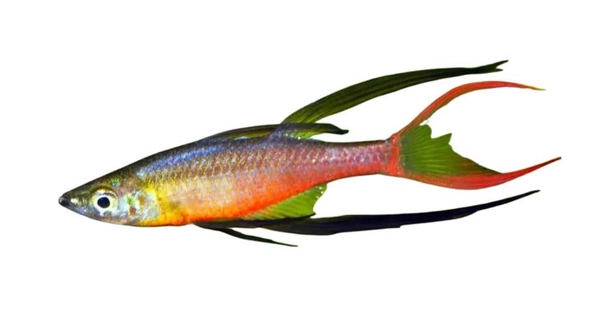
Do you ever find yourself observing your aquarium and noticing the shimmering colors of your Threadfin Rainbowfish? These small, active fish display vibrant patterns that make them stand out in any tank environment. Their behavior often draws attention.
Threadfin Rainbowfish can recognize their own species through visual cues and social interactions. They exhibit schooling behavior and selective socialization, often preferring to swim with similar individuals. Such recognition helps maintain group cohesion and reduces stress within their aquatic communities.
Understanding these social patterns can improve tank management and create a healthier environment for your Threadfin Rainbowfish to thrive.
How Threadfin Rainbowfish Identify Each Other
Threadfin Rainbowfish use a combination of visual and behavioral cues to recognize members of their species. Their bright colors, distinctive fin shapes, and swimming patterns help them distinguish between species in a tank. When kept with other fish, these cues prevent confusion and reduce aggression. Social interactions are key to maintaining a peaceful group dynamic. They naturally form schools, which provides safety and promotes calmer behavior. Observing these interactions closely can reveal subtle differences in their responses to familiar and unfamiliar fish. They often mirror movements and adjust their swimming speed to match the group. Over time, these fish become more coordinated within their school, suggesting that recognition improves with repeated exposure. Lighting, tank size, and decorations can affect their ability to see and identify one another clearly. Consistent observation allows owners to notice patterns in how Threadfin Rainbowfish interact and respond to changes in their environment. Proper care supports these behaviors.
Recognizing their own species reduces stress and strengthens social bonds in the tank.
Consistent school formation also improves overall health. Fish that swim with compatible companions show less erratic behavior and are less prone to stress-related illnesses. Providing ample space and hiding spots encourages natural movement and interaction. Threadfin Rainbowfish benefit from groups of at least six, as smaller numbers may increase tension and reduce schooling. Water conditions, including temperature and clarity, further influence how well they can identify each other. Clear water and stable conditions support healthy visual and social cues, allowing them to thrive. By monitoring these factors, owners can maintain a harmonious tank where fish recognize and respond appropriately to their species. Social behavior in Threadfin Rainbowfish is both fascinating and essential, providing insight into their needs and improving their overall quality of life in captivity.
Improving Social Recognition in Your Tank
Observing tank layout and fish groupings can enhance recognition and reduce stress.
Proper tank setup includes sufficient space, consistent water conditions, and visual separation from other species. Decorations and plants provide safe areas, helping fish maintain clear sightlines for identification. Choosing compatible species and maintaining a stable environment promotes natural schooling and reduces conflict. Lighting should mimic natural conditions to highlight their colors, making identification easier. Overcrowding or frequent changes in tank composition can disrupt social dynamics, so maintaining a stable group is critical. Regular observation allows adjustments to improve recognition and schooling. Creating this environment ensures Threadfin Rainbowfish interact comfortably and thrive over time.
When setting up your tank, focus on group size, layout, and visibility. Threadfin Rainbowfish show stronger recognition in groups of six or more, with clear swimming space and unobstructed lines of sight. Plants and decorations should provide cover without hindering movement or observation. Consistency in water parameters, lighting, and feeding schedules also supports social stability. Introducing new fish gradually reduces stress and allows existing members to adjust. Watching their schooling behavior provides insight into their social cohesion, allowing further refinements to the tank setup. With thoughtful management, these fish demonstrate natural recognition behaviors, forming cohesive groups and maintaining healthy interactions. Ensuring they have optimal conditions enhances both their physical health and social well-being.
Visual Cues in Species Recognition
Threadfin Rainbowfish rely heavily on their bright colors and fin patterns to identify each other. These visual markers allow them to distinguish between members of their own species and other tank mates, helping maintain peaceful interactions and cohesive schooling behavior.
Colors become more pronounced under stable lighting, making identification easier. Fin shapes, including the elongated dorsal and tail fins, provide additional cues that fish use to recognize familiar companions. Movement patterns also contribute; synchronized swimming strengthens recognition and signals social acceptance. Observing these cues can help owners understand how their fish interact and maintain calm group dynamics.
Environmental factors influence visual recognition. Clear water, proper lighting, and minimal visual obstructions are crucial for fish to accurately identify each other. Overcrowding or murky water can hinder recognition, increasing stress and potential aggression. By adjusting tank conditions and observing behavior, owners can support natural social interactions, helping Threadfin Rainbowfish form stable schools and maintain overall well-being in their aquatic environment.
Behavioral Patterns and Social Bonds
Threadfin Rainbowfish display specific behaviors that reinforce recognition and cohesion within the group. Synchronized swimming, mirroring movements, and following each other are common signs of social bonds.
Schooling behavior reduces stress, increases safety, and strengthens familiarity among members. Fish that swim together consistently are more likely to recognize each other, forming lasting social connections. Aggression is minimized when each individual understands its place within the group. Regular feeding routines and stable water conditions further support these patterns.
These social interactions are essential for overall health. Fish that cannot establish recognition may show erratic swimming, hide frequently, or fail to feed properly. Observing these behaviors allows owners to intervene and improve group stability. Maintaining consistent environmental conditions, sufficient space, and appropriate group sizes ensures that Threadfin Rainbowfish develop strong social bonds, enhancing both their physical health and mental well-being.
Tank Environment and Recognition
The layout of the tank affects how well Threadfin Rainbowfish recognize each other. Open swimming areas allow clear sightlines, while dense decorations may obstruct visual cues. Proper placement of plants and rocks helps maintain both security and visibility.
Stable water conditions are also essential. Fluctuations in temperature or clarity can confuse fish and disrupt social interactions. Maintaining consistent parameters ensures their ability to identify companions remains strong, supporting natural schooling behavior and reducing stress within the tank.
Feeding Routines and Social Interaction
Regular feeding schedules encourage predictable behavior and reinforce recognition. Fish learn to associate certain areas with food, which strengthens group cohesion. Feeding together helps them coordinate movements and observe each other, improving familiarity within the school. Consistency promotes both social and physical health, keeping the group balanced.
Observation and Adjustment
Regular observation is key to understanding social dynamics. Noting patterns in swimming, schooling, and aggression helps owners make adjustments to improve recognition and interaction.
Group Size Considerations
Larger groups improve recognition and reduce stress. Small numbers may lead to isolation or increased aggression. Maintaining six or more ensures cohesive schooling behavior and stronger social bonds.
Tank Environment and Recognition
The layout of the tank affects how well Threadfin Rainbowfish recognize each other. Open swimming areas allow clear sightlines, while dense decorations may obstruct visual cues. Proper placement of plants and rocks helps maintain both security and visibility.
Stable water conditions are also essential. Fluctuations in temperature or clarity can confuse fish and disrupt social interactions. Maintaining consistent parameters ensures their ability to identify companions remains strong, supporting natural schooling behavior and reducing stress within the tank.
Feeding Routines and Social Interaction
Regular feeding schedules encourage predictable behavior and reinforce recognition. Fish learn to associate certain areas with food, which strengthens group cohesion. Feeding together helps them coordinate movements and observe each other, improving familiarity within the school. Consistency promotes both social and physical health, keeping the group balanced.
Observation and Adjustment
Regular observation is key to understanding social dynamics. Noting patterns in swimming, schooling, and aggression helps owners make adjustments to improve recognition and interaction.
Group Size Considerations
Larger groups improve recognition and reduce stress. Small numbers may lead to isolation or increased aggression. Maintaining six or more ensures cohesive schooling behavior and stronger social bonds.
Light and Color Influence
Lighting affects how Threadfin Rainbowfish perceive each other. Bright, consistent light highlights colors and fin patterns, making recognition easier and supporting natural social interactions.
Color vibrancy signals health and species identity. Fish with dull colors may struggle to integrate into the group, while well-lit, healthy fish maintain stronger bonds and smoother schooling behavior.
Interaction with Other Species
Introducing different species can impact recognition. Threadfin Rainbowfish may become cautious or avoidant when mixed with aggressive or fast-moving tank mates, affecting their social cohesion. Maintaining compatible companions reduces stress and allows clear identification of their own species.
Tank Size Requirements
Adequate space is critical for recognition and schooling. Crowded tanks hinder movement and visibility, disrupting social interactions and increasing stress among Threadfin Rainbowfish.
Threadfin Rainbowfish are fascinating creatures that rely heavily on visual and behavioral cues to recognize their own species. Their bright colors, unique fin shapes, and distinctive swimming patterns allow them to identify familiar companions and maintain social cohesion. When kept in a properly managed aquarium, these fish demonstrate clear recognition of their species through schooling, synchronized movements, and consistent interactions. Observing these behaviors can be very rewarding, as it provides insight into how the fish interact and respond to one another. Recognition among Threadfin Rainbowfish is not just a matter of social preference—it plays an essential role in reducing stress and promoting overall well-being within the tank. By forming stable groups, they are able to feel secure, engage in natural swimming behaviors, and respond appropriately to environmental changes.
Maintaining conditions that support recognition is crucial for their health. Tank size, layout, water clarity, and lighting all influence how easily fish can identify each other. Overcrowded tanks or murky water can obscure visual cues, making it difficult for fish to establish social bonds. Consistent water parameters, regular feeding schedules, and careful introduction of new tank mates are also important. When owners pay attention to these details, they help Threadfin Rainbowfish form strong social structures that benefit the entire group. Group size is another critical factor; smaller numbers can lead to stress and erratic behavior, while groups of six or more typically exhibit stable schooling and stronger recognition patterns. Providing enough space for movement and interaction ensures that each fish has room to swim freely, maintain visual contact, and participate fully in group dynamics.
Ultimately, understanding how Threadfin Rainbowfish recognize their own species can improve both their care and the overall tank environment. Observing their schooling, movements, and social interactions allows owners to make adjustments that support natural behaviors and minimize stress. Attention to lighting, tank setup, water quality, and group composition creates conditions in which these fish can thrive. Their ability to identify familiar companions strengthens social bonds, encourages healthy activity, and enhances their quality of life. By prioritizing these factors, owners ensure that their Threadfin Rainbowfish enjoy a balanced and harmonious environment, allowing them to display their full range of natural behaviors while maintaining physical and social health. With careful observation and thoughtful management, these fish can flourish in a home aquarium while demonstrating remarkable social recognition abilities.

Hello,
If you enjoy the content that we create, please consider saying a "Thank You!" by leaving a tip.
Every little bit helps us continue crafting quality advice that supports the health, happiness, and well-being of pets around the world, for pets of all shapes, sizes, and species.
We really appreciate the kindness and support that you show us!