
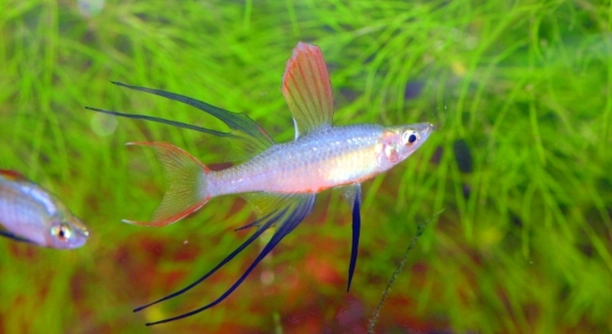
Caring for Threadfin Rainbowfish involves more than feeding and cleaning. When a temporary relocation is necessary, proper preparation ensures their well-being. Planning ahead can reduce stress for the fish and make the transition smoother.
The most effective way to prepare Threadfin Rainbowfish for a temporary relocation is by gradually acclimating them to travel conditions. Maintaining stable water parameters, minimizing handling, and providing a secure, oxygenated transport container will help prevent stress and maintain their health throughout the move.
Following these steps will make the relocation process safer for your fish and ensure they remain healthy during their temporary stay.
Preparing the Tank and Water Conditions
Before relocating Threadfin Rainbowfish, the tank and water must be properly prepared. Begin by cleaning the tank thoroughly, removing debris and leftover food. Ensure the water temperature matches their natural environment, usually between 24–28°C. Test pH and hardness levels to keep them stable. Installing a gentle filter or sponge can maintain oxygen levels during temporary housing. Avoid sudden changes in water chemistry, as these can stress the fish. Add some hiding spots, like plants or small decorations, so the fish feel secure. Lightly aerate the water to ensure proper oxygenation. Reducing noise and vibrations around the tank also helps calm the fish. If possible, use water from their original tank to maintain familiar conditions. Preparing a transport container with similar water can reduce shock. Taking these steps provides a stable environment, making the relocation less stressful and keeping the fish healthy throughout the temporary move.
Keeping the tank stable helps the fish adjust smoothly and reduces the risk of health issues during relocation.
Careful attention to water quality and environment is crucial. Threadfin Rainbowfish are sensitive to sudden changes. Gradually adjust water parameters before the move, matching temperature, pH, and hardness. Provide hiding places in both the tank and transport container. Use familiar water to maintain comfort and reduce stress. During relocation, monitor the fish for signs of distress, such as erratic swimming or color fading. Keep transport containers covered to limit movement and exposure to light. Avoid overcrowding by transporting in smaller groups if necessary. Gentle aeration ensures adequate oxygen. Once at the temporary location, place the container in a quiet, stable area. Slowly acclimate them to any new water if required. Following these steps helps maintain health and reduces stress. Preparing the tank and water properly makes a temporary relocation safer and more comfortable for your Threadfin Rainbowfish.
Feeding and Diet Adjustments
Feed smaller portions a few days before relocation to reduce waste in transport.
During relocation, fish should be fed sparingly. Overfeeding can lead to water contamination and stress. Stick to light meals before and after the move. Use high-quality flakes, pellets, or live food depending on preference. Monitor feeding behavior carefully. After settling in, gradually return to normal feeding routines. Consistent diet helps maintain energy levels and reduces stress during temporary stays. Proper feeding ensures Threadfin Rainbowfish stay healthy and active throughout relocation and acclimation.
Transport Techniques
Use a sturdy, leak-proof container with secure lids for relocation. Include familiar water from the tank and some air space for oxygen. Handle the container carefully to avoid sudden movements that may stress the fish. Keep the container in a shaded, stable position during transport.
During transport, avoid exposing Threadfin Rainbowfish to extreme temperatures. Use a temperature-controlled bag or insulated box if necessary. Limit vibrations and noise around the container. Check water oxygen levels periodically and gently aerate if possible. Transport smaller groups rather than the entire tank population to reduce stress. Covering the container helps reduce light exposure and keeps the fish calmer. Avoid opening the container unless absolutely necessary. Ensuring careful handling minimizes stress and maintains fish health during relocation.
Once at the temporary location, place the container on a flat, stable surface. Allow the water to settle before acclimating the fish to the new environment. Gradually mix the transport water with the temporary tank water if needed. Introduce the fish slowly to reduce shock. Keep monitoring for signs of stress, such as rapid gill movement or erratic swimming. Maintain regular aeration and filtration. Keep feeding light and consistent, and avoid sudden changes in water parameters. This careful approach ensures Threadfin Rainbowfish adjust well and stay healthy during temporary housing.
Monitoring Behavior and Health
Observe your fish closely during the first few days after relocation. Look for signs of stress or illness that may require attention.
Monitor swimming patterns, appetite, and color changes. Fish may hide more often or appear lethargic after a move, which is normal initially. Check for external injuries or signs of disease, like white spots or fin damage. Maintain stable water conditions, keeping temperature, pH, and hardness consistent. Avoid overcrowding and sudden environmental changes. Regularly check filter performance and oxygen levels. Keep feedings light and consistent to avoid water quality issues. Document any unusual behavior to track recovery and adjust care. Observing these indicators helps ensure Threadfin Rainbowfish remain healthy and comfortable throughout the temporary relocation.
Acclimating to Temporary Housing
Slowly introduce Threadfin Rainbowfish to their temporary tank. Use a drip acclimation method or gradually mix transport water with tank water to prevent shock. Maintain stable water parameters during this period to support a smooth transition.
Observe the fish for signs of stress or discomfort during acclimation. Allow them time to explore the new environment and adjust naturally. Avoid sudden movements or changes in lighting to help them settle.
Maintaining Water Quality
Regularly test water parameters, including temperature, pH, and ammonia levels. Perform partial water changes as needed to keep the environment clean and stable. Ensure proper filtration and aeration to maintain oxygen levels. Monitoring these factors reduces stress and keeps Threadfin Rainbowfish healthy in temporary housing.
Limiting Stress Factors
Minimize handling and sudden changes around the tank. Keep the area quiet and avoid overcrowding. Small adjustments in lighting and temperature help Threadfin Rainbowfish remain calm and adapt comfortably to temporary conditions.
FAQ
How long can Threadfin Rainbowfish stay in temporary housing?
Threadfin Rainbowfish can stay in a temporary setup for a few days to a week without major issues if water quality and temperature remain stable. Longer stays require more frequent monitoring, partial water changes, and careful observation of their health to prevent stress or illness.
Can I use any container for transport?
No, it is important to use a leak-proof, sturdy container. Include familiar water from their original tank to reduce stress. Provide enough air space for oxygen and keep the lid secure. Avoid containers that easily tip or allow water to slosh excessively during movement.
Do I need to feed them during transport?
It is best to avoid feeding fish during transport. Food can quickly degrade water quality and increase ammonia levels, stressing the fish. Feed lightly a few hours before moving them, then resume normal feeding once they are settled in the temporary tank.
How do I prevent temperature shock?
Temperature shock can be avoided by maintaining a consistent water temperature during transport and acclimation. Use insulated boxes or temperature-controlled bags for longer moves. When introducing them to a new tank, gradually mix transport water with the tank water to help them adjust slowly.
What signs indicate my fish is stressed?
Signs of stress include rapid gill movement, hiding, lethargy, clamped fins, or faded colors. Stress can also manifest as reduced appetite or erratic swimming. Monitoring behavior closely during relocation helps identify issues early so corrective measures can be taken.
How do I maintain water quality in the temporary tank?
Perform regular testing for pH, ammonia, nitrite, and nitrate levels. Partial water changes may be necessary depending on tank size and fish activity. Use a gentle filter or sponge filter to maintain oxygen levels. Avoid overfeeding and overcrowding to keep the environment clean and stable.
Can I relocate multiple fish together?
It is possible, but avoid overcrowding. Smaller groups reduce stress and minimize waste buildup. Ensure there is enough space and hiding spots for each fish. Monitor behavior closely to prevent aggression or competition for resources. Separate containers may be needed for sensitive or smaller fish.
Should I cover the container during transport?
Yes, covering the container helps reduce light exposure, vibrations, and sudden movements that may stress the fish. Use a breathable material to allow airflow while keeping the fish calm. Keep the container on a flat, stable surface during the entire transport process.
When should I resume normal feeding after relocation?
Wait until the fish are settled and showing normal activity before resuming regular feeding. Start with light meals, gradually returning to their usual diet. Consistency in feeding routines helps maintain energy levels and supports their overall health during temporary housing.
How do I acclimate them to new water?
Gradually introduce small amounts of the new tank water to the transport water over 30–60 minutes. This drip or slow mixing method prevents sudden changes in temperature, pH, or hardness. Observe the fish during acclimation and adjust the pace if any signs of stress appear.
Is it necessary to monitor fish after relocation?
Yes, continued observation is crucial. Check swimming patterns, color, appetite, and interactions with other fish. Monitoring ensures that any health issues are caught early. Adjust water parameters, feeding, or environment as needed to support a smooth transition and maintain well-being.
Can lighting affect their stress levels?
Bright or sudden lighting changes can stress Threadfin Rainbowfish. Keep the temporary tank in a shaded or low-light area during relocation. Gradually reintroduce normal lighting once they appear comfortable and active. Consistent lighting supports their circadian rhythm and reduces stress-related behaviors.
How do I handle emergencies during relocation?
If water quality drops or fish show severe distress, perform immediate partial water changes or adjust temperature and oxygen levels. Keep a backup container ready in case a temporary move is extended. Quick response is essential to prevent long-term health problems.
Do decorations help during temporary housing?
Yes, providing plants or small hiding spots helps fish feel secure. Avoid overcrowding the tank but include enough cover to reduce stress. Familiar decorations or water from the original tank can further improve comfort and reduce shock.
What are common mistakes to avoid?
Avoid overfeeding, overcrowding, sudden water changes, and rough handling. Transporting fish in extreme temperatures or unprotected containers also increases stress risk. Careful preparation and monitoring help prevent these mistakes and ensure Threadfin Rainbowfish remain healthy.
How do I reduce stress for long relocations?
Maintain consistent water parameters, provide sufficient oxygen, and avoid sudden movements. Limit light exposure and disturbances. Transport smaller groups and monitor behavior frequently. Using familiar water and hiding spots helps the fish feel secure and reduces stress during extended temporary stays.
Are Threadfin Rainbowfish sensitive to noise or vibration?
Yes, loud noises and vibrations can cause stress. Keep transport containers stable and avoid placing them near machinery, traffic, or other disturbances. A quiet, controlled environment supports calm behavior and minimizes risk during relocation.
How do I know if relocation is successful?
Successful relocation is indicated by normal swimming patterns, bright colors, regular feeding, and minimal hiding after acclimation. Continued monitoring ensures the fish are adjusting well and remain healthy during temporary housing. Any prolonged stress or unusual behavior should be addressed promptly.
Can temporary relocation affect breeding behavior?
Stress from relocation may temporarily reduce breeding activity. Maintaining stable water conditions, proper diet, and minimal disturbance helps the fish regain normal reproductive behavior once settled in their usual environment.
What final checks should I perform?
Ensure water quality, temperature, oxygen levels, and feeding routines are stable. Observe behavior daily for signs of stress or illness. Confirm that hiding spots and tank conditions provide comfort. These final checks support a smooth temporary relocation and help Threadfin Rainbowfish remain healthy.
This FAQ provides practical guidance to minimize stress, maintain health, and ensure a safe temporary relocation for Threadfin Rainbowfish. Following these steps reduces risks and helps the fish adjust comfortably to new conditions.
Final Thoughts
Relocating Threadfin Rainbowfish, even temporarily, requires careful planning and attention. These fish are sensitive to changes in their environment, and improper handling or sudden shifts in water conditions can lead to stress or illness. Preparing the tank, maintaining stable water parameters, and providing familiar surroundings are essential steps for ensuring their well-being. Even small details, like including hiding spots or maintaining consistent lighting, can make a significant difference in how the fish respond to a new environment. Taking the time to set up a safe and comfortable temporary tank will make the relocation process smoother for both the fish and the caretaker.
During relocation, minimizing stress is the primary goal. Using sturdy containers, familiar water, and proper aeration helps Threadfin Rainbowfish adjust more easily to temporary housing. Transport should be conducted carefully, avoiding sudden movements, extreme temperatures, and excessive light or noise. Monitoring the fish closely before, during, and after the move allows for early detection of potential issues. Feeding should be adjusted so water quality remains stable, and gradual acclimation to new water prevents shock. By focusing on these factors, you can reduce stress-related behaviors and support the fish’s health throughout the temporary relocation period.
Once the fish are settled in their temporary tank, ongoing observation is key. Watch for normal swimming patterns, color retention, and feeding habits, as these are clear indicators of well-being. Regularly test water parameters and perform necessary maintenance to maintain a clean and stable environment. Paying attention to small changes in behavior helps identify problems before they become serious. After returning the fish to their original tank, continue monitoring to ensure a smooth reintegration. With careful planning, proper handling, and consistent care, Threadfin Rainbowfish can tolerate temporary relocations without long-term effects, remaining healthy and active throughout the process.

Hello,
If you enjoy the content that we create, please consider saying a "Thank You!" by leaving a tip.
Every little bit helps us continue crafting quality advice that supports the health, happiness, and well-being of pets around the world, for pets of all shapes, sizes, and species.
We really appreciate the kindness and support that you show us!