
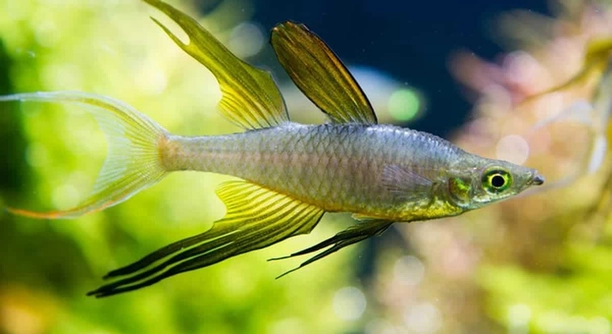
Threadfin Rainbowfish are lively and colorful additions to any freshwater tank. Sometimes, however, they may suddenly hide for an entire day, leaving aquarists concerned and unsure about the cause behind this unusual behavior.
A Threadfin Rainbowfish may hide all day due to sudden changes in water quality, temperature fluctuations, stress from tank mates, illness, or insufficient hiding spots. Addressing environmental stability and monitoring health are key to preventing prolonged hiding behavior.
Understanding the reasons behind this behavior can help maintain a healthy, vibrant aquarium and ensure your fish feel secure in their environment.
Changes in Water Quality
Poor water quality is one of the main reasons Threadfin Rainbowfish may hide for extended periods. Sudden spikes in ammonia, nitrites, or nitrates can make the environment uncomfortable or even dangerous. Even minor changes in pH or hardness can stress these sensitive fish. Filtration issues, overfeeding, or decaying plant matter can contribute to water deterioration. Fish often sense these changes before humans do, prompting them to retreat to safe corners or plants. Consistent water testing and partial water changes help maintain a stable habitat. Observing your fish’s behavior can also indicate subtle shifts in water parameters, allowing you to act before hiding becomes a regular behavior.
Regular water testing and routine tank maintenance are essential to prevent prolonged hiding.
Keeping the water stable creates a secure environment, reducing stress and promoting natural activity. Regular monitoring, adequate filtration, and avoiding sudden chemical changes ensure your Threadfin Rainbowfish feel comfortable and display their usual vibrant behavior.
Tank Mates and Stress
Aggressive or overly active tank mates can cause hiding behavior.
Fish that nip fins, chase, or dominate spaces force Threadfin Rainbowfish to seek refuge. They prefer calm companions and open areas with safe hiding spots. Stress from other fish can quickly escalate, leading to prolonged hiding and decreased appetite.
Observing interactions and adjusting the mix of species in your tank is critical. Adding plants, rocks, or ornaments provides necessary cover, allowing your fish to feel secure. Avoid overcrowding, as limited space increases tension among fish. Incompatible combinations, like pairing aggressive cichlids or large barbs with delicate rainbowfish, often result in hiding, stress, or illness. Maintaining a peaceful community and monitoring behavior helps prevent daily hiding episodes. By providing visual barriers and quiet spaces, you encourage natural swimming and reduce stress-related behaviors. Small environmental adjustments can make a big difference, ensuring your Threadfin Rainbowfish are active, healthy, and visible throughout the day.
Sudden Illness or Parasites
Hiding can be a sign of illness or parasites. Threadfin Rainbowfish may retreat when feeling weak, lethargic, or uncomfortable due to internal or external infections.
Observing your fish closely is important. Signs like clamped fins, rapid gill movement, loss of color, or small white spots indicate potential health issues. Quarantining affected fish and maintaining clean water can help prevent the spread of disease. Early detection increases the chance of recovery. Nutritional support, proper medication, and stress reduction are essential for restoring health and normal activity.
Some illnesses progress quickly, so acting immediately is crucial. Maintaining a consistent feeding schedule, balanced diet, and stress-free environment supports immunity. Preventive measures, such as regular water testing and monitoring tank conditions, reduce the likelihood of infections. By addressing sickness promptly, your Threadfin Rainbowfish can regain confidence and return to their usual swimming patterns.
Environmental Changes
Threadfin Rainbowfish may hide when the tank environment changes suddenly. Lighting, temperature shifts, or rearranged decorations can make them uneasy.
Gradual adjustments are essential for sensitive fish. Sudden temperature changes or strong currents can create stress, causing hiding or loss of appetite. Even minor changes in lighting duration or intensity may make the fish seek shelter. Providing consistent conditions, gentle water flow, and stable temperatures encourages normal activity. Observing their reactions to adjustments helps identify stress triggers.
Adding new plants, rocks, or decorations requires careful planning. Introduce elements slowly and monitor behavior to ensure comfort. Avoid drastic alterations in water parameters or tank layout. Maintaining a predictable routine and safe spaces helps Threadfin Rainbowfish feel secure, reducing prolonged hiding and promoting healthy interactions with tank mates.
Lack of Hiding Spots
Threadfin Rainbowfish hide when they feel exposed. A tank without plants, rocks, or decorations leaves them vulnerable and stressed.
Providing sufficient hiding places allows fish to feel secure. Even small caves or dense plants offer refuge, reducing prolonged hiding and encouraging natural behavior.
Overcrowding
Too many fish in the tank increases stress and competition. Overcrowded conditions force Threadfin Rainbowfish to retreat frequently, hiding from more dominant tank mates. Proper stocking levels help reduce tension and maintain a balanced, calm environment.
Feeding Issues
Inconsistent or inadequate feeding can make fish anxious. Hunger or sudden changes in diet may trigger hiding behavior, as they conserve energy and avoid unnecessary movement.
FAQ
Why is my Threadfin Rainbowfish hiding all day suddenly?
Sudden hiding is usually a response to stress, environmental changes, illness, or aggressive tank mates. Threadfin Rainbowfish are sensitive to water quality, temperature fluctuations, and overcrowding. Monitoring their tank conditions, observing interactions with other fish, and checking for signs of disease can help determine the cause.
Could water quality really make them hide?
Yes, even small changes in ammonia, nitrites, nitrates, pH, or hardness can trigger hiding. Threadfin Rainbowfish are highly sensitive, and unstable water encourages them to seek shelter. Regular testing, partial water changes, and proper filtration help maintain stable conditions.
Do temperature changes affect their behavior?
Absolutely. Sudden drops or spikes in temperature stress these fish. They prefer stable water between 24–28°C (75–82°F). Use a reliable heater and thermometer to keep fluctuations minimal. Consistent temperature promotes activity and reduces hiding episodes.
Can aggressive tank mates cause hiding?
Yes. Fish that chase, nip fins, or dominate spaces force rainbowfish into hiding. Providing calm, compatible tank mates and plenty of visual barriers like plants and rocks helps them feel safe. Avoid overcrowding and monitor interactions to prevent stress.
Is illness a common reason for hiding?
Yes. Hiding can indicate sickness or parasites. Signs include clamped fins, rapid gill movement, loss of color, or small white spots. Quarantining affected fish, maintaining clean water, and administering proper treatment are necessary for recovery.
Can diet impact their behavior?
Yes. Irregular feeding, poor nutrition, or sudden changes in diet can make them anxious. Balanced meals and a consistent feeding schedule support health and energy, reducing hiding due to stress or weakness.
Does tank layout affect their confidence?
Yes, inadequate hiding spots or open areas make them feel vulnerable. Adding plants, rocks, and caves provides refuge. Introduce new decorations gradually to avoid startling them. Safe spaces help them explore and swim confidently.
How long should they hide before it’s a problem?
Short periods of hiding are normal. However, hiding all day or showing other stress signs for more than one or two days indicates an underlying issue. Immediate observation and intervention are recommended to prevent worsening health.
Can water flow cause hiding?
Yes. Strong currents or sudden changes in water movement can intimidate sensitive Threadfin Rainbowfish. Gentle, consistent water flow encourages natural swimming while minimizing stress-related hiding. Adjust filters or pumps as needed.
Will they hide more at night or during the day?
Threadfin Rainbowfish are diurnal, so hiding during daylight is unusual and usually stress-related. Nighttime hiding is natural, but extended daytime hiding indicates a problem with environment, health, or tank dynamics.
How can I encourage them to come out?
Ensure stable water parameters, provide hiding spots, feed consistently, and maintain compatible tank mates. Avoid sudden changes and monitor for illness. Gradual environmental adjustments and a calm atmosphere help them regain confidence and display natural behavior.
Are some rainbowfish more prone to hiding than others?
Yes. Individual temperament, age, and previous experiences affect behavior. Younger or more timid fish may hide more, while dominant or older fish feel more comfortable exploring open areas. Observing patterns over time helps identify normal versus stress-induced hiding.
Can frequent tank maintenance cause hiding?
Yes. Large water changes, rearranging decorations, or handling fish excessively can stress them. Gradual, careful maintenance minimizes stress. Partial water changes and avoiding abrupt disruptions help fish remain visible and active.
Is hiding a sign of long-term stress?
Prolonged hiding often indicates chronic stress. Persistent stress can weaken immunity, reduce appetite, and increase susceptibility to illness. Maintaining stable water conditions, a calm environment, and proper nutrition prevents long-term behavioral problems.
What should I do if hiding continues despite adjustments?
Monitor water parameters, observe interactions with other fish, and check for illness. If hiding persists, consider consulting an aquatic veterinarian. Early intervention ensures health, reduces stress, and restores normal activity.
Can introducing new fish trigger hiding?
Yes, new tank mates can create temporary stress. Introduce fish slowly, allow hiding spots, and observe behavior. Acclimation periods reduce tension and help Threadfin Rainbowfish adjust confidently to the updated environment.
Does tank size matter for hiding behavior?
Yes. Small tanks with limited space increase stress and hiding frequency. Adequate tank size provides swimming room, reduces territorial disputes, and allows placement of hiding spots, promoting security and active behavior.
How do I know if hiding is normal or abnormal?
Short retreats, brief hiding, or exploration pauses are normal. Persistent hiding, loss of appetite, color changes, or abnormal swimming patterns signal stress, illness, or environmental issues requiring attention.
Can water additives or medications cause hiding?
Yes. Sudden chemical treatments or new additives may temporarily stress rainbowfish. Follow dosing instructions, acclimate fish carefully, and monitor for hiding or unusual behavior. Gradual treatment reduces negative responses and maintains comfort.
Are rainbowfish more sensitive than other community fish?
Threadfin Rainbowfish are generally more sensitive to water quality, tank mates, and environmental changes. Their natural tendency is to explore safely, so any disruption can lead to hiding. Understanding their needs ensures active, healthy fish in a stable, calm aquarium.
Threadfin Rainbowfish are delicate and vibrant fish that rely heavily on stable and secure environments to thrive. When they suddenly hide for an entire day, it often signals a problem in their surroundings, health, or social interactions. Observing your fish closely can reveal subtle changes in behavior that indicate stress or discomfort. These fish are naturally active and social, so extended hiding is not typical. Ensuring proper water quality, temperature stability, and a peaceful tank community is essential for maintaining their normal activity levels. Even small changes in the tank can affect their confidence and willingness to explore, so attention to detail is crucial in keeping them comfortable.
Providing sufficient hiding spots is another key factor in supporting Threadfin Rainbowfish. Plants, rocks, and small caves offer refuge, helping them feel safe when they experience stress or minor disturbances. The absence of these shelters can make them feel vulnerable, leading to prolonged hiding and anxiety. Tank layout matters as much as water parameters, as fish interpret their surroundings based on security and comfort. Gradual adjustments, rather than sudden changes, allow rainbowfish to acclimate without unnecessary stress. Monitoring interactions with tank mates also reduces tension, as aggressive or dominant fish can make more timid individuals retreat. By offering both environmental stability and personal space, you can create a balanced and supportive habitat.
Regular care, including feeding, maintenance, and monitoring for signs of illness, is essential in preventing sudden hiding episodes. Consistent feeding schedules and balanced nutrition keep fish healthy and energetic, while proper tank maintenance prevents water quality issues that could drive them to hide. Early detection of illness, parasites, or stress helps reduce prolonged hiding and promotes faster recovery. Paying attention to subtle cues, such as clamped fins, color changes, or lethargy, can guide timely intervention. Ultimately, creating a calm, stable, and secure environment allows Threadfin Rainbowfish to display their natural behaviors, remain active, and enjoy a healthy, comfortable life in the aquarium.

Hello,
If you enjoy the content that we create, please consider saying a "Thank You!" by leaving a tip.
Every little bit helps us continue crafting quality advice that supports the health, happiness, and well-being of pets around the world, for pets of all shapes, sizes, and species.
We really appreciate the kindness and support that you show us!