
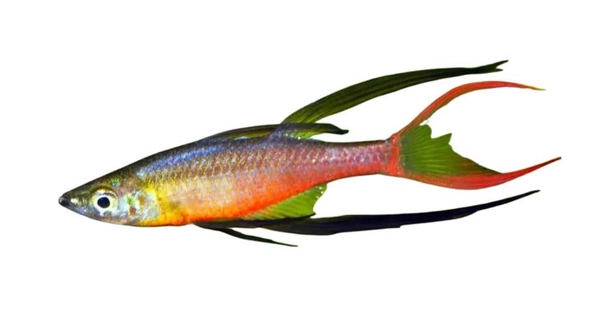
Threadfin Rainbowfish are small, colorful freshwater fish that are popular in home aquariums. Their graceful swimming and shimmering scales make them a joy to observe. Many fishkeepers wonder how tank dimensions affect their well-being and behavior.
Threadfin Rainbowfish thrive better in wider tanks rather than deep ones. A broader horizontal space allows them to swim freely, reduces stress, and promotes natural schooling behavior. Depth is less critical, as long as water quality and temperature remain stable.
Providing the right environment goes beyond just tank size. Understanding these preferences ensures healthier, more active fish and a visually pleasing aquarium display.
Why Tank Width Matters More Than Depth
Wider tanks give Threadfin Rainbowfish more room to swim and explore. These fish are active swimmers that move in groups, so horizontal space helps reduce stress and encourages natural schooling. Deep tanks can limit their movement and create zones they rarely visit, making the fish less active. Additionally, wider tanks improve oxygen distribution and water flow, which benefits overall health. Plants, decorations, and hiding spots can be arranged better in a wide tank, allowing fish to establish territories without feeling cramped. Lighting and filtration also work more efficiently across a broader space, keeping water conditions more stable. Many aquarists notice that Rainbowfish in narrow, deep tanks tend to cluster or hover near the surface, while in wider tanks, they swim throughout the tank more freely. Choosing a tank with more horizontal space supports both physical activity and visual enjoyment, creating a healthier and more dynamic aquarium environment.
Providing sufficient horizontal space is essential for these fish to remain active and social.
Tank width influences more than swimming space; it affects feeding, social interaction, and tank maintenance. In wide tanks, fish can move without competition, reducing aggression. Plants and decorations can be arranged to create hiding spots and open swimming lanes. Filtration works efficiently, and water circulation supports oxygen distribution. Lighting can reach all areas more evenly, promoting healthy plants and fish.
Adjusting Tank Depth for Comfort
While depth is less critical, it still matters for environmental stability.
Shallower water layers make temperature and oxygen levels more consistent. Deep tanks may create cooler bottom layers or areas with lower oxygen, which Rainbowfish avoid. In moderately deep tanks, fish can explore vertically but are not stressed by extreme depth. A balanced depth complements width, providing enough space for swimming without introducing unstable zones. Plants that float or grow mid-water thrive, offering natural hiding spots and resting areas. By focusing on width while maintaining reasonable depth, aquarists create a stable, healthy environment. Proper water circulation and filtration further reduce issues that may arise in deeper tanks. This combination supports active, stress-free Rainbowfish while allowing them to display natural behaviors. Planning tank depth alongside width ensures fish remain energetic, social, and visually appealing, enhancing both fish health and the overall aquarium experience.
Ideal Tank Dimensions
A tank width of at least 24 inches is recommended for Threadfin Rainbowfish. Depth should be moderate, around 12 to 16 inches, to provide vertical exploration without restricting movement. Horizontal space directly supports natural swimming and schooling behavior.
Wider tanks allow multiple Rainbowfish to swim in groups comfortably, which reduces stress and aggression. They can establish territories, explore hiding spots, and interact naturally. Shallow or narrow tanks can force fish to cluster unnaturally, limiting exercise and affecting overall health. Proper dimensions also help with water circulation, ensuring oxygen and nutrients reach all areas efficiently. Decorations, plants, and structures can be arranged to create open lanes and shaded resting areas, balancing activity and security.
Maintaining width alongside moderate depth ensures Rainbowfish can swim freely and socialize effectively. Tank inhabitants become more active and display brighter colors when they have sufficient space. Choosing dimensions thoughtfully supports fish well-being and makes the aquarium more visually appealing, creating a lively, natural environment for both the fish and observer.
Tank Setup Tips
Filtration and aeration must match the tank size and number of fish.
A strong, reliable filter keeps water clean and reduces ammonia buildup, while an air pump ensures proper oxygen levels. Plants provide cover and help maintain water quality, especially floating or mid-water species. Substrate should allow gentle movement without harming fins. Decorations and hiding spots help fish feel secure, reducing stress during feeding or social interactions. Lighting should be balanced to encourage activity without overheating the water. Careful arrangement prevents overcrowded zones and supports natural movement, keeping fish comfortable.
Proper setup impacts fish health, behavior, and overall tank stability. Filters, plants, and aeration must be compatible with tank dimensions and stocking levels. Wide tanks make it easier to place decorations without limiting swimming space. A mix of open swimming areas and sheltered zones helps Rainbowfish establish social structures naturally. Floating plants or mid-water foliage provide shade and hiding spots, reducing stress from constant exposure. Substrate choice influences maintenance ease and comfort for bottom-dwelling activity. Balanced lighting and gentle water flow prevent environmental stress, ensuring active, colorful fish. Maintaining compatible tank equipment alongside width and depth creates a stable, healthy habitat that supports long-term Rainbowfish vitality.
Water Conditions
Temperature should be maintained between 75°F and 82°F. pH levels around 6.5 to 7.5 are ideal. Stable water parameters reduce stress and encourage natural behavior.
Regular water changes of 20-25% weekly help maintain quality. Monitoring ammonia, nitrite, and nitrate ensures a healthy environment for Rainbowfish.
Feeding Practices
Threadfin Rainbowfish are omnivores and require a balanced diet. Provide high-quality flake or pellet food supplemented with live or frozen options like brine shrimp, daphnia, or bloodworms. Feeding small portions multiple times a day prevents overfeeding and maintains water quality.
Social Behavior
Rainbowfish are schooling fish and thrive in groups of six or more. Keeping them in proper numbers reduces aggression, encourages activity, and promotes natural interaction within the tank.
Lighting Requirements
Moderate lighting enhances colors and supports plant growth. Avoid overly bright lights to prevent stress and excessive algae development in the aquarium.
FAQ
How many Threadfin Rainbowfish should be kept together?
Threadfin Rainbowfish are schooling fish and need at least six individuals to feel secure. Smaller groups may become stressed, shy, or display aggressive tendencies. Larger groups of eight to ten create more natural interactions and enhance swimming activity. Proper numbers improve both fish health and visual appeal in the tank.
Do Threadfin Rainbowfish need a heater?
Yes, a consistent water temperature is essential. A heater maintains temperatures between 75°F and 82°F, which is optimal for their metabolism and overall health. Sudden fluctuations can stress the fish, weaken their immune systems, and affect coloration. Using a reliable heater with a thermostat is highly recommended.
What type of filter is best for their tank?
A moderate to strong filter that provides gentle water movement works best. Rainbowfish prefer stable water conditions with adequate oxygenation. Avoid overly powerful filters that create strong currents, as this can tire the fish and disrupt their natural schooling behavior. Canister filters or hang-on-back filters are suitable options.
Can they live with other fish?
Yes, they can coexist with other peaceful species of similar size. Avoid aggressive or fin-nipping fish, as Threadfin Rainbowfish are generally non-aggressive and can be stressed by bullying. Compatible tankmates include other Rainbowfish species, tetras, and small gouramis. Always monitor behavior when introducing new fish.
How often should they be fed?
Feed small portions two to three times daily. Overfeeding can lead to poor water quality and health issues. Rotate between high-quality flakes, pellets, and live or frozen foods like brine shrimp, daphnia, or bloodworms to ensure balanced nutrition and vibrant colors.
Do they require live plants in the tank?
Live plants are not strictly necessary but highly beneficial. They provide hiding spots, reduce stress, and help maintain water quality by absorbing nitrates. Floating plants and mid-water vegetation are particularly useful, as they create shaded areas and natural swimming lanes for the fish.
What water parameters are ideal?
Maintain a pH between 6.5 and 7.5 and moderate hardness. Regular testing for ammonia, nitrite, and nitrate levels is essential. Weekly water changes of 20-25% keep the environment stable and support overall health, preventing common issues like stress or disease.
How long do Threadfin Rainbowfish live?
With proper care, they can live up to five years. Longevity depends on stable water conditions, a balanced diet, and appropriate social groupings. Monitoring for signs of illness and maintaining a clean, well-oxygenated tank further supports their lifespan.
Do they need wide or deep tanks?
They prefer wide tanks with moderate depth. Horizontal space allows for active swimming and natural schooling behavior, while moderate depth supports vertical exploration without creating stressful zones. Proper dimensions improve fish activity, reduce aggression, and enhance visual appeal.
Can they tolerate different water temperatures?
They tolerate minor fluctuations but thrive best within a consistent range of 75°F to 82°F. Sudden drops or spikes in temperature can lead to stress, weakened immunity, and loss of coloration. Maintaining stable conditions is crucial for long-term health.
Are there signs of stress to watch for?
Stressed fish may hide excessively, lose coloration, or show erratic swimming patterns. Aggression within the group or lethargy can also indicate problems. Ensuring proper tank size, water quality, and social environment helps prevent stress and keeps the fish active and healthy.
How do you acclimate new Threadfin Rainbowfish?
Float the sealed bag in the tank for 15-20 minutes to equalize temperature. Gradually add small amounts of tank water over 30-60 minutes before releasing them. Slow acclimation reduces shock and helps the fish adjust safely to new water conditions.
What are common health issues?
Rainbowfish are generally hardy, but poor water quality can lead to fin rot, ich, or bacterial infections. Regular water changes, proper filtration, and balanced feeding prevent most common problems. Quarantine new fish to avoid introducing disease.
Do they need special lighting?
Moderate lighting is sufficient. It enhances their colors and supports plant growth if live plants are used. Avoid overly bright lighting, which can stress the fish and encourage excessive algae growth. Balanced lighting promotes natural behavior and activity levels.
Can they breed in home aquariums?
Yes, breeding is possible in well-maintained tanks. Provide fine-leaved plants for egg deposition and slightly cooler water to encourage spawning. Remove adults after eggs are laid to prevent predation. Fry require small live foods or powdered diets to grow successfully.
Are they suitable for beginners?
Threadfin Rainbowfish are fairly easy to care for if tank requirements are met. Consistent water conditions, proper group size, and balanced feeding make them manageable for aquarists with basic experience. They reward caretakers with active behavior and vibrant coloration.
How do you maintain water quality long-term?
Regular monitoring and water changes are essential. Clean filters, avoid overstocking, and remove uneaten food promptly. Using live plants and maintaining proper filtration and aeration reduces waste buildup. Long-term care ensures healthy, active, and visually vibrant Rainbowfish.
What is their ideal tank décor?
Open swimming areas with scattered hiding spots work best. Use low-lying plants, driftwood, and smooth rocks to create structure without obstructing movement. Floating plants provide shade and security, while leaving enough open space promotes natural activity and schooling.
Can they adapt to community tanks?
Yes, as long as tankmates are peaceful and similarly sized. Overcrowding or mixing with aggressive species should be avoided. Proper planning ensures Rainbowfish remain active and stress-free while coexisting comfortably with other fish.
Do water changes stress them?
If done gradually, water changes are not stressful. Sudden, large changes can shock the fish. Regular, measured changes support stable water chemistry, reduce disease risk, and maintain overall fish health. Proper technique ensures minimal disturbance during maintenance.
How do you enhance their coloration?
Provide a balanced diet with live or frozen foods and high-quality flakes or pellets. Stable water parameters and moderate lighting also support natural vibrant colors. Proper tank environment and social conditions encourage the best display of their iridescent scales.
Are they compatible with shrimp or snails?
Yes, small, peaceful invertebrates like shrimp and snails generally coexist well. They help maintain cleanliness and provide visual interest. Avoid large or aggressive invertebrates that may stress or harm Rainbowfish.
Can they live in a planted tank?
Absolutely. Plants provide hiding spots, improve water quality, and create a more natural environment. Both foreground and mid-water plants are beneficial. Floating plants reduce light intensity and offer shaded areas for resting, enhancing comfort and reducing stress.
How quickly do they grow?
Growth is moderate, reaching full size in approximately 12 to 18 months with proper care. Balanced nutrition, sufficient space, and stable water conditions support healthy development and vibrant coloration throughout growth stages.
Is tank size more important than décor?
Yes, tank dimensions take priority. Open swimming space supports natural behavior, while décor should enhance security without restricting movement. Wide tanks with moderate depth allow fish to be active, social, and display their best colors.
Do they require soft or hard water?
They tolerate a range but prefer moderately soft to slightly hard water. Stable pH and hardness support health and natural behavior. Sudden changes can stress fish, so consistent water chemistry is essential for thriving Threadfin Rainbowfish.
How long does acclimation take?
Full acclimation usually occurs over several days. Observe fish for normal swimming, feeding, and interaction patterns. Gradual adjustment to water conditions, temperature, and environment reduces stress and ensures a healthy transition to the new tank.
Can they live in a shallow tank?
Shallow tanks are acceptable if width is sufficient. Horizontal swimming space is more important than depth for activity, social behavior, and schooling. Proper water quality and moderate depth allow comfortable vertical movement without stressing the fish.
How to prevent fin damage?
Avoid sharp decorations and rough substrate. Smooth rocks, driftwood, and fine substrate reduce the risk of tearing fins. Healthy water conditions and minimal aggression within the group also protect delicate fins and promote overall well-being.
Do they prefer planted or bare tanks?
Planted tanks are preferred for comfort and security, but they can adapt to minimally decorated tanks if open swimming space is adequate. Plants provide shade, hiding spots, and environmental enrichment, supporting natural behavior and reducing stress.
Can they tolerate slight temperature fluctuations?
Minor fluctuations are manageable but prolonged or sudden changes can be harmful. Consistent water temperature is key to preventing stress, supporting immune function, and maintaining vibrant coloration.
Are they sensitive to pH changes?
Yes, abrupt pH shifts can stress Rainbowfish and lead to health issues. Maintaining a pH between 6.5 and 7.5 ensures stability and supports active, healthy fish. Regular testing helps prevent sudden changes.
Do they interact with humans?
Rainbowfish are generally shy but may recognize feeding routines. They respond to presence by swimming actively near the tank front, showing curiosity while maintaining natural schooling behavior.
What are early signs of illness?
Loss of appetite, dull coloration, clamped fins, or erratic swimming may indicate disease. Quarantine and treatment, along with maintaining water quality, prevent serious health problems and protect the entire tank population.
Is tank width more critical than depth?
Yes, horizontal space allows active swimming, proper schooling, and natural interaction. Moderate depth is sufficient if width accommodates movement, providing a stable and comfortable environment for the fish.
How often should filters be cleaned?
Filters should be rinsed monthly in tank water to remove debris without killing beneficial bacteria. Avoid over-cleaning, which can disrupt the tank’s biological balance and water quality. Regular maintenance keeps water stable and fish healthy.
Do they need a specific type of substrate?
Fine gravel or sand is ideal. Smooth substrate prevents injury while allowing gentle bottom activity. Avoid sharp or coarse substrates that can damage fins or stress fish during exploration.
Can they adapt to community tanks easily?
Yes, when tankmates are peaceful and similarly sized. Proper space, hiding spots, and monitoring reduce stress and aggression, ensuring harmonious interactions and active schooling behavior.
How to encourage natural schooling behavior?
Maintain groups of six or more and provide open swimming space. Proper tank width, moderate depth, and stable water conditions promote synchronized movement, natural interaction, and reduced stress.
Do they require supplemental feeding?
Live or frozen foods supplement flakes or pellets to provide protein and enhance coloration. Feeding variety ensures balanced nutrition and encourages natural hunting behaviors within the tank.
Can they live in low-light conditions?
Low light is tolerated but may reduce activity and dull coloration. Moderate, evenly distributed lighting supports vibrant scales, healthy plants, and natural swimming behavior without causing stress.
Are they suitable for beginner aquarists?
Yes, with stable water conditions, proper group size, and balanced feeding, they are manageable for those with basic aquarium experience. Their active behavior and colors reward consistent care.
How do you prevent algae growth?
Control lighting duration, avoid overfeeding, and include live plants. Regular water changes and cleaning surfaces reduce algae while maintaining a balanced, healthy aquarium environment.
Do they require aeration?
Aeration helps maintain oxygen levels, especially in wider tanks. Air stones or surface agitation complement filtration, ensuring stable water quality and supporting active, healthy fish.
What is their maximum size?
Threadfin Rainbowfish grow up to 3 to 4 inches. Proper tank size, diet, and social environment influence growth rate, coloration, and overall health.
How do you introduce new fish safely?
Float the bag to equalize temperature, gradually mix tank water, and release fish slowly. Quarantine when possible to avoid disease transmission. Observation for normal behavior ensures safe acclimation.
Do they need hiding spots?
Yes, even active swimmers benefit from shelters. Plants, rocks, and driftwood provide security, reduce stress, and allow natural resting behavior.
Can they tolerate tap water?
Yes, if treated to remove chlorine or chloramines and properly conditioned. Stable water chemistry is more important than source, ensuring safe and healthy conditions.
Do they show territorial behavior?
They are generally peaceful but may establish minor territories in confined spaces. Adequate tank width reduces territorial disputes and promotes harmonious schooling.
How do you maintain vibrant colors?
Balanced diet, stable water, proper lighting, and low stress enhance natural coloration. Wide tanks with sufficient swimming space also contribute to healthy, vivid Rainbowfish.
Can they adapt to new tanks quickly?
Gradual acclimation, stable water conditions, and proper group size help them adjust safely. Stress is minimized when new tanks meet their environmental needs.
Are they sensitive to noise or vibrations?
Yes, sudden vibrations or loud noise can stress them. Placing the tank in a quiet, stable area supports calm behavior and reduces health risks.
Do they require large tanks?
Moderate to large tanks are best, with width prioritized over depth. Space for schooling, swimming, and decorations improves activity levels, reduces stress, and maintains health.
Can they tolerate slight water hardness variations?
Moderate variations are acceptable, but abrupt changes can stress fish. Stable water chemistry supports normal behavior, vibrant coloration, and overall well-being.
How often should plants be trimmed?
Trim plants as needed to prevent overcrowding and allow swimming space. Proper pruning ensures light penetration, water circulation, and reduces algae growth, benefiting both fish and plants.
Do they interact with tankmates?
Yes, they display schooling and social behavior within their group. Peaceful interaction with compatible species promotes activity, reduces stress, and encourages natural movement throughout the tank.
What is the best tank shape for them?
Long and wide tanks are ideal. Horizontal swimming space supports schooling, reduces aggression, and allows proper placement of plants and decorations for a balanced, healthy environment.
How do you prevent stress during maintenance?
Perform gradual water changes, clean filters carefully, and avoid sudden temperature or chemical changes. Maintaining stable conditions minimizes disturbance and keeps Rainbowfish active and healthy.
Can they live in tanks under 20 gallons?
They can survive in smaller tanks but thrive better in larger setups. Limited space restricts schooling and activity, affecting health and coloration. Adequate width is more important than total volume.
Do they need seasonal temperature changes?
No, consistent tropical temperatures are best. Seasonal fluctuations can stress fish, disrupt feeding and breeding, and affect overall health. Stable conditions promote longevity and vibrant colors.
How do you introduce plants to their tank?
Plant them gradually, ensuring roots are secure and placement leaves open swimming areas. Floating and mid-water plants provide shade, hiding spots, and reduce stress, enhancing natural behavior.
Are they prone to fin nipping?
No, they are peaceful and do not typically nip fins. Aggression usually arises from overcrowding, insufficient swimming space, or incompatible tankmates.
How do you clean the tank without stressing them?
Use gentle water changes, clean decorations carefully, and maintain stable temperature. Avoid sudden water removal or drastic alterations, keeping disturbance minimal during maintenance.
Do they respond to feeding routines?
Yes, they quickly learn to recognize feeding times, becoming active near the front of the tank. Predictable schedules support consistent appetite and reduce stress.
Can they coexist with fast-moving fish?
Yes, if tankmates are non-aggressive and of similar size. Avoid overly competitive feeders that may outcompete Rainbowfish, ensuring peaceful social interactions.
Do they need a quarantine period?
Quarantine new fish to prevent disease introduction. A separate tank for 2-4 weeks allows observation, treatment, and adjustment to water conditions before joining the main group.
How do you prevent aggression in groups?
Maintain groups of six or more in adequately wide tanks. Provide hiding spots and open swimming areas. Stress, overcrowding, and territorial disputes are minimized, promoting harmonious social behavior.
Can they adapt to different tank layouts?
Yes, but wide tanks with balanced decorations and open swimming space are preferred. Gradual introduction to new layouts reduces stress and encourages natural behavior.
Are they sensitive to chemical additives?
Yes, harsh chemicals can harm them. Use aquarium-safe conditioners and avoid abrupt changes in water chemistry to protect health and maintain stable water quality.
Do they require special care during breeding?
Yes, provide fine-leaved plants for egg-laying and slightly cooler water to encourage spawning. Remove adults to prevent predation, and feed fry appropriately for growth.
How quickly do they mature?
Threadfin Rainbowfish reach maturity in about 12 to 18 months. Proper care, diet, and stable tank conditions ensure healthy development and vibrant adult coloration.
Do they need a cover on the tank?
Yes, a lid prevents jumping and reduces stress from sudden disturbances. Open tanks can increase the risk of escape or exposure to external stressors.
Can they live with bottom-dwelling fish?
Yes, they coexist well with peaceful bottom-dwellers like Corydoras. Proper tank setup with open swimming lanes and hiding spots ensures harmony among different species.
Are they affected by strong water currents?
Yes, strong currents tire them and disrupt natural schooling. Gentle water movement is preferred, balancing filtration efficiency and comfort for active swimming.
Do they prefer soft lighting?
Moderate lighting is ideal. Too bright can stress them, while too dim reduces activity and dulls coloration. Even, balanced lighting promotes natural behavior and vibrant scales.
Can they be moved between tanks safely?
Yes, with careful acclimation. Equalize temperature, gradually mix water, and release slowly. Avoid abrupt environmental changes to minimize stress and maintain health.
Are they compatible with aggressive fish?
No, aggressive fish can stress or harm Rainbowfish. Peaceful community setups are necessary to maintain natural behavior, vibrant coloration, and overall health.
Do they require water supplements?
Not usually, if water quality is stable. Occasional use of trace elements or vitamins can support plant growth and fish coloration but is not essential for survival.
How do you prevent disease outbreaks?
Maintain stable water quality, avoid overstocking, feed balanced diets, quarantine new fish, and clean filters regularly. Early detection and proper treatment reduce the risk of widespread illness.
Are they sensitive to sudden light changes?
Yes, abrupt lighting changes can stress them. Gradual adjustments and consistent lighting schedules help maintain normal activity, coloration, and natural behavior.
Do they need frequent water testing?
Regular testing ensures ammonia, nitrite, nitrate, and pH remain stable. Monitoring water quality prevents stress, disease, and long-term health issues, supporting active, vibrant fish.
Can they live with larger fish?
Only with peaceful, non-aggressive larger species. Avoid predatory or territorial fish that may intimidate or harm Rainbowfish, ensuring safe cohabitation and normal behavior.
How do you promote healthy growth?
Provide proper nutrition, stable water conditions, adequate swimming space,
Final Thoughts
Threadfin Rainbowfish are lively, colorful fish that bring energy and beauty to an aquarium. Their active swimming, schooling behavior, and shimmering scales make them enjoyable to observe. Providing a suitable tank environment is essential for their well-being. Wide tanks with moderate depth are ideal, giving them space to move freely while reducing stress. Proper dimensions not only support swimming and social behavior but also make it easier to arrange decorations, plants, and hiding spots. Horizontal space should always take priority, as it directly affects their natural schooling behavior and activity levels. A tank that is too narrow or deep can restrict movement, cause stress, and impact overall health. By focusing on tank width and a balanced depth, aquarists create a stable and comfortable environment where Threadfin Rainbowfish can thrive.
Maintaining proper water conditions is equally important. Stable temperature between 75°F and 82°F, consistent pH around 6.5 to 7.5, and regular monitoring of ammonia, nitrite, and nitrate levels all contribute to a healthy habitat. Weekly water changes of 20-25% help prevent the buildup of harmful compounds and maintain clarity. Filtration and aeration should match the tank size and fish population to ensure adequate oxygenation and circulation. Including live plants, smooth substrate, and decorations provides both security and enrichment. Floating and mid-water plants can create shaded areas, giving fish resting spots and natural hiding places. These measures reduce stress, encourage natural behavior, and support vibrant coloration. Additionally, balanced feeding routines with high-quality flakes, pellets, and occasional live or frozen foods promote health and energy, allowing Rainbowfish to display their full range of colors and activity.
Threadfin Rainbowfish are relatively hardy and suitable for aquarists with basic experience, provided their environmental needs are met. Social groupings of at least six individuals are essential to maintain comfort and reduce aggression. They thrive in community tanks with peaceful tankmates but may become stressed if housed with aggressive or overly competitive species. Monitoring behavior, providing open swimming areas, and maintaining stable water conditions contribute to long-term health and vitality. Proper acclimation when introducing new fish, regular maintenance, and careful observation of stress or illness signs ensure they remain active and vibrant. Overall, paying attention to tank dimensions, water quality, social structure, and diet creates an ideal habitat for Threadfin Rainbowfish, allowing them to live a healthy, active life while offering a visually pleasing and engaging aquarium display.

Hello,
If you enjoy the content that we create, please consider saying a "Thank You!" by leaving a tip.
Every little bit helps us continue crafting quality advice that supports the health, happiness, and well-being of pets around the world, for pets of all shapes, sizes, and species.
We really appreciate the kindness and support that you show us!