
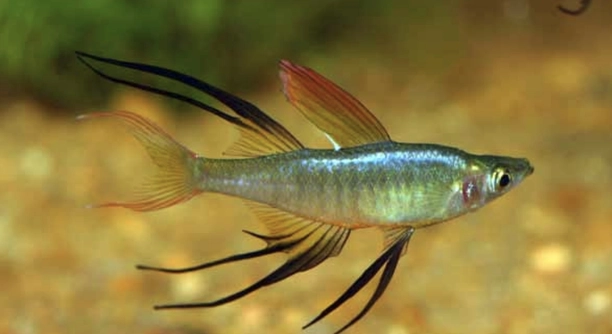
Threadfin Rainbowfish are small, shimmering fish that brighten home aquariums with their colors. Many owners notice them pausing mid-water, seemingly suspended, creating a calm and peaceful presence in the tank. Observing this behavior can be intriguing.
Threadfin Rainbowfish hover mid-water primarily due to buoyancy regulation and environmental exploration. This behavior allows them to maintain energy-efficient positions, monitor surroundings for food or threats, and communicate with tank mates, reflecting natural instincts adapted from their wild habitats.
Learning more about this subtle behavior can improve how you care for your fish. It also helps ensure a healthy and comfortable environment for your rainbowfish.
Reasons for Mid-Water Hovering
Threadfin Rainbowfish often hover mid-water as a natural part of their behavior. This posture allows them to conserve energy while remaining alert to movements in the tank. Their streamlined bodies and small size make it easy to stay suspended, relying on subtle fin movements for stability. Water temperature, tank decorations, and the presence of other fish can influence how often they hover. Some fish hover to explore their surroundings or find a comfortable spot with optimal light and water flow. Maintaining stable water conditions helps them feel secure, reducing stress that might make them dart or hide. In a well-kept aquarium, hovering is generally a sign of a relaxed and confident fish. Observing when and where they hover can give insight into their comfort levels and health. Feeding times also trigger mid-water pauses as they anticipate food, adding to this floating behavior.
Hovering allows Rainbowfish to maintain position without wasting energy, showing normal, healthy movement patterns.
Paying attention to their mid-water activity reveals patterns in feeding, social interactions, and overall comfort. This observation helps improve tank setups and ensures fish remain happy and active.
Environmental Factors Affecting Hovering
Water flow in the tank directly affects how often fish hover mid-water. Slower currents make hovering easier, while strong currents require constant fin movement.
Tank size, decorations, and plants all create areas for the fish to pause and explore. Light levels also influence their position, as Rainbowfish prefer gentle illumination. Temperature changes can make them seek more stable areas mid-water. Social behavior plays a role, with fish often hovering to communicate or observe tank mates. Overcrowding or aggressive species may reduce mid-water pauses as the fish hide or swim rapidly to avoid stress. Feeding schedules also guide hovering patterns, with fish waiting in mid-water for food to fall. By understanding these environmental influences, owners can arrange tanks to encourage natural behavior, keeping the fish active yet comfortable. Small adjustments, such as gentle filtration and strategic plant placement, can make mid-water hovering more frequent and stress-free, helping Rainbowfish maintain both health and vibrant coloration over time.
Feeding and Hovering Behavior
Rainbowfish often hover mid-water just before feeding times. They anticipate food, positioning themselves where flakes or pellets will soon fall.
This behavior is natural and reflects their instincts from the wild. In natural habitats, they often pause mid-water to spot prey or gather in schools before feeding. Even in a home aquarium, this hovering is a sign they are alert and ready. Observing their positions during feeding can help determine if all fish are receiving enough food. Providing food in consistent spots encourages healthy patterns and reduces stress. Timing and location matter, and watching these subtle movements gives insight into their well-being.
Overfeeding or inconsistent feeding can disrupt this hovering behavior. Fish may hover anxiously or dart around the tank if they are unsure when food will arrive. Maintaining regular feeding schedules keeps Rainbowfish calm, supporting natural mid-water pauses. Feeding small amounts slowly allows each fish to get its share without aggression, preserving both social harmony and healthy habits within the tank.
Health Indicators in Mid-Water Hovering
Mid-water hovering can signal good health when fish appear relaxed and active. Normal posture, smooth fin movements, and bright colors show the fish is thriving.
Changes in hovering patterns may indicate stress or illness. Fish that hang motionless for long periods, float awkwardly, or avoid other fish could be experiencing swim bladder issues, poor water quality, or nutritional deficiencies. Monitoring these patterns helps detect problems early. Tank conditions such as temperature, pH, and cleanliness play a significant role in maintaining stable behavior. Adjusting water flow, adding hiding spots, and ensuring proper diet support healthy activity.
Observing the frequency and style of mid-water hovering offers insight into social and environmental comfort. Rainbowfish use this behavior to interact with tank mates and explore their surroundings. When fish hover confidently, it reflects good water parameters, sufficient space, and minimal stress. Consistency in feeding and tank maintenance reinforces natural patterns, preventing erratic swimming or hiding. By paying attention to these signals, owners can respond quickly to potential health issues, keeping the fish lively and maintaining balance in the aquarium.
Social Interactions and Hovering
Rainbowfish hover mid-water to communicate and observe other tank mates. This behavior helps them establish social order and reduces conflicts.
They often pause to watch movements, mirror others, or signal readiness for schooling. These interactions are subtle but important for maintaining harmony in the aquarium.
Light and Temperature Effects
Lighting and water temperature influence mid-water hovering. Fish prefer gentle light that does not glare or create strong shadows. Bright lights may make them seek shelter, while dim lighting encourages natural floating. Temperature fluctuations affect metabolism, making fish hover more cautiously or become less active, reflecting comfort levels.
Tank Layout Influence
The arrangement of plants, rocks, and decorations affects hovering. Open spaces allow confident floating, while hiding spots nearby provide security.
Observation Tips
Regularly watching mid-water behavior reveals health, social interactions, and tank comfort. Subtle changes often indicate early signs of stress or environmental issues.
FAQ
Why do Threadfin Rainbowfish hover mid-water instead of swimming near the bottom?
They hover mid-water mainly to conserve energy while staying alert to their surroundings. In the wild, floating allows them to spot predators and food more efficiently. In home aquariums, mid-water hovering is natural, showing that fish feel secure and have enough space to swim freely.
Is mid-water hovering a sign of illness?
Not usually. Hovering is normal behavior, but sudden changes—such as floating awkwardly, tilting, or remaining motionless for long periods—can indicate swim bladder problems, stress, or water quality issues. Observing their overall activity, eating habits, and color will help identify health concerns early.
How does feeding affect hovering?
Rainbowfish often hover in anticipation of food. This instinctive behavior mirrors how they feed in the wild. Regular, consistent feeding encourages predictable hovering patterns, reducing stress. Overfeeding, irregular feeding, or crowded conditions can disrupt this behavior, causing frantic or erratic swimming instead of calm mid-water pauses.
Do all Rainbowfish hover the same way?
Individual differences exist. Younger fish or shy individuals may hover closer to tank decorations for safety, while dominant fish may hover openly. Group dynamics also affect hovering. In schools, synchronized mid-water pauses are common, reflecting social behavior and coordination within the tank.
Can tank setup influence mid-water hovering?
Yes. Open areas encourage confident floating, while decorations or plants nearby offer security. Gentle water flow makes hovering easier, while strong currents force constant fin movement. Light levels and temperature stability also affect comfort, influencing how often and where fish hover mid-water.
Should I be concerned if my fish hover more than usual?
Hovering more than normal can signal environmental stress or health issues. Check water parameters, temperature, and tank companions. Ensure proper diet and minimal disturbances. When fish hover calmly without signs of distress, it is usually normal behavior, indicating they feel safe and balanced in their environment.
How can I encourage natural hovering behavior?
Maintain stable water conditions, moderate light, and gentle filtration. Provide open swimming areas along with hiding spots. Feed consistently and avoid overcrowding. Observing patterns and adjusting the tank layout helps Rainbowfish hover naturally, promoting comfort, social interaction, and healthy energy use.
Do Rainbowfish use hovering to interact socially?
Yes. Mid-water pauses allow them to observe, follow, or signal other fish. Hovering can indicate curiosity, readiness to school, or establishing social order. Subtle movements and positioning often communicate dominance, submission, or awareness, helping maintain harmony among tank mates.
Can hovering change with seasons or age?
Age and maturity affect behavior. Younger fish may hover cautiously near cover, while adults float more confidently. Seasonal variations in natural habitats influence energy levels, feeding, and activity. In aquariums, maintaining stable conditions minimizes abrupt changes, but some behavioral shifts are natural as fish grow.
Is mid-water hovering unique to Threadfin Rainbowfish?
While common in Threadfin Rainbowfish, many other small schooling fish display similar behavior. It is an adaptation to balance energy efficiency, alertness, and social interaction. The patterns may differ slightly between species, but mid-water pauses are widely recognized as a healthy, natural behavior.
How long should mid-water hovering last?
There is no strict duration. Fish may hover briefly before swimming actively or for longer periods during calm observation or feeding anticipation. Extended hovering is normal if accompanied by relaxed posture and normal fin movement. Sudden, erratic, or unbalanced floating should be investigated.
What role does tank temperature play in hovering?
Temperature affects metabolism and activity. Warmer water can increase movement and feeding anticipation, while cooler water slows activity, making hovering appear longer or more frequent. Stable, appropriate temperatures for Threadfin Rainbowfish support normal energy use, comfort, and natural mid-water behavior.
Can stress reduce hovering behavior?
Yes. Aggressive tank mates, overcrowding, or poor water quality can make fish avoid mid-water, hiding near surfaces or decorations instead. Reducing stressors, maintaining clean water, and providing secure open areas encourages confident floating and normal social interactions.
Does diet influence hovering?
Balanced nutrition supports energy levels and natural behaviors. Poor diet may cause lethargy or abnormal swimming, affecting mid-water pauses. Feeding a mix of high-quality flakes, live, or frozen foods helps maintain alertness, active hovering, and overall well-being.
How do I monitor mid-water hovering effectively?
Observe fish at different times of day, during feeding, and while swimming freely. Take note of posture, fin movement, and interactions. Minor variations are normal, but consistent changes may indicate environmental or health issues. Regular observation ensures that the fish remain comfortable and healthy.
Final Thoughts
Threadfin Rainbowfish are small but fascinating fish. Their mid-water hovering behavior is natural and reflects comfort, alertness, and social awareness. Observing them float calmly in the tank shows that they feel safe and have enough space to move freely. Hovering is not a random behavior—it serves multiple purposes. It helps them conserve energy while keeping an eye on their surroundings. It also allows them to anticipate food and interact with other fish in subtle ways. These small pauses in the water can reveal a lot about their overall well-being, tank conditions, and social dynamics. By paying attention to how often and where your Rainbowfish hover, you can understand their comfort level and make small adjustments to improve their environment.
Maintaining proper tank conditions is key to supporting this natural behavior. Stable water temperature, gentle filtration, and regular feeding schedules all encourage healthy mid-water hovering. Open swimming areas combined with some decorations or plants provide both comfort and security. When fish feel secure, they hover confidently, interact with their tank mates, and show vibrant colors. Changes in hovering patterns can signal stress, illness, or discomfort, so regular observation is important. Watching how your fish respond to light, water flow, and tank mates can help you notice subtle shifts that might need attention. Even small adjustments, like relocating a decoration or adjusting the light intensity, can make a noticeable difference in their behavior.
Understanding mid-water hovering also helps in promoting long-term health. It reflects their social behavior, energy management, and general adaptation to the aquarium. Confident hovering shows that your fish are comfortable, while erratic or unusual floating may indicate problems that need addressing. Paying attention to these details can prevent bigger issues, such as stress-related illness or aggressive interactions. Observing Rainbowfish as they move, feed, and interact provides insights into their needs and personalities. By maintaining stable conditions, providing proper nutrition, and allowing enough space, you create an environment that supports natural behavior. In the end, mid-water hovering is not just a charming quirk—it is a valuable signal of healthy, happy Rainbowfish thriving in a well-maintained tank.

Hello,
If you enjoy the content that we create, please consider saying a "Thank You!" by leaving a tip.
Every little bit helps us continue crafting quality advice that supports the health, happiness, and well-being of pets around the world, for pets of all shapes, sizes, and species.
We really appreciate the kindness and support that you show us!