
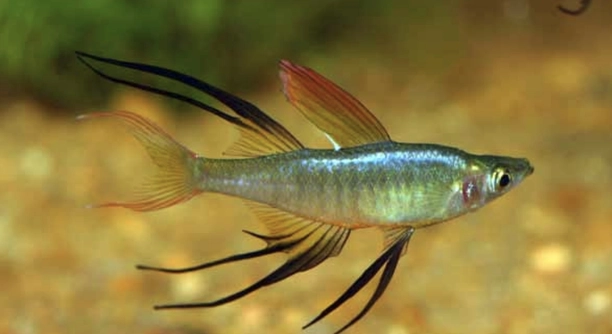
Twitching fins in Threadfin Rainbowfish can be worrying for fish keepers who want their pets healthy and active. Noticing these sudden movements may feel confusing, especially when your fish usually swims calmly around the tank.
Twitching fins in Threadfin Rainbowfish are often caused by environmental stressors, poor water quality, infections, parasites, nutritional deficiencies, or physical injuries. Identifying the underlying cause is essential for preventing further health issues and ensuring the fish’s overall well-being.
Understanding what triggers these spasms can help you maintain a stable and comfortable environment. Addressing these causes early improves your fish’s health and prevents long-term complications that may affect their activity and lifespan.
Poor Water Quality
Maintaining clean water is one of the most important things for Threadfin Rainbowfish. When water contains high levels of ammonia, nitrites, or nitrates, fish often show signs of stress, including twitching fins. I remember my first tank setup where I overlooked regular water changes. The fish began flicking their fins constantly, and I didn’t realize how much water quality affects their behavior. Filtration alone isn’t always enough; consistent testing and partial water changes help keep the tank stable. Temperature fluctuations or sudden changes in pH can also trigger fin twitching. Using a reliable water testing kit made a big difference in noticing issues before the fish became too stressed. Even minor debris or leftover food can degrade water quality over time. Removing uneaten food promptly and cleaning the substrate weekly helped my fish settle into a calmer swimming pattern. Clear, stable water supports healthy fins, bright colors, and active movement, reducing twitching significantly and preventing illness.
Fish exposed to poor water conditions frequently twitch their fins as a stress response. Regular monitoring and maintenance are essential for preventing health problems.
Clean water doesn’t just prevent twitching; it also encourages natural behavior and growth. Regular partial water changes of about 20–25% each week help maintain water clarity and chemical balance. Introducing live plants can improve water oxygen levels and absorb excess nutrients. I also found that avoiding overcrowding made a huge difference. Each fish had enough space to swim freely, reducing stress-induced twitching. Using a gentle filter prevented strong currents, which sometimes caused fin spasms. Monitoring temperature carefully and avoiding sudden shifts made the fish calmer and more active. Even small adjustments in tank lighting or decorations affected fin behavior. Over time, I noticed the fish’s fins stayed smooth and movements were more relaxed. Observing changes daily allowed me to act quickly when any water parameters were off. Proper water management not only resolves twitching but also enhances the fish’s overall health and appearance, creating a more balanced and peaceful tank environment.
Nutritional Deficiencies
Threadfin Rainbowfish need a balanced diet to stay healthy. Poor nutrition can lead to twitching fins and weak muscles.
Feeding a variety of high-quality flakes, pellets, and occasional live food helps prevent deficiencies.
A diet lacking essential vitamins, proteins, or fatty acids often shows in fin behavior. I once relied only on flakes for my fish, thinking they provided enough nutrients. Soon, I noticed twitching and lethargy. Adding frozen brine shrimp and daphnia restored energy and improved fin movement within weeks. Nutrients like vitamin C and omega-3 fatty acids are vital for tissue repair and proper muscle function. Overfeeding can also cause issues, leading to water pollution that indirectly stresses fins. Rotating foods and occasionally supplementing with vitamins keeps the fish strong and reduces twitching. Feeding smaller portions more frequently mimics natural feeding patterns, promoting consistent energy levels. Observing your fish during feeding can reveal subtle signs of deficiency or distress. Adequate nutrition not only prevents fin twitching but also enhances coloration, activity, and resilience against diseases, contributing to long-term vitality in the tank.
Parasites
Parasites can irritate fins and skin, causing twitching in Threadfin Rainbowfish. External parasites like ich or flukes attach to fins, making small, quick movements more frequent.
Identifying parasites early is important. I once noticed my fish flicking its fins unusually and discovered tiny white spots on its body. Treating the tank with appropriate anti-parasitic medication cleared the infection within days. Regular observation and quarantining new fish prevented further outbreaks. Parasites not only stress the fish but can also weaken their immune system, making them more prone to other health issues. Keeping a clean tank, avoiding overstocking, and inspecting new additions helps reduce parasite risks. I learned that even small infestations can escalate if ignored, so acting promptly is essential. Parasite management is an ongoing task, but it ensures healthy fins and active swimming behavior.
Persistent fin twitching due to parasites requires immediate attention. Untreated infestations can lead to secondary infections or tissue damage. Removing infected fish to a quarantine tank and treating the main tank simultaneously helped my fish recover faster. Observation during treatment is crucial to adjust dosage or method if necessary.
External parasites are only part of the problem; some internal parasites also stress Threadfin Rainbowfish. Symptoms include bloating, sluggish swimming, or unusual feeding behavior. Administering the correct deworming treatment improved overall health and stopped fin twitching. I noticed fin twitching almost disappeared once all parasites were cleared, showing how much they affect daily movement. Consistent tank maintenance, avoiding contaminated live food, and monitoring all fish in the tank prevents reinfection. Awareness of both external and internal parasites allows early intervention and prevents long-term damage. Ensuring clean water, balanced diet, and quarantine measures keeps parasites under control, making fin twitching much less likely and improving overall vitality.
Physical Injuries
Accidental bumps or aggressive tank mates can injure fins, causing twitching. Threadfin Rainbowfish often twitch fins when healing from minor cuts or tears.
Injuries can happen if decorations have sharp edges or fish are too crowded. I once added a new ornament with rough surfaces, and my fish immediately showed signs of fin twitching. Isolating the injured fish and smoothing the edges helped recovery. Fins grow back slowly, and twitching may persist until fully healed. Using gentle water flow and avoiding aggressive tank mates also reduces chances of injury.
Preventing injuries is easier than treating them. Rounded decorations, adequate swimming space, and observing interactions can minimize fin damage. Even minor fin tears can lead to infection if not monitored. I make it a habit to check fins during routine maintenance. Keeping the tank calm and injury-free ensures fin twitching due to physical harm is rare. Healing fin tissue requires patience and stable conditions. I noticed recovery improved when water quality was excellent and stress was minimized, showing how environment affects healing. Regular observation and preventive measures keep Threadfin Rainbowfish active and healthy, with smooth, untwitching fins.
Stress
Stress from sudden changes in the tank can trigger fin twitching in Threadfin Rainbowfish. Moving decorations, sudden lighting changes, or adding new fish often cause visible twitching and restlessness.
Overcrowding and aggressive tank mates also increase stress. I once noticed my fish twitching more after introducing a new, larger fish. Separating the fish temporarily helped calm the tank.
Water Temperature Fluctuations
Threadfin Rainbowfish are sensitive to temperature changes. Sudden drops or spikes can cause twitching fins and erratic swimming. I experienced fin twitching after forgetting to adjust a heater during a winter cold snap. Maintaining a steady temperature, ideally between 24–28°C, stabilizes behavior. Consistent monitoring prevents fin stress and related health issues.
Poor Oxygen Levels
Low oxygen in the tank can make fish twitch their fins as they struggle to breathe. Adding an air stone or increasing water surface agitation quickly helps improve oxygenation. Regularly checking oxygen levels ensures fish remain active and fin twitching is minimized.
FAQ
Why are my Threadfin Rainbowfish twitching their fins suddenly?
Sudden fin twitching is usually a response to stress, poor water quality, parasites, or minor injuries. I’ve seen this happen in my tank after adding a new decoration or when water parameters shifted unexpectedly. Observing behavior alongside water testing often helps identify the cause quickly.
Can diet affect fin twitching?
Yes, nutrition plays a big role. A lack of vitamins, proteins, or fatty acids can weaken fins and muscles, causing twitching. I noticed that adding frozen brine shrimp and occasional live food improved my fish’s fin movement within a few weeks. Balanced feeding helps prevent repeated twitching.
How can I tell if parasites are causing twitching?
Parasites often leave visible signs such as white spots, redness, or frayed fins. I once had a fish flicking its fins constantly and found tiny flukes on the skin. Early detection is important. Quarantining new fish and observing behavior reduces the risk of infestations.
Do water changes help with fin twitching?
Absolutely. Regular partial water changes maintain chemical balance and reduce stress. I changed 20–25% of my tank water weekly, and fin twitching became much less frequent. Stable temperature, pH, and clean water prevent most environment-related fin spasms.
Can aggressive tank mates cause twitching?
Yes. Overcrowding or aggressive fish can stress Threadfin Rainbowfish, leading to twitching fins. I’ve separated aggressive new fish to calm the tank. Providing enough swimming space and hiding spots ensures the fish feel safe and reduces fin-related stress behaviors.
How long does fin twitching last after treatment?
It depends on the cause. With proper water conditions, parasite treatment, or diet adjustments, twitching usually improves within a few days to weeks. I’ve noticed fin tissue heals faster when water quality is optimal and stress is minimized. Patience is key.
Are injuries reversible in Threadfin Rainbowfish?
Minor injuries like fin tears usually heal completely. I’ve smoothed decorations and isolated injured fish, and within a couple of weeks, fin twitching stopped. Maintaining a calm environment and clean water supports faster recovery. Avoiding rough surfaces and aggressive tank mates prevents repeat injuries.
Can oxygen levels influence fin twitching?
Low oxygen can make fins twitch as fish struggle to breathe. I added an air stone and increased surface agitation, and fin movement became normal. Proper aeration is important, especially in densely planted or heavily stocked tanks. Monitoring oxygen ensures the fish stay active and healthy.
Is temperature instability a common cause?
Yes, sudden changes in water temperature can trigger fin twitching. I once left a heater unadjusted during a cold spell, and my fish became restless. Maintaining a stable temperature range between 24–28°C is essential for reducing stress and supporting smooth fin movement.
Can stress alone cause long-term fin problems?
Stress itself rarely causes permanent fin damage, but prolonged stress can weaken the immune system, making the fish more vulnerable to infections or injuries. I always monitor new additions and environmental changes carefully to prevent ongoing fin twitching. A stable, calm tank is key.
Should I consult a vet if twitching persists?
If fin twitching continues despite addressing water quality, diet, parasites, and injuries, a fish veterinarian can help. I once contacted an aquatic vet for persistent twitching, and professional guidance identified a minor infection I hadn’t noticed. Early intervention prevents more serious health issues.
Can I prevent twitching entirely?
Complete prevention isn’t guaranteed, but consistent tank maintenance, balanced diet, stable temperature, proper oxygenation, and careful observation significantly reduce the chances. I follow these routines, and my fish remain healthy with minimal twitching. Consistency and attention are the best preventive measures.
How often should I check water parameters?
I check ammonia, nitrite, nitrate, and pH at least twice a week. Any fluctuations can quickly stress Threadfin Rainbowfish. Keeping a log helps track trends and catch problems before fin twitching appears. Early adjustments prevent stress and long-term health problems.
Are there specific signs to watch for alongside fin twitching?
Yes. Signs like lethargy, loss of appetite, frayed fins, discoloration, or unusual swimming patterns often accompany fin twitching. I monitor these closely. Catching multiple signs together usually indicates a more serious issue, helping me address it quickly before it worsens.
Does tank size affect fin twitching?
Smaller or overcrowded tanks increase stress and fin injuries, leading to twitching. I provide at least 20 gallons for a small group of Threadfin Rainbowfish, allowing room to swim freely. Adequate space reduces stress and keeps fins healthy over time.
How do I know if twitching is normal behavior?
Occasional twitching can happen during normal activity or excitement. I noticed small flicks during feeding, which didn’t indicate any problem. Persistent, repeated twitching paired with other stress signs usually points to environmental or health issues. Observing patterns helps determine whether it’s harmless or concerning.
Can tank decorations cause twitching?
Yes. Sharp edges or rough surfaces can injure fins and trigger twitching. I learned to smooth decorations and provide soft plants, which greatly reduced fin injuries. Choosing safe materials and placing them carefully ensures fish swim comfortably without risk.
Is quarantine necessary for new fish?
Quarantining new additions prevents parasites or infections from spreading, which can cause fin twitching. I always isolate new fish for at least two weeks. This step helps maintain tank health and prevents unnecessary stress or injury to existing fish.
How does light intensity affect fin behavior?
Excessively bright or sudden changes in light can stress fish, resulting in twitching. I use a gradual light timer and moderate brightness, which helps my Threadfin Rainbowfish stay calm. Consistent lighting reduces unnecessary stress responses and supports normal fin movement.
Can fin twitching signal serious illness?
Yes. Persistent twitching combined with lethargy, discoloration, or loss of appetite may indicate bacterial or fungal infections. I once caught a small infection early by noticing fin spasms. Prompt treatment prevents worsening and ensures fish recover fully.
What maintenance habits prevent twitching long-term?
Regular water changes, feeding a varied diet, monitoring tank conditions, and observing behavior are key. I also ensure decorations are safe and new fish are quarantined. These routines reduce stress, prevent injuries, and help Threadfin Rainbowfish maintain healthy, smooth fins consistently.
How do I help fish recover after twitching?
Stabilizing water quality, addressing parasites, ensuring proper nutrition, and reducing stress supports recovery. I isolate injured or stressed fish temporarily, keeping them in a calm, clean environment. Recovery is faster when all environmental and dietary factors are optimal, and twitching usually stops within days to weeks.
Are there signs of improvement I should watch for?
Yes. Reduced fin flicking, more relaxed swimming, brighter coloration, and increased activity indicate recovery. I track daily behavior to ensure treatments are effective. Observing small improvements helps me adjust care routines and prevent recurring twitching episodes.
Can multiple causes occur at once?
Absolutely. Poor water quality, stress, diet deficiencies, and minor injuries can combine to trigger fin twitching. I’ve experienced overlapping issues in my tank, and addressing all factors simultaneously led to the best results. Multi-factor management is often necessary for complete improvement.
Does age affect fin twitching?
Younger or weaker fish may twitch more when stressed, while older fish may recover slower. I noticed juvenile Threadfin Rainbowfish are more sensitive to water changes and new tank mates. Adjusting care to their age and size helps minimize twitching and supports healthy development.
How often should I monitor behavior?
Daily observation is ideal. I watch feeding, swimming, and interactions to catch early signs of fin twitching. Regular monitoring helps detect stress or health problems before they become severe, allowing timely adjustments to care and environment.
Can changing tank mates help?
Yes. If aggression or stress from other fish causes twitching, rearranging or separating tank mates can calm the tank. I have moved aggressive fish to another tank and immediately noticed reduced fin flicking. Compatibility and space are crucial for peaceful cohabitation.
Does tank cleaning frequency matter?
Yes. Regular cleaning prevents buildup of waste and toxins that stress fish. I vacuum the substrate weekly and rinse filters as needed. Consistent maintenance keeps water quality stable, which directly reduces fin twitching and promotes overall health.
How long after treatment should I expect results?
Fin twitching may improve within a few days for minor causes but can take weeks for infections or injuries. I monitor fish closely during this period, adjusting care as needed. Patience and consistency are essential to full recovery.
Is fin twitching common in all Threadfin Rainbowfish?
It can occur in any individual, especially under stress, poor water conditions, or dietary issues. I’ve seen some fish more sensitive than others. Regular care, monitoring, and preventive measures make it less common, but occasional twitching may still appear under certain conditions.
Can supplements prevent twitching?
Certain vitamins and fatty acids can strengthen fins and muscles. I occasionally add a vitamin-enriched supplement to my fish’s diet, which supports overall health. While not a cure for stress or parasites, proper supplementation reduces the likelihood of diet-related fin twitching.
How do I handle persistent twitching despite all care?
Consulting an aquatic vet is best. Persistent twitching may indicate hidden infections or internal issues. I once sought professional advice for ongoing twitching, and treatment corrected a minor bacterial problem. Timely professional intervention ensures the fish remain healthy and fin behavior returns to normal.
Can environmental enrichment reduce twitching?
Yes. Plants, hiding spots, and open swimming areas reduce stress and prevent twitching. I added soft plants and rearranged decorations to give my fish choice in movement and hiding. Comfortable environments make fish calmer and help maintain smooth, healthy fins.
Should I track fin twitching patterns?
Tracking patterns helps identify triggers. I keep a small log noting when twitching occurs, water changes, feeding, or new additions. This method makes it easier to pinpoint causes and prevent recurrence, ensuring my fish remain healthy and stress-free.
Can seasonal changes affect fin twitching?
Yes. Seasonal temperature or light changes can stress fish. I noticed more twitching in winter before adjusting heaters and lighting. Maintaining stable conditions year-round prevents environmental stress and keeps fins healthy.
Do sick fish recover fully from fin twitching?
Most do if the underlying cause is treated. I’ve seen fish regain normal fin movement after addressing water quality, diet, or parasites. Consistent care and observation are key to full recovery and preventing long-term fin problems.
Are there tools to help monitor fin twitching?
Observation logs, water testing kits, and timers for lighting or feeders help maintain stable conditions. I use these tools to track health and behavior. They make it easier to catch early signs of twitching and address problems promptly.
Can stress from handling cause twitching?
Yes. Frequent handling or netting can stress fish, resulting in twitching. I minimize handling to necessary occasions like tank cleaning or health checks. Gentle and minimal interaction helps keep fins calm and reduces stress-related twitching.
Do Threadfin Rainbowfish in community tanks twitch more?
They may, depending on tankmates and conditions. I noticed my fish twitched more when housed with larger or aggressive species. Careful selection of compatible tankmates and ample space minimizes twitching and supports peaceful interactions.
Is there a difference in twitching between male and female fish?
Not significantly, though males may show more visible stress during breeding periods. I observed slight increases in fin twitching during these times. Understanding natural behaviors helps distinguish between stress-induced twitching and normal activity.
Can changing water source help?
Yes. Tap water with high chlorine or heavy metals can stress fish. I use dechlorinated water and test parameters before adding it to the tank. Consistent, safe water prevents twitching related to chemical stressors.
Should I quarantine after twitching episodes?
If twitching is linked to infection or parasites, temporary quarantine helps contain potential spread. I isolate affected fish and treat both quarantine and main tanks when necessary, reducing risk to others and aiding recovery.
How do I maintain fin health long-term?
Regular cleaning, stable conditions, balanced diet, proper tank mates, and monitoring behavior are essential. I follow these steps consistently. Long-term care prevents most causes of fin twitching and ensures Threadfin Rainbowfish remain active and healthy.
Can stress from moving tanks cause twitching?
Yes. Relocating tanks or rearranging aquariums can shock fish. I noticed twitching after moving a tank during renovation. Gradual adjustments and maintaining familiar water parameters reduce stress and help fins recover quickly.
Does fin twitching indicate pain?
Minor twitching often reflects irritation or stress rather than pain. I observed twitching after minor injuries, which resolved with care. Severe or persistent twitching, combined with other signs, may indicate discomfort requiring treatment.
Can medications themselves cause twitching?
Some treatments may temporarily stress fish, causing mild fin twitching. I carefully follow dosage instructions and monitor behavior. Adjusting water conditions and minimizing handling during treatment helps reduce side effects while addressing the primary issue.
How important is observation compared to testing water?
Both are equally important. I check water parameters and observe behavior daily. Fin twitching is often the first sign of hidden issues, making careful observation as crucial as water testing for early intervention.
Does fin twitching occur at night?
Sometimes. Twitching may appear during resting periods if water quality or oxygen is poor. I monitor tanks with dim lighting at night to catch subtle movements. Nighttime twitching can signal stress or environmental issues needing correction.
Can breeding stress cause twitching?
Yes. Males and females may twitch during courtship or egg-laying periods. I noticed increased fin movement during these times. Providing hiding spaces and reducing tank stress helps minimize twitching related to breeding behaviors.
Is fin twitching reversible in older fish?
Usually, yes. Older fish may recover slower, but improving water quality, diet, and reducing stress restores fin movement. I’ve seen elderly Threadfin Rainbowfish regain smooth fins after consistent care, though patience is needed.
Do stress and disease overlap in causing twitching?
Often. Stress weakens immunity, making fish more prone to infections, which worsen fin twitching. I address both environmental and health factors together for best results. Stabilizing conditions while treating disease promotes recovery and prevents recurrence.
How can I track improvement effectively?
Daily notes on fin movement, swimming patterns, feeding, and coloration help track recovery. I keep a small journal during treatment periods. This approach helps measure progress, adjust care, and confirm that twitching resolves fully.
Is it normal for twitching to fluctuate?
Minor fluctuations can occur during feeding or excitement. Persistent or repeated twitching is concerning. I distinguish between harmless flicks and stress-related twitching by observing duration, frequency, and accompanying signs.
Can multiple tanks help prevent twitching?
Separating sensitive fish into smaller, calm tanks can reduce stress-induced twitching. I use quarantine or hospital tanks when treating fish, allowing targeted care while preventing spread of parasites or infection.
Does fin twitching affect overall activity?
Yes. I noticed fish with twitching fins often swim less or avoid open areas. Resolving the cause improves activity levels, making them more responsive and energetic, reflecting better overall health.
Are there long-term consequences if ignored?
Persistent twitching left untreated can lead to infections, fin rot, or weakened muscles. I learned that timely intervention prevents these problems. Ignoring early signs increases the risk of serious health issues.
Can stress from tank vibrations cause twitching?
Yes. External vibrations from nearby appliances or movement can trigger fin twitching. I noticed temporary twitching when a washing machine ran nearby. Minimizing vibrations helps keep fish calm and reduces unnecessary fin stress.
Do all Threadfin Rainbowfish react the same way?
Individual sensitivity varies. Some fish twitch more under minor stress, while others remain calm. I observe each fish carefully to understand personal thresholds, allowing me to adjust care for optimal health.
Can sudden noise affect fin twitching?
Loud or sudden sounds can startle fish, causing brief twitching. I keep noise levels moderate around the tank. Minimizing disturbances reduces stress-related fin twitching and promotes steady swimming behavior.
Are there signs that twitching is improving?
Yes. Less frequent flicks, relaxed swimming, and consistent feeding indicate recovery. I monitor these changes daily, noting progress to confirm treatments or environmental adjustments are working effectively.
Should I separate fish with twitching from healthy ones?
If twitching is linked to infection or parasites, temporary separation is wise. I isolate affected fish while treating both tanks. This prevents spread and helps the affected fish recover faster without additional stress.
Can decorations or substrate type affect twitching long-term?
Yes. Sharp or rough surfaces cause repeated injuries, leading to chronic twitching. I switched to smooth ornaments and fine substrate, reducing fin damage over time. Safe tank setup supports long-term fin health and stress-free swimming.
Is twitching more common in newly purchased fish?
Yes. New fish often experience stress from transportation, acclimation, or unknown parasites. I quarantine new arrivals and monitor behavior closely. Gradual acclimation and careful observation help reduce fin twitching in new fish.
Can seasonal feeding changes influence twitching?
Yes. Changes in diet quality or feeding frequency can stress fish. I maintain consistent nutrition year-round, adjusting only for growth or specific health needs. Stable feeding prevents diet-related fin twitching.
How do I balance multiple preventive measures?
Water maintenance, diet, tank mates, oxygenation, temperature, and observation all matter. I prioritize consistent routines and track each factor. Coordinating care ensures reduced fin twitching and supports overall fish health efficiently.
Can stress from tank maintenance trigger twitching?
Yes. Sudden cleaning, water changes, or rearrangements may cause temporary twitching. I perform maintenance slowly, adjusting temperature and flow gradually. Calm handling helps keep fish fins steady and reduces stress reactions.
Is twitching ever harmless?
Occasional, brief flicks during feeding or play are usually harmless. I focus on persistent or repetitive twitching, which typically signals environmental or health issues needing attention.
Does tank lighting schedule matter long-term?
Yes. Regular lighting supports normal behavior and reduces stress. I use timers to maintain consistency, preventing stress-related twitching and promoting steady activity and healthy fins.
Can fin twitching indicate social hierarchy issues?
Yes. Dominant or aggressive fish can stress others, leading to twitching. I observed minor fin flicking in submissive fish until I added hiding spots and adjusted group dynamics. Proper tank design reduces conflict and fin-related stress.
How do I differentiate excitement from stress twitching?
Excitement usually causes brief, occasional flicks during feeding or play. Stress twitching is repetitive, persistent, or accompanied by lethargy, color changes, or frayed fins
Write in simplistic style 3 paragraphs for the header: Final Thoughts. Use a neutral tone. (write at least 400 words)

Hello,
If you enjoy the content that we create, please consider saying a "Thank You!" by leaving a tip.
Every little bit helps us continue crafting quality advice that supports the health, happiness, and well-being of pets around the world, for pets of all shapes, sizes, and species.
We really appreciate the kindness and support that you show us!