
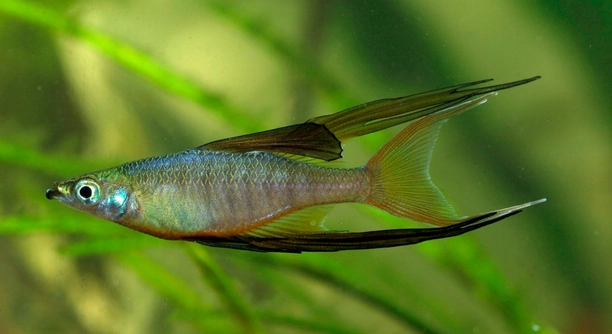
Have you ever wondered how threadfin rainbowfish behave in their home aquariums? These small, shimmering fish bring life to any tank, and understanding their comfort can make caring for them much easier and more rewarding.
Threadfin rainbowfish do not strictly require live plants to feel secure, but having them can significantly reduce stress and provide natural hiding spots. Incorporating plants into their environment mimics natural habitats, promoting healthier behavior and overall well-being.
Providing the right environment can make a noticeable difference in your fish’s comfort and happiness, ensuring a more balanced and enjoyable aquarium experience.
Why Plants Can Help Threadfin Rainbowfish Feel Secure
Threadfin rainbowfish are naturally active swimmers, but they can become stressed if their environment feels too open or exposed. Adding live or artificial plants gives them areas to hide and rest, which lowers anxiety and encourages natural behavior. Plants also create shaded spots and break up the line of sight, making fish feel safer. Many aquarists notice that when plants are present, fish are more colorful and active. Even simple arrangements with tall, leafy stems or floating plants can make a difference. Plants can also help maintain water quality by absorbing nitrates and providing surfaces for beneficial bacteria. Beyond aesthetics, a planted tank supports both physical and psychological health. Threadfin rainbowfish use these spaces to retreat when startled, rest between bursts of swimming, or explore quietly, which contributes to a calmer, healthier tank environment. Creating a mix of open swimming areas and planted zones balances their needs.
A planted tank reduces aggression and provides natural hiding spaces for shy or smaller fish in the group.
Plants influence fish behavior, stress levels, and overall well-being. A balanced environment allows threadfin rainbowfish to display natural patterns and maintain better health.
Choosing the Right Plants for Your Tank
Not all plants are equally suitable for threadfin rainbowfish tanks.
Soft-leaved plants like Java fern, Anubias, and hornwort are ideal because they are less likely to be torn by active swimmers. Floating plants, such as duckweed, can provide cover near the surface and diffuse light, creating a more comfortable atmosphere. Arranging plants in clusters at the back or sides of the aquarium gives the fish open areas in the center to swim freely while still offering retreats. Some hardy plants can also tolerate moderate water movement and varying light conditions, reducing the need for constant maintenance. Additionally, live plants contribute to oxygen levels and help stabilize water chemistry, indirectly supporting fish health. Even artificial plants can provide shelter, though they lack the ecological benefits of real plants. When setting up a planted environment, consider layering heights, using dense foliage near corners, and leaving open spaces for exercise. Proper plant selection and placement lead to a visually appealing, secure habitat.
Plants can be combined for texture, color, and function to create a comfortable environment for your fish.
Selecting durable, low-maintenance plants ensures threadfin rainbowfish thrive while minimizing stress and tank upkeep. Proper arrangements encourage natural swimming, hiding, and interaction, supporting both behavior and health. A mix of foreground, midground, and background plants allows the fish to navigate freely while accessing cover when needed. Floating plants can soften lighting and offer additional refuge for timid individuals. Even in a small tank, strategic placement improves perceived safety and encourages confidence among the fish. Using live plants brings ecological benefits that artificial ones cannot match, including oxygenation, nitrate absorption, and a habitat for beneficial microorganisms. Observing how fish interact with the plants can help adjust density or placement, creating a more tailored environment. With thoughtful selection and layout, threadfin rainbowfish feel secure, display natural behavior, and contribute to a lively, dynamic aquarium.
Tank Setup Tips for Threadfin Rainbowfish
A mix of open swimming space and planted areas works best. Moderate lighting and gentle water flow create comfort without overwhelming the fish. Substrate can be fine gravel or sand to support plant roots and natural behavior.
Placing taller plants toward the back and sides of the aquarium allows threadfin rainbowfish to explore freely while having hiding spots nearby. Floating plants can diffuse light, creating shaded areas that reduce stress. Rocks or driftwood can also provide cover and break up the line of sight. Regular maintenance, including trimming plants and cleaning substrate, ensures water quality remains stable. Combining open zones with dense plant clusters helps balance activity and security, encouraging healthier behavior and vibrant coloration. Observing how your fish interact with plants may guide adjustments to placement or density for maximum comfort.
Temperature, pH, and filtration also play important roles in comfort. Keeping stable water conditions minimizes stress and supports a thriving planted environment.
Behavior Changes in Planted vs. Bare Tanks
Threadfin rainbowfish are more confident and active in a planted tank. They often explore more and show brighter colors when hiding spots are available.
In bare tanks, fish may become skittish and stay near the middle or bottom to feel secure. Lack of cover increases stress, which can lead to weaker immune responses and less vibrant coloration. Even minimal planting, like a few floating plants or a small cluster in the corner, can reduce anxiety. Fish use these plants to rest between bursts of swimming, explore without fear, and interact socially with group members. Stress reduction from plants directly impacts feeding behavior, energy levels, and general health, making observation easier and care more rewarding. A planted tank provides a sense of security that mimics natural habitats, promoting natural patterns and reducing erratic or defensive swimming behaviors.
Adding plants encourages social interaction, calmer behavior, and natural movement patterns, helping threadfin rainbowfish display their full potential in captivity.
Plant Density and Fish Comfort
Higher plant density offers more hiding spots and reduces stress for threadfin rainbowfish. Dense areas let shy fish feel safe while allowing active swimmers to navigate open spaces comfortably.
Too few plants can leave fish exposed, causing nervous behavior. Even a few well-placed plants improve confidence, encourage exploration, and promote natural swimming patterns.
Choosing Between Live and Artificial Plants
Live plants improve water quality by absorbing nitrates and offering natural surfaces for beneficial bacteria. They provide a dynamic environment that grows and changes, giving fish a more natural feel. Artificial plants are easier to maintain but lack ecological benefits, though they still provide hiding spaces and visual barriers for security.
Placement Matters
Position taller plants near the back or corners, leaving open swimming areas in the center. Proper placement balances security and activity, helping threadfin rainbowfish feel comfortable.
FAQ
Do threadfin rainbowfish absolutely need plants in their tank?
Threadfin rainbowfish do not absolutely require plants, but having them greatly improves their comfort and security. Plants give them places to hide, rest, and feel safe. Even a few simple plants can help shy fish relax and reduce stress levels, supporting natural swimming and social behavior.
Can artificial plants provide the same benefits as live plants?
Artificial plants provide hiding spots and visual barriers, helping fish feel secure. However, they do not improve water quality or offer surfaces for beneficial bacteria like live plants do. While artificial plants are easier to maintain, live plants offer both ecological benefits and a more natural environment for the fish.
What types of live plants are best for threadfin rainbowfish?
Soft-leaved plants such as Java fern, Anubias, and hornwort work well because the fish are less likely to damage them. Floating plants like duckweed or frogbit provide shade and diffuse light, creating calm areas in the tank. Combining foreground, midground, and background plants ensures a balanced habitat.
How many plants should I add to the tank?
A moderate density is ideal. Too few plants can leave the fish feeling exposed, while too many can limit swimming space. Clustering plants along the back and sides, while leaving open areas in the center, allows fish to explore freely while still having safe zones to retreat to when needed.
Do plants affect the behavior of threadfin rainbowfish?
Yes, plants have a noticeable impact. Fish in planted tanks are more confident, active, and colorful. They use plants to hide, rest, and interact socially. In bare tanks, they may be skittish, hiding near the bottom or middle of the tank. Proper planting encourages natural behaviors and reduces stress-related issues.
Are floating plants necessary for security?
Floating plants are not strictly necessary but can enhance security. They diffuse light, soften harsh lighting, and create shaded areas for timid fish. Even a few floating plants can make a big difference in reducing stress and encouraging comfortable exploration of the tank.
How should plants be arranged in the tank?
Taller plants should be positioned at the back or corners, with medium and shorter plants in the middle and front areas. Open spaces in the center allow for active swimming. Floating plants can be spread over shaded areas. Observing the fish helps determine if adjustments are needed for better comfort and movement.
Will plants affect water quality?
Live plants improve water quality by absorbing nitrates, providing surfaces for beneficial bacteria, and producing oxygen. They support a healthier environment for the fish. Artificial plants do not affect water quality but still offer visual and physical security, helping fish feel more comfortable in their habitat.
Do threadfin rainbowfish hide in plants even if they feel safe?
Yes, hiding is a natural behavior, not just a reaction to stress. Fish use plants to rest, explore quietly, or interact with other fish. Providing plants allows them to engage in these behaviors naturally, improving overall well-being and helping maintain energy for swimming and social activity.
Can too many plants be harmful?
Too many plants can restrict swimming space, reducing activity and potentially causing stress for active species like threadfin rainbowfish. A balance between open areas and planted zones is essential. Strategic placement and plant variety help maintain freedom of movement while still providing necessary cover and security.
Do plants influence feeding habits?
Yes, plants can make fish feel more confident, which improves feeding behavior. Fish in planted tanks often feed more eagerly because they feel secure. Plants also provide cover for shy individuals, ensuring that timid fish have safe access to food without being intimidated by more dominant tankmates.
How do I maintain plants for the fish’s comfort?
Regular trimming, removing dead leaves, and cleaning substrate around plants helps maintain water quality and ensures the plants remain safe and attractive for fish. Observing fish behavior can guide adjustments in plant placement or density, ensuring the tank remains both secure and stimulating for threadfin rainbowfish.
This FAQ provides clear answers to common questions, ensuring that your threadfin rainbowfish feel secure, thrive in their environment, and display natural behavior consistently. Proper plant selection, placement, and maintenance directly contribute to the fish’s comfort, activity, and overall health.
Final Thoughts
Threadfin rainbowfish are lively and active fish that benefit from an environment that feels safe and natural. While they do not strictly need plants to survive, having plants in the tank makes a noticeable difference in their behavior and overall well-being. Plants provide hiding spots and shaded areas, which reduce stress and give the fish places to rest when they feel threatened or tired. Even a few well-placed plants can help shy or timid fish gain confidence and explore the aquarium more freely. By mimicking aspects of their natural habitat, plants contribute to a calmer, more balanced environment that encourages the fish to swim naturally, interact socially, and display their vibrant colors. Observing the fish in a planted tank often reveals that they appear more comfortable, relaxed, and energetic compared to a bare tank with no cover.
Choosing the right plants is also important for maintaining both the fish’s comfort and the tank’s health. Soft-leaved plants like Java fern, Anubias, or hornwort are ideal because they are less likely to be damaged by the active swimming of threadfin rainbowfish. Floating plants can provide additional cover near the surface and help diffuse strong lighting, creating gentle shaded areas that further reduce stress. Even artificial plants, while not offering the same ecological benefits, can still provide hiding spots and visual barriers for fish that feel exposed. Balancing plant placement with open swimming areas ensures that the fish have space to move while still having access to safe zones. By carefully arranging plants along the back, sides, and corners of the tank, you can create a habitat that supports both activity and security, giving your fish a more comfortable and engaging environment.
Maintaining a planted tank also involves consistent care and attention to water quality. Live plants help absorb nitrates, contribute oxygen, and support beneficial bacteria, all of which indirectly support the health of the fish. Regular trimming of plants and removal of decaying leaves prevents water from becoming polluted and keeps the tank visually appealing. Observing how the fish interact with the plants can guide adjustments to placement or density, ensuring that each fish feels safe and has enough space to swim. Whether using live or artificial plants, creating a mix of cover and open areas encourages natural behavior, reduces stress, and improves feeding patterns. Overall, providing a thoughtfully planted tank enhances the comfort, health, and happiness of threadfin rainbowfish, making it easier to enjoy their active and colorful presence in your aquarium.

Hello,
If you enjoy the content that we create, please consider saying a "Thank You!" by leaving a tip.
Every little bit helps us continue crafting quality advice that supports the health, happiness, and well-being of pets around the world, for pets of all shapes, sizes, and species.
We really appreciate the kindness and support that you show us!