
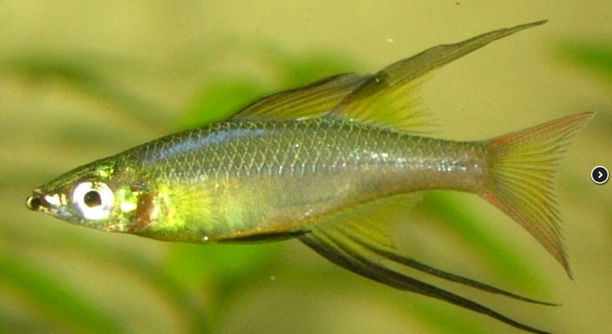
Are your Threadfin Rainbowfish thriving in your home aquarium but sometimes showing subtle signs of distress? These small, colorful fish bring life to freshwater tanks, yet their health can be influenced by unseen internal factors.
Threadfin Rainbowfish are susceptible to certain internal parasites, particularly protozoans and nematodes. These parasites can affect their digestive and overall health, often resulting from suboptimal water conditions, contaminated food, or stress. Regular monitoring and preventive care reduce infection risks effectively.
Understanding parasite risks is essential for maintaining a healthy, vibrant aquarium. This guide will help you protect your Threadfin Rainbowfish and ensure their long-term wellbeing.
Common Internal Parasites in Threadfin Rainbowfish
Threadfin Rainbowfish can host several internal parasites, including protozoans like Hexamita and Spironucleus, as well as nematodes such as Camallanus worms. These parasites primarily target the digestive tract, often causing reduced appetite, weight loss, and abnormal swimming behavior. Stress and poor water quality make fish more vulnerable, while contaminated live food or poorly maintained tanks can introduce parasites. Early detection is important, as infections can spread quickly in community tanks. Maintaining stable water parameters and providing high-quality food lowers the risk of infestation. Routine observation helps identify symptoms before serious damage occurs. Some signs may be subtle, such as mild lethargy or slight changes in coloration. Treatment typically involves medicated feeds or antiparasitic solutions, which should be administered according to dosage instructions. Prevention is preferable, focusing on consistent cleaning, quarantine of new fish, and avoiding overstocking. Proper care supports long-term health and reduces parasite prevalence naturally in your aquarium.
Regular water changes and observation are crucial to keeping parasites under control in these fish.
Understanding parasite types, symptoms, and preventive steps ensures Threadfin Rainbowfish remain active, healthy, and visually vibrant in a well-maintained tank environment. Regular care, proper feeding, and monitoring prevent outbreaks effectively.
Symptoms and Early Detection
Internal parasites often manifest as digestive issues or visible worms in feces.
Common indicators include bloating, weight loss, frayed fins, unusual swimming, or faded coloration. Affected fish may isolate themselves or show reduced feeding interest. These early symptoms allow timely intervention before infections worsen. Prompt attention can prevent the parasite from spreading to other tank inhabitants. Observing daily behavior and maintaining a clean environment improves detection, reducing the severity of infestations. It’s important to distinguish parasite symptoms from other health issues, as stress or dietary problems can mimic infection signs. Using a magnifying lens or consulting an aquatic veterinarian can clarify diagnosis, particularly for subtle protozoan infections.
Early detection requires careful monitoring and action. Quarantining new fish, inspecting feces, and noting behavioral changes are key strategies. Addressing parasites immediately helps prevent long-term damage, ensuring the fish continue to thrive. Maintaining a schedule for water quality checks, feeding practices, and habitat maintenance supports overall resistance against infections. Treatment options vary depending on parasite type, and correct identification is critical for effective results. Avoid overuse of medications, as this can stress fish or alter the tank’s balance. Consistency in care, hygiene, and observation forms the foundation for healthy, resilient Threadfin Rainbowfish populations.
Preventive Measures
Regular tank maintenance is essential for preventing internal parasites. Clean filters, remove uneaten food, and perform partial water changes weekly. Quarantining new fish before introducing them helps reduce the risk of infection. Feeding high-quality, parasite-free food supports strong immunity and overall fish health.
Consistently monitoring water parameters is critical. Threadfin Rainbowfish thrive in stable conditions, and fluctuations in pH, temperature, or ammonia levels can stress them, increasing susceptibility to parasites. Avoid overstocking tanks, as crowding promotes disease transmission. Rotating food types and offering occasional live or frozen treats can improve nutrition without introducing harmful organisms. Regular visual inspections help identify early signs of infection. Combining these preventive steps significantly lowers the chances of parasites establishing in your aquarium.
Using a quarantine tank for new arrivals, along with periodic observation of feces and behavior, enhances early detection. Maintaining a balanced diet, stable water chemistry, and a clean environment ensures that Threadfin Rainbowfish remain vibrant, active, and less prone to internal parasites.
Treatment Options
Medicated feeds or antiparasitic solutions are commonly used to treat internal parasites. Proper dosage and administration are essential for effectiveness.
Treatment depends on the parasite type and infection severity. Protozoan infections often respond to specific chemical treatments, while nematode infestations may require oral medications or medicated feed. It is important to follow product instructions carefully to avoid harming the fish or disrupting tank balance. During treatment, removing activated carbon from filters ensures medications remain effective. Isolating infected fish in a hospital tank prevents parasite spread to healthy fish. Maintaining stable water parameters during treatment reduces stress and improves recovery rates. Observation after treatment is necessary to confirm that the infection has been fully resolved and no recurring symptoms appear.
Supportive care during treatment can improve outcomes. Providing nutrient-rich foods, maintaining optimal water quality, and minimizing stress factors are critical. Some parasites may require multiple treatment cycles, so monitoring response and adjusting accordingly is essential. Avoid mixing medications unless advised, as interactions may reduce effectiveness or harm fish. Combining preventive practices with targeted treatment strengthens long-term health and resilience, ensuring Threadfin Rainbowfish recover fully and remain protected from future infections.
Quarantine Practices
Quarantining new fish is vital to prevent parasite introduction. A separate tank for at least two weeks allows observation and treatment if needed, protecting the main aquarium population.
During quarantine, monitor behavior, appetite, and feces closely. Any signs of illness can be addressed without risking other fish.
Diet and Nutrition
Providing a balanced diet strengthens the immune system, reducing vulnerability to internal parasites. Offer high-quality flake or pellet foods supplemented with occasional live or frozen treats. Avoid overfeeding, as leftover food can degrade water quality and encourage parasite growth. A varied diet ensures fish receive essential nutrients for optimal health and resilience.
Monitoring Water Quality
Regular testing of pH, ammonia, nitrite, and nitrate levels helps maintain stable conditions. Clean, well-oxygenated water supports fish health and lowers the risk of internal infections.
FAQ
What are the most common internal parasites in Threadfin Rainbowfish?
Threadfin Rainbowfish are often affected by protozoans like Hexamita and Spironucleus, as well as nematodes such as Camallanus worms. Protozoans generally target the digestive system, causing reduced appetite, weight loss, and lethargy. Nematodes are visible in feces and can lead to bloating or slow growth if untreated.
How can I tell if my Threadfin Rainbowfish has an internal parasite?
Symptoms may include faded coloration, frayed fins, unusual swimming patterns, and decreased feeding interest. Bloating and rapid weight loss are common signs, and small worms might appear in feces. Daily observation and noting changes in behavior or appearance can help detect infections early.
Can internal parasites spread to other fish in the tank?
Yes, internal parasites can quickly spread in a community tank, especially when fish are stressed or water quality is poor. Prompt detection, isolation of affected fish, and maintaining good hygiene are crucial to prevent infections from affecting the entire population.
What preventive measures can reduce parasite risk?
Regular water changes, cleaning filters, and removing uneaten food are essential. Quarantining new fish before introducing them to the main tank also lowers infection chances. Providing high-quality, parasite-free food and avoiding overcrowding ensures fish remain healthy and resilient.
Are there specific treatments for internal parasites?
Yes, treatment depends on the parasite type. Protozoan infections respond to certain chemical treatments, while nematodes may require oral medications or medicated feed. Correct dosage and following product instructions are critical. Isolating infected fish in a hospital tank helps contain the infection.
How long does treatment usually take?
Treatment duration varies with parasite type and severity. Protozoan infections may clear within a few days, while nematode infestations often require multiple treatment cycles. Continuous observation ensures symptoms resolve completely before returning fish to the main tank.
Does diet influence susceptibility to parasites?
A balanced diet strengthens the immune system, helping fish resist infections. Providing high-quality flake or pellet food with occasional live or frozen treats ensures proper nutrition. Avoid overfeeding to prevent water contamination, which can promote parasite growth.
How often should I monitor water quality?
Testing pH, ammonia, nitrite, and nitrate levels weekly is recommended. Stable, clean water reduces stress and lowers the likelihood of internal infections. Well-oxygenated water and regular maintenance are key factors in parasite prevention.
Is quarantine necessary for all new fish?
Yes, a two-week quarantine allows observation for illness and ensures parasites are not introduced to the main tank. Monitoring feces, behavior, and appetite during this period helps identify infections before they spread. Quarantine is a simple but highly effective preventive step.
Can internal parasites be completely eradicated?
With proper identification, treatment, and care, most internal parasites can be fully eliminated. Maintaining clean water, proper nutrition, and preventive measures ensures long-term fish health and reduces the risk of reinfection. Consistent observation remains critical even after treatment.
Do internal parasites affect only adult fish?
No, juveniles are often more vulnerable because their immune systems are not fully developed. Early monitoring and preventive care are especially important for young Threadfin Rainbowfish to ensure healthy growth and survival.
Can I use natural remedies for internal parasites?
Some natural approaches, like feeding high-quality live foods or using certain herbal treatments, may support immunity. However, severe infestations usually require specific antiparasitic medications for reliable results. Combining preventive practices with treatments is most effective.
How important is observation in parasite management?
Daily monitoring is essential. Subtle changes in swimming, appetite, or appearance often indicate early infection. Quick response prevents serious health issues and reduces the risk of parasite spread in the tank.
What should I do after treatment?
Continue monitoring fish for recurring symptoms. Maintain clean water, a stable environment, and proper feeding routines. Removing activated carbon from filters during treatment ensures medication effectiveness, and returning it afterward helps maintain water quality.
Are internal parasites more common in certain tank setups?
Yes, crowded tanks or those with inconsistent water maintenance are more prone to parasite outbreaks. Overstocking increases stress and disease transmission, while poor hygiene provides conditions for parasites to thrive. Proper tank management is essential for prevention.
Can internal parasites affect the lifespan of Threadfin Rainbowfish?
Untreated infections can reduce lifespan, causing chronic stress, malnutrition, and organ damage. Early detection, treatment, and ongoing preventive care help ensure fish remain healthy and live their full lifespan in the aquarium.
Final Thoughts
Threadfin Rainbowfish are beautiful, active fish that can thrive in home aquariums when given proper care. Like all fish, they are susceptible to internal parasites, which can affect their health and overall wellbeing. Parasites are often introduced through contaminated food, new fish, or poor water quality, so prevention is key. Regular monitoring, quarantine procedures, and maintaining clean, stable tank conditions greatly reduce the likelihood of infection. Providing a balanced diet and avoiding overfeeding also helps keep these fish healthy. By understanding the common types of parasites and their symptoms, you can take steps early, protecting your fish from more serious problems. Observing daily behavior and noting changes in appetite or coloration are simple yet effective ways to catch infections before they escalate.
Treating internal parasites requires attention to detail and careful administration of medications. Different parasites respond to different treatments, and proper dosing is critical to ensure effectiveness without causing additional stress to the fish. Isolation in a hospital tank can prevent the spread of infection to other fish in the main aquarium. Even after treatment, continued monitoring is necessary to ensure the parasite has been fully eradicated. Supporting your fish with a clean environment and good nutrition during and after treatment improves recovery and strengthens immunity. Preventive care, combined with timely treatment, can make a significant difference in keeping Threadfin Rainbowfish active, vibrant, and healthy. Over time, following these practices will help reduce the overall risk of parasite infestations in your aquarium.
Maintaining a healthy aquarium requires ongoing attention and care, but the benefits are well worth it. Consistent water testing, cleaning, and observation create an environment where Threadfin Rainbowfish can thrive. Quarantine measures for new fish, proper feeding practices, and careful attention to water quality all play a role in minimizing parasite risk. While internal parasites are a concern, they are manageable with knowledge and proactive care. By taking these steps, your fish can enjoy a stable, stress-free environment that supports long-term health and activity. These small, colorful fish can then continue to bring life and movement to your tank, and you can feel confident that your aquarium is a safe, well-maintained home for them.

Hello,
If you enjoy the content that we create, please consider saying a "Thank You!" by leaving a tip.
Every little bit helps us continue crafting quality advice that supports the health, happiness, and well-being of pets around the world, for pets of all shapes, sizes, and species.
We really appreciate the kindness and support that you show us!