
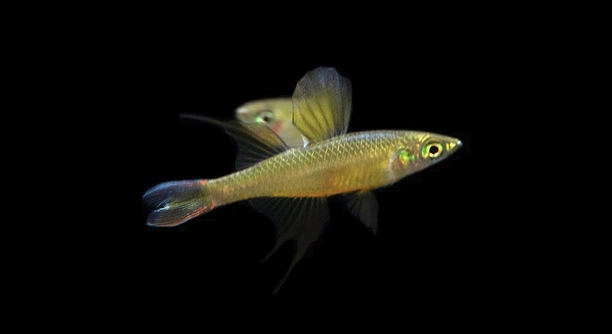
Threadfin rainbowfish are known for their shimmering colors and graceful movements in home aquariums. Many fishkeepers notice sudden reactions when these fish perceive changes in their surroundings, even when no immediate threat seems present.
Threadfin rainbowfish are highly sensitive to visual stimuli, with sudden movements, bright reflections, changes in lighting, and unfamiliar objects often triggering startle responses. These reactions are instinctive, helping the fish avoid potential predators and maintain safety within their environment.
Observing these triggers closely can help fishkeepers create a calmer, more stable habitat for their rainbowfish. Proper understanding ensures the well-being and comfort of these delicate aquatic pets.
Sudden Movements in the Tank
Threadfin rainbowfish are extremely sensitive to abrupt motion around their tank. Even slight hand gestures or objects moving nearby can startle them. This instinctive reaction helps them avoid perceived threats. Rapid swimming or darting can occur as the fish try to find cover or increase distance from the disturbance. Over time, constant exposure to sudden movements can stress the fish, impacting feeding behavior and overall health. Maintaining a calm environment is essential. Minimizing unnecessary activity around the tank, especially during feeding or cleaning, helps the fish feel secure. Their nervous system is wired to respond instantly to visual cues, so even a small shadow passing across the tank can trigger a noticeable reaction. Observing the patterns of movement that provoke startles allows caretakers to adjust routines and reduce unnecessary stress. This simple adjustment can greatly improve the comfort and well-being of rainbowfish in captivity.
Stress from sudden motion can reduce appetite and slow growth in rainbowfish.
Reducing rapid movements and planning tank interactions carefully encourages a more relaxed environment. Predictable routines help fish feel safe, improving long-term health.
Reflections and Bright Surfaces
Bright reflections or sudden flashes of light can trigger startle responses in threadfin rainbowfish.
Shiny objects, sunlight reflections, or aquarium decorations with reflective surfaces can cause repeated stress. Rainbowfish may swim frantically or hide behind plants and rocks when these visual stimuli occur. Their eyes are highly sensitive, allowing them to detect even minor light changes that humans might not notice. Consistent exposure to bright reflections can lead to chronic stress, weakening the immune system and increasing susceptibility to disease. Reducing light intensity, positioning the tank away from direct sunlight, and avoiding reflective décor can help maintain a calm environment. Using a subdued background or matte decorations can limit visual disturbances and create a safer space. Understanding how light interacts with the tank and the fish’s vision allows caretakers to prevent unnecessary startle events and support their natural behavior patterns. A carefully managed lighting setup promotes comfort, encourages regular feeding, and enhances the beauty of their colors without causing anxiety.
Unfamiliar Objects
New decorations or equipment can startle threadfin rainbowfish. Sudden changes in their environment trigger instinctive avoidance behaviors.
Rainbowfish are cautious by nature and respond strongly to unfamiliar items in the tank. Even small additions like a new plant, ornament, or filter component can cause darting or hiding. The fish perceive these objects as potential threats until they become familiar. Gradual introductions, spacing out new additions, and allowing the fish time to explore can reduce stress. Observing their behavior during these changes helps determine whether the objects are causing anxiety. Over time, rainbowfish learn to distinguish harmless items from actual danger, which encourages calmer movement and consistent feeding patterns. Patience during these adjustments ensures the fish adapt without long-term stress.
Avoiding sudden rearrangements prevents unnecessary startle responses and helps maintain a stable environment for the rainbowfish.
Shadows and Passing Figures
Shadows from people or pets moving near the tank can provoke rapid swimming or hiding.
Threadfin rainbowfish rely heavily on visual cues to detect predators. Large shadows or quick movements above the tank trigger their flight response. Even routine household activity can unintentionally cause stress. Minimizing abrupt changes in lighting and positioning the tank away from high-traffic areas can reduce these reactions. Fish may repeatedly dart back and forth or huddle near plants when shadows pass, showing their heightened awareness of potential threats.
Consistent, predictable tank surroundings and gentle handling during maintenance help the rainbowfish feel secure. Avoiding exposure to sudden shadows encourages calm behavior, improves feeding habits, and supports overall health in a home aquarium setting.
Rapid Water Movements
Strong currents or sudden splashes can startle threadfin rainbowfish. Even brief turbulence may cause them to swim frantically or seek cover.
Water flow changes, such as moving hands during cleaning or adjusting pumps, can trigger stress responses. Maintaining gentle circulation helps fish feel safe and stable.
Flashing or Flickering Lights
Bright, inconsistent lighting often causes threadfin rainbowfish to dart or hide. Rapid flickers from bulbs or reflections can overwhelm their sensitive vision, prompting instinctive startle reactions. Careful control of lighting reduces stress, helping maintain natural behavior and color vibrancy over time.
Approaching Hands
Rainbowfish may flinch when hands approach the tank. Slow, steady movements minimize startle responses and create a calmer environment.
FAQ
Why do threadfin rainbowfish startle so easily?
Threadfin rainbowfish have highly developed vision and are naturally cautious. Sudden movements, changes in lighting, or unfamiliar objects trigger instinctive responses to potential threats. This behavior is a survival mechanism, helping them react quickly to predators in the wild. In aquariums, even minor disturbances can produce similar reactions.
How can I reduce startle responses in my tank?
Creating a stable environment is key. Avoid sudden movements near the tank, introduce new decorations gradually, and maintain consistent lighting. Soft water flow and plenty of hiding spots also help the fish feel secure. Predictable routines during feeding and maintenance further reduce stress.
Are reflections in the tank harmful to rainbowfish?
Reflections can cause temporary stress but are generally not harmful if managed properly. Shiny surfaces, glass reflections, or sudden flashes of light can startle fish repeatedly. Using matte decorations, positioning the tank away from direct sunlight, and reducing reflective objects prevents chronic stress and maintains comfort.
Can sudden shadows really affect my fish?
Yes, threadfin rainbowfish are highly sensitive to shadows. Passing figures, pets, or moving objects above the tank can cause them to dart or hide. Limiting exposure to shadows and placing the aquarium in a low-traffic area helps minimize unnecessary startle events.
Do water changes impact their behavior?
Water changes can create turbulence that temporarily startles fish. Performing slow, gentle water changes minimizes sudden currents, allowing rainbowfish to adjust without stress. Gradual temperature matching and careful handling of equipment also reduce reactions during routine maintenance.
How do I introduce new decorations without stressing my fish?
Introduce items slowly and in stages. Allow the fish to explore one new decoration at a time while observing their reactions. Avoid sudden rearrangements of the tank, and provide hiding spots so they can retreat if they feel threatened. This helps rainbowfish adapt comfortably over time.
Will lighting adjustments scare them?
Rapidly changing light intensity or flickering bulbs can provoke startle responses. Threadfin rainbowfish are sensitive to visual stimuli, and inconsistent lighting may cause repeated stress. Using dimmable or steady lights and positioning the tank away from direct sunlight creates a calmer environment and supports natural behavior.
How can I tell if my fish are stressed from startle triggers?
Signs include frequent darting, hiding, loss of appetite, or erratic swimming. Chronic stress can also affect color vibrancy and immune function. Observing behavior patterns during routine care helps identify triggers, allowing adjustments to the tank environment to maintain comfort and reduce stress.
Is it normal for rainbowfish to react to my hands?
Yes, even slow hand movements can be startling initially. Approaching the tank gently, moving hands slowly, and performing consistent routines allow the fish to acclimate. Over time, they learn that hands usually pose no threat, reducing unnecessary stress responses.
Can all these adjustments improve their overall health?
Absolutely. Reducing visual triggers, providing hiding spots, and maintaining stable conditions prevent chronic stress. Calm, secure fish are more likely to eat consistently, display vibrant colors, and show natural behavior patterns, contributing to their long-term health and well-being in a home aquarium.
Do rainbowfish ever stop being easily startled?
They may become more tolerant over time as they grow accustomed to their environment. Familiarity with routine movements, lighting, and objects in the tank helps them respond less dramatically. However, sudden changes can still provoke instinctive startle responses, as this behavior is part of their natural survival instincts.
How important is tank placement for reducing startle responses?
Tank placement is crucial. Avoid high-traffic areas and direct sunlight that create shadows or reflections. A quiet, stable location with minimal disturbances supports a secure environment. Thoughtful placement significantly reduces stress, allowing rainbowfish to thrive and display calm, natural behavior.
Are hiding spots necessary for startle-prone rainbowfish?
Yes, providing plants, rocks, or decorations where they can retreat reduces anxiety. Even if the fish rarely use them, having safe spaces nearby gives them a sense of security. This simple addition can prevent overreaction to common visual triggers and maintain their well-being.
Can I train rainbowfish to be less reactive?
While not “trainable” like mammals, rainbowfish can become accustomed to consistent routines. Gentle handling, predictable feeding schedules, and minimal sudden disturbances allow them to feel more secure. Over time, they may exhibit calmer behavior and fewer extreme startle responses, though instinctive reactions cannot be entirely eliminated.
Threadfin rainbowfish are naturally sensitive to their surroundings, and understanding their reactions is essential for keeping them healthy and comfortable. These fish rely heavily on visual cues to detect threats, so sudden movements, changes in lighting, shadows, and unfamiliar objects can trigger instinctive startle responses. In an aquarium setting, these reactions may seem dramatic, but they are normal and protective behaviors. Observing how the fish respond to different stimuli provides insight into what makes them feel safe and what causes unnecessary stress. Paying attention to their behavior allows caretakers to make adjustments that reduce stress while maintaining the natural environment they need to thrive. Over time, recognizing these triggers and responding appropriately can help rainbowfish settle into a calmer and more stable habitat.
Creating a predictable and stable environment is key to minimizing startle responses. Maintaining gentle water flow, providing plenty of hiding spots, and limiting sudden movements around the tank can make a significant difference. Gradually introducing new decorations and equipment helps the fish adapt without panic, while consistent lighting and careful management of reflections reduce visual disturbances. Regular routines during feeding and tank maintenance also encourage a sense of security, allowing rainbowfish to anticipate changes rather than react out of fear. Even small adjustments, such as positioning the tank away from high-traffic areas and reducing direct sunlight exposure, can help the fish feel more comfortable. When the aquarium environment is predictable and calm, the fish are more likely to display natural behaviors, feed reliably, and show their vibrant colors without signs of stress.
Long-term care and observation are important for maintaining the well-being of threadfin rainbowfish. Monitoring behavior, responding to stress signals, and adjusting the environment as needed ensures that the fish remain healthy and active. Over time, rainbowfish may become more tolerant of certain visual stimuli as they acclimate to their surroundings, but instinctive reactions will always remain part of their nature. Providing a stable and secure habitat allows them to thrive while preventing unnecessary stress that could compromise health or growth. By understanding the specific triggers that cause startle responses and taking steps to minimize them, caretakers can create a calm and enriching environment. This approach not only improves the daily comfort of the fish but also supports their long-term health, making it easier to enjoy their beauty and lively behavior in a well-maintained aquarium.

Hello,
If you enjoy the content that we create, please consider saying a "Thank You!" by leaving a tip.
Every little bit helps us continue crafting quality advice that supports the health, happiness, and well-being of pets around the world, for pets of all shapes, sizes, and species.
We really appreciate the kindness and support that you show us!