
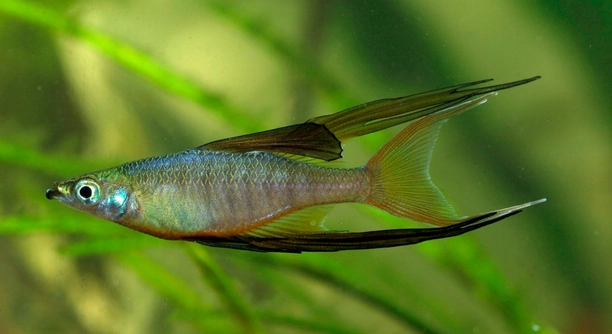
Do you ever find yourself watching threadfins and wondering when they finally reach maturity in their behavior and social patterns? Observing them closely can reveal subtle yet meaningful shifts that mark this important stage in their lives.
Threadfin maturity is typically recognized through seven distinct behavioral changes, including alterations in feeding habits, social interactions, and reproductive activity. These shifts are clear indicators of their developmental stage and are consistently documented in aquatic behavioral studies.
Recognizing these behaviors can help you understand their growth more deeply, giving you insight into the fascinating changes happening within their world.
Changes in Feeding Patterns
Threadfins begin to show maturity through noticeable changes in feeding behavior. Younger fish tend to eat quickly and without much selectiveness, focusing on quantity over quality. As they mature, their feeding becomes more deliberate and measured. They start to pick at food with purpose, showing preference for certain types and often returning to favored feeding spots. These choices reflect their growing ability to balance energy intake with reproductive demands. You may also notice them conserving energy, feeding at calmer times of the day rather than rushing into competition. Observing these habits helps you see how maturity impacts their survival strategies and overall balance in their environment. Recognizing these shifts can give you a sense of how threadfins adapt with time, trading the scattered approach of youth for the selective behavior that allows them to thrive and sustain themselves more effectively throughout their adult lives.
Feeding transitions are among the earliest indicators of maturity, and they reveal how threadfins adapt their eating patterns to support reproductive and energy needs. Watching these subtle changes closely helps highlight how growth brings both efficiency and stability into their daily behavior.
Mature feeding behavior in threadfins is also tied to their social interactions. As they become selective, they avoid unnecessary competition and focus on sustainable access to resources. This shift allows them to coexist more peacefully with other fish, reducing wasted energy and conflict. The balance they gain through these feeding habits reflects an essential survival mechanism, one that prioritizes long-term health over immediate gains. Understanding these changes also offers a clearer view of how maturity links directly to their ecological role. Instead of consuming broadly, they become more precise, ensuring that they not only meet their needs but also adapt to the dynamics of their group. This selective approach demonstrates how behavioral maturity benefits both the individual and the community they are part of.
Shifts in Social Interactions
Social behavior plays a large role in threadfin maturity. Younger threadfins often move in erratic ways, testing boundaries with others. Mature threadfins show restraint, displaying calm, purposeful movements that signal confidence and developed social awareness.
As they grow, threadfins establish more structured interactions with others around them. They begin to recognize hierarchies, often responding with either subtle submission or assertiveness depending on the situation. This maturity reduces unnecessary clashes and creates smoother group dynamics. It is also during this stage that threadfins may form stronger pair bonds, indicating readiness for reproduction. Observers often note that mature threadfins become less reactive to disturbances, conserving their energy for meaningful interactions rather than constant displays of aggression or panic. This balance in behavior demonstrates a crucial step in their growth, where energy shifts from uncoordinated exploration to stable and cooperative actions. By watching these changes unfold, you can understand how their social maturity supports their ability to thrive in larger groups.
Development of Reproductive Behaviors
Threadfins reaching maturity display clear reproductive changes. Males may become more assertive in claiming territory, while females show selective responses. These actions signal readiness for spawning and mark an important shift in their overall behavioral development.
During maturity, males often patrol small areas, exhibiting repetitive swimming patterns to discourage rivals. Females, on the other hand, start choosing their interactions carefully, often lingering near males who display consistent energy and strength. These choices highlight a selective process that ensures reproductive success. Unlike juveniles, mature threadfins conserve energy, investing it in behaviors that maximize their chances of producing healthy offspring. Their behaviors may seem subtle at first, but with close observation, you can see how these rituals separate them from their younger counterparts. These changes are not random but purposeful, aligning their behavior with long-term survival and continuation of their species.
Mature reproductive behavior is also marked by increased social awareness. Instead of random group swimming, threadfins form tighter pairs or clusters during spawning periods. These gatherings are often temporary but highly coordinated, showing an instinctive understanding of timing and cooperation. The process emphasizes maturity not only in physical readiness but also in behavioral adjustment. Watching threadfins during these periods offers insight into how growth reshapes their focus, drawing attention away from simple survival toward ensuring future generations. Their deliberate actions, from courtship displays to coordinated spawning, reveal a level of maturity that is both practical and essential. This shift is one of the clearest signs of their full development.
Territorial Awareness
Threadfins demonstrate territorial awareness by gradually claiming specific areas, using them for both feeding and resting. These spots often become consistent zones of activity, signaling that they are not only comfortable but also confident in managing their environment.
As maturity progresses, territorial behavior becomes clearer and more structured. They establish boundaries with subtle but firm movements, discouraging intruders without unnecessary conflict. This balanced behavior reduces wasted energy and creates stability in their daily routines. Observing these actions can help you understand how threadfins grow into more efficient and calculated individuals. Their territorial awareness reflects both personal growth and social development. It also provides a practical advantage, ensuring that their resources remain secure while minimizing risks from competition. This behavior, when combined with feeding and reproductive changes, creates a fuller picture of maturity, showing how each adjustment supports survival and stability in their environment.
Altered Activity Levels
Mature threadfins often display more controlled activity, conserving energy instead of engaging in constant movement. Their swimming becomes steadier and more purposeful, reflecting a shift from youthful restlessness to measured actions that support feeding, social behavior, and reproduction more efficiently.
This change also reduces exposure to unnecessary risks. By limiting excessive movement, they avoid predators and conserve energy for essential behaviors. It’s a clear sign that their priorities have shifted, focusing on stability and long-term survival rather than impulsive exploration or playful bursts of activity.
Enhanced Environmental Awareness
With maturity, threadfins become noticeably more responsive to subtle environmental changes. They adjust their behavior according to water flow, light, and food availability, demonstrating an increased ability to read and react to their surroundings. This adaptability supports their survival and shows a deeper connection between behavior and environment.
Greater Stress Tolerance
Mature threadfins show stronger stress tolerance, remaining calm in conditions that would unsettle juveniles. Their ability to recover quickly from disturbances highlights a more resilient state, allowing them to maintain balance and stability even when faced with sudden changes or challenges in their habitat.
FAQ
How can I tell if my threadfin is becoming mature?
You can usually tell by observing changes in feeding, social behavior, and activity levels. Mature threadfins eat more selectively, interact calmly with others, and conserve energy. They also begin showing reproductive behavior, such as pairing or displaying territorial awareness. These shifts develop gradually but become more obvious with time.
At what age do threadfins typically reach maturity?
The timing varies depending on environmental conditions and diet. In stable, resource-rich environments, threadfins may show signs of maturity earlier, sometimes within their first year. In more challenging habitats, it can take longer. Watching their behavioral changes gives clearer insight than relying on age alone.
Do males and females show different signs of maturity?
Yes, their behaviors differ. Males often become more territorial, patrolling areas and displaying strength to ward off rivals. Females become more selective, responding to males with specific behaviors that signal readiness for spawning. These differences are subtle at first but become distinct during reproductive seasons.
Why does feeding behavior change with maturity?
Feeding changes reflect energy management. Juveniles feed quickly and broadly because growth requires constant energy. Mature threadfins shift toward selective feeding, choosing high-value food sources and conserving energy. This ensures they maintain strength for reproduction, territory defense, and social stability rather than wasting resources on constant foraging.
Is aggression always a sign of maturity?
Not necessarily. While some males may show increased assertiveness, mature threadfins are more likely to use subtle movements to maintain territory rather than outright aggression. Excessive fighting can waste energy, so balanced behavior—calm but firm—is a better indicator of true maturity.
How does stress tolerance improve with age?
Mature threadfins respond to disturbances with calmer movements and recover more quickly. They may pause or shift slightly instead of scattering in panic. This control reflects their developed ability to handle environmental changes without losing stability, a sign of resilience that juveniles lack.
Do threadfins always form pairs when mature?
Not always, but pairing often becomes more common as they reach reproductive readiness. Some may form temporary clusters, while others pair more consistently. The key change is that their interactions become purposeful, focusing on reproduction or cooperation rather than random, youthful playfulness.
What role does environment play in maturity?
Environment shapes how quickly and clearly maturity develops. Clean water, steady temperatures, and abundant food encourage faster growth and stronger behavioral changes. In poor conditions, maturity may be delayed, and behaviors like selective feeding or stress tolerance may appear less consistent or less defined.
How can I support threadfins as they mature?
Providing stable conditions helps. Ensure consistent feeding with quality food, maintain clean water, and reduce unnecessary stressors in their habitat. Observing them closely allows you to recognize when they shift into maturity, giving you the chance to support their needs more effectively.
Why do mature threadfins conserve energy?
Energy conservation is tied to survival. Instead of wasting energy on constant activity, mature threadfins focus on purposeful actions like feeding, reproduction, or maintaining territory. This efficiency ensures they remain strong and resilient, capable of handling challenges while also investing in the continuation of their species.
Can threadfin maturity affect group dynamics?
Yes, mature individuals bring stability to groups. Their calmer movements reduce unnecessary clashes, and their selective feeding prevents wasteful competition. This balanced behavior encourages smoother interactions, helping the entire group adapt better and reducing stress levels for both younger and mature members.
What happens if threadfins don’t show maturity signs?
A lack of maturity signs could stem from poor conditions, lack of nutrition, or ongoing stress. Without these behavioral shifts, threadfins may remain restless, overly aggressive, or unfocused. Addressing environmental issues can help encourage the natural development of mature behaviors over time.
Do reproductive behaviors always mean maturity?
Reproductive behaviors are a strong indicator, but they are not the only factor. True maturity involves a combination of feeding shifts, social awareness, territorial recognition, and stress control. Reproductive actions often appear alongside these other changes, completing the picture of behavioral maturity.
How long do these maturity changes last?
Once developed, mature behaviors remain consistent, though they may fluctuate slightly with environmental changes or reproductive cycles. Unlike juvenile behaviors, which are often scattered and inconsistent, mature behaviors reflect stability, showing how threadfins sustain themselves effectively over the course of their adult lives.
Final Thoughts
Observing threadfins as they grow can be a rewarding process. Their shifts in behavior, from feeding to social patterns, offer a window into how maturity shapes survival. These changes are not random but carefully aligned with their needs. Watching these small details can give you a deeper understanding of how growth affects not only individual fish but also their interactions with others. Each stage of development reflects a balance between conserving energy, ensuring reproduction, and maintaining stability within their environment. This balance allows them to thrive despite the challenges they face daily, showing how maturity is a natural progression that strengthens their role within their habitat.
The behaviors that signal maturity are clear but often subtle. A steady swim, a selective bite, or a calm reaction to a disturbance may not seem like much at first glance, yet they represent significant milestones. These changes highlight how threadfins evolve from impulsive juveniles into composed adults, capable of adapting and enduring. It is within these small actions that their growth becomes visible. Understanding these behaviors can help you support them better, whether you are observing them in nature or caring for them in a managed setting. Their maturity is not just about physical growth but about how they choose to act in ways that conserve strength and ensure long-term survival.
Maturity in threadfins also serves as a reminder of the broader patterns present in many species. Growth is not just about size or age but about how behavior adapts with time and necessity. The selective feeding, territorial awareness, and social restraint all point to a shift that prioritizes balance over constant activity. These behavioral adjustments are lessons in efficiency, showing how thriving often depends on careful choices rather than endless action. By noticing and respecting these shifts, you gain a more complete picture of their lives. The maturity of threadfins tells a story of transition, from restless beginnings to measured stability, a story that reflects the quiet strength of adaptation. In many ways, these changes can teach us about the importance of timing, patience, and the value of conserving energy for what truly matters.

Hello,
If you enjoy the content that we create, please consider saying a "Thank You!" by leaving a tip.
Every little bit helps us continue crafting quality advice that supports the health, happiness, and well-being of pets around the world, for pets of all shapes, sizes, and species.
We really appreciate the kindness and support that you show us!