
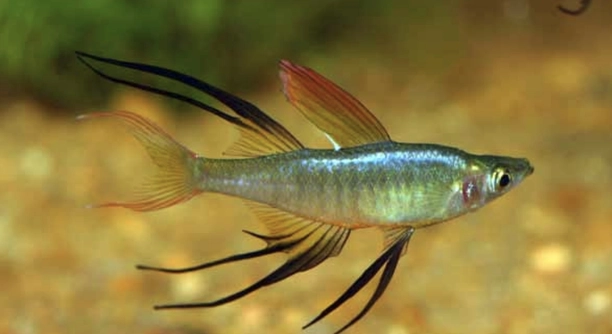
Threadfin rainbowfish are lively and colorful additions to any home aquarium. Observing their behavior can reveal much about their comfort level. Recognizing these subtle signs helps ensure they feel safe and thrive in their environment.
A threadfin rainbowfish exhibits several indicators of feeling secure, including active swimming, vibrant coloration, exploring the tank, interacting calmly with tank mates, accepting food readily, showing minimal stress behaviors, and resting confidently in open areas without hiding.
Noticing these behaviors will allow you to create a stable and welcoming environment, supporting your rainbowfish’s overall health and well-being in the long term.
Active and Confident Swimming
Threadfin rainbowfish that feel safe move through the tank with ease and confidence. Their swimming is smooth, not jerky, and they explore various areas rather than sticking to corners. You might notice them gliding near plants or decorations, pausing briefly, and then continuing. This behavior indicates they are comfortable and relaxed in their environment. When they feel secure, they maintain steady movement patterns and interact calmly with other fish. Active swimming is also a sign that they are healthy and receiving proper care, including a balanced diet and clean water. Observing these swimming patterns over time allows you to track changes in behavior, helping identify any potential stress factors early. Safe rainbowfish exhibit curiosity without fear, investigating new areas of the tank slowly. Their energy levels remain consistent throughout the day, rather than showing sudden bursts of frantic activity. This calm exploration reflects a sense of stability and comfort in their surroundings.
Active swimming shows that the fish is relaxed and familiar with its surroundings, indicating safety.
Safe swimming behavior is a combination of confidence, steady pacing, and curiosity. It demonstrates that the fish feels secure enough to explore without constant retreat. Observing these patterns can help you maintain a suitable environment, ensuring consistent health and comfort over time. Recognizing early changes in movement can prevent stress-related issues.
Vibrant Coloration
A threadfin rainbowfish with bright, vibrant colors is likely feeling safe and healthy. Their hues become more pronounced when stress levels are low.
Coloration reflects the fish’s internal well-being. Stress or fear can dull their appearance, while a calm environment allows them to display their full, vivid colors. Diet, lighting, and water quality all contribute to maintaining these bright patterns, so monitoring these factors is essential. Consistently vibrant fish often indicate proper nutrition, stable water conditions, and minimal disturbances. Stressors such as sudden changes, overcrowding, or aggressive tank mates can reduce color intensity. Ensuring the tank environment is stable supports their natural coloration, signaling comfort and safety. Bright coloration also plays a role in communication with other fish, helping establish social hierarchies without conflict. Maintaining safe spaces and hiding spots allows them to feel secure, enhancing both color vibrancy and overall health. Observing these changes in coloration over time provides insight into how well your rainbowfish is adjusting to its habitat. Proper care and attention reinforce this sense of safety.
Calm Interaction with Tank Mates
Safe threadfin rainbowfish interact gently with other fish, maintaining peaceful distances and avoiding aggression. They swim together without chasing or being chased, showing comfort in their social environment.
Observing calm interactions is key to understanding your fish’s comfort level. Fish that feel safe exhibit predictable social behaviors, such as swimming alongside others without sudden flares of aggression or panic. They may occasionally nudge or swim close, but these actions are controlled and non-threatening. In contrast, stressed fish often hide, dart around, or display aggressive behavior toward tank mates. Monitoring these subtle cues helps ensure a harmonious tank environment and prevents conflicts that could lead to injury. Maintaining appropriate tank density and compatible species supports these safe interactions, creating a balanced aquatic community where every fish feels secure and respected.
Calm social behavior is reinforced by consistent feeding routines, stable water conditions, and minimal disturbances. When rainbowfish feel safe, they learn to trust the tank’s environment, engaging with their companions naturally without fear or tension. Observing these patterns over time provides insight into their comfort and well-being.
Regular Feeding Response
Threadfin rainbowfish that feel safe respond eagerly and confidently during feeding times. They approach food without hesitation, showing trust in the tank environment and caretaker.
A strong feeding response is an important indicator of a fish’s sense of security. Rainbowfish that feel threatened may hide or wait until all other fish have eaten before approaching. Safe fish display enthusiasm, swimming directly to offered food and consuming it steadily without panic or hesitation. This behavior reflects both physical health and emotional comfort. Feeding routines that are predictable and consistent reinforce this sense of safety, encouraging the fish to explore and interact positively. Proper nutrition also strengthens coloration, energy levels, and immune function, which further contributes to their confident behavior. Watching these feeding patterns provides valuable feedback on overall tank stability and the fish’s ongoing comfort.
Resting in Open Areas
Threadfin rainbowfish that feel safe rest in open areas of the tank rather than hiding. They remain calm and unafraid, showing confidence in their environment.
This behavior indicates a sense of security. Fish that feel threatened prefer to hide among plants or decorations, while safe fish are comfortable enough to pause openly.
Minimal Stress Behaviors
Safe rainbowfish rarely display stress indicators such as rapid gill movement, frantic darting, or constant hiding. Their movements are steady, and they maintain balanced posture throughout the day.
Exploring New Spaces
A threadfin rainbowfish that feels secure will investigate new decorations, plants, or changes in the tank calmly. Exploration is slow and deliberate, without sudden retreats or panicked movements.
FAQ
How do I know if my threadfin rainbowfish is stressed?
Signs of stress in threadfin rainbowfish include hiding constantly, darting suddenly, clamped fins, loss of coloration, and irregular swimming patterns. They may also refuse food or show rapid gill movements. Stress often arises from poor water quality, overcrowding, aggressive tank mates, or sudden changes in their environment. Observing your fish daily helps detect early signs before they develop into health issues.
Can changes in water conditions affect their sense of safety?
Yes, threadfin rainbowfish are sensitive to temperature, pH, and water hardness. Sudden changes can make them feel threatened and reduce activity levels. Stable water conditions create a secure environment, allowing them to explore, feed, and interact confidently. Regular water testing and gradual adjustments are essential to maintain their comfort.
Why is color vibrancy an indicator of safety?
A rainbowfish’s colors become brighter when it feels secure and healthy. Stress or poor conditions can dull its coloration. Vibrant hues indicate proper diet, clean water, and minimal disturbances. Watching color changes over time gives insight into your fish’s emotional state and overall well-being.
What role does tank setup play in their comfort?
A well-organized tank with hiding spots, plants, and open swimming areas helps rainbowfish feel safe. They use decorations for shelter and reassurance while open spaces allow confident movement. Proper tank size and compatible tank mates also reduce stress and encourage natural behavior.
How often should I feed them to maintain safety and health?
Consistent feeding routines help fish feel secure and reduce anxiety around mealtimes. Feeding small amounts multiple times a day mimics natural behavior and prevents competition stress. Avoid overfeeding, as leftover food can degrade water quality, indirectly affecting their sense of safety.
Are social interactions important for threadfin rainbowfish?
Yes, these fish are naturally social. Safe rainbowfish swim together calmly, avoiding aggression while occasionally interacting. Observing these behaviors helps ensure all fish feel secure. Introducing compatible species gradually prevents territorial disputes and maintains a peaceful environment.
How can I encourage my fish to explore without fear?
Introduce new decorations or plants slowly and allow them time to adjust. Avoid sudden changes in lighting, temperature, or tank layout. Providing consistent routines and gentle observation reassures fish and encourages confident exploration.
What are common mistakes that make rainbowfish feel unsafe?
Overcrowding, aggressive tank mates, irregular feeding, sudden environmental changes, and poor water quality all contribute to insecurity. Neglecting these factors can lead to hiding, stress behaviors, or weakened health. Maintaining stability is crucial for a comfortable and thriving fish.
Can their resting behavior indicate safety?
Yes, rainbowfish that feel secure rest in open areas instead of hiding. They remain calm and confident, signaling that the tank environment meets their needs and supports natural behavior patterns.
How do I handle new additions to the tank?
Introduce new fish gradually, allowing existing fish to adjust. Quarantine new arrivals to prevent disease, and provide hiding spots to reduce initial stress. Careful integration helps maintain a safe and peaceful environment for all rainbowfish.
Is regular observation necessary?
Daily observation is key. It helps track swimming patterns, feeding behavior, social interactions, and coloration changes. Early detection of stress or health issues ensures timely intervention, keeping rainbowfish safe and comfortable in their habitat.
Can water filtration affect their sense of safety?
Proper filtration maintains water clarity and reduces toxins, promoting a secure environment. Strong currents may stress rainbowfish, so choose a gentle filter and ensure the flow allows comfortable swimming. Clean, stable water supports confident, healthy behavior.
How does diet influence their behavior?
A balanced diet rich in protein and vitamins strengthens health and energy levels. Fish that feel well-nourished are more active, colorful, and confident. Poor nutrition can lead to stress behaviors, dull coloration, and reduced social interaction. Feeding high-quality food enhances both physical and emotional well-being.
How long does it take for a rainbowfish to feel secure in a new tank?
Adjustment varies depending on the individual and environment. Typically, rainbowfish begin showing confident swimming, bright coloration, and social behavior within one to two weeks if water conditions are stable, tank mates are compatible, and daily routines are consistent.
What should I do if my fish never seems relaxed?
Review tank conditions, water quality, and social dynamics. Ensure proper hiding spots, stable routines, and gentle observation. Persistent stress may require consulting an aquatics specialist to identify underlying issues affecting safety and comfort.
Are temperature fluctuations a concern?
Yes, rainbowfish thrive in stable temperatures. Sudden drops or spikes can stress them, causing hiding or erratic swimming. Maintaining consistent warmth appropriate for the species fosters a secure environment, allowing natural behavior and optimal health.
Can lighting affect their sense of safety?
Lighting that mimics natural day-night cycles helps rainbowfish feel secure. Too bright or inconsistent lighting may stress them, while gentle, predictable lighting promotes exploration, feeding, and social interaction. Proper lighting supports both physical and emotional well-being.
How do I encourage healthy social behavior?
Provide sufficient space, compatible companions, and consistent routines. Observe interactions and separate aggressive individuals if needed. Balanced social environments allow rainbowfish to interact confidently without fear or stress.
What is the relationship between hiding spots and safety?
Hiding spots offer reassurance during perceived threats. Even safe fish use them occasionally. Providing a mix of open areas and shelter allows rainbowfish to choose their comfort level, supporting a stable and stress-free environment.
How important is water testing?
Regular water testing ensures parameters like pH, ammonia, nitrites, and nitrates remain safe. Stable conditions reduce stress, maintain color vibrancy, and encourage confident behavior. Monitoring water quality is essential for long-term health and safety of rainbowfish.
Can changing tank mates affect safety?
Yes, introducing aggressive or incompatible fish can trigger stress behaviors. Gradual introductions, observation, and providing hiding spaces help maintain safety, allowing rainbowfish to adapt to new companions without fear or conflict.
How do I know if they feel safe during feeding?
Fish that feel secure approach food confidently, eat steadily, and interact calmly with others. Hesitation, hiding, or frantic movements indicate discomfort or stress, signaling a need to review tank conditions, diet, or social dynamics.
What environmental factors most influence safety?
Water quality, temperature, tank size, hiding spots, lighting, social dynamics, and feeding routines all affect a rainbowfish’s sense of security. Stable, predictable conditions foster confident behavior, while sudden changes can cause stress and unhealthy responses.
How often should I monitor behavior?
Observing daily helps detect changes in swimming, feeding, coloration, or social interactions. Consistent monitoring allows early intervention if stress signs appear, maintaining a safe and comfortable environment for rainbowfish.
Can safe behavior reduce health issues?
Yes, fish that feel secure are less prone to stress-related illness, maintain better immune function, and display stronger coloration. Safe behavior is closely linked to physical health and overall well-being.
How do I maintain a peaceful tank environment?
Provide compatible tank mates, sufficient space, consistent routines, and hiding spots. Monitor water quality and reduce sudden changes. A stable, harmonious environment allows rainbowfish to thrive confidently and safely.
What are subtle signs of comfort?
Subtle indicators include smooth swimming, gentle interactions with others, bright coloration, calm resting in open spaces, and steady feeding response. These small behaviors collectively reflect a safe, secure environment.
Is it necessary to adjust behavior for each fish individually?
Yes, each fish may respond differently to tank conditions, companions, and changes. Observing individual patterns helps tailor care, ensuring every rainbowfish feels secure, healthy, and confident in its habitat.
Can stress accumulate over time?
Yes, prolonged exposure to poor conditions, aggressive tank mates, or inconsistent routines can lead to chronic stress. Monitoring behavior, maintaining stability, and addressing issues promptly prevents long-term negative effects on health and safety.
How do I balance exploration and safety?
Provide both open swimming areas and hiding spots. Encourage slow, deliberate exploration by maintaining a stable environment and avoiding sudden changes. This balance allows rainbowfish to feel confident and secure while engaging naturally with their surroundings.
What should I do if color fades?
Check water quality, diet, and stress factors. Ensure stable temperature, lighting, and compatible companions. Addressing these areas typically restores coloration and reinforces a sense of safety, indicating improved health and comfort.
Can consistent routines influence behavior?
Yes, predictable feeding, lighting, and maintenance schedules reduce stress and help rainbowfish feel secure. Routines provide reassurance, encouraging confident swimming, calm social interactions, and steady exploration.
Are there signs that indicate a fish feels completely safe?
Fish that are fully secure display bright coloration, active swimming, calm interactions, regular feeding response, and resting openly. These behaviors indicate both emotional comfort and physical health, reflecting a well-maintained tank environment.
How can I improve a fish’s sense of safety over time?
Maintain stable water conditions, provide hiding spots, introduce compatible companions, and follow consistent routines. Gentle observation and gradual changes help rainbowfish build trust in their environment, supporting confident and healthy behavior.
Is it normal for fish to hide occasionally even if they feel safe?
Yes, occasional hiding is natural and provides temporary reassurance. Safe fish balance exploration with retreating to shelter, indicating a secure environment rather than chronic stress.
Can stress behaviors be reversed?
Yes, addressing water quality, diet, tank mates, and environmental stability often restores confident, safe behavior. Early intervention improves health, coloration, and social interactions.
How important is tank size for safety?
Adequate space reduces competition, stress, and aggression. A properly sized tank allows rainbowfish to explore freely, interact calmly, and establish a sense of security. Overcrowding increases anxiety and disrupts natural behavior.
Does lighting schedule impact comfort?
A consistent day-night cycle supports natural rhythms, reduces stress, and encourages safe behavior. Gradual adjustments in intensity and duration help rainbowfish adapt without fear or disorientation.
What is the impact of aggressive tank mates?
Aggressive or territorial fish can trigger hiding, frantic swimming, and reduced feeding. Removing or separating incompatible species restores a safe, balanced environment and supports healthy, confident rainbowfish.
How do I know if social balance is achieved?
Observe calm swimming, minimal chasing, and controlled interactions. Rainbowfish should display gentle nudging or parallel swimming without aggression. A stable social hierarchy fosters a safe, stress-free environment.
Can frequent water changes affect behavior?
Frequent, abrupt changes may stress fish. Gradual, consistent water maintenance maintains water quality while supporting a stable environment, allowing rainbowfish to feel secure and confident in the tank.
How do I ensure all fish feel safe during feeding?
Feed small portions in multiple locations to reduce competition. Monitor interactions and adjust feeding spots or quantities to ensure each fish can eat without stress or conflict.
What role does diet variety play?
Offering diverse, high-quality foods supports physical health, coloration, and energy levels. Well-nourished rainbowfish exhibit more confident, calm behavior and are less prone to stress-related issues.
Are there behavioral differences between males and females?
Males often display brighter coloration and more active swimming, while females may be slightly more cautious. Understanding these differences helps interpret behavior and ensure both sexes feel safe.
How long should I monitor changes in behavior?
Consistent daily observation over weeks helps detect subtle shifts in activity, color, or interactions. Tracking these trends allows timely adjustments to maintain safety and comfort.
Can safe behavior affect breeding?
Yes, rainbowfish that feel secure are more likely to engage in natural breeding behaviors, including pairing, nest site selection, and spawning. Safety encourages reproductive confidence and success.
What should I do if fish avoid open areas entirely?
Review tank conditions, water quality, and social dynamics. Provide additional hiding spots and reduce disturbances. Gradual acclimation helps fish regain confidence and explore safely.
Does tank decoration placement matter?
Yes, thoughtful arrangement of plants and shelters balances exploration and security. Proper placement reduces stress, supports social interactions, and encourages confident movement throughout the tank.
How can I tell if a fish is recovering from stress?
Indicators include brighter coloration, steady swimming, calm social behavior, regular feeding, and resting in open areas. Consistent observation confirms recovery and overall comfort.
What is the effect of sudden loud noises?
Sudden vibrations or noises can startle rainbowfish, causing hiding or erratic swimming. Minimizing disturbances helps maintain a secure environment and supports calm, natural behavior.
Are visual barriers helpful?
Partial barriers or plants reduce stress by providing visual relief from aggressive tank mates or sudden movements, enhancing a sense of safety.
Can safe behavior prevent illness?
Yes, confident, calm fish experience less stress, which supports immune function, reduces susceptibility to disease, and promotes long-term health.
How do I track progress in safety and comfort?
Maintain notes on swimming patterns, coloration, feeding response, social interactions, and resting habits. Monitoring changes over time helps assess environmental stability and fish well-being.
What daily habits support safety?
Regular feeding, water testing, stable lighting, and gentle observation reinforce confidence and comfort. Predictable routines allow rainbowfish to thrive without unnecessary stress.
Can changes in tank lighting affect social interactions?
Yes, abrupt shifts may trigger hiding or aggression. Gradual adjustments preserve natural behavior, ensuring calm and confident social interactions.
How do I identify shy versus stressed fish?
Shy fish may hide initially but explore gradually, while stressed fish show frantic movement, clamped fins, and reduced feeding. Observation over time distinguishes between temporary caution and chronic stress.
Are there environmental enrichment strategies for safety?
Providing plants, hiding spots, gentle currents, and varied feeding locations encourages exploration and confidence, supporting overall safety and well-being.
How important is tank maintenance for emotional health?
Regular cleaning and water checks prevent stress from poor conditions. Consistent maintenance ensures fish feel secure and supports healthy behavior, coloration, and interactions.
Can safe behavior influence growth?
Yes, secure fish feed consistently and expend energy efficiently, promoting optimal growth and overall health.
How do I handle emergencies without stressing fish?
Plan gradual interventions, minimize sudden movements, and maintain calm handling. Quick, careful actions reduce stress and maintain a safe environment during necessary procedures.
What is the relationship between social structure and safety?
Balanced social hierarchies prevent bullying and stress. Ensuring compatible companions and adequate space maintains a peaceful, secure environment for all rainbowfish.
How does regular observation improve care?
Daily monitoring helps detect changes early, allowing timely adjustments in water quality, feeding, or social arrangements, supporting a safe, healthy tank environment.
Can environmental enrichment prevent boredom-related stress?
Yes, varying tank decorations, feeding routines, and hiding spots encourages natural behaviors, reducing stress and maintaining safety.
How do I support timid fish in a community tank?
Provide hiding spots, gradual introductions, and consistent routines. Allow them to explore at their own pace to build confidence.
Is temperature monitoring necessary daily?
Yes, small fluctuations can stress rainbowfish. Daily checks ensure stability, promoting safety, comfort, and consistent behavior.
Can safe behavior improve interaction with caretakers?
Fish that feel secure approach feeding areas confidently and display calm curiosity, reflecting trust and comfort with their environment.
Are certain decorations better for safety?
Plants, gentle hiding spots, and smooth surfaces reduce stress and provide secure areas while still allowing open swimming, promoting confidence and natural behavior.
How do I manage multiple stress factors simultaneously?
Identify and address water quality, tank mates, lighting, and feeding routines. Gradual improvements support a stable, safe environment and reduce compounded stress effects.
Can observing feeding order reveal hierarchy?
Yes, dominant fish often eat first, while subordinates wait. Balanced access to food ensures all fish feel secure and maintain healthy social interactions.
What is the link between stress recovery and environment stability?
Stable water, compatible companions, and consistent routines accelerate recovery, restore coloration, and support confident, healthy behavior.
How do I reinforce safe exploration behavior?
Gradual introduction of new decorations and slow adjustments to the tank help fish feel secure while encouraging natural curiosity.
Can safe behavior influence lifespan?
Fish that experience low stress and maintain healthy routines tend to live longer, with improved immunity, growth, and overall well-being.
How important is gradual change in maintaining safety?
Sudden alterations can trigger fear or hiding. Gradual adjustments in environment, feeding, or companions ensure rainbowfish remain confident and secure.
Are there behavioral differences between young and adult rainbowfish?
Younger fish may be more cautious and hide more often. Adults usually show confident swimming and social behavior. Understanding these differences helps support safety at every life stage.
Can consistent lighting improve feeding behavior?
Yes, predictable light cycles help fish anticipate feeding times, reducing stress and encouraging confident, steady feeding responses.
How does proper acclimation affect safety?
Slow acclimation to new tanks or water conditions reduces stress, supports confident swimming, and encourages natural social and feeding behaviors.
Are visual signs enough to gauge safety?
Yes, observing swimming patterns, coloration, resting habits, and social interactions provides reliable indicators of how secure your rainbowfish feel in their environment.
What steps prevent chronic stress in rainbowfish?
Maintain stable water, compatible companions, proper nutrition, consistent routines, hiding spots, and gradual changes. Early intervention ensures long-term health and comfort.
Can safe behavior improve tank aesthetics?
Confident, healthy fish display vibrant colors and active movement, enhancing the visual appeal of the aquarium while reflecting a well-maintained, stable environment.
Is monitoring interactions more important than individual behavior?
Both are essential. Individual behavior shows health and comfort, while interactions reveal social stability, dominance patterns, and overall safety within the tank.
How do I support confident behavior after illness?
Provide quiet, stable conditions, proper nutrition, and gradual reintroduction to companions. This environment helps rainbowfish regain confidence and return to normal activity patterns.
Are hiding spots necessary for all tank sizes?
Yes, even large tanks benefit from secure areas. Hiding spots allow rainbowfish to retreat when needed, supporting comfort, reducing stress, and promoting confident exploration.
How does water flow influence safety?
Gentle currents support natural swimming and exploration. Strong or turbulent flow may stress fish, leading to hiding or erratic behavior. Proper water flow ensures both comfort and health.
Can safe behavior be learned?
Yes, rainbowfish adapt to consistent, calm routines and positive environmental conditions, gradually developing confident and relaxed behaviors over time.
What daily routines support long-term safety?
Regular feeding, water checks, gentle observation, and maintaining a stable tank environment reinforce comfort, reduce stress, and encourage natural behavior in rainbowfish.
How can I detect early stress before health issues appear?
Watch for subtle changes in swimming, feeding, color, and social interactions. Early detection allows adjustments that prevent chronic stress and
Final Thoughts
Observing threadfin rainbowfish closely reveals much about their comfort and well-being. These fish communicate safety and confidence through subtle behaviors, including swimming patterns, social interactions, feeding habits, and coloration. Paying attention to these cues allows caretakers to ensure the fish feel secure in their environment. Small details, such as resting in open areas or exploring new decorations slowly, can indicate that a rainbowfish is adapting well to its tank. Recognizing these signs early helps prevent stress, promotes overall health, and allows fish to thrive. Consistency in water conditions, diet, and routine is essential for maintaining this sense of security. Even minor changes in temperature, lighting, or tank layout can affect a rainbowfish’s comfort, so careful observation and adjustments are necessary. Creating a stable environment reduces unnecessary stress and encourages natural behaviors, which are important for both physical and emotional health.
Providing the proper environment for threadfin rainbowfish is more than simply meeting their basic needs. A thoughtful tank setup, including hiding spots, open swimming areas, compatible tank mates, and gentle water flow, contributes significantly to their feeling of safety. Fish that feel secure display calmer behaviors, more vibrant coloration, and predictable social interactions. These factors are not only indicators of comfort but also essential for long-term well-being. Feeding routines and high-quality nutrition further support confident behavior, allowing fish to approach meals calmly and maintain steady energy levels. Social balance is equally important; peaceful interactions with other fish prevent stress, aggression, and territorial disputes. By monitoring these various aspects, caretakers can identify early signs of discomfort or environmental issues, addressing them before they escalate. Attention to these details fosters a sense of stability, helping rainbowfish feel secure while thriving in a healthy, balanced tank.
Ultimately, the care of threadfin rainbowfish requires patience, observation, and consistency. Feeling safe is crucial for their overall health, influencing behavior, growth, and longevity. Each fish may respond differently to environmental changes, so understanding individual patterns is key. Maintaining stable water conditions, providing suitable tank companions, and creating a structured environment all support confident behavior. Gradual adjustments, rather than abrupt changes, allow fish to adapt without fear. Caretakers who regularly observe swimming patterns, feeding habits, coloration, and social interactions gain insight into the fish’s comfort and health. Supporting these natural behaviors promotes a positive environment where rainbowfish can flourish. Attention to detail in every aspect of care—from water quality to feeding and tank layout—helps ensure that these fish remain vibrant, active, and secure. Consistently applying these principles leads to a balanced and thriving aquarium where threadfin rainbowfish exhibit confidence and contentment.

Hello,
If you enjoy the content that we create, please consider saying a "Thank You!" by leaving a tip.
Every little bit helps us continue crafting quality advice that supports the health, happiness, and well-being of pets around the world, for pets of all shapes, sizes, and species.
We really appreciate the kindness and support that you show us!