
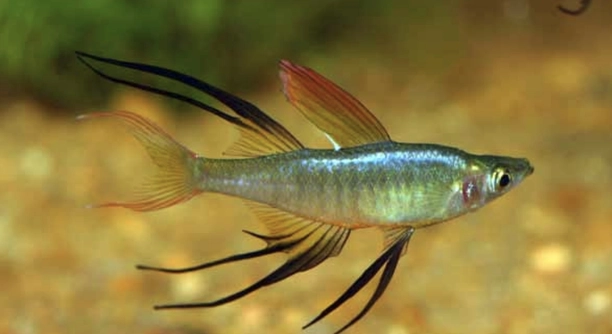
Threadfins are adaptable fish, yet moving to a new environment can be challenging for them. Changes in water temperature, salinity, and habitat structure may cause initial stress as they adjust to unfamiliar conditions.
Threadfins respond to new environments through behavioral and physiological adjustments. They may alter swimming patterns, feeding behavior, and social interactions. Stress levels can temporarily rise, but gradual acclimation allows them to regain stability and resume normal functions.
Understanding these responses helps ensure a smooth transition and promotes long-term health, making it easier to support threadfins in their new surroundings.
Recognizing Stress in Threadfins
When threadfins are introduced to a new environment, they often display clear signs of stress. You may notice reduced activity, hiding in corners, or changes in swimming patterns. Appetite can decrease as their digestive systems adjust, and schooling behavior may become irregular. Environmental factors like water temperature, pH, and oxygen levels play a significant role in how they cope. Even subtle changes in light or noise levels can trigger a temporary response. Observing their behavior closely during the first few days is essential. Providing stable conditions and avoiding sudden disturbances helps them regain confidence. Stress can also affect their immune system, making them more prone to disease. Gentle monitoring and minimal handling allow threadfins to settle more comfortably. Recognizing early signs ensures interventions can be made quickly, preventing long-term health issues. Keeping the habitat clean and maintaining consistent feeding schedules supports their adaptation effectively.
Gradual changes in water quality and structure can significantly reduce stress and help threadfins adjust smoothly.
Maintaining stable water parameters is key for their health. Regularly checking temperature, salinity, and oxygen levels ensures they remain within safe ranges. Introducing minor adjustments slowly prevents shocks. Providing hiding spots and gentle water flow encourages natural behaviors. Balanced feeding supports their metabolism and resilience. Observing interactions among fish can reveal stress or discomfort, allowing for timely adjustments. Consistency in daily routines, including lighting and feeding schedules, builds a sense of security. Over time, threadfins become more confident, resuming normal swimming and social behaviors.
Feeding Adjustments in a New Habitat
New surroundings often affect threadfins’ eating habits. They may be hesitant to feed initially, requiring patience and careful monitoring.
Offering small, frequent meals helps them adjust without overwhelming their digestive system. Start with familiar foods and gradually introduce any new diet components. Nutrient-rich diets support energy levels and strengthen immunity, aiding overall adaptation. Feeding at consistent times each day creates a predictable routine, reducing stress. Observing which foods are accepted allows adjustments to meet their nutritional needs. Environmental enrichment, such as structured feeding areas, encourages natural foraging behaviors. Avoid overfeeding, as uneaten food can degrade water quality and further stress the fish. Slowly increasing portion sizes as appetite returns ensures they maintain healthy growth and activity. Feeding practices can also influence social dynamics, as competition for food may arise. Managing this through careful portioning and placement prevents aggressive behavior. Over several weeks, threadfins usually regain regular feeding patterns, which reflects their overall acclimation and comfort in the new environment.
Acclimating to Water Changes
Threadfins respond best to gradual adjustments in water conditions. Sudden shifts in temperature, salinity, or pH can cause stress and erratic behavior. Small, controlled changes give their systems time to adapt naturally.
Monitoring water parameters daily helps detect even minor fluctuations that may impact the fish. Using a reliable thermometer, salinity meter, and pH test kit ensures accurate readings. When changes are needed, adjust slowly over several hours or days. Consistency in water quality supports their immune system and reduces the likelihood of disease. Maintaining stable oxygen levels and gentle water flow also contributes to a comfortable environment. Observing behavior during adjustments can indicate whether the fish are coping or require additional support, such as temporary hiding areas or reduced handling.
Patience is essential; threadfins acclimate more successfully when water changes are subtle and steady.
Proper filtration and regular partial water changes are crucial for maintaining healthy water conditions. Over time, well-managed water quality prevents long-term stress, supports growth, and encourages normal behavior patterns, including swimming, schooling, and feeding. Careful attention to water chemistry allows threadfins to thrive while minimizing health risks and behavioral disruptions.
Social Behavior and Integration
Threadfins often need time to establish social structures in a new environment. Initially, they may display cautious or solitary behavior.
Introducing them slowly to groups of other fish helps reduce aggression and competition. Observing interactions during the first week is critical to identify bullying or exclusion. Providing multiple hiding spots and evenly distributing food prevents dominant individuals from monopolizing resources. Maintaining stable group sizes and minimizing sudden introductions of new fish promotes harmony. Over time, threadfins begin to integrate, forming consistent schooling patterns. Social acclimation affects both stress levels and feeding efficiency, so managing the environment carefully during this period is essential.
Consistency in daily care routines and monitoring behavior ensures threadfins adapt smoothly, minimizing conflicts. Proper integration supports their mental well-being and long-term survival, enhancing their ability to thrive within the habitat. Social dynamics influence not only feeding and swimming but also reproductive behaviors, making careful observation and management critical during the initial weeks of introduction. By providing structured environments and predictable routines, the fish learn to coexist successfully while maintaining healthy interactions and reducing stress-induced behaviors.
Environmental Enrichment
Threadfins benefit from a varied environment with hiding spots and open swimming areas. Plants, rocks, and gentle currents encourage natural behaviors and reduce stress levels.
Rotating or rearranging decorations periodically keeps the environment stimulating. This prevents boredom and promotes exploration, which supports overall well-being.
Monitoring Health Signs
Regular observation of appearance and behavior is key. Watch for changes in color, fins, or scales that may indicate illness. Feeding response and swimming patterns also reveal stress or discomfort.
Maintaining a clean habitat, consistent feeding schedule, and stable water parameters reduces the risk of disease. Early detection of abnormalities allows for timely interventions, preventing more serious health issues. Simple practices like removing uneaten food, checking water chemistry, and ensuring proper filtration support resilience. By staying attentive, you help threadfins remain active and healthy while adjusting to their new environment.
Adapting Lighting Conditions
Gradual changes in lighting help threadfins adjust without stress. Sudden bright lights can cause hiding or erratic swimming. Maintaining a consistent light-dark cycle supports normal behavior and reduces anxiety.
FAQ
How long does it take for threadfins to adjust to a new environment?
Threadfins usually begin showing signs of acclimation within a few days, but full adjustment can take several weeks. Factors like water quality, temperature, and social dynamics influence the pace. Providing stable conditions and minimizing disturbances helps them settle faster.
What are common signs of stress in threadfins?
Stress may appear as reduced swimming, hiding, irregular schooling, loss of appetite, or faded coloration. Over time, stress can weaken immunity, making fish more susceptible to disease. Regular observation allows you to detect these signs early and take corrective measures.
How should I introduce threadfins to other fish?
Introduce them gradually and monitor interactions closely. Providing hiding spaces and spreading food evenly reduces aggression. Avoid adding too many new fish at once, as sudden changes in social structure can cause conflicts and stress.
What feeding strategies help threadfins adapt?
Start with small, frequent meals of familiar foods. Gradually introduce any new diet items to avoid digestive upset. Maintaining a consistent feeding schedule encourages regular appetite and reduces stress. Observing which foods are accepted allows adjustment for optimal nutrition.
How important is water quality for adaptation?
Water quality is critical. Stable temperature, salinity, oxygen, and pH levels reduce stress and support immune function. Gradual changes help threadfins acclimate without shock. Filtration and regular partial water changes maintain optimal conditions for healthy adjustment.
Can lighting affect threadfins’ behavior?
Yes. Sudden bright lights can cause hiding or erratic swimming. A consistent light-dark cycle supports natural behavior and reduces stress. Gradually introducing new lighting conditions helps threadfins adjust comfortably.
How can I prevent disease during acclimation?
Maintaining clean water, monitoring behavior, and providing proper nutrition are key. Early detection of abnormalities like faded color, fin damage, or lethargy allows quick intervention. Minimizing handling and avoiding overcrowding also helps reduce disease risk.
What role does environmental enrichment play?
Providing hiding spots, plants, and varied spaces encourages natural exploration and reduces boredom. Periodically rotating decorations keeps the environment stimulating, supporting mental and physical well-being during adjustment.
How often should I check water parameters?
Daily checks of temperature, salinity, pH, and oxygen are recommended during the first few weeks. Consistent monitoring helps catch minor fluctuations before they stress the fish, allowing timely corrections to maintain stability.
When should I seek professional advice?
If stress signs persist beyond a few weeks, or if disease symptoms appear, consulting a fish health professional is important. Prompt guidance ensures proper treatment and supports long-term adaptation and survival.
How does social behavior affect adaptation?
Threadfins establish social hierarchies gradually. Conflicts may arise in new groups. Providing multiple hiding areas and monitoring interactions prevents bullying, helping all individuals integrate smoothly. Stable group sizes support normal schooling and feeding behavior.
Is it normal for threadfins to hide a lot at first?
Yes. Hiding is a natural response to unfamiliar surroundings. As comfort increases and stress decreases, they gradually explore more and resume normal swimming and feeding patterns.
Can temperature fluctuations be harmful?
Sudden temperature changes can shock threadfins, causing stress and health problems. Gradual adjustments allow them to adapt without compromising immunity. Using a thermometer and adjusting slowly is essential.
How can I encourage natural behavior in a new environment?
Providing hiding spots, gentle currents, varied surfaces, and structured feeding areas encourages exploration, foraging, and schooling. These measures promote both physical and mental well-being, helping threadfins feel secure and active.
What is the best approach for long-term acclimation?
Consistency, observation, and patience are key. Stable water conditions, gradual dietary changes, attention to social dynamics, and environmental enrichment all contribute to successful adaptation. Regular care and monitoring support healthy, confident fish over time.
This FAQ covers the most common concerns when threadfins face a new environment, providing practical guidance to support their adjustment effectively and safely.
Final Thoughts
Adjusting to a new environment is a natural process for threadfins, but it requires patience and careful attention. Each fish reacts differently to changes in water quality, social dynamics, and feeding routines. Some may adapt quickly, resuming normal swimming and feeding within days, while others need weeks to feel comfortable. Observing behavior closely during the first few weeks is essential. Signs such as hiding, reduced appetite, or irregular schooling are normal initially, but persistent stress may indicate a need for intervention. Maintaining stable conditions, including temperature, salinity, pH, and oxygen levels, supports their overall health and encourages smoother adaptation. Gradual changes in any environmental factor reduce stress and help threadfins regain confidence in their surroundings.
Feeding plays a key role in their adjustment. Offering small, consistent meals of familiar foods helps their digestive system remain steady. Slowly introducing new food types ensures they receive balanced nutrition without causing digestive upset. Observing which foods are accepted allows adjustments to meet their needs effectively. Even minor changes in diet or feeding schedules can impact stress levels and social behavior, so consistency is important. Additionally, providing multiple feeding points reduces competition and prevents dominant fish from monopolizing resources. A predictable feeding routine combined with proper nutrition strengthens immunity and promotes normal growth, which is critical during the acclimation period. Environmental enrichment, such as hiding spots, gentle currents, and varied spaces, also supports natural behavior, allowing threadfins to explore and interact with their habitat safely.
Social dynamics and interaction with other fish are equally important. Threadfins may display cautious or solitary behavior at first, but over time they tend to integrate into schools as they feel more secure. Providing adequate hiding areas and minimizing sudden introductions of new fish reduces conflict and stress. Observing group behavior helps identify aggression or exclusion, which can then be managed by rearranging the environment or adjusting feeding strategies. Gradual adaptation, patience, and careful monitoring create a supportive environment that fosters both physical and mental well-being. Overall, understanding their needs and responding to their behavior with consistency and attention ensures threadfins not only survive but thrive in their new environment, developing normal feeding patterns, social behavior, and activity levels.

Hello,
If you enjoy the content that we create, please consider saying a "Thank You!" by leaving a tip.
Every little bit helps us continue crafting quality advice that supports the health, happiness, and well-being of pets around the world, for pets of all shapes, sizes, and species.
We really appreciate the kindness and support that you show us!