
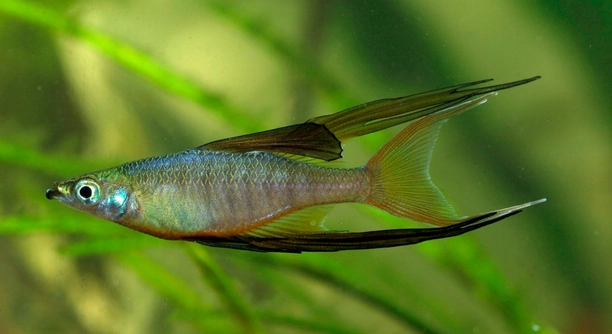
Threadfins are fascinating fish known for their graceful movements and subtle behaviors. Observing them closely can reveal patterns in their swimming, interactions, and even the way they respond to their environment, offering a glimpse into their daily lives.
Threadfins communicate through small, often overlooked body language cues, such as fin flicks, body tilts, and posture adjustments. These behaviors serve as signals for social interaction, territorial awareness, and environmental responses, providing valuable insight into their natural behavior.
Recognizing these cues helps you better understand threadfins and enhances your appreciation for their complex yet understated communication.
Fin Flicks and Tail Movements
Threadfins often use their fins and tails to communicate subtle messages. A quick flick of the tail can indicate alertness or mild agitation, while gentle fin movements may signal relaxation or contentment. Observing these motions helps identify their mood and readiness to interact. In groups, synchronized fin flicks can show cohesion or indicate a response to environmental changes. Tail movements are also important during feeding, as they can guide younger or less dominant fish toward food sources. The speed, angle, and frequency of these movements can reveal much about their intentions. Even minor variations in these gestures are meaningful, and careful observation allows for better understanding of each fish’s unique behavior. Noticing these patterns can improve care and interaction with threadfins, creating a more harmonious aquarium or natural environment. These movements, though subtle, are vital for interpreting their daily behaviors accurately.
Watching tail and fin movements gives insight into threadfins’ current mood and interactions.
Careful attention to these signals allows for better management of feeding, social dynamics, and overall fish well-being in any setting.
Posture and Body Angle
Threadfins change their posture to communicate dominance, submission, or readiness to swim. A slightly lowered body may indicate caution, while an upright posture signals confidence or curiosity.
Adjustments in body angle are key in avoiding conflicts and coordinating movement with other fish, especially in schools.
Posture also plays a role in environmental awareness. Fish facing downward or tilting their body may be inspecting the substrate or searching for food. Angled swimming can indicate intention to move quickly or shift direction. Observing these shifts allows you to predict behavior before it escalates into aggression or stress. In social groups, dominant threadfins display more upright stances, while submissive individuals keep low to avoid confrontation. Noticing these differences helps in managing tank dynamics or understanding natural interactions in the wild. Posture cues, combined with fin and tail movements, create a clearer picture of threadfin communication and emotional state, allowing more attentive and informed observation of their subtle signals.
Eye Movements and Glances
Eye movements in threadfins can signal attention or awareness. Quick glances toward other fish or objects often indicate curiosity, while slow, deliberate movements show observation or caution.
Tracking eye direction helps identify focus points and intentions. When threadfins glance repeatedly at a particular area, it may signal potential food sources, a change in surroundings, or the presence of other fish. Rapid eye shifts can indicate stress or alertness to nearby movement. In social groups, synchronized glances may strengthen cohesion or signal collective awareness of environmental changes. Observing these subtle shifts provides insight into their mood and priorities, making it easier to anticipate behaviors. Paying attention to glances enhances understanding of both social and environmental interactions. Eye movements are small but significant indicators of attention, vigilance, and engagement.
Repeated glances often coincide with movement, feeding, or changes in group dynamics, showing how attentive threadfins are to their environment.
Eye contact and glances serve as early warnings or cues for interaction, helping threadfins navigate safely and interact effectively with others.
Body Shifts and Orientation
Threadfins often shift their bodies slightly to communicate or adjust to currents. These movements help maintain balance and positioning in groups or near obstacles.
Slight body shifts can signal readiness to move, respond to threats, or coordinate with other fish. The angle and direction of orientation reveal whether a fish is confident, cautious, or focused on something specific. In group settings, subtle shifts help maintain spacing and prevent collisions. Body orientation also affects feeding efficiency, as fish position themselves to access food while avoiding competition. Observing these small adjustments provides insight into social hierarchy and individual priorities. Even minor body changes carry meaning, reflecting intentions and reactions in real time.
Orientation and shifts allow threadfins to communicate non-verbally and maintain harmony within their environment, supporting smoother interactions and safer movement.
Subtle adjustments in position often indicate alertness, intention, and interaction with others, forming a key part of their communication system.
Gill and Mouth Movements
Threadfins use gill and mouth movements to indicate breathing rate and stress levels. Rapid gill movements can show excitement or alertness, while slower motions suggest calmness and contentment.
Mouth movements also signal feeding readiness or communication. Subtle changes can reveal hunger, curiosity, or interaction intentions with other fish.
Lateral Line Signals
The lateral line in threadfins helps detect vibrations and water movement. Fish use subtle body ripples and fin adjustments to communicate, coordinate schooling, and respond to environmental changes. Observing these signals provides insight into social hierarchy, movement coordination, and environmental awareness, improving understanding of group behavior and individual responses.
Tail Position
Tail position in threadfins reflects balance, readiness, and emotional state. A raised tail indicates alertness, while a relaxed tail signals calm or neutral mood.
Subtle shifts help manage swimming efficiency, social interactions, and responses to environmental changes.
FAQ
How can I tell if a threadfin is stressed?
Threadfins show stress through rapid gill movements, erratic swimming, or sudden changes in posture. They may tuck their fins close to the body, flick their tails quickly, or stay near the bottom of the tank or water column. Watching these behaviors regularly helps identify stress early.
Why do threadfins flick their fins repeatedly?
Repeated fin flicks usually indicate alertness or communication with other fish. In groups, synchronized flicks may signal coordination or awareness of changes in the environment. Gentle flicks often mean relaxation, while rapid or forceful flicks can point to agitation or territorial behavior.
What does it mean when a threadfin changes its body angle?
A change in body angle reflects intent or emotion. Tilting upward can signal curiosity or confidence, while lowering the body shows caution or submission. Angled swimming may indicate preparation to move quickly, respond to a threat, or interact socially with other fish.
How do eye movements indicate focus?
Threadfins use quick glances or slow deliberate eye movements to indicate attention. Repeated glances at an object or another fish suggest interest or assessment, while rapid eye shifts indicate alertness or potential stress. Watching eye direction helps anticipate their next actions.
Can gill and mouth movements show feeding behavior?
Yes, slow and rhythmic gill movements suggest calmness, while quick movements indicate excitement or readiness. Subtle mouth openings can signal hunger or intent to interact with food sources, helping you predict when a fish is about to feed.
Why is tail position important?
Tail position reflects balance and mood. A raised tail often shows alertness or readiness to move, while a relaxed tail signals calmness. Subtle shifts help the fish manage swimming efficiency and social interactions with other fish.
How do lateral line signals help threadfins communicate?
The lateral line detects vibrations in the water. Threadfins use it to sense movement, maintain spacing in groups, and coordinate schooling. Slight body ripples or fin adjustments communicate social intent, environmental awareness, and help prevent collisions in groups.
Are there signs that indicate dominance or submission?
Yes, posture is key. Upright postures indicate dominance or confidence, while lowered bodies or angled swimming indicate submission or caution. Observing how threadfins position themselves in relation to others helps understand hierarchy within a group.
Can these cues change depending on the environment?
Absolutely. Environmental factors like current, tank size, or presence of other fish influence body language. Stressful or crowded environments can exaggerate movements, while calm, spacious areas allow more relaxed behavior. Monitoring cues in different settings improves understanding of their natural responses.
How often should I observe these behaviors?
Regular observation is important. Daily monitoring for short periods is enough to notice patterns. Taking note of changes over time helps track health, mood, and social dynamics, ensuring threadfins are thriving in their environment.
Do individual fish show unique behaviors?
Yes, each threadfin has subtle differences in movements and signals. Some flick fins more often, others tilt their bodies differently. Understanding these individual quirks allows for more precise interpretation of their moods and needs.
Can I influence their behavior through interaction?
Mildly, yes. Consistent feeding routines, gentle movement near the tank, and predictable environmental changes help threadfins feel secure. They may respond with relaxed fin flicks, glances, or slight posture adjustments, showing recognition and comfort.
How do group dynamics affect body language?
In groups, social interactions intensify. Dominant fish influence the posture and movement of others, synchronized swimming communicates coordination, and subtle fin or tail signals indicate agreement or caution. Understanding group dynamics improves care and observation.
Are there warning signs before aggression?
Yes, subtle cues often appear before conflict. Rapid fin flicks, sudden posture changes, intense glances, or angled swimming toward another fish can signal potential aggression. Early recognition allows for intervention to prevent stress or injury.
How do I record or track these behaviors effectively?
Keeping a simple log of daily observations helps track changes. Note fin movements, posture, eye direction, and tail position along with environmental conditions. Over time, patterns emerge that provide insight into mood, health, and social interactions.
Can these cues indicate health problems?
Yes, unusual or persistent changes in gill, tail, fin, or body movements can signal illness or stress. Combining behavioral observation with environmental checks helps detect problems early and take appropriate action.
Do juveniles show the same signals as adults?
Juveniles often display similar cues but more subtly or inconsistently. They may flick fins less frequently or show rapid shifts in posture during feeding or social interaction. Careful observation helps interpret their developing communication skills.
Is it necessary to know all these cues?
While not required, understanding subtle cues greatly improves interaction, care, and observation. Awareness allows for healthier environments, better feeding practices, and reduced stress among fish.
How long does it take to become familiar with these behaviors?
Familiarity grows with regular observation over weeks or months. Paying attention to repeated patterns, group dynamics, and individual differences accelerates understanding and allows accurate interpretation of threadfin communication.
Can environmental enrichment affect body language?
Yes, adding hiding spots, natural substrates, or gentle water flow encourages natural behaviors. Threadfins show more confident posture, relaxed tail positions, and frequent fin flicks when comfortable and engaged.
Are these behaviors consistent across species of threadfins?
Most core cues like fin flicks, tail position, and posture are consistent, but frequency and subtlety may vary between species. Observing the specific species is important for accurate interpretation.
Can I misread the cues?
It’s possible, especially with subtle behaviors or unfamiliar fish. Context, environmental conditions, and individual differences all influence interpretation. Consistent observation over time reduces misreading and improves accuracy.
What is the best way to start observing threadfin body language?
Begin with short, focused observation sessions. Watch fin movements, tail position, eye direction, and posture. Note reactions to feeding, movement, or other fish. Over time, patterns become clear, and you’ll understand both individual and group behaviors.
How do these cues help in breeding or care?
Recognizing body language helps identify stress, readiness to feed, and social hierarchy. Proper care, placement of individuals, and monitoring interactions improve health, reduce aggression, and increase chances of successful breeding.
Can subtle movements indicate readiness for social interaction?
Yes, relaxed fins, upright posture, and attentive glances often indicate interest in interaction. Tail position and body shifts can signal willingness to engage, either in feeding, schooling, or gentle social behaviors.
How do I differentiate between curiosity and stress?
Curiosity usually comes with slow, deliberate movements, upright posture, and controlled glances. Stress often shows rapid gill or fin movements, erratic swimming, or hiding. Comparing multiple cues together provides a clearer interpretation.
Are these observations useful in aquaculture or research?
Absolutely. Understanding body language helps monitor health, detect stress, and maintain harmonious groups. Accurate interpretation aids in feeding strategies, habitat design, and ensuring overall well-being of threadfins in controlled environments.
Do these cues change with water conditions?
Yes, water temperature, clarity, current, and oxygen levels can influence behavior. Poor conditions may cause rapid fin flicks, erratic movement, or lowered posture. Stable conditions encourage relaxed, natural body language and normal social interactions.
How long should I watch each session?
Short sessions of 10–20 minutes daily are effective. Frequent, consistent observation allows recognition of subtle behaviors without stressing the fish or interrupting their normal activity.
What is the most overlooked cue?
Eye movement is often underestimated. Glances and gaze direction reveal focus, alertness, and intention, providing early insight into interactions, feeding behavior, or potential stress before other cues appear.
Can behavior indicate compatibility in groups?
Yes, observing interactions like posture, fin flicks, and tail position shows which individuals coexist peacefully. Conflicts or stress signals reveal incompatibility, allowing adjustments for balanced group dynamics.
Is it normal for a fish to have unique signals?
Yes, individuality exists. Some fish flick fins more often, tilt differently, or show distinct posture preferences. Recognizing these quirks enhances understanding of specific needs and moods within a group.
How do I combine all cues for a complete picture?
Watch fin movements, tail position, posture, eye direction, gill and mouth activity, and body orientation together. Context matters—feeding, movement, or social interaction provides meaning. Combining cues gives a comprehensive understanding of mood, health, and social behavior.
Can I train myself to notice subtle cues faster?
Yes, repeated, focused observation improves recognition. Start with one type of signal, like tail or fin movement, then expand to posture and eye direction. Practice helps quickly identify patterns and anticipate behaviors.
Are there signs that threadfins are comfortable?
Relaxed fins, smooth swimming, calm gill movements, upright posture, and gentle glances indicate comfort. Observing these behaviors consistently shows fish are secure and interacting naturally.
How does age affect body language?
Juveniles display similar cues but less consistently. Adults show refined, repeated signals reflecting social hierarchy, experience, and confidence. Age impacts frequency, subtlety, and clarity of behaviors.
Is it important to observe during feeding?
Yes, feeding triggers natural behaviors. Fin flicks, posture adjustments, glances, and tail shifts reveal hierarchy, readiness, and social dynamics. Observing during feeding gives insight into both individual and group behavior patterns.
Can body language reveal illness early?
Yes, unusual fin or tail movements, posture changes, rapid gill activity, or inconsistent glances often precede visible illness. Early recognition allows prompt care and prevents worsening conditions.
Do water flow and tank design influence cues?
Yes, current, hiding spaces, and obstacles shape movement, posture, and fin use. Proper design encourages natural behavior, clearer signals, and reduces stress in threadfins.
How should I respond to aggressive signals?
If aggressive cues appear, consider adjusting tank mates, adding space, or creating hiding spots. Observing and modifying the environment reduces stress and prevents injury, maintaining balanced social interactions.
Are there seasonal or environmental variations?
Behavior can shift with temperature, breeding cycles, or habitat changes. Adjustments in fin flicks, tail position, and posture reflect adaptation to these seasonal or environmental changes.
What are the most reliable signals to monitor daily?
Fin and tail movements, posture, gill and mouth activity, and eye direction provide consistent, interpretable cues. Daily observation helps detect stress, health issues, and social changes promptly.
How long does it take to interpret cues accurately?
With regular observation, patterns become clear in weeks. Consistency, patience, and attention to detail allow accurate understanding of both individual and group behaviors over time.
Can subtle cues predict feeding success or social harmony?
Yes, relaxed fins, attentive glances, and smooth swimming indicate readiness to feed and peaceful interactions. Recognizing these signals helps manage group dynamics and ensures balanced care.
Do threadfins communicate differently in larger groups?
Yes, cues become more frequent and coordinated. Fin flicks, glances, posture, and tail shifts signal group awareness, social hierarchy, and collective responses to environmental changes.
Are there tools to help track these behaviors?
Simple logs, video recordings, or observation charts work well. Noting time, context, and individual behaviors creates a record that improves understanding of long-term patterns.
Can I misinterpret playful behavior as aggression?
Yes, fast movements or tail flicks may seem aggressive but can be playful or exploratory. Context and repeated observation help differentiate between the two.
Do these behaviors apply in the wild and captivity?
Most core cues remain the same, but environmental factors, space, and group composition influence frequency and subtlety. Observing in both settings provides a complete understanding.
Is continuous observation necessary?
No, short, consistent sessions suffice. Frequent checks allow pattern recognition without disrupting natural behavior or causing stress.
Can these cues help in breeding programs?
Yes, identifying readiness, stress, and social hierarchy ensures healthier breeding conditions. Correctly interpreting behavior reduces conflict and supports reproductive success.
How do I distinguish curiosity from aggression in interactions?
Curiosity shows controlled glances, slow fin movements, and upright posture. Aggression has rapid fin flicks, angled posture toward another fish, and sudden tail movements. Context and multiple cues clarify intent.
Are there environmental signs that affect communication?
Yes, lighting, water quality, and temperature changes influence behavior. Subtle cues may increase under stress or decrease when conditions are ideal.
How does group size impact communication?
Larger groups increase frequency and coordination of fin flicks, glances, and posture adjustments. Smaller groups show subtler, individualized signals. Monitoring size effects improves understanding of social dynamics.
Can body language indicate readiness for schooling?
Yes, synchronized fin flicks, similar posture, and aligned orientation show readiness for coordinated movement, signaling cooperation and alertness within the group.
Do threadfins ever ignore cues?
Occasionally, distraction, feeding focus, or environmental stress can cause them to overlook signals. Persistent monitoring helps identify which cues are reliable under different conditions.
How do I combine observation with care routines?
Observe before, during, and after feeding, cleaning, or environmental changes. Note reactions, posture, and movements to adapt care practices, ensuring comfort and social stability.
Can consistent observation reduce aggression?
Yes, by understanding hierarchy, stress triggers, and preferred spaces, adjustments can prevent conflict. Awareness allows proactive care, leading to calmer, more harmonious groups.
How precise do observations need to be?
Moderate precision works well. Focus on overall trends and repeated patterns rather than minor, rare movements. Over time, subtle details become easier to interpret accurately.
What are the benefits of mastering these cues?
Understanding body language improves health monitoring, social management, and feeding efficiency. It reduces stress, prevents conflicts, and enhances appreciation of threadfins’ complex behaviors.
How do I start tracking cues efficiently?
Begin with one or two signals, like tail position or fin flicks, then expand to posture, eye movement, and glances. Gradually build a habit of systematic observation.
Can environmental enrichment highlight certain behaviors?
Yes, adding structures, currents, or hiding spots encourages natural interactions, more frequent fin flicks, varied postures, and attentive glances, making cues easier to observe and interpret.
Do subtle cues change with age or experience?
Yes, older or more experienced fish often show refined, consistent signals. Juveniles may be unpredictable, but they gradually develop recognizable patterns as they mature.
Are some cues species-specific?
Most behaviors are consistent across threadfins, but subtle differences exist. Observing the specific species ensures accurate interpretation of posture, fin movements, and glances.
How do I record individual versus group behavior?
Note individual movements, posture, and interactions, then compare with group trends. Patterns reveal hierarchy, compatibility, and social roles, aiding in management and observation.
Do cues differ during feeding versus resting?
Yes, feeding increases fin flicks, glances, and alert posture. Resting shows relaxed fins, gentle glances, and calm tail position, reflecting a comfortable state.
Are glances more important than body posture?
Both matter, but glances provide immediate insight into focus and attention, while posture indicates mood, readiness, and confidence. Combining both gives a clearer picture.
Can I rely on these cues for health assessment?
Yes, consistent observation of posture, fin and tail movement, gill and mouth activity, and glances can indicate early signs of illness or stress.
Is it normal for behaviors to vary daily?
Yes, minor variations occur due to feeding schedules, environment, and social interactions. Patterns become apparent with regular observation over time.
Do external disturbances affect cues?
Yes, sudden movements, noise, or lighting changes can cause rapid fin flicks, erratic swimming, or hiding. Observing behavior before and after disturbances helps distinguish normal versus stress responses.
How does water temperature affect movements?
Temperature influences metabolism and activity. Higher temperatures can increase fin flicks and alertness, while cooler conditions may slow movements and reduce social interactions.
Can body language indicate reproductive readiness?
Yes, subtle postures, fin movements, and glances change during mating periods. Recognizing these behaviors aids in breeding management and understanding social hierarchy.
Are these cues easy to teach others?
Yes, with demonstration and consistent observation, others can learn to recognize fin flicks, tail position, posture, glances, and gill activity. Visual examples accelerate learning.
Can multiple cues be combined into a scoring system?
Yes, assigning points to observed behaviors creates a structured way to track stress, social dominance, or readiness for feeding and breeding, improving management accuracy.
Do environmental changes require re-evaluation of cues?
Yes, new conditions, tank mates, or habitat modifications can alter behavior. Continuous observation ensures cues remain accurate for current circumstances.
How do I handle conflicting signals?
Consider context, group dynamics, and environmental factors. Look for repeated patterns rather than single movements to interpret intentions accurately.
Can subtle cues prevent problems in mixed species tanks?
Yes, observing fin flicks, posture, glances, and tail position helps detect early stress or aggression, allowing preventive action and better compatibility management.
How long should I observe before drawing conclusions?
Several sessions over days or weeks provide a reliable understanding. Repeated observations reduce misinterpretation of occasional or unusual behavior.
Are these behaviors instinctive or learned?
Most are instinctive but influenced by experience, social interactions, and environmental conditions. Observation helps distinguish innate patterns from adaptive behaviors.
Do these cues change during nocturnal activity?
Yes, night-time behavior may be subtler, with fewer fin flicks and slower movements. Glances and posture still indicate alertness and social dynamics.
Is it necessary to track every individual in a group?
Tracking key individuals is often sufficient to understand overall dynamics. Noting variations among dominant, submissive, or unique fish helps manage the group effectively.
Can observing these cues reduce mortality?
Yes, early detection of stress, illness, or aggression allows prompt intervention, improving survival rates and overall well-being in both captive and managed environments.
How do I differentiate playful from aggressive tail flicks?
Playful flicks are slower, gentler, and often repetitive in relaxed postures. Aggressive flicks are rapid, sharp, and accompanied by angled body posture or glances toward other fish.
Are there cues for environmental discomfort?
Yes, hiding, erratic swimming, rapid fin flicks, or lowered posture indicate discomfort due to temperature, water quality, or unsuitable habitat conditions.
Can cues predict social bonding?
Yes, frequent synchronized fin flicks, gentle glances, and coordinated body shifts
Threadfins are fascinating creatures, and their subtle body language provides a clear window into their behavior, mood, and social interactions. Observing these fish closely can reveal small but meaningful gestures, such as fin flicks, tail movements, and body posture changes. Each of these cues carries specific information, from signaling alertness or relaxation to indicating social hierarchy within a group. Paying attention to these signals allows you to understand threadfins more accurately, which can improve the way you care for them and enhance your appreciation for their natural behaviors. Even small movements, when observed consistently, tell a larger story about how the fish perceive and interact with their environment. Understanding these gestures requires patience, but it becomes easier over time as patterns begin to emerge.
Regular observation is key to interpreting threadfin behavior effectively. Watching how they move, interact with one another, and respond to environmental changes allows for better anticipation of their needs and moods. Fin flicks, for example, may show excitement or alertness, while more deliberate movements often indicate calmness or curiosity. Tail position, body orientation, and glances reveal social dynamics and readiness to interact, whether for feeding, schooling, or exploring their surroundings. Recognizing these cues also helps identify stress, aggression, or illness early, allowing timely intervention and reducing potential conflicts in a tank or natural habitat. Paying attention to repeated patterns rather than isolated movements ensures a more accurate understanding of their behavior. Observing consistently also helps you learn individual differences, as each fish may have unique ways of expressing themselves through body language.
Understanding threadfin body language benefits both casual observers and those managing groups in aquaculture or home aquariums. These subtle cues provide insight into social structure, environmental preferences, and overall well-being, which can guide decisions regarding feeding, tank design, and care practices. By interpreting movements like fin flicks, gill activity, posture shifts, and eye direction, you gain a more complete picture of how these fish interact with each other and their surroundings. Over time, this knowledge allows for improved management, a calmer environment, and more natural interactions among fish. Becoming familiar with their body language also enhances the experience of watching threadfins, as you can better appreciate the small, meaningful behaviors that define their daily lives. Observing and understanding these signals is not only informative but also enriching, giving a deeper connection to these subtle, intelligent, and graceful fish.

Hello,
If you enjoy the content that we create, please consider saying a "Thank You!" by leaving a tip.
Every little bit helps us continue crafting quality advice that supports the health, happiness, and well-being of pets around the world, for pets of all shapes, sizes, and species.
We really appreciate the kindness and support that you show us!