
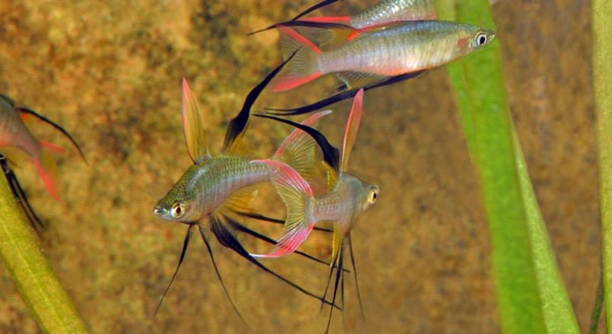
Have you ever noticed your Threadfin Rainbowfish swimming together in groups yet acting independently at the same time? Their movements often seem coordinated, almost like small, temporary partnerships forming within the aquarium environment.
Threadfin Rainbowfish are capable of forming short-term alliances, primarily for feeding or evading threats. These associations are fluid and situational, dissolving once the immediate benefit ends, reflecting adaptive social behavior rather than permanent group structures.
Observing these patterns can reveal subtle interactions that influence the fish’s daily activities and overall wellbeing in captivity.
Understanding Temporary Alliances
In my experience keeping Threadfin Rainbowfish, I noticed they often swim in small groups that change frequently. These temporary alliances usually happen around feeding times or when they feel threatened. One day, I observed three fish grouping near a plant while the others explored open water. The grouping lasted only a few minutes before dissolving as the fish scattered. Such behavior shows they are capable of social coordination but do not form fixed teams. The alliances are flexible, reacting to the immediate environment rather than being based on permanent hierarchy. It’s fascinating to see them adjust their position based on who is nearby, almost as if they are negotiating space. Watching these moments helps understand their natural instincts and needs. It also highlights the importance of giving them enough room to move freely, ensuring that temporary groupings can form without stress. These fleeting associations play a role in feeding efficiency and predator avoidance.
Temporary alliances help Threadfin Rainbowfish reduce stress and share resources without requiring permanent bonds, making social flexibility vital in their care.
Observing these patterns, I realized the fish are highly responsive to each other’s actions. In aquariums with multiple hiding spots, alliances form near cover, especially when food is introduced. The fish use quick, coordinated movements to claim feeding areas or avoid perceived threats. I often see one fish approach a group, and the others allow it to stay briefly before moving apart. This indicates a system of temporary tolerance and cooperation, shaped by immediate needs rather than long-term loyalty. Understanding this behavior allows better tank management, like arranging plants or decor to encourage healthy interaction and reduce aggression. By observing which fish group together and when, I can predict stress points and adjust feeding routines or tank layout. This responsiveness highlights how Threadfin Rainbowfish balance independence with brief social cooperation, making their behavior dynamic and engaging to watch.
Factors Influencing Alliances
Alliances usually form when food or shelter is involved, and they dissolve once needs are met.
Environmental conditions, like tank size, vegetation density, and the number of fish, heavily influence temporary alliances. In smaller tanks, fish may form groups more frequently because space is limited, forcing them to navigate shared areas. Dense plants provide cover, allowing fish to form short-term clusters when they feel threatened, then disperse as safety increases. The presence of other species in the tank can also impact alliance formation; competitive or aggressive tank mates may push Threadfin Rainbowfish to seek temporary groupings for safety. Feeding schedules and methods play a role as well. If food is scattered, alliances may last only moments, whereas concentrated feeding areas encourage brief cooperation to access resources. Observing these factors helps understand when and why these alliances form, allowing adjustments in tank management to promote natural behaviors. Temporary alliances are thus a reflection of situational needs, influenced by both social and environmental variables.
Observing Feeding Behavior
I often see Threadfin Rainbowfish form brief groups around food. They move quickly, sometimes letting others take the first bites, then joining in once it feels safe. These short alliances reduce competition and make feeding more efficient.
Watching them closely, I notice patterns in how they eat together. One fish may approach the food first while others hang back, assessing safety. Then, in a coordinated burst, several fish feed at once, staying alert to each other’s movements. Alliances rarely last more than a few minutes and dissolve once the food is gone. This behavior shows that cooperation is situational, focused on immediate benefit rather than forming permanent social bonds. In smaller tanks, this coordination seems stronger, as space is limited and the fish must navigate together to access resources. Observing these interactions reveals how adaptable Threadfin Rainbowfish are in balancing competition with temporary cooperation.
The alliances during feeding also seem to reduce stress. Fish are less aggressive when they have others nearby, suggesting that temporary grouping provides both protection and efficiency.
Influence of Tank Setup
The layout of the tank strongly affects how these alliances form. Hiding spots, plants, and open swimming areas all shape interactions and create opportunities for brief cooperation.
In my experience, tanks with plenty of plants allow Threadfin Rainbowfish to form temporary clusters when they feel threatened, then disperse once they are comfortable. Open swimming spaces encourage fluid alliances as fish navigate around each other for food or territory. Even subtle changes, like rearranging decorations or adding new plants, can shift alliance patterns. Fish may explore new groupings or avoid previously common partners depending on the environment. Adjusting tank size also has an effect; larger tanks reduce constant interaction, while smaller setups increase short-term cooperation due to limited space. Observing these patterns helps me manage the tank effectively, ensuring that temporary alliances occur naturally and stress is minimized.
Tank setup influences not only alliance formation but also daily behavior. Fish appear more confident in larger tanks with varied environments, forming alliances only when necessary. Proper layout encourages natural social behaviors while reducing conflict, making the aquarium experience smoother for both fish and caretaker.
Social Dynamics
Threadfin Rainbowfish adjust their behavior based on who is nearby. Some fish temporarily lead groups, while others follow, showing flexible social roles that change throughout the day.
Alliances are brief and situational, often forming around food or cover. Fish rarely maintain the same partners for long periods, highlighting their adaptable social nature.
Impact of Stress
Stress directly influences temporary alliances. When the fish feel threatened by sudden movements or loud noises, they cluster together quickly for protection. These short-term groupings help reduce anxiety and allow them to respond more efficiently to potential dangers in their environment.
Observing Patterns
I noticed that alliances are most predictable during feeding and when new objects are added to the tank. Fish assess each other’s reactions before deciding whether to join a group or stay independent.
Role of Environment
A well-structured tank encourages natural social behavior. Plants, hiding spots, and open areas give Threadfin Rainbowfish opportunities to form temporary alliances without overcrowding or conflict.
FAQ
How long do temporary alliances last in Threadfin Rainbowfish?
From my observations, these alliances usually last only a few minutes. They form quickly when food is introduced or when the fish sense a potential threat. Once the immediate need passes, the group disperses, and the fish resume independent swimming. These short-term groupings are situational rather than permanent, highlighting the species’ flexible social behavior.
Do all Threadfin Rainbowfish participate in these alliances?
Not always. Some individuals tend to be more social and will join temporary groups more often, while others remain more independent. Personality differences, age, and health can influence participation. Even within the same tank, you may notice that certain fish consistently lead or follow during brief alliances.
Can tank size affect alliance formation?
Yes, tank size plays a significant role. In smaller tanks, fish are more likely to interact frequently, forming temporary alliances often due to limited space. Larger tanks allow more freedom, so alliances form primarily around food or cover rather than constant proximity. I’ve noticed that rearranging plants or adding hiding spots can also shift how alliances form.
Does the presence of other fish species impact alliances?
Definitely. Aggressive or territorial species can trigger temporary alliances among Threadfin Rainbowfish for protection. Peaceful species tend to have less impact. When other fish are introduced, I often see the rainbowfish forming brief clusters near plants or corners, waiting to assess safety before dispersing again.
Are temporary alliances beneficial for feeding?
Yes, they help reduce competition and increase efficiency. During feeding, one fish may approach the food cautiously, followed quickly by others once it’s safe. This cooperation allows more fish to access food without unnecessary stress or confrontation. I’ve noticed that this behavior keeps the tank calmer overall during meal times.
Do temporary alliances reduce stress in the tank?
They do. Clustering together during perceived threats gives the fish a sense of safety. When the group forms, individuals often appear calmer and more coordinated in their movements. Once the stressor is gone, the group dissolves naturally, showing that the alliances serve a protective function rather than being social obligations.
How can I encourage healthy alliances in my aquarium?
Providing a balanced environment with enough plants, hiding spots, and open swimming areas is key. Avoid overcrowding and maintain a consistent feeding routine. I’ve found that when the tank layout allows for natural movement and optional cover, alliances form and dissolve smoothly, supporting the fish’s wellbeing without causing conflict.
Do temporary alliances affect breeding behavior?
Indirectly, yes. Healthy social dynamics can reduce stress, which is important for breeding. While temporary alliances are not directly linked to mating, a calm, cooperative environment allows fish to focus on courtship and egg-laying without constant competition or harassment from others.
Can these alliances be observed in wild Threadfin Rainbowfish?
Yes, similar behaviors occur in the wild. Fish form brief groups around food or shelter and then disperse. Observing these patterns in captivity helps replicate natural conditions, ensuring the fish can express instinctive behaviors while adapting to the tank environment.
What signs indicate alliances are forming?
Look for coordinated movement, temporary clustering, and synchronized swimming. Often, fish will position themselves near each other, sharing space around plants or food. I’ve noticed subtle signals like fin flicks or approach gestures, showing their willingness to cooperate briefly.
How often do alliances occur in a day?
It depends on tank conditions, feeding schedules, and environmental stimuli. In my tanks, alliances appear several times a day, mainly during feeding or when new objects are introduced. Between these moments, fish usually swim independently, demonstrating flexible social behavior.
Do temporary alliances lead to aggression later?
Not typically. Once the immediate benefit ends, the group disperses without significant conflict. Some minor jostling can occur, especially in smaller tanks, but these are usually brief and do not indicate ongoing aggression. Proper tank management helps minimize stress-related disputes.
Can observing these alliances improve tank management?
Absolutely. Watching when and why alliances form gives insights into social structure, stress points, and environmental needs. I often adjust feeding methods, tank layout, or plant placement based on alliance patterns, which helps maintain a calm, healthy aquarium.
Are alliances more common in younger or older fish?
Younger fish tend to form alliances more frequently, likely due to vulnerability and inexperience. Older, more confident individuals may act independently but will still join a temporary group if the situation warrants, such as feeding or avoiding perceived threats.
Do temporary alliances affect overall health?
Indirectly, yes. Alliances reduce stress and allow efficient access to resources, which contributes to better health. Fish that experience less stress tend to have stronger immune systems, better coloration, and more consistent behavior, reflecting the benefits of these short-term social interactions.
How can I tell if my fish are stressed during alliances?
Signs include rapid darting, hiding excessively, or refusing food. While alliances often reduce stress, sudden changes in environment or aggressive tank mates can trigger defensive clustering. I pay attention to these behaviors to adjust tank conditions, ensuring that alliances remain beneficial rather than stressful.
Do environmental changes disrupt alliances?
Yes, even small changes like new decorations, altered plant positions, or water parameter shifts can affect group formation. Fish reassess their surroundings and form new temporary alliances as needed. Observing how they react helps fine-tune tank setup for stability and natural behavior.
Can alliances be predicted based on fish personality?
To some extent. Some fish are naturally more social or cautious, making them more likely to form or lead temporary groups. Others prefer independence. Over time, patterns emerge, and I can anticipate which fish will cluster together during feeding or stress events.
Do temporary alliances indicate intelligence?
Yes, they suggest adaptability and situational awareness. Fish assess risks, coordinate movement, and adjust behavior based on immediate needs. These alliances show problem-solving on a social level, reflecting cognitive flexibility within their species.
How do alliances affect tank harmony?
They promote balance by reducing competition and distributing resources efficiently. Properly managed, alliances keep the tank calmer and more predictable. Observing these patterns allows me to intervene if needed, maintaining a healthy social environment where fish can express natural behavior without unnecessary conflict.
Final Thoughts
Threadfin Rainbowfish display a fascinating mix of independence and social cooperation. Their temporary alliances are brief, situational groupings that form around food, cover, or perceived threats. Observing these interactions reveals much about their behavior, showing how flexible and adaptive they can be in a shared environment. These alliances are not permanent or hierarchical but rather spontaneous responses to immediate needs, allowing the fish to manage risks, share resources, and navigate the tank efficiently. In my experience, even small changes in the tank, like the addition of new plants or rearranging decorations, can influence how these alliances form and dissolve. Watching these patterns unfold provides insight into the fish’s instincts and helps inform better tank management.
The fluid nature of these alliances highlights the importance of providing an environment that supports both social interaction and personal space. Threadfin Rainbowfish thrive when they have access to open swimming areas as well as hiding spots. This combination allows them to form short-term alliances without feeling overcrowded or stressed. When fish feel safe and have options for movement, their behavior becomes more natural, and alliances occur spontaneously rather than out of necessity. Temporary groupings during feeding or when exploring new objects in the tank demonstrate how these fish balance cooperation with independence. By arranging the tank thoughtfully, caretakers can encourage healthy social behavior, reduce stress, and support overall wellbeing. Observing which fish tend to join groups and when helps identify personality differences and social preferences within the school.
Overall, understanding temporary alliances in Threadfin Rainbowfish is useful for both aquarium management and appreciating their natural behavior. These brief partnerships reduce stress, increase feeding efficiency, and allow the fish to respond to environmental cues effectively. Paying attention to the frequency and context of alliances provides insight into tank dynamics and helps predict how the fish will interact with each other and with changes in their environment. In my experience, creating a balanced tank with ample space, hiding spots, and thoughtfully placed plants encourages these natural behaviors while minimizing conflict. By observing and supporting these short-term alliances, caretakers can ensure that their fish remain healthy, confident, and engaged, making the aquarium a dynamic and harmonious space. These fleeting social connections reflect the adaptability and intelligence of Threadfin Rainbowfish, highlighting their ability to navigate complex social and environmental challenges in simple, efficient ways.

Hello,
If you enjoy the content that we create, please consider saying a "Thank You!" by leaving a tip.
Every little bit helps us continue crafting quality advice that supports the health, happiness, and well-being of pets around the world, for pets of all shapes, sizes, and species.
We really appreciate the kindness and support that you show us!