
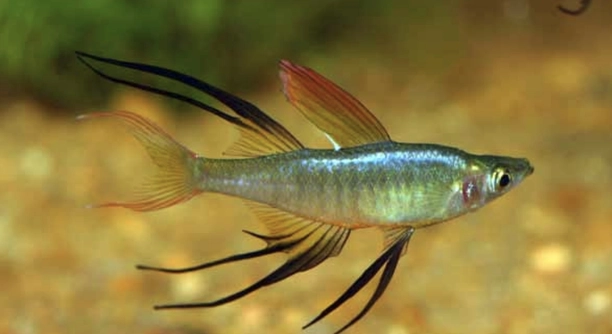
Threadfins are graceful fish often seen gliding over sandy bottoms or near rocky reefs. Observing them, you may notice they sometimes stay in one place for long periods, almost as if guarding a small territory.
Threadfins often guard specific spots to protect resources such as food, shelter, or breeding areas. This behavior increases survival by maintaining access to critical areas, reducing competition, and ensuring safety for themselves and nearby offspring.
Learning more about this behavior helps understand how threadfins interact with their environment and the subtle ways they maintain their territory.
Understanding Threadfin Territories
Threadfins often choose spots that provide both safety and resources. These areas usually have a combination of sandy bottoms, rocks, or seagrass where food can be found easily. Staying in one place reduces energy spent searching for meals and provides a secure location to retreat from predators. In addition, the same spot can become a regular breeding area, making it important for the fish to defend it. Some threadfins will patrol their spot, moving short distances to keep intruders away. They rely on visual cues and occasional fin movements to signal their presence. Over time, these territories become familiar, helping the fish remember where food and shelter are located. This behavior also reduces unnecessary conflict with other fish, as boundaries are naturally respected. Observing threadfins in such locations shows how consistent their routines can be, highlighting their intelligence and adaptability in selecting and guarding key areas that support their survival and reproduction.
Defending a spot is mainly about survival. Threadfins stay alert to predators and competition, protecting vital resources.
Territorial behavior shapes daily activity for threadfins. It affects how they eat, move, and interact with others. Fish that guard a spot tend to spend more time resting in safe zones and quickly respond to threats. Their movement patterns are predictable, allowing them to balance feeding and safety. Protecting a breeding or feeding site increases reproductive success, as staying in one area ensures eggs and larvae are safer. This also reduces encounters with rivals, lowering energy expenditure from fights. Over time, a defended spot becomes a reliable resource hub, attracting other small fish that are not seen as threats. The fish’s awareness of its surroundings strengthens with repeated visits, and memory plays a key role. Even small changes, like a new predator or shift in food availability, prompt the fish to adjust its guarding strategy, showing flexibility in behavior that is crucial for survival.
Signals and Communication
Threadfins use fin movements, posture, and positioning to indicate territorial boundaries. These signals help reduce direct conflict between fish.
Communication is subtle but essential. When a threadfin senses another intruder, it may flare fins or swim in a deliberate pattern. This alerts nearby fish to its presence without engaging in a fight. By signaling visually, threadfins maintain control of the area efficiently. Other fish often recognize these cues and give space, minimizing stress for both the guard and intruder. Over time, patterns of signaling become consistent within the group, allowing smooth coexistence. Understanding these signals provides insight into their daily behavior, revealing the balance between defense, feeding, and social interaction that defines their territorial nature. Effective communication ensures that resources are defended while energy is conserved, highlighting the intelligence behind seemingly simple movements. This balance between guarding and signaling makes the threadfin an intriguing species to observe, demonstrating how instinct and learned behavior work together to maintain survival and stability in their environment.
Feeding Advantages
Threadfins often stay in one spot because it provides easy access to food. Staying in a familiar area allows them to catch small crustaceans, worms, and other prey efficiently without wasting energy searching elsewhere.
Guarding a feeding spot helps threadfins maximize energy intake. By remaining in a consistent location, they can anticipate where prey will appear and respond quickly. This reduces unnecessary movement and keeps energy reserves high, which is essential for growth, reproduction, and avoiding predators. The familiarity of the area allows the fish to recognize hiding spots for prey and anticipate patterns of movement, increasing their hunting success. Over time, these feeding spots become reliable sources, making the guarded area an essential part of the fish’s routine.
Remaining near a resource-rich location also supports social interactions. Threadfins often share feeding grounds with other non-threatening fish, benefiting from alert systems when predators approach. The presence of others does not typically provoke aggression if the territory’s boundaries are respected. Defending a spot ensures the fish can feed efficiently while monitoring the surroundings, combining survival instincts with learned behavior. This balance between guarding and foraging highlights the strategic approach threadfins use to sustain themselves in their environment.
Breeding and Nesting
Threadfins often guard spots that are ideal for breeding. Safe, familiar areas increase the likelihood of successful spawning.
Protecting a breeding site is critical for reproductive success. Threadfins prefer areas with stable conditions, such as shallow waters with sand or seagrass, where eggs are less likely to be disturbed. Males may patrol the area to ward off intruders, while females select locations that provide both safety and access to food. Nesting sites are often revisited each season, showing a pattern of loyalty to proven safe spots.
Territorial guarding during breeding reduces stress and predation risk. Eggs and larvae benefit from the presence of a vigilant adult, which improves survival rates. Fish that maintain a breeding spot demonstrate learned behavior, recognizing environmental cues that indicate safety and resource availability. The selection of such sites also influences social structure, as dominant individuals often control the best locations. This behavior shows the combination of instinct and experience in ensuring reproductive success, highlighting the careful balance threadfins maintain between defense, feeding, and raising the next generation.
Predator Awareness
Threadfins stay in familiar spots to watch for predators. Knowing their surroundings helps them escape quickly and stay safe from larger fish or sudden threats.
Being stationary in a known area allows threadfins to notice subtle changes, such as shadows or movements, giving them a chance to react before danger reaches them.
Energy Conservation
By guarding a specific spot, threadfins reduce unnecessary movement and save energy. Staying in one area allows them to focus on feeding and monitoring their environment efficiently.
Consistently defending a chosen location reduces stress and preserves stamina. Threadfins use less energy compared to constantly swimming in search of food or shelter. This approach increases survival, as energy is spent on essential tasks like foraging, predator vigilance, and reproduction. Remaining in a familiar area also helps the fish develop routines that improve their efficiency, such as knowing where food gathers and which hiding spots provide quick escape. Over time, this behavior supports long-term health and strengthens the fish’s ability to respond to environmental changes.
Habitat Familiarity
Threadfins benefit from staying in areas they know well. Familiarity with terrain and obstacles improves both feeding and safety.
FAQ
Why do threadfins guard a specific spot?
Threadfins guard specific spots mainly to protect resources. These resources include food, shelter, and breeding areas. Staying in one location helps them conserve energy, reduce risk from predators, and maintain access to essential resources. Familiar areas allow threadfins to react quickly to threats while still finding prey efficiently.
Do threadfins fight other fish for their spot?
Yes, but rarely aggressively. Threadfins rely on visual signals, fin displays, and positioning to warn intruders. Actual physical fights happen only if the intruder ignores the signals. This approach saves energy while still keeping the territory secure and minimizing injury.
How do threadfins choose which spot to guard?
They select areas that combine safety and resource availability. Ideal spots often have a mix of sand, rocks, or seagrass, which provide food and shelter. Familiarity plays a key role, as repeated visits help the fish remember hiding spots, predator routes, and prey movement patterns.
Does guarding a spot help with feeding?
Absolutely. Threadfins save energy by staying near known food sources. Guarding a feeding area lets them anticipate where prey will appear and respond quickly, increasing hunting efficiency. Other non-threatening fish may also benefit from the presence of a vigilant guard.
Are breeding spots different from feeding spots?
Sometimes. Threadfins often select safer, more stable areas for spawning, such as shallow waters with sand or seagrass. These spots reduce disturbance to eggs and larvae, increasing reproductive success. Guarding these areas ensures both protection and access to food nearby for the adults.
How long do threadfins stay in one spot?
It varies depending on resource availability and predator presence. Some threadfins remain in a spot for days or weeks, while others may leave temporarily if food runs low or threats increase. Their behavior is flexible and adapts to changing conditions.
Do all threadfins exhibit territorial behavior?
Most adult threadfins show some form of territory guarding, but the intensity varies. Younger or weaker individuals may stay near dominant fish rather than fully defending a spot. Territorial behavior is closely linked to survival, reproduction, and energy conservation.
How do threadfins communicate their boundaries?
They use fin movements, posture, and deliberate swimming patterns. These signals alert other fish to the presence of a guard without triggering conflict. Effective signaling reduces energy loss and stress for both the defending fish and intruders.
Can environmental changes affect guarding behavior?
Yes. Changes in water temperature, food availability, or predator presence can make threadfins adjust their territory. They may expand, shrink, or temporarily abandon spots to ensure survival. Familiarity with the area helps them respond efficiently to these changes.
Why is it important to observe threadfins’ territorial habits?
Understanding these habits shows how they balance feeding, breeding, and predator avoidance. Observing how threadfins interact with their environment provides insight into their survival strategies, energy conservation, and social behavior, making them fascinating subjects for study in natural habitats.
Do threadfins benefit from guarding a spot long-term?
Yes. Long-term guarding provides stability, predictable access to resources, and safer conditions for breeding. Repeated use of the same territory allows threadfins to develop routines that increase efficiency in feeding, predator avoidance, and reproductive success, which ultimately improves survival over time.
Can other species interfere with a threadfin’s spot?
Other species may enter the area, but threadfins usually tolerate smaller, non-threatening fish. Aggression is reserved for potential competitors that threaten food or breeding sites. This selective tolerance supports coexistence and reduces unnecessary conflict in the habitat.
How does guarding behavior affect daily activity?
Guarding a spot influences feeding schedules, movement patterns, and vigilance. Threadfins spend more time resting in safe zones and responding quickly to threats. Their routines balance energy conservation with protection, making territorial behavior a central part of daily life.
Is territorial guarding instinctive or learned?
It is a combination of both. Instinct drives the initial choice to defend a resource, while experience helps threadfins refine strategies over time. Familiarity with the environment and repeated observation of other fish enhance effectiveness, showing flexibility in their behavior.
How can observing threadfins help in conservation?
Monitoring territorial habits can reveal habitat preferences, resource needs, and responses to environmental changes. This knowledge supports better management of ecosystems, ensuring that critical areas are preserved for feeding, breeding, and protection of threadfins and associated species.
Do threadfins ever abandon a spot permanently?
Yes, if resources are depleted, predators become too frequent, or environmental conditions worsen. Abandoning a spot is a survival decision, showing adaptability. Fish then seek new territories with suitable resources and safety, demonstrating flexible territorial behavior.
How do juvenile threadfins behave differently?
Young threadfins often stay near adults rather than fully defending their own spot. They learn from observing mature fish, gaining experience in spotting prey, recognizing threats, and understanding signals used to communicate boundaries. This learning phase is critical for future survival.
What role does memory play in guarding behavior?
Memory is key. Threadfins remember locations of food, hiding spots, predator paths, and social interactions. Familiarity with a territory improves efficiency in feeding, safety, and breeding. Without memory, they would spend more energy exploring and risk encountering threats more often.
Do threadfins ever share territories?
Some overlap occurs with non-threatening species or less dominant threadfins. Sharing is often tolerated if resources are sufficient. Dominant individuals usually control the prime areas, while subordinates adapt to avoid conflict, demonstrating a balance between defense and coexistence.
What is the overall benefit of guarding behavior?
Guarding a spot increases survival, energy efficiency, and reproductive success. It allows threadfins to maintain predictable access to food and shelter, reduces conflicts, and improves safety for themselves and their offspring. This behavior highlights how instinct, learning, and environmental awareness work together to support life in their habitat.
Final Thoughts
Threadfins are remarkable fish, not because they are flashy or brightly colored, but because of the way they interact with their environment. Observing them, it becomes clear that guarding a specific spot is not random behavior; it is carefully tied to survival and efficiency. Each threadfin develops a routine that helps it conserve energy, find food, and avoid predators. By staying in familiar areas, these fish know where hiding spots are, where food tends to appear, and how to respond quickly if danger arises. This behavior demonstrates a combination of instinct and learned experience, showing that even fish have strategies for making the most of their surroundings. Watching threadfins in one place for extended periods gives a window into how animals balance safety, feeding, and social interactions without unnecessary risk.
Guarding a spot is also deeply connected to reproduction. Threadfins often return to the same areas for breeding, using sites that are safe and predictable. These areas provide suitable conditions for eggs and young fish to survive, while adults continue to feed efficiently. Maintaining a breeding or nesting site reduces the risk of predation for both adults and offspring. This behavior reflects an understanding of territory that is both practical and adaptive. It ensures the survival of the next generation while minimizing wasted effort. Additionally, by signaling boundaries with fin movements or positioning rather than constant fighting, threadfins maintain their spots effectively while conserving energy. It is impressive to see how small and seemingly simple movements can communicate ownership and prevent conflict, highlighting the intelligence in their behavior.
Overall, the territorial habits of threadfins provide insight into their daily life and survival strategies. These fish are constantly balancing feeding, predator avoidance, and reproduction, and defending a specific spot helps them manage all three efficiently. Their behavior shows the importance of memory, environmental awareness, and adaptability. Threadfins do not act randomly; each action has a purpose, from the way they patrol their area to the way they interact with other fish. Observing them teaches us about the delicate balance of natural ecosystems and how even small creatures have evolved strategies to survive and thrive. Understanding these behaviors can also help in preserving their habitats, as recognizing the areas they prefer for feeding and breeding is essential for conservation efforts. Threadfins are a reminder that even in the quiet and subtle corners of the ocean, life is organized, purposeful, and finely tuned to the environment.

Hello,
If you enjoy the content that we create, please consider saying a "Thank You!" by leaving a tip.
Every little bit helps us continue crafting quality advice that supports the health, happiness, and well-being of pets around the world, for pets of all shapes, sizes, and species.
We really appreciate the kindness and support that you show us!