
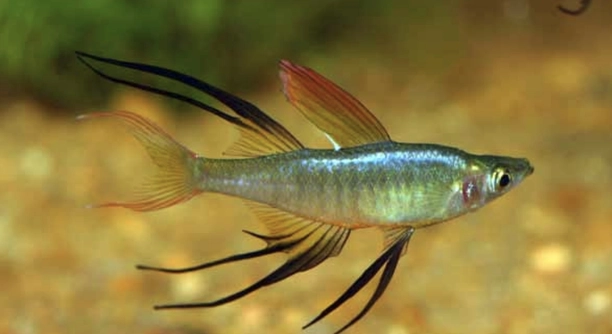
Have you ever watched threadfins swimming calmly in their tanks while routine cleaning and feeding take place around them? These fish often encounter repeated disturbances in captivity, yet they continue their daily movements with seeming ease. Their behavior can appear both predictable and surprisingly adaptable.
Threadfins show a capacity to habituate to frequent, non-threatening disturbances in their tank environment. Over time, these fish learn to reduce their stress response, maintaining normal swimming and feeding patterns despite repeated interruptions. Habituation appears to be gradual and consistent.
Observing their reactions can reveal subtle patterns of learning and adaptation in everyday tank life. These insights may help improve care and management of threadfins in captivity.
Observing Threadfins’ Daily Behavior
Watching threadfins in a tank shows small but noticeable patterns. They often swim near the surface during feeding, then return to mid-water areas. When routine maintenance occurs, like water changes or gentle cleaning, they may pause or move away briefly. Over repeated days, these reactions become shorter and less pronounced. It seems they recognize that these disturbances are not harmful. Some threadfins show curiosity, approaching tools or hands slowly, while others prefer to stay near hiding spots. Feeding times are more predictable, and fish often resume normal activity faster after disruptions. Their response varies slightly depending on the time of day, tank size, and presence of other fish. Overall, careful observation reveals that threadfins adjust their activity levels without significant stress. This adaptability is important for managing tank environments and ensuring consistent health and growth. By noticing these small changes, caretakers can optimize conditions while reducing unnecessary stressors for the fish.
Recognizing these patterns helps keep threadfins comfortable and maintains stability in their daily routines.
Noticing how quickly threadfins recover from interruptions provides insight into their learning and memory. This can guide better tank management.
Habituation to Repeated Disturbances
Threadfins gradually become less reactive to familiar, non-threatening activities in the tank.
Over time, repeated exposure to regular disturbances, such as feeding, cleaning, or water testing, allows threadfins to habituate. Habituation is a type of learning where an animal reduces its response to repeated, harmless events. Initially, threadfins may show startle reactions, like rapid swimming or hiding, but these responses decrease with consistency. Observing multiple fish in a community tank demonstrates individual differences; some adapt faster, while others remain slightly cautious. Careful scheduling of routine tasks helps threadfins recognize patterns and predict safety. For example, feeding at the same times each day or performing maintenance calmly reduces stress responses. Habituation also supports healthier feeding habits, as fish spend less energy reacting to harmless disturbances. By monitoring behavior, caretakers can identify which fish need more time to adapt and adjust their handling techniques accordingly. Over weeks, tank activity stabilizes, showing that threadfins are capable of learning and adjusting to repeated, safe interruptions. Habituation is gradual but measurable, and it enhances both welfare and the predictability of fish behavior.
Factors Affecting Threadfins’ Responses
Tank size and layout influence how threadfins react to disturbances. Larger tanks allow fish to move away easily, while smaller spaces may make them appear more stressed. Decorations, hiding spots, and water flow also change their comfort level.
Individual differences among threadfins affect their reactions. Some fish are naturally bolder and resume activity quickly, while others stay cautious longer. Age, health, and prior experiences in the tank also play roles. Consistent routines help all fish adjust, but caretakers should note that not every fish habituates at the same pace. Environmental stability, like maintaining water quality and temperature, further supports calmer behavior.
The frequency and type of disturbances shape learning. Regular, gentle cleaning or feeding creates predictable patterns, while sudden or aggressive changes may reset habituation. Threadfins exposed to gentle handling over weeks show reduced stress, indicating memory and adaptation. Observing these subtle shifts helps caretakers manage behavior more effectively, improving overall tank harmony.
Improving Habituation in Captivity
Predictable schedules encourage threadfins to anticipate routine events, reducing stress.
Gradual exposure to non-threatening disturbances promotes habituation. Starting with minor changes, such as partial water changes or moving objects slowly, allows fish to learn that these events are safe. Over time, responses become less intense, and fish maintain normal swimming and feeding behaviors even during maintenance. Caretakers can also adjust lighting and feeding locations consistently to support recognition of patterns. Habituation benefits both fish welfare and tank management by lowering stress-induced activity spikes and energy expenditure. Tracking behavior changes provides valuable insight into individual and group adaptation rates, helping refine care practices. Consistent observation ensures that no fish is overlooked, allowing timely adjustments to routines. Using calm, measured handling during maintenance reinforces the sense of safety, gradually strengthening habituation. Overall, structured, predictable care routines create a more stable environment where threadfins can thrive while remaining less reactive to repeated, harmless disturbances.
Signs of Stress in Threadfins
Rapid swimming or sudden darting often indicates stress. These behaviors usually appear during unexpected disturbances or when fish feel cornered.
Loss of appetite or reduced interaction with other fish can also signal discomfort. Observing these signs early helps prevent prolonged stress and supports healthier tank conditions.
Monitoring Behavioral Changes
Keeping a regular log of activity helps track habituation. Noting swimming patterns, feeding responses, and reactions to maintenance allows caretakers to identify gradual improvements or ongoing stress. Subtle shifts, like quicker recovery after disturbance, indicate adaptation. Comparing behavior across individuals can reveal differences in learning rates and comfort levels within the same tank environment.
Encouraging Calm Behavior
Gentle handling during feeding and cleaning supports a sense of safety. Consistency in routines helps threadfins remain relaxed and reduces reactive behaviors over time.
FAQ
How do I know if threadfins are stressed during routine tank maintenance?
Stress in threadfins can show in subtle ways. Sudden darting, hiding, or freezing in place are common signs. A drop in feeding interest or social interaction with other fish can also indicate discomfort. Observing these behaviors consistently during cleaning or feeding helps identify which fish need more time to adapt.
Can threadfins fully get used to repeated disturbances?
Yes, threadfins can habituate to non-threatening, repeated events. Over time, they reduce stress responses, returning to normal swimming and feeding patterns more quickly. The process is gradual and varies among individual fish. Bold fish adapt faster, while cautious fish take longer. Patience and consistent routines are key to successful habituation.
How long does it take for threadfins to habituate to tank disturbances?
Habituation is not immediate. In many cases, it can take several weeks for threadfins to consistently ignore routine events. Frequency and consistency matter: gentle, predictable disturbances help fish learn faster, while sudden or aggressive changes may reset their progress. Keeping a regular schedule accelerates adaptation.
Does tank size affect how threadfins respond to disturbances?
Yes, larger tanks allow more space for fish to move away, which often reduces visible stress. Smaller tanks may make reactions appear stronger because fish have fewer escape options. Adding hiding spots, decorations, and consistent water flow also improves comfort, supporting faster habituation.
Do all threadfins in a tank adapt at the same rate?
No, individual differences play a significant role. Age, temperament, prior experiences, and health affect how quickly each fish habituates. Some become relaxed almost immediately, while others remain cautious for weeks. Observing each fish individually helps ensure care routines are appropriate for the entire group.
How can I help threadfins adapt more easily to disturbances?
Gradual exposure and predictable routines are essential. Start with minor changes, like partial water changes or slow movements near the tank. Feed at consistent times and maintain steady lighting. Calm handling and minimal sudden movements reinforce safety. Regular observation allows adjustments tailored to individual fish responses.
What behaviors indicate that threadfins have successfully habituated?
Threadfins that have habituated resume normal swimming patterns quickly after disturbances. They continue feeding and interacting without hiding or darting away. Reduced startle responses and consistent activity levels are clear signs that fish recognize events as harmless. These behaviors demonstrate memory and adaptation in everyday tank life.
Is habituation the same as training threadfins?
Not exactly. Habituation is a natural learning process where fish reduce reactions to repeated, safe stimuli. It differs from training, which involves teaching specific behaviors on cue. Threadfins naturally learn to tolerate routine tank activities without needing formal instruction.
Can sudden changes reverse habituation?
Yes, abrupt changes like rapid water temperature shifts, aggressive handling, or loud noises can trigger stress responses even in habituated fish. Consistency in routines and calm handling are crucial to maintain progress. Observing reactions helps identify which disturbances may need gentler approaches.
Does habituation affect the overall health of threadfins?
Proper habituation reduces unnecessary stress, which supports better feeding, growth, and immune function. Fish that remain reactive to minor disturbances may expend extra energy and experience higher stress hormone levels, affecting health. Creating predictable, calm routines benefits both behavior and physical well-being.
How do I track threadfins’ adaptation progress?
Maintaining a simple log of swimming patterns, feeding behavior, and responses to maintenance helps. Note differences between individuals and record improvements over time. Visual observation combined with brief notes allows caretakers to refine routines and support smoother adaptation for every fish in the tank.
Are there signs that threadfins are not adapting well?
Persistent hiding, refusal to eat, or frequent frantic swimming during routine events indicates slow or poor habituation. These behaviors suggest stress may be ongoing or that environmental factors need adjustment, such as tank layout, water quality, or handling methods.
Can environmental enrichment speed up habituation?
Yes, adding plants, rocks, or other hiding spaces helps threadfins feel secure. Enrichment allows fish to move freely and choose safe spots during disturbances, making habituation easier. Comfortable environments reduce stress and encourage natural behaviors while gradually adjusting to routine tank activities.
Do threadfins communicate stress to other fish in the tank?
They can. Sudden movement, darting, or hiding can trigger similar reactions in nearby fish. Maintaining predictable routines and minimizing aggressive handling helps the whole group adapt, reducing collective stress and encouraging calmer, more stable behavior throughout the tank.
Is it necessary to separate cautious fish during habituation?
Not always. While individual differences exist, careful observation and gradual exposure are usually sufficient. Only in cases where certain fish remain extremely stressed should temporary separation or additional hiding options be considered to allow them to adjust safely.
Does age influence how threadfins respond to disturbances?
Yes, younger fish tend to adapt more quickly to repeated, non-threatening events. Older or previously stressed fish may need more time to habituate. Recognizing age differences helps in setting realistic expectations for adaptation and tailoring tank routines to each group.
How do feeding routines support habituation?
Consistent feeding schedules create predictability, allowing fish to associate certain times with safety and food. This reduces anxiety during nearby disturbances and reinforces calm behavior. Over time, threadfins learn to ignore non-threatening events, maintaining normal feeding and swimming patterns even during routine maintenance.
Can threadfins’ learning from habituation be applied to other tank management tasks?
Yes, once fish learn to tolerate predictable disturbances, caretakers can handle water changes, decorations, and testing with less stress. Habituation improves overall tank management, creating a calmer environment and reducing sudden reactive behaviors across all routine tasks.
Final Thoughts
Threadfins are adaptable fish that show remarkable learning abilities in captivity. Observing them during routine tank activities demonstrates that they can recognize repeated, non-threatening events and gradually reduce their stress responses. Over time, these fish learn to ignore minor disturbances such as gentle water changes, feeding routines, or light maintenance. Their reactions become shorter and less intense, showing that they are capable of remembering which situations are safe. This adaptability is not uniform across all individuals, as some threadfins are naturally bolder while others remain cautious. Age, previous experiences, and temperament all play a role in how quickly each fish habituates. By carefully watching their behavior, caretakers can identify which fish need more time to adjust and which are already comfortable with their environment. This insight allows for better care strategies, helping ensure all fish feel secure while maintaining normal swimming and feeding patterns.
Creating a stable and predictable tank environment is key to supporting habituation. Consistency in feeding times, lighting, and routine maintenance helps threadfins anticipate events, reducing unnecessary stress. Gradual exposure to disturbances allows fish to adapt at a natural pace. For example, starting with partial water changes or slow movements near the tank gives threadfins time to recognize that these activities are not harmful. Providing hiding spaces, decorations, and ample swimming areas also helps them feel safe, giving them choices during moments of disruption. When these environmental and routine factors are managed carefully, threadfins respond more calmly and maintain regular activity levels. Observing the gradual reduction in startle responses and the return to normal feeding behavior is a clear sign of successful habituation. Over weeks of consistent care, the fish not only adjust their behavior but also demonstrate memory and learning, which contributes to long-term well-being.
Paying attention to threadfins’ reactions and adapting care strategies accordingly benefits both fish and caretakers. Reducing stress improves health, feeding, and social interactions in the tank. Habituation makes routine tasks easier, as fish spend less energy reacting to harmless events. Individual differences should always be considered, as some fish may need extra time or gentler handling to fully adapt. Keeping a log of behaviors and noting changes can guide better management decisions. Over time, the combination of a predictable routine, a well-structured environment, and careful observation creates a more harmonious tank. Threadfins become calmer, more confident, and able to thrive despite the small disturbances that are part of daily life in captivity. Consistent attention and patience ultimately lead to healthier, less reactive fish and a smoother experience for anyone caring for them.

Hello,
If you enjoy the content that we create, please consider saying a "Thank You!" by leaving a tip.
Every little bit helps us continue crafting quality advice that supports the health, happiness, and well-being of pets around the world, for pets of all shapes, sizes, and species.
We really appreciate the kindness and support that you show us!