
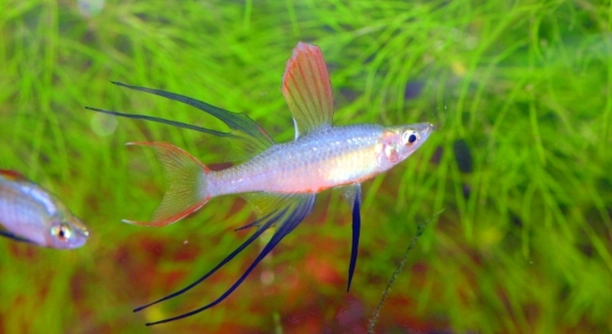
Keeping a threadfin tank can be rewarding, but it sometimes feels stressful when fish swim frantically or fight over territory. Maintaining a calm environment requires understanding their natural behavior and creating a space that encourages harmony among them.
One of the most effective ways to make your threadfin tank more peaceful is by providing adequate space, proper hiding spots, and consistent water conditions. Structured environments reduce stress, minimize aggression, and support natural behaviors that contribute to a calmer aquarium.
These strategies focus on simple adjustments that can make a noticeable difference in your tank’s atmosphere and the wellbeing of your fish.
Provide Plenty of Hiding Spots
Threadfins feel safer when they have spaces to retreat. Rocks, plants, and small decorations give them places to hide and reduce aggressive behavior. When fish have options to explore and rest, they are less likely to chase each other. Adding caves or dense plant areas mimics their natural environment and provides security. It also helps weaker fish avoid stress, which can affect their health. Arrange hiding spots evenly, so no single area becomes a conflict zone. Overcrowding decorations in one spot can increase territorial disputes. Consider varying heights and textures to keep the tank visually interesting and functional. Soft plants combined with solid structures work best. Observing how fish interact with new hiding places helps you adjust them. Over time, you will notice calmer swimming patterns and less erratic behavior. Small changes in tank layout can greatly improve harmony in the aquarium, making it more relaxing to watch your threadfins.
Offering secure spots allows your threadfins to feel safe and reduces tension throughout the tank.
Creating these hiding spaces encourages natural behavior, lowers stress, and keeps aggression to a minimum. It supports the overall balance of your aquarium ecosystem.
Maintain Stable Water Conditions
Stable water conditions are key for a peaceful tank. Sudden changes in temperature, pH, or hardness can stress fish, making them more aggressive or prone to illness. Consistency is crucial because threadfins are sensitive to fluctuations. Use a reliable heater and thermometer to keep temperature steady. Regular testing helps ensure pH and hardness stay within safe ranges. Frequent partial water changes prevent harmful buildup of waste and toxins. Avoid overfeeding, as excess food can decay and affect water quality. Filtration should be adequate for tank size and bio-load, removing debris efficiently. Introducing new fish gradually prevents sudden spikes in waste and stress. Monitor ammonia, nitrites, and nitrates to detect potential problems early. By keeping water stable, fish remain healthy, more tolerant of each other, and display calmer behavior. Consistency in the environment encourages natural rhythms, feeding habits, and social interactions, which all contribute to a more peaceful tank setting.
Maintaining stable conditions helps threadfins stay healthy, active, and less prone to aggressive behavior.
Avoid Overcrowding
Too many fish in a tank increases stress and aggression. Each threadfin needs personal space to swim freely and avoid constant competition. Crowded conditions make hiding spots less effective and can lead to frequent chasing or nipping.
Overcrowding changes the dynamics of a tank, creating tension among fish. Limited space makes weaker fish more vulnerable, while dominant fish may become overly territorial. Providing enough room reduces conflict and supports natural swimming patterns. It also improves water quality, as fewer fish produce less waste, helping maintain stable conditions. Balancing the number of threadfins with tank size is essential to keep a calm environment.
Observing your fish behavior helps determine if the tank is crowded. Signs like constant chasing, hiding, or erratic swimming indicate stress from limited space. Adjusting the population or upgrading tank size promotes healthier, calmer fish.
Introduce Compatible Tank Mates
Choosing compatible species prevents unnecessary fighting and stress. Avoid aggressive or territorial fish that might harass threadfins. Peaceful tank mates help maintain harmony and make the environment more relaxed overall.
Introducing new species requires careful planning. Gradually acclimate newcomers to the tank to avoid shocking your threadfins. Ensure all fish have similar environmental needs, such as water temperature, pH, and diet. Mismatched species can lead to stress, poor health, and increased aggression. Observe interactions closely during the first days to address conflicts early. Choosing the right tank mates can create a balanced ecosystem where fish coexist peacefully, swim comfortably, and exhibit natural behavior without fear. Proper selection and monitoring are key to a stress-free aquarium.
Keep a Consistent Feeding Schedule
Regular feeding reduces stress and aggression among threadfins. When fish know when to expect food, they are less likely to compete aggressively or become restless throughout the day. Consistency creates a calm routine in the tank environment.
Avoid overfeeding, as excess food can pollute the water and increase tension. Smaller, frequent meals work better than one large feeding. This approach keeps fish satisfied without triggering territorial disputes over food.
Use Gentle Filtration
Strong currents can stress threadfins, making them swim erratically or hide constantly. Gentle filtration maintains water clarity and quality without overwhelming the fish, supporting a peaceful tank.
Monitor Fish Behavior
Watch how your threadfins interact daily. Early detection of stress, illness, or aggression allows timely adjustments in environment, tank mates, or feeding.
Reduce Noise and Vibrations
Threadfins are sensitive to vibrations and loud disturbances around the tank. Minimizing external noise helps them feel secure, reducing stress and aggressive behavior.
FAQ
How many threadfins can be kept together in one tank?
Threadfins are social but need space. A group of six to eight works well if the tank is large enough. For a peaceful setup, a minimum of 20 gallons is recommended, but larger is always better. Overcrowding causes stress and fighting. Each fish needs swimming space and access to hiding spots. Providing a well-planted tank helps distribute territories and reduces competition. Watching how they interact will give you signs if adjustments are needed.
What tank size is best for keeping threadfins peaceful?
A 20-gallon long tank is often considered the minimum for a small group. However, larger tanks provide more stability and swimming room. A 30-gallon or bigger setup offers enough space for plants, decorations, and compatible tank mates. Bigger tanks also make it easier to maintain stable water conditions. The extra space allows threadfins to avoid each other if needed, reducing aggression. Investing in the right tank size early on makes long-term care easier and creates a calmer environment for your fish.
Do threadfins fight with each other often?
Threadfins may chase or show mild aggression, especially males during breeding season. However, serious fighting is uncommon if the environment is balanced. Providing hiding spots, stable water, and enough space reduces the likelihood of aggression. If fights become frequent, it may be due to overcrowding, stress, or mismatched tank mates. Rearranging decorations or adding more plants can help diffuse tension. Careful observation is important to identify issues before they escalate into harmful behavior.
What water conditions do threadfins prefer?
Threadfins thrive in clean, stable water. The ideal temperature ranges from 74°F to 82°F, with a slightly acidic to neutral pH of 6.5 to 7.5. Hardness should be moderate, and stability is key to keeping them comfortable. Sudden changes can lead to stress, illness, and aggressive behavior. Regular water testing and small, frequent water changes are the best way to maintain balance. Avoid large swings in parameters, and use a reliable heater and filtration system. Healthy water conditions directly influence their mood, appearance, and activity levels.
Can threadfins live with other fish?
Yes, they do well with other peaceful species. Ideal companions include tetras, rasboras, corydoras, and other small non-aggressive fish. Avoid pairing them with fin-nippers or highly territorial species. Compatible tank mates create a more natural, relaxed setting. Matching water requirements between species is essential to avoid stress. Always introduce new fish slowly and monitor interactions during the first week. If any signs of aggression appear, it may be necessary to separate or rearrange the tank.
How can I tell if my threadfins are stressed?
Signs of stress include hiding excessively, faded colors, loss of appetite, or rapid swimming. Aggression may also increase when fish feel uncomfortable. Stress can result from poor water quality, sudden changes in parameters, overcrowding, or unsuitable tank mates. Watching daily behavior helps identify early signs before they become serious problems. When fish are healthy, they display vibrant colors, swim actively, and feed regularly. Addressing stress quickly is important for maintaining harmony and long-term health.
What should I feed threadfins to keep them happy?
Threadfins do well on a varied diet. High-quality flake food, micro-pellets, and live or frozen foods like daphnia, baby brine shrimp, and bloodworms keep them healthy. A balanced diet supports energy, coloration, and peaceful behavior. Overfeeding leads to waste buildup, which can harm water conditions and increase stress. Small portions fed twice a day are usually enough. Rotating food types ensures they receive all necessary nutrients. Healthy feeding habits not only support physical health but also reduce unnecessary competition during mealtimes.
Why is tank decoration important for threadfins?
Decorations such as plants, rocks, and driftwood create natural boundaries and reduce conflict. They give fish places to hide and rest, which helps them feel secure. A well-decorated tank also mimics natural habitats, encouraging calm and natural behavior. Without enough structure, dominant fish may chase others constantly, causing stress. Balancing open swimming space with hiding spots is the best approach. Threadfins often feel more comfortable when surrounded by live plants, as they provide cover and improve water quality. The right setup makes a visible difference in tank harmony.
Do threadfins need light in their tank?
Yes, but lighting should be moderate. Too much light can stress them, while too little affects plant growth and natural rhythms. A standard aquarium light set on a timer for 8 to 10 hours per day works well. Lighting also highlights their delicate fins and colors, making the tank enjoyable to watch. Providing shaded areas with plants or decorations helps fish retreat when they need lower light. Balanced lighting keeps both fish and plants healthy, supporting the overall calm of the aquarium.
What should I do if aggression continues despite adjustments?
If aggression persists, first check water quality and space. Poor conditions or limited room often fuel stress. Next, reassess tank mates to ensure compatibility. Adding more plants or rearranging decorations can break up territories and reduce chasing. In some cases, separating overly aggressive individuals may be necessary. Monitoring fish daily helps identify the cause. Keeping the environment balanced usually solves aggression issues, but intervention is sometimes needed. Consistent care, patience, and observation are key to maintaining long-term peace in a threadfin tank.
Final Thoughts
Keeping threadfins in a peaceful tank is about creating balance. They are gentle fish that thrive when their surroundings are calm, stable, and well-planned. Many problems with aggression or stress come from the environment, not the fish themselves. This is why paying attention to their needs makes such a big difference. From the size of the tank to the quality of the water, every detail matters in how comfortable they feel. A healthy setup encourages them to swim with confidence, show their natural colors, and interact without conflict. Small adjustments, like adding hiding places or choosing compatible tank mates, can change the entire atmosphere. Over time, these efforts lead to a stable tank where both the fish and the keeper feel more relaxed. Caring for threadfins does not need to be complicated, but it does require consistency and observation. The more attention given to their environment, the more peaceful the results will be.
Maintaining a steady routine is also very important. Fish thrive on predictability, and threadfins are no exception. Feeding them at regular times, changing water consistently, and monitoring parameters helps them settle into a pattern that feels safe. Stress usually shows when something disrupts this rhythm, whether it is overcrowding, poor water quality, or sudden changes. Being proactive prevents these issues from becoming larger problems. Watching your fish daily gives you early signs if something is wrong, like fading colors, hiding more than usual, or showing signs of aggression. Addressing these quickly avoids long-term stress and keeps the tank balanced. The effort put into prevention is always easier than fixing problems after they appear. A peaceful aquarium is not just luck; it is the result of steady care and simple adjustments that support the needs of the fish.
In the end, keeping a threadfin tank peaceful is as much about your consistency as it is about the fish themselves. These small creatures rely on their keeper to provide a safe environment where they can thrive. Every choice, from the layout of the tank to the type of food offered, plays a role in how calm or stressed they feel. Creating a balanced tank benefits both the threadfins and the person caring for them, as watching a calm and healthy group of fish is far more rewarding than dealing with constant problems. It becomes a cycle where healthy fish create a relaxing display, and that display motivates the keeper to continue providing good care. With patience and attention, threadfins can live in harmony, showing the beauty of their delicate fins and gentle nature in a setting that feels natural and calm.

Hello,
If you enjoy the content that we create, please consider saying a "Thank You!" by leaving a tip.
Every little bit helps us continue crafting quality advice that supports the health, happiness, and well-being of pets around the world, for pets of all shapes, sizes, and species.
We really appreciate the kindness and support that you show us!