
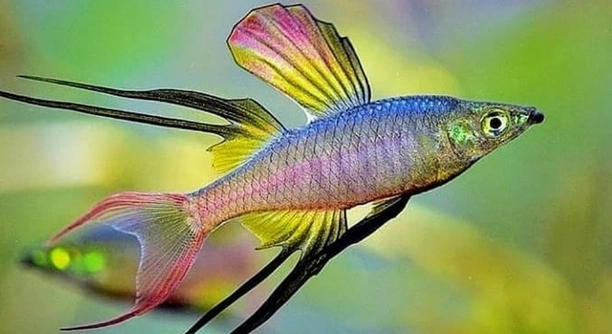
Threadfins are delicate fish that thrive in calm, well-lit waters, yet excessive lighting can affect their natural behavior. Observing their reactions to bright environments can reveal how they adapt and maintain their daily routines.
When lighting becomes too intense, threadfins often seek shaded areas or swim deeper to avoid discomfort. They may reduce activity levels and alter feeding patterns, conserving energy while minimizing stress caused by the unnatural brightness in their habitat.
Knowing how threadfins respond to light intensity helps maintain their well-being. These behaviors provide insight into keeping them healthy and comfortable in managed aquatic environments.
How Threadfins Adjust to Bright Light
Threadfins respond to intense light by shifting their positions within the tank or natural habitat. They often move toward shaded areas, rocks, or plants that provide cover. This behavior helps them regulate stress and maintain comfort. Bright lighting can make them less active, reducing swimming and foraging. In some cases, threadfins may stay near the bottom where light penetration is lower. Adjusting light exposure gradually is essential for their health. Sudden changes can startle them and disrupt normal patterns. Observing these movements offers insight into their comfort levels and environmental preferences. Consistent light cycles also help maintain their circadian rhythms. Over time, threadfins may adapt to moderate brightness, but extreme conditions often cause avoidance behavior. This adjustment is natural and necessary for their well-being, ensuring that they conserve energy while remaining alert. Providing variable light conditions mimics their natural habitat and supports normal development and feeding routines, keeping them active without unnecessary stress.
Threadfins rely on shaded zones or lower areas to cope with strong lighting. This behavior is an instinctive adjustment.
Understanding these behaviors can guide aquarium setups or habitat management. Offering diverse hiding spots and gradual light changes ensures threadfins remain healthy and active. Observing their responses also provides useful insight into environmental preferences. Proper lighting supports feeding, swimming, and natural interactions, promoting long-term wellness.
Feeding Behavior Under Intense Lighting
Threadfins may eat less when light is too bright. Reduced feeding is a direct response to stress and discomfort caused by excessive illumination.
Bright conditions can alter where and when threadfins search for food. They may stay in shaded areas, avoid open spaces, and adjust swimming patterns to conserve energy. Reduced activity often leads to fewer feeding attempts, which can impact growth if prolonged. Offering food during lower light periods or in shaded zones encourages normal consumption. Ensuring a balanced diet with high-quality feed supports their nutrition even under stress. Light intensity should be monitored to maintain optimal feeding behavior. Gradual adjustments in brightness can help threadfins acclimate without disrupting their routine. Observing individual fish helps identify those that may need more protection or targeted feeding. By managing lighting and feeding carefully, their health and activity levels can be maintained effectively. Structured lighting schedules combined with shaded areas ensure that threadfins continue to thrive, balancing environmental comfort and nutritional needs for a stable, healthy habitat.
Signs of Stress in Threadfins
Threadfins under intense light may show rapid swimming, hiding, or loss of appetite. These signs indicate discomfort and an attempt to cope with an environment that feels too bright or exposed.
Stress from bright lighting can affect both behavior and physical health. Fish may linger near shaded areas or tank decorations to escape the light, often becoming less active overall. Over time, constant exposure can weaken their immune system, making them more prone to illness. Monitoring behavior closely helps identify early signs of stress. Adjusting lighting levels gradually can reduce anxiety and promote natural activity. Consistent observation ensures that feeding, swimming, and social interactions remain stable, maintaining their well-being. Minor adjustments, like adding floating plants or dimming lights, can significantly improve comfort.
Behavioral changes also include erratic swimming patterns and increased aggression in some cases. These responses are often temporary if lighting is corrected, but prolonged exposure can have long-term consequences. Maintaining proper light levels helps ensure threadfins remain healthy, active, and stress-free, supporting overall growth and daily routines.
Environmental Adjustments for Comfort
Providing shaded areas and variable light intensity reduces stress and encourages normal activity. These adjustments help threadfins find comfort and maintain routines.
Introducing floating plants, rocks, or tank structures allows threadfins to seek shelter and manage light exposure. Gradual dimming of bright lights supports acclimation, while consistent light cycles preserve natural rhythms. Adjusting feeding times to coincide with lower light intensity encourages normal eating habits. Observing individual fish ensures those more sensitive receive appropriate care. Small environmental changes can make a significant difference, improving swimming patterns, social interactions, and overall well-being. By prioritizing these adjustments, threadfins remain comfortable and active. Proper lighting management and thoughtful habitat design support their health and reduce stress effectively.
Light Timing and Threadfin Behavior
Threadfins respond better to consistent light schedules. Sudden changes or extended bright periods can disrupt their swimming and feeding routines, causing stress and confusion.
Gradual adjustments in light intensity help threadfins acclimate. Introducing short periods of dimmed light allows them to adapt without sudden discomfort, promoting stability and comfort in their habitat.
Impact on Social Interactions
Intense lighting can alter social behavior. Threadfins may become more aggressive or withdrawn, affecting group dynamics and hierarchy. Stress from bright light can reduce interaction and increase competition for shaded areas, highlighting the importance of balanced lighting to support normal social patterns.
Monitoring and Maintenance
Regular observation of threadfin behavior ensures that environmental adjustments are effective. Tracking activity, feeding, and interactions helps identify problems early, allowing for timely intervention and better habitat management.
FAQ
What happens if threadfins are exposed to bright light for too long?
Prolonged exposure to intense light can cause stress in threadfins. They may hide, reduce swimming activity, or eat less. Over time, constant stress can weaken their immune system, making them more prone to disease and slowing growth. Providing shaded areas and adjusting light gradually helps maintain their comfort.
How can I tell if my threadfins are stressed from lighting?
Signs of stress include erratic swimming, hiding, reduced feeding, and changes in social behavior. Some threadfins may become aggressive, while others withdraw from the group. Monitoring their behavior daily allows early detection. Adjusting light intensity and offering shelters can reduce stress and restore normal activity.
What is the best way to adjust lighting for threadfins?
Gradual changes are key. Avoid sudden shifts from dim to bright light. Introduce moderate brightness first, then slowly increase to normal levels. Providing shaded zones and floating plants allows threadfins to choose their preferred light exposure, promoting natural behavior while minimizing discomfort.
Does light affect threadfin feeding habits?
Yes, feeding can be affected by bright lighting. Threadfins often reduce eating when stressed by intense light, especially in open areas. Adjusting feeding times to coincide with lower light periods or shaded areas encourages consumption. Consistent diet and light cycles help maintain growth and overall health.
Can intense lighting cause long-term health issues for threadfins?
If left unmanaged, bright light can lead to chronic stress. This may impact immune function, reduce growth rates, and alter normal behavior. Implementing proper lighting schedules and environmental adjustments prevents long-term damage and supports healthy development in threadfins.
How often should lighting be monitored in a threadfin habitat?
Daily observation is recommended. Checking light intensity and the fish’s behavior ensures conditions remain comfortable. Minor adjustments can prevent stress before it affects feeding or social interactions. Using timers or dimmers can help maintain consistent light cycles with minimal effort.
What environmental changes can help threadfins under bright lighting?
Adding plants, rocks, or other shaded areas allows threadfins to escape bright spots. Floating plants or overhanging decorations create soft shadows that reduce stress. Varying light intensity gradually and maintaining consistent schedules supports natural behavior and overall well-being.
Are some threadfins more sensitive to light than others?
Yes, individual sensitivity varies. Younger or smaller threadfins often react more strongly, seeking shelter more frequently. Observing individual responses helps provide targeted adjustments, ensuring all fish are comfortable and reducing stress-related conflicts within the group.
How does light intensity affect threadfin social behavior?
Bright light can alter social interactions. Some threadfins become territorial over shaded areas, while others may isolate themselves. Balanced lighting encourages normal group dynamics, reduces aggression, and allows all individuals to move freely without stress. Providing multiple shaded areas ensures fair access for all.
What is the safest approach to introducing new light sources?
Introduce new lights gradually and observe the threadfins’ reactions. Avoid sudden changes in intensity or duration. Providing shaded zones and monitoring behavior allows fish to adapt naturally. Gradual adjustment prevents stress, supports normal feeding, and maintains healthy social interactions.
Can lighting changes affect breeding or growth?
Yes, excessive light can disrupt breeding behaviors and growth. Stress reduces activity, feeding, and energy for reproduction. Properly timed light cycles and shaded areas encourage natural routines, supporting both growth and reproductive health in threadfins.
How can I make a bright habitat more comfortable for threadfins?
Use floating plants, rocks, or overhangs to create shaded areas. Dim lights gradually and ensure multiple spots for hiding. Consistent schedules and observation allow threadfins to adapt, reducing stress while supporting feeding, swimming, and social behavior.
What are common mistakes with lighting in threadfin habitats?
Common errors include sudden intensity changes, leaving lights on too long, or providing no shaded areas. These conditions increase stress, reduce feeding, and disrupt normal behavior. Proper monitoring, gradual adjustments, and environmental modifications prevent these issues.
Is it necessary to use timers for lighting?
Timers are helpful for maintaining consistent light cycles. Consistent schedules support natural activity patterns, feeding, and rest periods. Timers prevent accidental overexposure and ensure threadfins experience gradual changes that minimize stress.
How do I know if my adjustments are working?
Observe behavior closely. Reduced hiding, increased swimming, and normal feeding indicate the adjustments are effective. Social interactions returning to normal levels and overall activity improvement confirm the habitat is comfortable. Consistent monitoring ensures long-term success.
Can light intensity affect other tank inhabitants?
Yes, other fish or invertebrates may also experience stress under bright lighting. Providing varied light levels and shaded areas benefits all species, creating a balanced environment where each can thrive without competition for comfort.
What is the recommended light duration for threadfins?
Moderate, consistent lighting of 10–12 hours per day is generally suitable. This mimics natural conditions, supports feeding and activity, and allows sufficient rest. Gradual changes in duration prevent stress and maintain healthy behavior.
How should I react if a threadfin hides constantly?
Persistent hiding often signals discomfort. Check light intensity, availability of shaded areas, and environmental conditions. Adjust lighting gradually, provide more shelters, and monitor feeding to restore comfort and activity.
Are there specific types of lights better for threadfins?
Soft, diffused lighting is ideal. Avoid harsh, direct lights that create intense glare. Adjustable LED lights or fixtures with dimming options provide control over brightness, supporting a comfortable habitat and promoting normal behavior.
Can threadfins adapt to bright environments over time?
Gradual adaptation is possible. With proper shaded areas, consistent schedules, and careful monitoring, threadfins may become more tolerant of moderate brightness. Immediate or extreme changes, however, can cause stress, so gradual adjustments are key to long-term adaptation.
How often should shaded areas be refreshed or adjusted?
Periodically rearranging plants, rocks, or decorations prevents stagnation and ensures all threadfins have access to shelter. This supports fair access, reduces territorial disputes, and helps maintain comfort in a changing environment.
What should I do if a threadfin shows aggressive behavior under bright light?
Provide additional shaded zones to reduce competition and stress. Observe interactions closely, and adjust light intensity if necessary. Ensuring enough space and cover helps minimize aggression and supports healthy social dynamics.
Can light intensity affect disease resistance in threadfins?
Yes, prolonged stress from bright lighting can weaken the immune system. Reduced feeding and increased hiding compromise health. Maintaining proper light levels and shaded areas helps prevent stress-related illness and promotes overall resilience.
How can I combine feeding and lighting adjustments effectively?
Feed during periods of lower light intensity or in shaded areas. This encourages normal consumption while minimizing stress. Adjusting light schedules gradually ensures feeding routines remain consistent and supports healthy growth and energy levels.
Are there tools to help manage light levels for threadfins?
Timers, dimmers, and diffusers are effective tools. Timers maintain consistent cycles, dimmers allow gradual changes, and diffusers soften intense light. Combining these tools ensures a balanced environment that supports natural behavior and reduces stress effectively.
Is it safe to introduce new lighting while keeping existing lights on?
Yes, running new lights alongside current ones temporarily allows threadfins to acclimate gradually. Slowly adjusting intensity or duration prevents sudden stress and helps maintain normal feeding and social behaviors.
Can stress from lighting affect multiple generations of threadfins?
Long-term exposure may impact growth, behavior, and reproductive success. Consistent, moderate lighting with shaded areas supports both current and future generations, ensuring healthy development and natural behaviors are preserved.
What is the simplest way to prevent lighting stress in threadfins?
Provide shaded areas, maintain consistent schedules, and adjust light gradually. Observing behavior regularly ensures that fish remain comfortable, active, and healthy in their environment.
How do I know if my tank setup supports proper lighting conditions?
A supportive setup includes multiple shaded areas, moderate light intensity, and consistent cycles. Fish should feed normally, swim actively, and interact without signs of stress. Regular monitoring confirms effectiveness.
What are the most effective adjustments for bright-light habitats?
Introduce shelters, use diffused or adjustable lights, schedule gradual intensity changes, and observe behavior. Combining these strategies ensures threadfins remain comfortable, active, and healthy while minimizing stress.
Can lighting influence overall tank harmony?
Yes, balanced light reduces competition for shade and stress-induced aggression. Proper lighting fosters normal social behavior, feeding, and swimming patterns, supporting a stable and healthy community.
How can I gradually dim lights without stressing threadfins?
Reduce intensity in small increments over several days. Observe behavior after each change, ensuring fish continue feeding and swimming normally. Gradual dimming helps threadfins adapt naturally without sudden discomfort.
What other environmental factors work with lighting to reduce stress?
Water quality, temperature, hiding spots, and feeding schedules complement proper lighting. Maintaining stable conditions ensures threadfins remain healthy, active, and stress-free, supporting overall well-being and natural behavior patterns.
Are there signs that lighting adjustments are too slow or too fast?
Too fast: increased hiding, erratic swimming, reduced feeding. Too slow: minimal adaptation, continued avoidance of certain areas. Observing responses helps fine-tune adjustments for optimal comfort.
Can I combine multiple lighting strategies for better results?
Yes, using dimmers, timers, and shaded zones together provides controlled light exposure. This combination allows threadfins to adapt gradually while maintaining normal behavior and reducing stress.
How long does it take for threadfins to fully adjust to new lighting?
Adjustment time varies by individual and environment. Some may adapt within days, others over weeks. Consistent monitoring, gradual changes, and ample shaded areas help ensure a smooth transition and healthy behavior.
What is the role of natural light in threadfin habitats?
Natural light provides cycles that support circadian rhythms and normal behavior. Controlled exposure to daylight or filtered sunlight, combined with shaded areas, helps threadfins remain active, feed properly, and maintain social interactions.
How important is observation in managing lighting for threadfins?
Observation is crucial. Daily monitoring identifies stress early, allowing timely adjustments to light intensity, schedules, and shaded zones. Consistent observation ensures threadfins remain comfortable, active, and healthy in their habitat.
Can lighting adjustments improve overall tank performance?
Yes, proper lighting enhances feeding, swimming, and social interactions. Balanced light conditions reduce stress, promote growth, and support healthy behavior patterns, creating a more harmonious and thriving habitat.
What is the most common mistake people make with threadfin lighting?
The most frequent mistake is sudden changes in intensity or duration without providing shaded areas. This causes stress, reduced feeding, and disrupted social behavior, which can be prevented with gradual adjustments and thoughtful habitat design.
Are there signs that a threadfin is thriving under adjusted lighting?
Thriving fish display normal swimming, consistent feeding, active social interactions, and minimal hiding. Brightness and shaded areas are balanced, allowing comfortable movement throughout the habitat without signs of stress.
How do I balance light for multiple species in one tank?
Provide varied shaded areas and moderate light intensity. Observe each species’ behavior and adjust schedules as needed. Ensuring access to shelter for all species minimizes stress and supports natural interactions and feeding patterns.
Is it necessary to change lighting as threadfins grow?
Yes, as fish grow, their sensitivity to light and space requirements may change. Adjusting intensity, duration, and shaded areas ensures continued comfort, supports growth, and maintains normal activity and social behavior.
How does light affect rest periods in threadfins?
Proper light cycles support natural rest and activity periods. Excessive brightness can disrupt sleep, causing stress and reduced feeding. Consistent schedules and shaded areas allow threadfins to rest properly while remaining active during daylight periods.
Can lighting adjustments help in breeding threadfins?
Yes, moderate lighting with gradual changes and shaded zones promotes normal behavior and energy levels necessary for breeding. Stress-free environments encourage reproductive activity and support the health of both adults and offspring.
What is the easiest way to provide shade in a tank?
Floating plants, overhangs, and rocks create accessible shaded zones. These allow threadfins to control their exposure to light, reducing stress and promoting comfort while supporting natural behavior and social interactions.
How do I maintain a balance between light and hiding areas?
Ensure multiple shelters are available in both high and low light zones. Adjust intensity gradually and monitor behavior. Proper balance encourages activity while providing options to escape bright areas, reducing stress.
Are there seasonal adjustments needed for threadfin lighting?
Seasonal changes in daylight can affect behavior. Simulating natural cycles with timers or gradual adjustments helps maintain normal routines, feeding patterns, and overall comfort throughout the year.
Can over-shading be a problem for threadfins?
Yes, too little light can reduce activity and feeding. Balanced exposure, with shaded areas and moderate light, supports normal behavior and ensures energy levels remain adequate for growth and social interaction.
How can I create a stress-free environment for threadfins overall?
Combine moderate, consistent lighting, shaded areas, gradual adjustments, proper feeding, and monitoring. Maintaining stable water conditions, adequate space, and structured light schedules ensures threadfins remain comfortable, active, and healthy.
What is the relationship between light intensity and energy levels in threadfins?
Bright light can reduce energy by causing stress and hiding behavior. Moderate lighting and shaded areas allow normal swimming, feeding, and social activity, supporting optimal energy levels for growth and daily routines.
How important is gradual adjustment compared to immediate changes?
Gradual adjustments prevent shock and stress. Immediate changes can cause hiding, reduced feeding, and disrupted behavior. Stepwise light modifications with observation allow threadfins to acclimate naturally, supporting well-being and normal activity.
How does lighting influence territorial behavior in threadfins?
Bright light can increase competition for shaded zones, leading to aggression. Multiple shelters and moderate light reduce conflicts, supporting balanced social interactions and overall harmony within the group.
Can improper lighting affect long-term behavior patterns?
Yes, prolonged exposure to intense light may lead to lasting avoidance, altered feeding, and disrupted social interactions. Proper management ensures normal behavior is maintained over time.
Are certain areas of the tank better for threadfins under bright light?
Lower areas, shaded zones, or spots with decorations provide comfort. These areas allow fish to regulate exposure, feed safely, and interact normally without unnecessary stress.
How can I tell if my lighting setup is effective?
Observe swimming, feeding, and social behavior. Fish should remain active, eat normally, and interact without hiding excessively. Effective setups maintain balance between light exposure and shaded zones, supporting health.
Do threadfins need complete darkness at any point?
Complete darkness is not necessary but short periods of dim light mimic natural cycles. This supports rest, reduces stress, and maintains regular feeding and activity patterns.
Can lighting adjustments affect other tank conditions?
Yes, light affects plant growth, algae, and water temperature. Balanced lighting ensures the tank remains healthy for all inhabitants while providing comfort for threadfins.
Is trial and error necessary to find the best lighting?
Some observation and adjustments are needed. Monitor behavior and feeding, modify light intensity or shaded areas gradually, and note responses. Careful observation ensures an optimal, stress-free environment.
How can I combine lighting with feeding schedules effectively?
Feed during lower light periods or near shaded zones. This encourages normal consumption while minimizing stress, ensuring threadfins maintain proper growth and energy levels.
Are there signs that a threadfin is overstressed from lighting?
Erratic swimming, constant hiding, reduced feeding, and aggression indicate overstress. Immediate adjustments in light intensity and shaded areas help restore comfort and normal behavior.
Can light intensity affect water temperature for threadfins?
Yes, strong lighting may slightly increase water temperature. Monitor levels to prevent heat stress, combining shaded areas and moderate light to maintain a stable environment.
How do I balance light exposure for active and shy threadfins?
Provide multiple shaded areas and moderate brightness. Allow shy individuals to retreat while active fish explore. Balanced exposure supports all personality types without stress.
Is it necessary to change lighting for nighttime observation?
Dim red or blue lights can allow observation without disturbing threadfins. Bright lights at night can disrupt rest and stress the fish, so low-intensity options are preferable.
Can lighting affect disease outbreaks indirectly?
Yes, stress from intense lighting can weaken immune systems, making fish more susceptible to illness. Proper light management reduces stress and helps maintain overall health.
Are there differences in lighting needs between juveniles and adults?
Juveniles are more sensitive and may require lower intensity or more shaded zones. Adults tolerate moderate brightness better, but gradual adjustments are still important for all ages.
How does light affect foraging behavior?
Excessive light may reduce foraging, as fish hide or avoid exposed areas. Moderate lighting with shaded zones encourages normal feeding patterns and ensures nutritional needs are met.
Can lighting influence sleep cycles?
Yes, consistent light and dark periods help maintain circadian rhythms. Proper cycles allow threadfins to rest, recover energy, and remain active during appropriate periods.
Is there an ideal combination of natural and artificial light?
Filtered natural light combined with adjustable artificial lights provides balance. It supports normal behavior, feeding, and social interactions while minimizing stress from sudden intensity changes.
How important is flexibility in lighting adjustments?
Flexibility allows responses to observed stress or behavioral changes. Gradual modifications, multiple shaded areas, and monitoring ensure that threadfins remain comfortable and active under changing conditions.
Can I prevent all stress related to lighting?
While some minor stress is natural, careful monitoring, gradual adjustments, shaded areas, and consistent schedules minimize discomfort and support healthy behavior, growth, and social interactions.
How does lighting affect long-term health outcomes?
Proper lighting supports feeding, social behavior, activity, and rest. Maintaining balance prevents stress-related illness, supports growth, and ensures threadfins thrive in both managed and natural habitats.
Are there visual signs that lighting is too harsh?
Fish may avoid certain areas, hide excessively, or swim erratically. Observing patterns and adjusting light intensity or shaded zones ensures comfort and reduces stress effectively.
How often should lighting setups be reviewed?
Regularly, ideally weekly or monthly, depending on changes in fish size, behavior, or tank conditions. Adjustments maintain optimal comfort and support long-term health and activity levels.
What is the main goal of proper lighting management?
To minimize stress, support natural behavior, maintain feeding and social interactions, and promote overall health, growth, and well-being of threadfins in their environment.
Can lighting adjustments be combined with other environmental improvements?
Yes, combining shaded areas, stable water conditions, proper feeding, and moderate light creates a holistic environment that supports threadfins’ comfort, reduces stress, and encourages natural activity.
**What is the key takeaway for managing lighting
Final Thoughts
Managing light for threadfins requires careful observation and gradual adjustments. Threadfins are sensitive to intense lighting, and sudden changes can cause stress, hiding behavior, and reduced feeding. Providing shaded areas, floating plants, or overhanging structures gives them control over their exposure and comfort. Gradual light adjustments allow threadfins to adapt naturally without unnecessary stress, promoting stable swimming patterns, regular feeding, and normal social interactions. Consistent monitoring of their behavior is key to maintaining a healthy habitat. Noticing when they avoid certain areas, hide for long periods, or show signs of aggression helps identify when lighting is too intense or schedules need adjustment.
Balanced lighting also supports their overall health. Excessively bright environments can weaken immune responses, reduce growth, and disrupt natural routines. By combining moderate light intensity with shaded zones, threadfins can remain active while having the option to rest or hide when necessary. Timers and dimmable lights help maintain consistent schedules, mimicking natural day-night cycles. This consistency encourages regular feeding, swimming, and interaction within the group. Observing how individual fish respond to changes ensures that both shy and more active threadfins are comfortable. Adjusting feeding times to match lower light periods can also improve consumption, ensuring that nutrition is not compromised while managing stress.
Creating a comfortable environment for threadfins is an ongoing process. It involves a combination of careful observation, gradual lighting adjustments, and thoughtful habitat design. By providing shaded areas, monitoring behavior, and maintaining stable light schedules, threadfins can thrive in their habitat. Attention to these details reduces stress, supports natural behavior, and promotes long-term health. Small changes in lighting, combined with environmental improvements, can make a significant difference in their well-being. Proper lighting management is not just about brightness—it is about creating a stable, balanced environment where threadfins feel secure, can feed properly, and interact naturally. Over time, these efforts ensure that the fish remain active, healthy, and comfortable, demonstrating the importance of thoughtful care and consistent habitat management.

Hello,
If you enjoy the content that we create, please consider saying a "Thank You!" by leaving a tip.
Every little bit helps us continue crafting quality advice that supports the health, happiness, and well-being of pets around the world, for pets of all shapes, sizes, and species.
We really appreciate the kindness and support that you show us!