
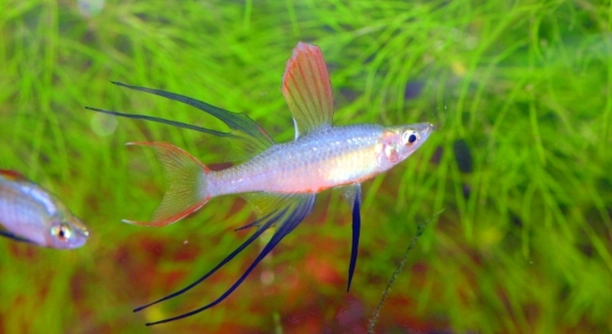
Threadfins are sensitive fish that react to changes in their environment. When the tank shifts in temperature, light, or decoration, these fish may behave differently. Observing these changes can help maintain a healthy tank for them.
Threadfins typically show altered swimming patterns, hiding behavior, or changes in feeding habits when the tank environment changes. These reactions are natural stress responses and indicate their need to adapt to new conditions in order to maintain stability and well-being.
Knowing these behaviors can help you better care for your threadfins and ensure a stable, comfortable tank environment for their long-term health.
How Threadfins Respond to Temperature Changes
Threadfins are very sensitive to temperature shifts. Even a small change can affect their behavior, energy levels, and appetite. When the water becomes cooler, they often slow down and may stay near the bottom of the tank. Warmer water can make them swim faster and seem restless. Sudden temperature changes can stress them, weakening their immune system and making them prone to illness. It is important to keep the tank temperature stable by using a reliable heater or thermometer. Gradual adjustments are always better than abrupt changes. Watching how your threadfins react can help you identify stress early and take steps to correct the water conditions. Maintaining consistent temperature is crucial for their overall health, feeding patterns, and interaction with other tank mates. The better you control their environment, the less stress they experience, ensuring they remain active and vibrant over time.
Temperature shifts can trigger noticeable changes in threadfin behavior, such as altered swimming and feeding patterns, highlighting the importance of a stable tank environment.
Observing your threadfins closely will help you see the subtle signs of discomfort. Even small adjustments in tank conditions can prevent bigger problems.
Reaction to Changes in Tank Layout
Threadfins may explore new decorations cautiously, often staying close to familiar areas at first.
Changes in tank layout, such as adding plants or rocks, can influence how threadfins move and interact. Some fish may hide more frequently or become territorial over certain spaces. They often test the new environment slowly, adjusting their routes and resting spots. Sudden rearrangements can increase stress, causing reduced feeding or erratic swimming. Gradual changes are best, allowing them to adapt naturally. Hiding spots and open swimming areas should be balanced to make them feel secure while still active. Observing their behavior after any layout adjustment is essential. Their reactions tell you whether the change is acceptable or if the tank needs more familiar features. A well-planned layout encourages natural activity, reduces stress, and helps maintain their overall health and social behavior. Proper planning prevents unnecessary stress and keeps threadfins comfortable in their surroundings.
Feeding Routine Adjustments
Threadfins may eat less or more depending on changes in their feeding schedule. Consistency is important for their health and energy levels.
When their feeding routine changes, threadfins often react by altering their behavior. Skipping meals or offering food at different times can make them anxious or restless. Some may hide, while others swim actively around the tank, searching for food. Sudden changes can also impact their digestion and overall health. Maintaining a consistent schedule helps them feel secure, reduces stress, and supports steady growth. Observing how they respond to adjustments ensures you can adapt their routine without harming their well-being. Gradual changes are more successful than abrupt alterations, helping them remain calm and responsive.
Threadfins also respond to the type and amount of food offered. Introducing new foods slowly allows them to adjust and reduces the risk of digestive issues. Overfeeding or underfeeding can cause health problems or disrupt tank cleanliness. Monitoring their response to changes in diet helps maintain a balanced and stable environment. Their reactions provide insights into their comfort level and nutritional needs. Consistency and observation together make it easier to support their health while keeping the tank environment stable and suitable for all inhabitants.
Lighting and Activity Levels
Threadfins react to changes in lighting by adjusting their activity and hiding patterns. Too much light can cause stress, while dim light encourages calmer behavior.
Lighting directly affects threadfin behavior. Bright lights can make them nervous, prompting them to hide or swim erratically. On the other hand, consistent, moderate lighting helps them establish routines, feeding habits, and social interactions. Sudden changes in light duration or intensity disrupt their internal rhythm, affecting swimming patterns and overall energy. Observing their response to light adjustments is key to maintaining a healthy tank environment. Gradual changes allow threadfins to adapt without stress, ensuring they remain active yet comfortable, with predictable behaviors that support their well-being.
Water Quality Changes
Threadfins are sensitive to water quality. Any shift in pH, hardness, or cleanliness can make them behave differently, often becoming less active or hiding more than usual.
Poor water quality can stress threadfins quickly. Even minor changes in ammonia, nitrate, or nitrite levels can affect their health. Cloudy or dirty water often causes them to swim near the surface or stay in sheltered areas. Regular testing and water changes help maintain stability. A stable environment prevents stress-related behavior, supports feeding, and keeps the fish energetic. Watching their behavior closely after any water adjustment ensures problems are addressed early and their tank remains a safe space.
Interaction With Other Fish
Threadfins adjust their behavior depending on who else is in the tank. New or aggressive tank mates can make them shy or defensive.
Sudden Noise or Vibrations
Threadfins react quickly to loud sounds or vibrations outside the tank, often darting or hiding. Consistent quiet helps them remain calm.
FAQ
How do threadfins react to sudden temperature changes?
Threadfins may slow down or hide when water becomes cooler, and swim faster or become restless in warmer water. These reactions are stress responses, signaling the need for gradual adjustments to maintain a stable environment.
Why do my threadfins hide after adding new decorations?
Hiding is a natural response to change. Threadfins need time to explore new decorations and establish safe areas. Gradual rearrangement helps them feel secure and reduces stress, allowing them to return to normal swimming and feeding behaviors more quickly.
What happens if I change their feeding schedule?
Altering feeding times can make threadfins anxious or restless. Some may swim actively searching for food, while others may eat less or hide. Maintaining a consistent schedule ensures they remain healthy, supports digestion, and reduces behavioral stress. Gradual adjustments are more successful than abrupt changes.
How do threadfins respond to new tank mates?
Introducing new or aggressive fish can trigger defensive behavior. Threadfins may hide, swim away, or become territorial. Observing their interactions helps identify potential conflicts. Providing sufficient space, hiding spots, and monitoring feeding ensures all fish remain comfortable. Gradual introductions help threadfins adapt safely.
Do lighting changes affect threadfin behavior?
Yes, bright or inconsistent lighting can cause stress. Threadfins may hide, swim erratically, or reduce activity under harsh lighting. Consistent, moderate lighting encourages normal behavior, feeding, and social interactions. Gradual adjustments in light intensity or duration allow them to adapt without stress.
Why do threadfins react to water quality changes?
Threadfins are sensitive to ammonia, nitrite, nitrate, and pH fluctuations. Poor water quality can make them less active, hide, or show erratic swimming. Regular water testing, partial changes, and filtration maintenance keep them healthy and reduce stress responses.
How do noise and vibrations affect threadfins?
Loud sounds or vibrations outside the tank often startle threadfins. They may dart quickly, hide, or freeze in place. Keeping the tank in a quieter location reduces stress and supports normal feeding and swimming behavior. Consistent calm surroundings help them feel secure.
Can threadfins adapt to minor changes over time?
Yes, gradual changes allow threadfins to adjust. Small, incremental shifts in temperature, layout, lighting, or diet give them time to acclimate. Observing their behavior during transitions ensures changes do not negatively impact their health. Patience and careful monitoring support long-term stability.
What signs indicate threadfins are stressed?
Stress signs include hiding, reduced activity, loss of appetite, rapid gill movement, or unusual swimming patterns. Immediate observation and correction of water conditions, tank layout, or feeding schedules can reduce stress and prevent health issues. Regular monitoring ensures timely intervention.
How can I make changes less stressful for threadfins?
Introduce changes gradually. Maintain consistent water parameters, feeding schedules, and lighting. Add new decorations slowly, and monitor interactions with other fish. Patience and observation are key to helping threadfins remain calm and healthy while adapting to their environment.
Are threadfins affected by sudden cleaning or water replacement?
Yes, abrupt cleaning or full water replacement can stress them. Partial, gradual water changes are less disruptive and maintain familiar conditions. Preparing water to match temperature and chemistry before adding it reduces stress and prevents sudden behavioral changes.
How often should I monitor threadfin behavior?
Daily observation is ideal. Noting changes in swimming, feeding, or hiding allows early detection of stress or health issues. Consistent monitoring ensures timely interventions, helping maintain a stable, safe environment for your threadfins.
Do threadfins react differently during the day and night?
Yes, they are usually more active during the day and rest at night. Abrupt lighting changes at night or disturbances can disrupt their natural rhythm, causing stress or hiding. Maintaining consistent light and dark periods supports healthy behavior and well-being.
Can diet changes impact threadfin behavior?
Sudden introduction of new foods may cause hesitation or reduced feeding. Gradually mixing new items with familiar foods allows adaptation. Observing their response ensures proper nutrition, maintains tank cleanliness, and prevents stress-related behavioral changes.
What should I do if my threadfins seem constantly stressed?
Check water quality, temperature, lighting, and tank layout first. Evaluate interactions with other fish and feeding consistency. Gradual corrections and a stable, familiar environment help reduce stress. Persistent issues may require consulting an aquatic specialist.
How long does it take for threadfins to adjust to changes?
Adjustment time varies based on the type and extent of the change. Minor alterations may take a few hours to a couple of days, while larger shifts like new tank mates or layout changes may require a week or more. Patience and observation ensure safe adaptation.
Can stress affect threadfin health long-term?
Yes, chronic stress weakens the immune system, increases disease risk, and impacts growth. Maintaining stable water conditions, consistent routines, and gradual changes minimizes stress, supporting long-term health, normal behavior, and vitality in threadfins.
How do I know if my threadfins are happy?
Active swimming, regular feeding, normal social interactions, and exploration of the tank indicate well-being. Minimal hiding, steady energy, and calm responses to gradual environmental changes suggest a stable, comfortable habitat and a healthy, content fish population.
Are some threadfins more sensitive than others?
Yes, individual temperament varies. Some fish react strongly to minor changes, while others tolerate moderate adjustments. Observing each fish allows tailored care, ensuring that even sensitive threadfins remain comfortable and healthy in their environment.
What role does observation play in care?
Close observation helps detect stress, illness, or environmental issues early. Understanding behavior patterns allows timely corrections, reduces stress, and promotes long-term health. Monitoring daily ensures that all adjustments, whether in feeding, lighting, or tank setup, support the well-being of threadfins.
How can I prevent future stress for my threadfins?
Maintain consistent water quality, feeding routines, lighting, and tank layout. Introduce changes gradually and provide adequate hiding spots. Regular monitoring, careful observation, and a calm environment ensure that threadfins remain healthy, active, and stress-free over time.
Final Thoughts
Threadfins are delicate fish that react noticeably to changes in their tank environment. Their behavior is closely tied to water quality, temperature, lighting, feeding routines, and interactions with other fish. Even small shifts in any of these factors can make them hide, swim differently, or eat less. Understanding these responses is essential for maintaining a healthy tank. Observing your threadfins daily allows you to notice subtle changes early. Early detection of stress behaviors helps prevent illness and ensures that any adjustments you make are safe for the fish. Their reactions are not random; they are signals that something in their environment needs attention. Providing a stable, consistent habitat allows threadfins to feel secure and behave naturally, which is the foundation of good care.
Consistency is particularly important for feeding and temperature. Threadfins thrive when they receive food at regular times and when the water temperature is stable. Sudden changes in temperature or skipping meals can trigger stress, affecting their appetite and energy levels. Similarly, abrupt changes in lighting or tank layout can disrupt their normal routines. Gradual adjustments are always better, as threadfins need time to adapt. Observing how they respond to new conditions provides insight into their comfort level. Small, careful changes are more effective than drastic ones, and over time, this approach ensures that the fish remain active, healthy, and responsive. Their comfort and well-being are directly connected to how stable their environment is, and paying attention to these details is key to long-term care.
Threadfins also respond to interactions with other fish and external disturbances. New tank mates, aggressive behavior from other fish, or loud noises can make them defensive or cause hiding behavior. Providing hiding spots, maintaining a calm environment, and introducing changes gradually can reduce stress. Watching their social behavior is just as important as monitoring water conditions. Healthy threadfins are active, feed regularly, and interact naturally with other fish. By keeping their environment stable, consistent, and safe, you support both their physical health and overall behavior. Attentive care, patience, and careful observation are essential for helping threadfins thrive. Maintaining these practices ensures that your tank is a stable and welcoming environment where threadfins can live comfortably and show their natural behaviors over the long term.

Hello,
If you enjoy the content that we create, please consider saying a "Thank You!" by leaving a tip.
Every little bit helps us continue crafting quality advice that supports the health, happiness, and well-being of pets around the world, for pets of all shapes, sizes, and species.
We really appreciate the kindness and support that you show us!