
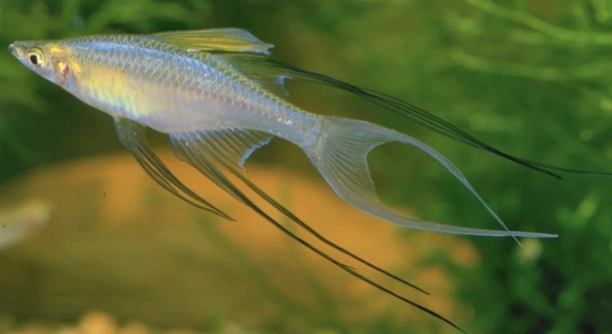
Do you ever notice threadfins gathering near temperature sensors in your aquarium? These fish often linger in areas where water conditions feel more stable, showing subtle patterns that can influence their daily activity and feeding habits.
Threadfins tend to congregate near thermometers because these spots usually offer stable temperatures and gentle water flow. Consistent conditions reduce stress and support metabolic efficiency, allowing threadfins to maintain energy levels while navigating their environment more comfortably.
Observing this behavior can help you create a healthier aquarium setup for your threadfins and improve their overall well-being.
The Role of Temperature in Threadfin Behavior
Threadfins are sensitive to water temperature, and even slight changes can influence their activity. They often gather near areas that feel warmer or more consistent, such as around thermometers. This behavior is not random; it’s a natural response to maintain energy and comfort. Stable temperatures allow their metabolism to function efficiently, which helps them digest food properly and stay active. When water fluctuates too much, threadfins may become stressed, hide, or reduce their feeding. Observing where they cluster can give insight into which areas of your tank are most comfortable. It also highlights the importance of monitoring water conditions closely to prevent health issues. Tank placement, heater consistency, and circulation all play a role in creating a favorable environment. By maintaining even temperatures, you encourage threadfins to explore the tank while still having safe, stable zones to rest. This attention to detail supports both their activity and overall well-being, keeping your aquarium balanced.
Stable temperature zones create safe areas for threadfins, helping them stay active, healthy, and less stressed in their tank environment.
Temperature affects feeding patterns and interactions. Threadfins often swim in specific areas where warmth is consistent. They avoid sudden temperature changes, which can lower immunity and cause lethargy. Observing these patterns can improve tank management, allowing you to adjust heaters or water flow. Proper temperature balance supports growth, energy, and behavior, making the fish feel secure. By monitoring their clustering near warm zones, you gain practical insight into their comfort and can prevent stress-related health issues.
Water Flow and Comfort Levels
Threadfins are drawn to gentle water flow areas where they can navigate easily without expending too much energy. Strong currents may tire them, while stagnant spots can feel uncomfortable or unsafe.
Maintaining a moderate flow ensures that threadfins can move naturally, feeding without struggle and interacting with their environment. Flow patterns influence oxygen distribution, waste removal, and temperature consistency. Fish often choose positions where the current suits their swimming style, staying near thermometers if those areas have ideal flow. Proper circulation also minimizes dead zones in the tank, reducing bacteria buildup and creating a healthier environment overall. By adjusting pumps and filters, you can shape the flow to match their needs, encouraging natural behavior and supporting physical health. Attention to water movement complements temperature management, offering threadfins both comfort and stability, which in turn reduces stress and improves vitality. Observing their favored spots provides feedback on how your setup is performing, allowing for small, effective tweaks that benefit all tank inhabitants.
Feeding Patterns and Thermometer Zones
Threadfins often feed near thermometers because these areas offer stable conditions. The consistent environment reduces stress, allowing them to eat more confidently and efficiently.
Feeding behavior is influenced by water temperature and flow. Threadfins prefer zones where food settles evenly, and currents are gentle enough to prevent scattering. Areas around thermometers often have slightly warmer or more stable water, which encourages activity. By eating in these zones, they conserve energy while maintaining regular feeding schedules. Fish that avoid these areas may eat less or become stressed, which can affect growth and health. Observing their feeding habits near these spots gives insight into their comfort levels and tank setup efficiency.
In addition to temperature stability, food distribution plays a key role. Threadfins tend to linger where they can access food easily without excessive swimming against currents. Consistency in feeding times and location helps them anticipate meals, reducing competition and stress. Over time, they learn which areas are safest and most productive for feeding. Providing balanced nutrition and observing their habits near thermometers ensures that they stay healthy, active, and energetic. Proper management of these zones supports overall well-being and encourages natural behavior patterns.
Social Behavior Around Thermometers
Threadfins often cluster near thermometers due to shared comfort zones. These areas provide stable water conditions and moderate flow, which support group cohesion.
Grouping near familiar zones helps reduce stress and promotes social interaction. Threadfins feel secure when they are in stable conditions, and thermometers often mark such areas. Clustering allows them to observe each other and coordinate movement without expending unnecessary energy. These interactions strengthen social bonds and reduce aggressive encounters, especially in crowded tanks. The presence of multiple fish in one comfortable zone indicates their preference for stability and subtle environmental cues.
Observing social behavior in these areas can improve tank management. Adjusting placement of thermometers, heaters, or flow patterns can enhance comfort and reduce territorial disputes. Threadfins naturally seek zones that balance warmth, oxygenation, and gentle currents. By understanding these preferences, you can shape tank conditions that support harmonious interactions. This approach reduces stress-related behaviors like hiding or over-aggression while ensuring each fish has access to safe, stable areas. Monitoring clustering patterns provides practical feedback for optimizing habitat, feeding strategies, and overall health maintenance.
Seasonal Temperature Changes
Threadfins adjust their positions when seasonal water temperatures shift. They move closer to thermometers during cooler periods to stay within their preferred comfort range.
These temperature adjustments help maintain consistent metabolism and energy levels. Even minor drops can influence activity, feeding, and social behavior. Observing their positioning can reveal how they respond to gradual environmental changes.
Tank Design and Placement
The layout of a tank directly affects where threadfins spend most of their time. Decorations, plants, and equipment placement create natural pathways and resting spots. Areas around thermometers often provide a combination of stable temperature and gentle flow, making them prime locations for threadfins to gather and move freely without stress.
Monitoring Behavior Patterns
Keeping track of where threadfins linger offers insight into their comfort and well-being. Regular observation helps identify shifts in activity, feeding, or social interactions, allowing for timely adjustments to tank conditions and maintenance routines.
FAQ
Why do threadfins stay near thermometers?
Threadfins are drawn to areas where water conditions feel stable. Thermometer zones often provide slightly warmer or consistent water, which reduces stress and helps maintain metabolism. By staying near these spots, threadfins conserve energy and remain more active throughout the day.
Does temperature affect their feeding habits?
Yes. Threadfins feed more confidently in zones where the water is stable. Slight temperature shifts can change their appetite or timing. Stable conditions near thermometers allow them to locate and eat food efficiently, reducing wasted energy and improving overall health.
Will they stay there all the time?
Not always. Threadfins move around the tank for exploration, feeding, or social interactions. However, they often return to stable zones near thermometers because these areas feel safe and comfortable. The consistency provides a predictable environment for resting and regrouping.
Can tank placement influence this behavior?
Absolutely. The position of heaters, filters, and other equipment affects water flow and temperature consistency. Threadfins often gather where conditions are optimal. Adjusting tank layout or equipment placement can change how they use space, encouraging even distribution or reducing crowding near thermometers.
Do social dynamics play a role?
Yes, social behavior is influenced by these zones. Threadfins cluster in familiar areas to interact safely with other fish. Grouping reduces stress and promotes cohesion, especially in larger tanks. Thermometer zones often become social hubs because of their stable and comfortable environment.
How do seasonal changes affect their patterns?
During seasonal temperature shifts, threadfins may adjust their positions to maintain comfort. Cooler water can drive them closer to thermometers, while warmer periods may encourage more movement throughout the tank. Observing these changes helps anticipate care adjustments.
Should I move the thermometer to change their behavior?
Changing the location may influence movement temporarily, but threadfins tend to seek stable conditions rather than the device itself. Relocating a thermometer can redistribute their preferred zones if it alters temperature or flow patterns, but it should be done gradually to avoid stress.
Can overcrowding impact their preference for thermometers?
Yes. In crowded tanks, threadfins may compete for safe, stable areas. Thermometer zones often become favored spots, which can increase tension or minor disputes. Ensuring sufficient space and environmental enrichment helps balance comfort and reduces stress in social interactions.
How does water flow interact with temperature preferences?
Flow and temperature work together to determine comfort. Gentle currents near thermometers allow threadfins to navigate without using excessive energy. Strong currents or stagnant areas may push them away, even if temperatures are stable. Proper circulation is key to maintaining desirable zones.
What signs indicate stress near thermometer zones?
Signs include reduced feeding, hiding, or erratic swimming. Even in preferred zones, threadfins can show stress if water quality, overcrowding, or temperature fluctuations are present. Monitoring behavior daily helps ensure that these areas remain safe and supportive.
Can observing these patterns improve tank management?
Yes. Tracking where threadfins linger helps adjust temperature, flow, and layout to suit their needs. Understanding preferences allows for better feeding schedules, social balance, and overall fish health, making tank management more proactive and effective.
Do all threadfins behave the same around thermometers?
Individual fish may vary slightly. Some are more active and explore beyond these zones, while others linger consistently. Observing each fish helps identify personality differences and tailor care, ensuring all threadfins benefit from stable, comfortable conditions.
How often should I check their behavior?
Daily observation is ideal. Even short, regular monitoring can reveal subtle changes in activity, feeding, or social interactions. Noticing patterns around thermometers provides insight into tank health and helps catch potential problems before they escalate.
Can adjusting feeding times influence their positioning?
Yes. Threadfins learn predictable feeding routines and may congregate where food is easiest to access. Consistent feeding times in combination with stable thermometer zones reinforce their comfort, helping maintain regular activity and social behavior without added stress.
Is it necessary to provide multiple thermometer zones?
Not always, but in larger tanks, multiple stable areas can reduce crowding and stress. Multiple zones mimic natural variations, allowing threadfins to select preferred conditions while keeping groups balanced and active throughout the aquarium.
Do threadfins prefer specific heights or depths near thermometers?
Yes. They often choose depths where temperature and flow feel optimal. This preference varies based on tank layout, lighting, and social dynamics. Observing where they linger vertically helps fine-tune conditions for comfort, feeding, and activity.
Will they adapt if conditions change gradually?
Gradual changes in temperature or flow are less stressful. Threadfins can adjust positions and behaviors as long as stability is maintained. Sudden shifts, however, may cause hiding, erratic swimming, or reduced feeding, highlighting the importance of careful monitoring.
How does lighting affect their behavior around thermometers?
Lighting interacts with temperature and flow to influence comfort. Bright or fluctuating light may push threadfins to shaded spots near thermometers. Stable light conditions complement temperature zones, encouraging normal feeding and social patterns without stress.
What is the long-term benefit of observing these behaviors?
Regular observation ensures optimal tank conditions, reduces stress, and supports healthy growth. Understanding patterns near thermometers helps maintain balanced social behavior, efficient feeding, and overall well-being, making the aquarium more predictable and manageable for both fish and caretaker.
Threadfins are small but sensitive fish, and their behavior often reflects subtle changes in their environment. One of the most noticeable patterns is their tendency to linger near thermometers. This is not accidental. Thermometer zones often provide stable water conditions that threadfins find comforting. Temperature consistency allows them to maintain normal metabolism, digest food efficiently, and stay active throughout the day. When water fluctuates too much, threadfins may become stressed or less active, which can affect feeding, growth, and overall health. Observing where they spend their time can give valuable insight into the quality of the tank environment. Small adjustments, like ensuring heaters are functioning properly or rearranging equipment to create gentle currents, can make these preferred zones even more comfortable for them. By paying attention to these patterns, you are supporting both the physical health and the natural behavior of your fish, making the tank a better place for them to thrive.
Water flow, social interactions, and feeding patterns all work together with temperature to determine where threadfins prefer to spend their time. Gentle currents near thermometer zones allow them to swim without expending too much energy, while strong currents or stagnant areas can push them away. Socially, threadfins feel more secure when they are close to other fish in stable zones, which helps reduce aggression and stress. Feeding is also influenced by these areas. Fish are more likely to eat confidently where conditions feel safe and predictable. Over time, they learn which parts of the tank provide the best combination of comfort, flow, and food availability. Maintaining these conditions not only supports their immediate well-being but also encourages natural behaviors, like exploration, schooling, and resting, which are important for overall health. By observing and adjusting the tank environment based on where threadfins choose to gather, you can create a more balanced and stress-free habitat.
Consistency and careful observation are key to keeping threadfins healthy and active. Regular monitoring of temperature, water flow, and fish behavior allows you to notice small changes before they become serious issues. Adjusting the tank setup as needed can improve comfort and reduce stress, making preferred zones like those near thermometers even more supportive. Every fish has its own tendencies, and understanding these can help you meet their needs more effectively. Paying attention to how they interact with their environment, where they gather, and how they feed helps create a stable, comfortable habitat that supports growth, activity, and social behavior. By focusing on these details, you are fostering a well-managed tank where threadfins can thrive. Taking the time to observe and respond to their preferences ensures that your fish remain healthy, active, and stress-free, which ultimately makes maintaining the aquarium a smoother and more rewarding experience.

Hello,
If you enjoy the content that we create, please consider saying a "Thank You!" by leaving a tip.
Every little bit helps us continue crafting quality advice that supports the health, happiness, and well-being of pets around the world, for pets of all shapes, sizes, and species.
We really appreciate the kindness and support that you show us!