
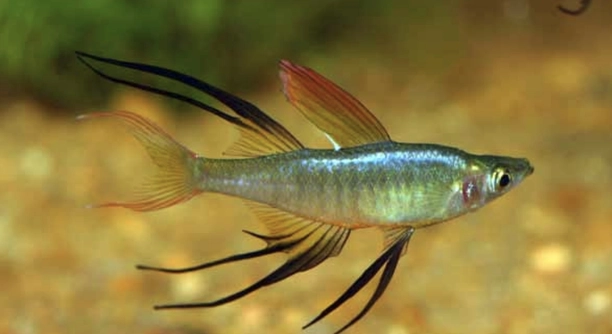
Threadfins are known for their graceful swimming and shimmering scales, often captivating aquarists. Yet, many notice them circling their tankmates, which can seem puzzling at first glance. Observing these behaviors closely can reveal fascinating insights into their social dynamics.
Threadfins circle their tankmates primarily to establish social hierarchy and maintain territorial boundaries. This behavior serves as a form of non-aggressive communication, allowing them to interact safely while assessing dominance, environmental comfort, and potential stress levels within the tank.
Recognizing these patterns can help aquarists maintain a harmonious environment and better understand their threadfins’ subtle social cues.
Understanding Threadfin Behavior
Watching threadfins swim in circles around other fish can be both mesmerizing and a little concerning. This motion is not random but rather a method of social interaction. In their natural environment, threadfins use circling to communicate with one another, establish territories, and signal comfort or caution. Tank conditions can influence the frequency of this behavior. Overcrowding, limited hiding spaces, or changes in water quality may trigger more noticeable circling. By observing patterns, you can determine whether the behavior is simply social or a sign of stress. Temperature, pH levels, and feeding schedules also play subtle roles in their interactions. Even minor adjustments to the tank setup can influence how often threadfins engage in this behavior. Paying attention to each fish’s response helps maintain a balanced and calm aquarium. Threadfins may appear restless, but circling is often their way of checking in and maintaining cohesion.
Monitoring these patterns ensures you can act early to prevent stress-related issues.
Understanding the nuances of circling allows you to adjust environmental factors and tankmates effectively. Some threadfins are naturally more active or cautious, and they may use circling as a non-aggressive method to assert presence. Tank size and decorations matter significantly, as more open space can reduce constant circling. Observing interactions over time helps distinguish between playful behavior and stress signals. Lighting, feeding frequency, and water movement can also impact their comfort level. By recognizing subtle cues, you can promote a calmer atmosphere and healthier social dynamics within the aquarium. Maintaining consistent water quality, providing adequate hiding spots, and ensuring compatible tankmates encourages natural behaviors. This approach minimizes stress while supporting the fish’s natural instincts, allowing threadfins to thrive.
Creating a Comfortable Aquarium Environment
A well-structured tank reduces excessive circling and improves overall fish health.
Providing ample space, proper water conditions, and visual barriers helps threadfins feel secure. Decorations and plants create zones where fish can retreat or explore freely. Tank size directly affects social interactions, as crowded conditions increase stress and can lead to constant circling. Consistent feeding schedules reduce competition and tension. Observing each fish’s behavior regularly allows adjustments to tank layout and water parameters. By addressing both physical and environmental needs, aquarists can encourage natural, calm interactions among all species. Over time, a carefully arranged aquarium promotes balance, reducing unnecessary stress and helping threadfins feel confident and secure while maintaining their social habits naturally.
Common Triggers for Circling
Changes in water temperature or pH can make threadfins more active. Even small shifts may prompt them to circle tankmates more frequently as a way to gauge comfort and safety within the environment.
Environmental stressors such as sudden noise, bright lighting, or a new tankmate often trigger increased circling behavior. Threadfins respond by assessing potential threats or adjusting to the presence of others. Feeding times can also influence this motion, as fish may circle in anticipation or to assert minor dominance. Recognizing these triggers allows you to modify conditions, reduce stress, and maintain calmer interactions among all tank inhabitants, keeping the aquarium balanced and healthy.
Individual personality also plays a role in circling behavior. Some threadfins are naturally curious, while others are more cautious, leading to varied interactions. By observing each fish over time, you can distinguish normal social behavior from stress responses. Adjusting tank layout, providing hiding spaces, and keeping water parameters stable help accommodate these differences. Consistent observation ensures that the fish maintain natural behaviors without causing tension in the aquarium, supporting both social structure and overall well-being.
Social Hierarchy Among Tankmates
Threadfins use circling to communicate and establish social rank within a group. This behavior reduces physical conflict while clarifying positions.
Hierarchy is important for maintaining harmony in the tank. Circling allows threadfins to assert presence without aggression, giving subtler signals that others can recognize. Dominant fish may circle more confidently, while subordinate fish respond by yielding space or showing submission. This structured interaction prevents constant fighting and allows all fish to coexist peacefully. Feeding order, territory within the tank, and interactions around decorations are all influenced by this hierarchy. Understanding these dynamics helps in arranging tankmates, adjusting group sizes, and managing their environment for smoother social interactions.
Observing Feeding Behavior
Threadfins often circle tankmates during feeding to establish order. This ensures each fish has access to food without direct confrontation.
Circling can indicate anticipation or mild competition. Fish may swim around others before approaching food, signaling social dynamics and natural instincts.
Role of Tank Size
Larger tanks reduce excessive circling by providing more space for individual movement. Fish feel less crowded and more secure.
Water Quality Impact
Poor water quality can heighten stress, prompting more frequent circling. Maintaining stable parameters helps threadfins remain calm.
Personality Differences
Each threadfin has a unique temperament. Some are bold and active, while others are cautious, influencing how often they circle others.
FAQ
Why do threadfins circle certain tankmates more than others?
Threadfins often circle fish that are smaller, slower, or less dominant. This behavior helps them gauge social hierarchy and assert presence without direct aggression. Circling allows threadfins to interact safely and maintain awareness of others’ behavior, ensuring peaceful coexistence.
Is circling always a sign of stress?
Not necessarily. Circling is a normal social behavior used to communicate and establish territory. However, excessive or frantic circling may indicate stress caused by overcrowding, sudden changes in water conditions, or incompatible tankmates. Monitoring patterns helps distinguish normal interaction from distress.
Can feeding habits influence circling behavior?
Yes. Threadfins may circle tankmates during feeding to assert dominance or secure a portion of food. Providing multiple feeding spots and a consistent schedule can reduce tension and ensure all fish eat without conflict.
Does tank size affect how often threadfins circle?
Absolutely. Smaller tanks increase competition for space and resources, leading to more frequent circling. Larger tanks give each fish room to move, explore, and establish personal zones, reducing stress-related behaviors.
How does water quality impact circling?
Poor water quality can heighten stress, making threadfins more likely to circle others. Stable parameters for pH, temperature, and cleanliness help maintain calm behavior and support natural social interactions.
Do decorations and hiding spots reduce circling?
Yes. Plants, rocks, and visual barriers create territories and safe zones, allowing fish to retreat and feel secure. When fish have places to hide or explore, circling becomes less frequent and more purposeful.
Can personality differences among threadfins influence circling?
Individual temperament plays a role. Bold or curious fish may circle more often to investigate tankmates, while cautious fish may circle less, preferring to observe from a distance. Recognizing these differences helps in managing group dynamics effectively.
Is circling behavior more common in mixed-species tanks?
Mixed-species setups can increase circling if fish have differing temperaments or activity levels. Threadfins use circling to communicate with less familiar species and establish boundaries, reducing potential conflicts. Observing interactions allows adjustments in tankmates or layout.
How can I tell if circling is harmful?
Circling becomes concerning if it is constant, aggressive, or paired with other stress signs like loss of appetite, rapid gill movement, or hiding. Intervening with tank adjustments, water checks, or space management helps prevent long-term issues.
Can overfeeding affect circling patterns?
Overfeeding can cause competition and increased circling as fish jostle for food. Moderating portion sizes and distributing food evenly minimizes unnecessary movement and supports calmer social behavior.
What role does social hierarchy play in circling?
Circling reinforces social ranking without physical fighting. Dominant fish circle to assert presence, while subordinate fish respond by yielding space. This system helps maintain order and reduces potential conflicts in the tank.
Are there times when circling indicates curiosity rather than stress?
Yes. Threadfins may circle new tankmates, changes in environment, or introduced objects out of curiosity. Unlike stress-driven circling, this behavior is calm and exploratory, allowing fish to assess their surroundings safely.
Can observing circling improve aquarium management?
Careful observation helps aquarists adjust tank size, decorations, feeding, and water parameters to support natural behavior. Understanding when circling is normal or problematic ensures a healthier, balanced, and peaceful aquarium environment.
Do threadfins circle differently depending on age or size?
Younger or smaller fish may circle more frequently to explore and assert presence within the group. Larger, mature fish often use slower, deliberate circling to maintain social order without aggression. Observing these patterns helps manage tank harmony effectively.
How do changes in lighting affect circling behavior?
Sudden bright lights or inconsistent lighting schedules can trigger more frequent circling. Consistent and moderate lighting helps threadfins feel secure, reducing stress-driven behavior and promoting normal social interactions.
Can adding more threadfins to the tank change circling patterns?
Adding more threadfins can increase circling temporarily as fish reestablish hierarchy. Over time, natural social order develops, and circling may normalize. Proper tank size and hiding spots are important to support these adjustments.
Does circling ever indicate illness?
While circling is mostly social, unusual or repetitive circling combined with lethargy, color changes, or loss of appetite may indicate health issues. Monitoring behavior alongside water quality checks helps identify potential problems early.
How can I encourage positive social behavior in threadfins?
Maintaining clean water, adequate space, structured feeding, and visual barriers promotes calm and purposeful circling. Recognizing individual personalities and providing compatible tankmates reduces tension and supports healthy, natural interactions.
Is circling more common during certain times of day?
Threadfins may circle more actively during feeding periods or in the morning when activity levels are higher. Observing daily patterns allows aquarists to anticipate behavior and adjust tank management strategies accordingly.
What is the long-term impact of unmanaged circling?
If circling results from stress or overcrowding, it can lead to health issues, aggression, and poor social cohesion. Addressing environmental factors, diet, and space ensures threadfins maintain balanced, healthy social interactions over time.
Final Thoughts
Observing threadfins in an aquarium can be a fascinating experience. Their graceful movements and shimmering scales often draw attention, but behaviors like circling around tankmates can leave you wondering about their meaning. This motion is usually a natural social behavior, rather than a sign of aggression or illness. Threadfins use circling to communicate, establish social order, and assess the environment. Each fish interprets the presence of others and responds accordingly, which helps maintain harmony within the group. Understanding these behaviors allows aquarists to create a more comfortable and balanced environment, ensuring that each fish can interact safely and naturally. The more time you spend observing your fish, the easier it becomes to distinguish between normal behavior and stress-related patterns.
Environmental factors have a significant impact on circling behavior. Tank size, water quality, decorations, and hiding spaces all influence how threadfins interact with one another. A cramped tank can increase circling frequency, while a well-structured tank with ample space allows fish to move freely without constantly encroaching on one another. Maintaining stable water parameters, including temperature, pH, and cleanliness, is crucial for keeping stress levels low. Feeding schedules also play a role; predictable and evenly distributed food reduces competition and prevents excessive circling. By paying attention to these details, aquarists can promote calm, natural behavior and minimize unnecessary tension among tankmates. Even small adjustments, like adding plants or rearranging decorations, can create territories and safe zones that reduce constant circling.
Individual personality differences among threadfins also contribute to how they interact. Some fish are naturally more curious and active, while others are cautious or reserved. These differences affect how often and how closely they circle other tankmates. Observing each fish over time provides insight into their temperament and social strategies. Recognizing these patterns helps aquarists manage group dynamics more effectively, such as selecting compatible tankmates and providing sufficient space for each fish. Over time, understanding circling as a normal, purposeful behavior improves the overall health and well-being of the aquarium. Maintaining a calm and structured environment allows threadfins to thrive, displaying their natural social instincts without stress. In essence, careful observation, attention to tank conditions, and consideration of individual personalities create a harmonious habitat where threadfins can interact naturally and confidently.

Hello,
If you enjoy the content that we create, please consider saying a "Thank You!" by leaving a tip.
Every little bit helps us continue crafting quality advice that supports the health, happiness, and well-being of pets around the world, for pets of all shapes, sizes, and species.
We really appreciate the kindness and support that you show us!