
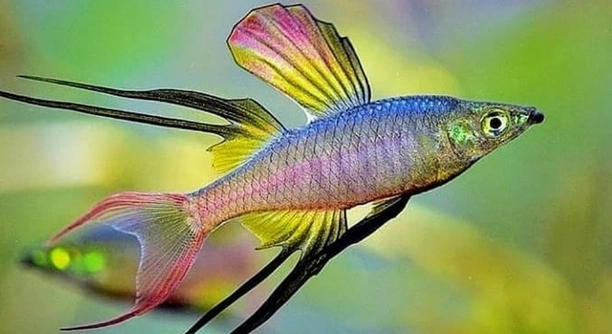
Threadfins are fascinating fish often seen gliding gracefully through coastal waters. Their behavior becomes lively when food appears, as they gather in groups, creating a dynamic scene in the shallow waters. Observing them can be quite engaging.
When threadfins compete over food, they exhibit rapid, coordinated movements and nipping behavior. Dominant individuals often push others aside, while weaker fish retreat temporarily, resulting in a brief but intense scramble until the food is consumed.
The interactions reveal much about social hierarchy and survival instincts. Learning these patterns provides insight into the daily challenges threadfins face in securing nourishment.
Gathering Around the Food Source
Threadfins are drawn to areas where food is plentiful, often forming tight groups near the surface. They rely heavily on their keen sense of sight and movement to detect potential meals. Once they spot food, their behavior changes noticeably. Fish that were previously swimming calmly may suddenly dart toward the source, creating a flurry of activity. Some threadfins position themselves strategically at the edges, waiting for an opening to snatch morsels. Larger or more dominant fish tend to take the center spots, asserting control without wasting much energy. Meanwhile, smaller or younger individuals remain on the periphery, ready to react quickly if the opportunity arises. These interactions demonstrate how threadfins balance aggression with caution. Every movement is deliberate, ensuring that each fish maximizes its chance to feed. Over time, these patterns of feeding create a rhythm, where some fish consistently gain more access to food while others adapt to secondary positions, highlighting the importance of hierarchy in their behavior.
Dominant fish usually take the best positions, allowing them to consume the largest portions while others wait.
Observing threadfins gathering at a food source offers insight into their complex social interactions. Each fish appears to have a role within the group, whether as an assertive feeder or a cautious follower. Smaller fish must anticipate movements of larger peers and adjust quickly to avoid being pushed away. Timing is critical; even a slight delay in movement can mean missing out on a portion. Interestingly, these gatherings are rarely chaotic despite the competition. Fish often exhibit subtle communication cues, such as changes in swimming speed or slight nudges, signaling intent or dominance. This natural order ensures that the group functions efficiently, with minimal prolonged conflict. Over repeated encounters, threadfins seem to recognize patterns among familiar individuals, which helps them predict reactions and adjust feeding strategies. Watching them, one can see that their behavior is not just instinctive but shaped by constant interaction, creating a delicate balance between aggression, strategy, and opportunity.
Nipping and Quick Maneuvers
When food is limited, threadfins engage in swift nipping, pushing, and rapid swimming to claim their share.
These quick maneuvers are essential for survival. Fish often snap at small pieces of food, jostle each other gently, and retreat only to rejoin the feeding. Each movement is calculated to maximize intake while avoiding injury. Some threadfins circle around competitors, waiting for a chance to dart forward, while others use sudden bursts of speed to outmaneuver rivals. These feeding interactions highlight the balance between risk and reward. While the act may seem aggressive, it rarely results in lasting harm; the goal is simply to secure nourishment efficiently. Fish that misjudge timing or position often lose small portions but quickly adapt, trying again in the next moment. Over time, repeated encounters allow each individual to refine its approach, learning which strategies are most successful. By observing these patterns, it becomes clear that threadfins rely on both instinct and learned experience during feeding, creating a dynamic, almost choreographed display of energy, precision, and strategy that ensures most fish gain something from each session.
Avoiding Conflict
Threadfins often retreat briefly to avoid direct confrontations. They watch dominant fish closely, timing their moves carefully to grab food safely without getting pushed aside.
Even when food is scarce, smaller threadfins demonstrate patience and awareness. They frequently hover near the edges of the feeding area, observing dominant individuals and waiting for the right moment to act. Quick assessments of body language and movement help them decide when to dart forward or hold back. By keeping a safe distance, these fish minimize energy loss and reduce the risk of injury. Some use subtle maneuvers, like circling or shifting positions, to avoid attention while still accessing food. Over time, these cautious behaviors become consistent strategies, showing that avoiding conflict is as important as aggression in their daily feeding.
This avoidance strategy balances the group dynamic. While dominant fish take the lead, others maintain access without constant clashes. Their patience ensures they can feed steadily and learn from each encounter.
Sharing Opportunities
Threadfins sometimes benefit from food left behind by others. Quick fish can snatch leftovers, turning small openings into meaningful gains.
Even in competitive groups, leftover food provides chances for less dominant individuals to nourish themselves. They often monitor interactions closely, identifying moments when dominant fish overreach or miss small pieces. By being alert and adaptable, these threadfins make efficient use of available resources. Movement is calculated, and timing is crucial to maximize intake without provoking stronger competitors. Some fish even follow dominant peers for extended periods, learning feeding patterns and predicting opportunities. This behavior illustrates that competition is not absolute; cooperation or opportunism can emerge naturally. Fish that consistently exploit these openings gain nourishment without entering direct conflict, reinforcing a balance between assertive and cautious feeding.
Over time, these small gains can significantly impact survival. Opportunistic feeding strategies allow weaker or younger fish to thrive alongside more dominant peers, showing that adaptation and observation are just as critical as strength in threadfin feeding behavior.
Quick Reactions
Threadfins rely on fast reflexes during feeding. Sudden movements allow them to snatch food before competitors can react.
Even minor hesitation can mean missing out. Each fish remains alert, ready to dart at any moment when food appears. Speed often determines who eats the most.
Learning from Others
Younger or smaller threadfins often mimic the actions of more dominant fish. Observing successful feeding strategies helps them improve timing and positioning, allowing them to claim portions efficiently. Over repeated encounters, they adapt their movements, becoming more confident in challenging situations. This learning process is essential for survival and growth within the group.
Energy Conservation
Threadfins balance rapid movements with rest periods. Conserving energy ensures they can respond effectively when new food sources appear.
FAQ
Why do threadfins fight over food?
Threadfins compete over food primarily due to limited resources and natural hierarchy. Larger or more dominant fish often try to secure the best portions, while smaller fish must act quickly to grab what remains. This behavior ensures survival, allowing the strongest or most alert individuals to thrive while others learn to adapt. The fighting is usually brief and strategic rather than continuous aggression.
Do threadfins hurt each other when fighting?
In most cases, fights between threadfins do not result in serious injury. Nipping and shoving are typically brief and controlled. Fish rely on quick movements to assert dominance or gain food, rather than causing harm. The minor skirmishes allow access to food without putting the group at risk.
How do smaller threadfins get food without confrontation?
Smaller or younger threadfins often stay at the edges of feeding groups, waiting for opportunities left by dominant fish. They watch movements closely and time their actions to avoid direct contact. Opportunistic feeding, patience, and careful observation allow these fish to gather portions without entering constant conflict.
Do threadfins learn from watching others?
Yes, observational learning is common. Younger fish or less dominant individuals often mimic the movements and strategies of successful feeders. By observing timing, positioning, and reactions, they gradually improve their own feeding efficiency. This learned behavior increases their chances of survival over time.
How fast do threadfins react during feeding?
Threadfins exhibit extremely fast reflexes when food is present. Even a small delay can result in missing a portion. Rapid bursts of speed, darting movements, and quick positioning are all critical for success. Their reactions are a mix of instinct and learned experience from repeated encounters.
Do all threadfins have equal access to food?
Access to food is rarely equal. Dominant fish take central or prime positions, consuming the largest portions. Weaker or younger fish must rely on opportunistic strategies, patience, and quick reactions to secure smaller portions. Over time, these patterns create a natural balance within the group.
Why do threadfins sometimes back away instead of competing?
Avoiding conflict helps conserve energy and reduces the risk of injury. Fish often step back to watch dominant individuals or wait for better opportunities. Strategic retreat is a natural part of their feeding behavior, balancing aggression with caution.
Can threadfins share food intentionally?
Intentional sharing is rare. Most observed behavior is opportunistic, where less dominant fish benefit from leftovers. Threadfins generally prioritize personal gain but adapt by taking advantage of openings created by others.
How does the feeding hierarchy affect group behavior?
The hierarchy ensures order during feeding. Dominant fish control prime spots, while others adapt through timing and positioning. This structure reduces prolonged conflict, maintains access for multiple fish, and ensures most individuals get some food, even if not the largest portions.
Do environmental factors change their feeding fights?
Yes, factors like water clarity, current, and food availability influence behavior. Clear water allows fish to see movements better, increasing competition, while turbid water may reduce direct confrontations. Scarce food intensifies competition, whereas abundant food reduces aggressive behavior and allows more fish to feed simultaneously.
How do threadfins remember feeding interactions?
Threadfins seem to recognize familiar individuals and their tendencies over repeated encounters. Memory helps them predict movements, avoid conflicts, and maximize food intake. This learned recognition improves efficiency and reduces unnecessary energy expenditure.
Is aggressive feeding stressful for threadfins?
Brief confrontations are generally manageable. While there is a small stress element in competition, fish quickly return to normal swimming once food is consumed. Adaptation and hierarchy reduce long-term stress within feeding groups, allowing for efficient resource use.
Can feeding fights affect growth or health?
Yes, individuals that consistently secure larger portions often grow faster and maintain better health. Weaker or less skilled fish must rely on smaller portions and opportunistic strategies, which can slow growth. However, these behaviors ensure survival and learning, allowing most fish to thrive over time.
Do threadfins fight differently when food is scarce versus abundant?
Scarce food increases intensity, speed, and nipping behavior. Fish compete more aggressively for limited portions. When food is abundant, fights are shorter and less frequent. Opportunistic strategies become more effective, and even smaller fish can access portions without heavy confrontation.
How do observers benefit from watching fights?
Observing others allows fish to learn feeding strategies, predict movements, and time actions for better success. Watching helps less dominant fish understand hierarchy, adapt to competitors, and improve efficiency, all while conserving energy and avoiding injury.
Do threadfins form temporary alliances?
Temporary cooperation is rare and mostly opportunistic. Some fish may follow dominant peers or group strategically to access food more efficiently. While not true alliances, these behaviors show adaptability and situational awareness during feeding.
How do fights end?
Fights typically end quickly once food is consumed or dominant fish lose interest. Minor skirmishes settle naturally, with fish resuming normal swimming patterns. The resolution is often calm, allowing the group to return to a stable order.
Can humans influence threadfin feeding behavior?
Human presence or feeding can alter patterns. Providing food may reduce natural competition or change hierarchy temporarily. Fish quickly adjust, often gathering eagerly, but revert to natural behavior once artificial sources are removed.
Do threadfins fight over all types of food?
Yes, any desirable food can trigger competition. Small crustaceans, fish fry, and plankton are commonly contested. The intensity depends on size, quantity, and distribution of the food. More concentrated resources create faster, more aggressive interactions, while scattered food allows calmer feeding.
Why is watching threadfins feed interesting?
Their behavior combines strategy, reflexes, and social dynamics. Observing how fish time movements, avoid conflict, and exploit opportunities provides insight into natural instincts, hierarchy, and adaptation. Each feeding event highlights the balance between aggression, caution, and learned experience within their groups.
Final Thoughts
Threadfins show fascinating behavior when it comes to feeding. Their interactions around food are a mix of instinct, strategy, and learned experience. Dominant fish usually take central positions to access the best portions, while smaller or younger individuals rely on careful observation and quick movements to secure what they can. The group forms a natural order that balances aggression with avoidance, allowing most fish to get some food without continuous conflict. Even brief skirmishes are part of this balance, helping to maintain structure within the feeding group. Over time, each fish learns its place, adapts to the behavior of others, and finds ways to survive while competing with peers.
Observing threadfins at feeding times highlights the importance of speed, timing, and awareness. Quick reflexes often determine which fish eat the most, while slower individuals develop strategies to take advantage of leftovers or small openings. Younger or less dominant fish also learn by watching the actions of others, improving their chances over repeated encounters. These behaviors show that feeding is not just about taking what is available, but also about understanding social cues and environmental conditions. Fish constantly adjust their movements, anticipate reactions from competitors, and conserve energy when necessary. This dynamic makes feeding time both efficient and structured, ensuring that the group functions effectively while minimizing the risk of injury or wasted effort.
Threadfins’ feeding habits also demonstrate how adaptation and observation are essential for survival. Fish that fail to recognize opportunities or respond too slowly may miss out on portions, while those that learn from experience can thrive despite competition. Even small gains from opportunistic feeding can significantly impact growth and overall health. The interactions between dominant and subordinate fish illustrate the balance of risk and reward, showing that aggression is controlled by instinct and necessity rather than unchecked conflict. Overall, the feeding behavior of threadfins provides insight into their social hierarchy, learning capacity, and natural instincts. By understanding these patterns, it becomes clear that their actions are not random but shaped by both environment and experience, creating a balanced system where each fish finds a way to survive and grow.

Hello,
If you enjoy the content that we create, please consider saying a "Thank You!" by leaving a tip.
Every little bit helps us continue crafting quality advice that supports the health, happiness, and well-being of pets around the world, for pets of all shapes, sizes, and species.
We really appreciate the kindness and support that you show us!