
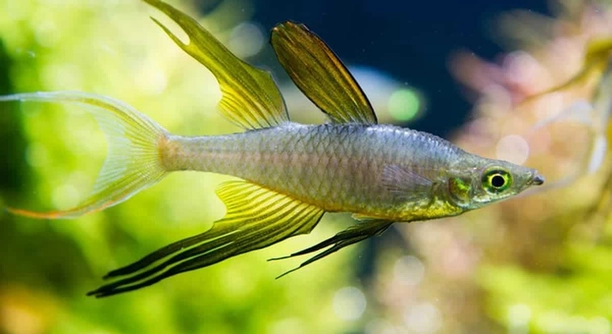
Threadfins are gentle fish that prefer calm and safe areas in their habitat. Observing their behavior shows how naturally they seek shelter in places that make them feel secure and relaxed around their surroundings.
Threadfins instinctively trust areas that provide cover, shade, or stable structure. Common examples include submerged logs, dense aquatic plants, rocky crevices, mangrove roots, shallow sandy banks, floating debris, and areas with minimal water flow. These spots reduce perceived threats and increase comfort.
Knowing where threadfins feel safe can help in caring for them properly. Observing their choices reveals patterns that guide better habitat management and fish well-being.
Submerged Logs
Threadfins naturally gravitate toward submerged logs in rivers and shallow coastal areas. These logs provide shelter from strong currents and predators while also creating shaded areas that make the fish feel secure. Over time, threadfins learn to recognize these logs as safe spaces where they can rest, feed, and interact with other fish without feeling threatened. Logs with rough surfaces also allow smaller creatures to attach, which indirectly provides additional food sources for threadfins. The fish often swim around these structures repeatedly, showing a clear preference. Logs near the water surface are particularly appealing because they create partial cover while still allowing threadfins to access open water quickly. Observing this behavior in natural settings highlights how essential structural elements are to their comfort. Maintaining similar structures in controlled habitats helps mimic natural conditions, reducing stress. Many aquaculture setups include logs to provide these benefits, ensuring healthier, more relaxed threadfins.
Submerged logs are effective shelters, offering both protection and access to food sources, making them a preferred trust spot for threadfins.
Logs not only offer safety but also encourage social interactions and natural behaviors. Threadfins use these spaces for resting, feeding, and observing their surroundings without feeling exposed.
Dense Aquatic Plants
Threadfins often hide among dense aquatic plants, which provide both camouflage and a safe environment. The leaves and stems break up sightlines, reducing exposure to predators. Fish can move through these areas easily, gaining protection while still having space to swim freely. Plants also attract small invertebrates, serving as convenient feeding spots. Threadfins tend to linger near the edges of plant clusters, balancing the need for cover with access to open water. Shallow areas with abundant vegetation are especially popular because they allow quick escapes if danger approaches. Maintaining dense plant patches in aquariums or ponds replicates this natural preference. Over time, threadfins develop familiarity with these plant shelters, showing increased comfort and reduced stress levels. By arranging plants strategically, caretakers can create zones where threadfins feel secure yet can still explore, feed, and interact. Observing these habits confirms that aquatic vegetation is more than decoration—it is essential for trust and safety.
Dense aquatic plants provide the cover and feeding opportunities threadfins instinctively seek.
These plant-rich areas support natural behavior, reduce stress, and create a sense of security, making them critical for well-being and proper habitat design.
Rocky Crevices
Rocky crevices give threadfins small spaces to hide, keeping them safe from predators and strong currents. These narrow gaps provide a sense of security and allow the fish to observe their surroundings without being fully exposed.
Threadfins use rocky crevices to rest and seek shelter during stressful conditions. The irregular surfaces and narrow openings create natural hiding spots, making it harder for predators to reach them. Fish often move in and out of these crevices, using them as temporary refuges while exploring nearby areas. Crevices also support algae and small invertebrates, giving threadfins easy access to food while staying protected. The depth and arrangement of rocks influence how safe the fish feel, with deeper gaps generally being more favored. Maintaining rocky areas in ponds or tanks helps mimic these natural conditions, promoting healthier, less stressed threadfins.
Fish regularly return to preferred crevices, showing strong attachment to these secure areas. Crevices allow threadfins to balance safety, feeding, and social interaction, which is crucial for their daily routines and overall well-being in controlled habitats.
Mangrove Roots
Mangrove roots create a complex network that threadfins use for shelter and protection from predators. These roots provide both shade and structure, making them a reliable hiding spot.
The intricate root systems of mangroves give threadfins multiple pathways to move safely, reducing exposure to threats. Fish often swim around these roots, weaving through gaps to find the safest positions. Mangrove areas also attract small crustaceans and insects, providing convenient feeding opportunities. Roots near shallow water are especially valuable because they allow threadfins to remain near the surface while still feeling protected. Observations show that threadfins spend significant time navigating these root networks, suggesting a strong preference for such structured habitats. In aquaculture or home pond setups, mimicking this environment helps reduce stress, encouraging natural behavior and improved health. The combination of cover, feeding access, and structural complexity makes mangrove roots essential for building trust with threadfins.
Shallow Sandy Banks
Shallow sandy banks provide threadfins with easy access to both food and open water. The gentle slope and soft substrate make these areas ideal for resting and quick escapes from predators.
Threadfins often hover near the edge of sandy banks, staying alert while feeling secure. These banks allow them to search for small invertebrates and other edible material buried in the sand. The open visibility near the water’s surface helps them detect threats early, while the shallow depth reduces stress from strong currents. Maintaining sandy areas in ponds or tanks creates a familiar environment, encouraging natural behavior and movement. Threadfins show consistent preference for these banks, often returning daily to the same spots, indicating comfort and trust in this habitat feature.
Floating Debris
Floating debris offers immediate cover for threadfins, reducing exposure and creating shade. Fish can move under leaves, branches, or plant matter while staying protected from overhead predators.
Threadfins often linger around floating debris, using it as a temporary shelter while feeding or resting. This debris not only provides cover but also attracts small insects and microorganisms, giving fish easy access to food. In natural habitats, areas with consistent debris tend to have higher threadfin activity. Caretakers can replicate this by placing floating elements in controlled environments, creating familiar spaces that promote comfort and reduce stress. Observing their interaction with debris highlights their instinctive need for cover and safe zones in open water.
Areas with Minimal Water Flow
Areas with minimal water flow give threadfins calm spots to rest and monitor their surroundings. These zones reduce energy expenditure while still allowing access to food and social interaction.
FAQ
How do I know if my threadfins feel safe in their hiding spots?
Threadfins that feel secure tend to swim calmly and return repeatedly to the same locations. They show relaxed body language, slow movements, and occasionally hover near the shelter without darting. Avoiding constant hiding or sudden panic indicates that the chosen spots are trusted.
Can I replicate natural hiding spots in an aquarium?
Yes, creating similar conditions with logs, rocks, plants, or floating debris works well. Use non-toxic materials and ensure structures are stable. Shallow sandy areas and zones with minimal water flow also mimic natural environments. The goal is to provide multiple options for comfort and exploration.
Do threadfins prefer one type of hiding spot over another?
Preferences can vary, but structural complexity and safety are key. Many threadfins gravitate to submerged logs, rocky crevices, and dense aquatic plants. Shallow sandy banks and mangrove-like structures are often secondary choices but remain important for balance between cover and feeding opportunities.
How often should I change or rearrange hiding spots?
Frequent changes can stress threadfins. Minor adjustments occasionally are fine, but maintaining familiar locations helps build trust. Gradual changes allow them to explore safely and reduce anxiety. Observing their reactions to modifications can guide how much rearrangement is suitable.
Is lighting important for trust in hiding spots?
Yes, soft or diffused lighting helps threadfins feel secure. Bright, direct light may make them avoid certain areas. Providing shaded zones, especially near logs, plants, or floating debris, increases comfort and encourages natural activity patterns during the day.
Can hiding spots affect feeding behavior?
Absolutely. Threadfins are more likely to feed confidently when near familiar shelters. Areas with cover allow them to feel protected while exploring for food. If hiding spots are removed, feeding may decrease, and stress-related behaviors like erratic swimming may appear.
Do all threadfins share the same hiding preferences?
Not always. Individual fish can develop favorite spots based on personality, age, or size. Some may prefer logs, others plants or crevices. Providing a variety ensures that all fish have access to locations where they feel secure. Observing each fish helps understand its specific preferences.
How can I tell if a hiding spot is unsafe?
Signs include fish avoiding the area, showing constant darting, or squeezing into tiny gaps excessively. Unstable materials or sharp edges may also deter use. Safe spots should feel accessible, allow movement, and provide both cover and a sense of space.
Do seasonal changes affect hiding spot use?
Yes, seasonal variations like temperature, water level, or flow can influence behavior. Threadfins may shift to more sheltered zones during higher currents or increased sunlight. Maintaining multiple trusted locations ensures they can adapt naturally without stress.
Is it necessary to have multiple hiding spots in one habitat?
Definitely. Multiple spots reduce competition, allow personal space, and encourage natural behaviors. Different types of cover—logs, plants, rocks, or debris—meet varying needs for resting, feeding, and monitoring the environment. This variety is essential for their overall comfort and well-being.
How long does it take for threadfins to trust new hiding spots?
Trust builds gradually. Some fish explore immediately, while others take days or weeks. Offering consistent, safe, and stable structures encourages exploration. Observing repeated visits and calm behavior indicates that trust has been established. Patience is key when introducing new elements to their habitat.
Can hiding spots prevent stress-related illnesses?
Yes. Providing trusted shelters reduces stress, which in turn supports immune health. Fish under constant threat or without safe areas are more prone to disease. Ensuring a variety of reliable hiding spots helps maintain both physical health and natural behavior.
What maintenance is required for hiding spots?
Regular cleaning prevents algae overgrowth or decay, especially on logs, plants, and debris. Rocks and sand may need occasional rinsing. Avoid harsh chemicals, and maintain stability to prevent injuries. Proper maintenance ensures that hiding spots remain safe and inviting for threadfins.
Do threadfins interact differently in group settings around hiding spots?
Yes, social behavior emerges around preferred shelters. Dominant fish may claim prime spots, while others use secondary areas. Observing interactions helps ensure that overcrowding or aggression is minimized, and all fish have access to safe spaces. Multiple options reduce conflicts and support group harmony.
Can hiding spots be used to guide fish behavior in aquaculture setups?
Absolutely. Strategic placement of shelters encourages movement, feeding, and reduces stress. Structured areas help manage space efficiently, prevent overexposure, and support natural routines. Using hiding spots intentionally can improve overall health and optimize daily activity patterns in controlled environments.
Final Thoughts
Creating a safe and comfortable environment for threadfins is essential for their health and well-being. Observing these fish shows that they instinctively seek areas that offer protection, shade, and structure. Whether in natural habitats or controlled environments, they look for places where they can rest, feed, and monitor their surroundings without feeling exposed. Submerged logs, dense aquatic plants, rocky crevices, mangrove roots, shallow sandy banks, floating debris, and areas with minimal water flow all provide these advantages. Each of these hiding spots meets slightly different needs, from shelter and safety to feeding opportunities. By providing multiple options, caretakers can ensure threadfins feel secure and display natural behaviors. Fish that feel safe tend to be calmer, feed more reliably, and interact more naturally with others in the same habitat. Stress is reduced when fish can choose where to hide, which directly impacts their long-term health.
Maintaining and replicating these trusted hiding spots requires careful observation and consistency. Threadfins develop routines around familiar shelters, often returning to the same spots repeatedly. Sudden changes or removal of these structures can cause stress, while gradual adjustments allow the fish to explore new areas without fear. In aquariums or ponds, materials should be non-toxic and stable. Logs, rocks, and debris should be positioned to allow movement while preventing injury. Plants and roots should be dense enough to offer cover but not overcrowd the habitat. Shallow sandy areas and zones with minimal water flow create calm spaces where fish can rest and feed. Lighting also plays a role, as softer, diffused light encourages comfort near these hiding spots. By carefully replicating natural conditions, caretakers can support healthy development, encourage natural behaviors, and strengthen trust between the fish and their environment.
Ultimately, understanding threadfins’ preference for specific hiding spots helps guide better habitat design and management. Each fish may show slightly different preferences, but all benefit from having safe zones that offer protection and opportunity for exploration. Providing a variety of hiding spots reduces competition, supports social interaction, and promotes natural behavior patterns. Consistent maintenance and thoughtful arrangement ensure that these shelters remain safe and inviting. Observing how threadfins use their environment reveals insights into their instincts and daily routines. Prioritizing safe hiding areas is not just about aesthetics—it is about creating a habitat where the fish can thrive physically and mentally. Trust is built over time, and the right environment encourages calm, confident, and healthy fish. By paying attention to these needs, caretakers can ensure threadfins live in a balanced, secure, and nurturing space that mirrors their natural habitats as closely as possible.

Hello,
If you enjoy the content that we create, please consider saying a "Thank You!" by leaving a tip.
Every little bit helps us continue crafting quality advice that supports the health, happiness, and well-being of pets around the world, for pets of all shapes, sizes, and species.
We really appreciate the kindness and support that you show us!