
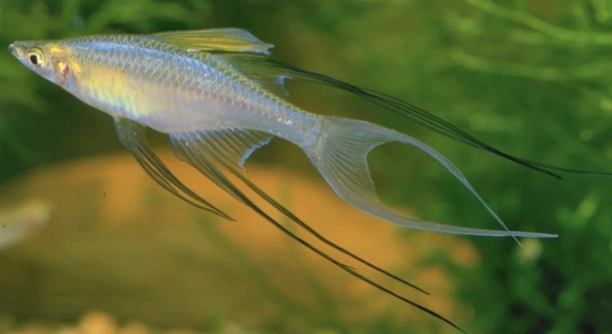
Threadfins are fascinating fish, often admired for their graceful movements and shimmering scales. Observing them closely can reveal subtle behaviors that hint at their personality. These traits make each fish unique and interesting to study in detail.
Threadfins exhibit distinct personality traits that can be observed through their behavior, activity levels, and social interactions. Common characteristics include curiosity, boldness, aggression, shyness, sociability, adaptability, and responsiveness to environmental changes. Recognizing these traits aids in understanding their behavior patterns.
Noticing these traits can enhance your experience with threadfins, offering insights into their interactions and daily routines in their environment.
Curiosity and Exploration
Threadfins are naturally curious creatures. They often investigate new objects in their tanks or surroundings, using their fins and bodies to explore. This behavior shows their intelligence and interest in their environment. You may notice them swimming toward unfamiliar items or changes in light and water movement. Their curiosity can also be observed when interacting with other fish. They may cautiously approach new tank mates or follow movements along the tank glass. This exploration helps them understand potential risks or opportunities in their habitat. Paying attention to these actions can give you insight into their comfort levels and overall well-being. Threadfins that are hesitant or avoidant may need more time to acclimate, while confident ones will readily explore and investigate changes. Encouraging safe exploration can help them remain active and mentally stimulated.
Observing a threadfin’s curiosity can reveal a lot about its personality and comfort in its environment.
Allowing threadfins to explore safely encourages mental stimulation and physical activity. Regularly changing tank decorations or introducing new elements keeps their environment engaging. Over time, you may notice patterns in their exploration, showing preferred areas or favored hiding spots. These small observations help you better understand their individual traits. By providing a stimulating environment, you support both their confidence and overall health, ensuring they remain active and responsive. Their exploratory behavior can also improve social interactions with other fish, as confident individuals often lead group movements or establish territories. Consistent observation allows for subtle adjustments, making the tank a more dynamic and enriching habitat for your threadfins.
Boldness and Social Interaction
Threadfins display varying levels of boldness, which often influence their social interactions. Some are confident, while others are more reserved.
Bold threadfins are more likely to approach tank mates, explore new areas, and assert themselves during feeding. Their confidence can establish social hierarchies, as dominant individuals often take the lead in swimming patterns or territory use. Less bold fish may stay near shelters, observing before joining group activities. Understanding these differences can help you anticipate interactions and reduce stress in multi-fish tanks. Encouraging boldness through gradual exposure to new stimuli can balance social dynamics and support overall health. Tracking these behaviors allows you to notice changes over time, indicating shifts in confidence or adaptation to their environment.
Monitoring social dynamics is key to maintaining harmony. Providing both open spaces and hiding spots supports all personality types, ensuring threadfins feel secure and engaged. Regularly observing interactions can help identify dominant or shy individuals, making adjustments easier. When you accommodate their boldness and social preferences, your threadfins develop confidence while reducing conflicts. Over time, these observations create a deeper understanding of each fish’s tendencies, making tank management more intuitive. By carefully managing the environment, you can nurture both bold and reserved threadfins, supporting their natural behaviors and promoting a balanced, thriving community.
Shyness and Caution
Shy threadfins often stay near the edges of the tank or within hiding spots. They move slowly and observe their surroundings before interacting. Sudden changes can startle them, so patience is key when introducing new elements or tank mates.
Shy threadfins tend to avoid the center of the tank and may hesitate during feeding times. They often linger behind rocks or plants, watching other fish before venturing out. This cautious behavior is a survival strategy, allowing them to assess potential threats. Providing ample hiding spots and gentle lighting can help them feel safe. Over time, shy individuals may gradually explore more, showing small bursts of curiosity while maintaining a cautious approach. Observing these patterns can help you understand their comfort levels and adjust the tank environment accordingly.
It’s important not to force interactions with shy threadfins. Gradual exposure to open areas and controlled social situations encourages confidence. They respond well to consistency in feeding routines and tank conditions. Over time, these measures can reduce stress and allow shy fish to become more comfortable. Patience and attention to their behavior ensure they remain healthy and active while respecting their cautious nature. Small improvements in their environment can have noticeable effects on their willingness to explore.
Adaptability and Resilience
Adaptable threadfins adjust quickly to changes in their tank, water conditions, or new tank mates. They handle disruptions with minimal stress and continue their normal routines.
These fish demonstrate resilience when exposed to new environments or moderate changes in water temperature, pH, or flow. Adaptable threadfins often explore new structures or integrate smoothly with different species. They recover faster from disturbances compared to less flexible individuals, maintaining feeding and swimming patterns. Their ability to cope with variations in daily life shows strong survival instincts. Recognizing adaptable fish can help in planning tank changes and introducing new elements without causing unnecessary stress.
Adaptability supports both physical health and social interactions. Threadfins that adjust well maintain regular activity levels and engage confidently with other fish. They are less likely to develop stress-related behaviors, such as hiding excessively or losing appetite, during moderate environmental changes. This resilience allows for a more dynamic and balanced tank, where new decorations or social shifts do not disrupt the overall harmony. Observing which individuals adapt easily can guide decisions about tank management and new introductions. Ensuring a stable yet varied environment helps adaptable threadfins thrive and remain active.
Aggression and Territory
Some threadfins show aggression to protect their space or resources. They may chase other fish or assert dominance during feeding times. Recognizing this behavior helps maintain balance in a shared tank.
Aggressive threadfins often patrol certain areas, using body movements and fin displays to warn others. This behavior establishes boundaries and reduces conflicts when space is limited. Managing tank layout and providing hiding spots can minimize tension and ensure all fish coexist peacefully.
Sociability and Group Behavior
Threadfins often display sociable tendencies, swimming in coordinated groups or interacting frequently with tank mates. Their social behavior promotes engagement and helps establish routines within the tank.
Responsiveness to Environment
Threadfins react quickly to changes in water flow, lighting, and tank decorations. Observing these responses helps in understanding their comfort and adaptability levels.
FAQ
What are the most noticeable personality traits in threadfins?
Threadfins show a range of traits, including curiosity, boldness, shyness, sociability, aggression, adaptability, and responsiveness. Each fish is unique, and observing them over time helps identify these traits. Some fish explore constantly, while others stay near shelters, showing caution or shyness.
How can I tell if my threadfin is shy?
Shy threadfins usually stay near hiding spots and move slowly. They observe before interacting and may hesitate during feeding or when new objects are added. Providing safe spaces and avoiding sudden changes encourages them to gradually explore their surroundings without stress.
Why do some threadfins act aggressively toward tank mates?
Aggression is often linked to territorial behavior or competition for resources. Dominant fish patrol areas, chase others, or display fin movements to assert control. Proper tank layout, hiding spots, and monitoring group dynamics can reduce conflicts and maintain a balanced environment.
Are threadfins naturally curious?
Yes, curiosity is a common trait. They investigate new objects, changes in lighting, or movement in their environment. Curious individuals explore more actively and may approach other fish or decorations. Encouraging safe exploration promotes mental stimulation and keeps them engaged.
Can threadfins adapt to changes in their tank?
Threadfins vary in adaptability. Some adjust quickly to new decorations, water conditions, or tank mates, showing resilience and maintaining regular activity. Less adaptable individuals may retreat or become stressed. Gradual changes help all fish adjust and support overall health.
Do threadfins enjoy social interactions?
Many threadfins are sociable, swimming in groups or interacting with other fish. Social behavior helps them establish routines and reduces stress in a group tank. Observing group patterns shows which fish are leaders or more reserved.
How do environmental changes affect threadfins?
Threadfins respond to changes in water flow, lighting, and decorations. Sudden or extreme changes can stress them, while gradual adjustments allow exploration and adaptation. Monitoring reactions helps ensure their comfort and well-being.
Can bold and shy threadfins coexist?
Yes, coexistence is possible. Bold fish may take the lead in exploration, while shy individuals observe and join gradually. Providing hiding spots, open areas, and a stable feeding routine ensures both personality types thrive without conflict.
How do personality traits impact feeding behavior?
Curious or bold threadfins often feed first, exploring new food quickly. Shy or cautious fish may wait near shelters. Observing feeding patterns helps ensure all fish get enough food and remain healthy.
Is it important to recognize each fish’s personality?
Understanding personality traits allows better tank management, reduces stress, and supports natural behaviors. Recognizing traits like aggression, shyness, or sociability helps adjust environment, feeding schedules, and group dynamics for healthier, more active threadfins.
How can I encourage shy threadfins to explore?
Gradual exposure to open areas, gentle lighting, and safe interactions with tank mates help shy threadfins gain confidence. Avoid forcing exploration and maintain consistent routines to reduce stress and promote comfort.
Do all threadfins respond the same way to changes?
Responses vary depending on personality. Adaptable fish handle changes well, while less flexible individuals may hide or become less active. Observing responses over time shows which fish need more gradual adjustment and which thrive in dynamic conditions.
Can aggression be managed in a shared tank?
Yes, aggression can be reduced with proper tank layout, sufficient hiding spots, and monitoring interactions. Providing enough space and managing feeding routines ensures dominant fish do not overly stress others.
Are threadfins intelligent fish?
Threadfins display problem-solving abilities, curiosity, and learning from experiences. Observing their reactions to new objects, food, or tank mates shows signs of intelligence and adaptability, making them engaging to watch.
What daily observations are useful for understanding threadfin behavior?
Watching movement patterns, feeding habits, responses to changes, social interactions, and exploration provides insight into personality traits. Recording behaviors over time helps identify dominant, shy, or adaptable individuals, supporting better tank management and care.
How does social hierarchy affect personality expression?
Dominant fish often show boldness or aggression, while less dominant individuals may remain shy or cautious. Social hierarchy impacts feeding order, territory use, and movement patterns. Observing these interactions helps manage group dynamics and reduces conflict.
Can personality traits change over time?
Some traits are stable, like general shyness or boldness, but others may shift with environment, health, or social interactions. Gradual changes in behavior may indicate adaptation, stress, or growing confidence. Monitoring over time ensures proper support for each fish.
Do threadfins interact differently with humans than with other fish?
Yes, curious or bold threadfins may approach the tank glass, following movement or responding to feeding routines. Shy or cautious fish may avoid human presence, similar to how they interact with more dominant or unfamiliar tank mates.
Are there signs of stress linked to personality traits?
Stress manifests differently: shy fish may hide excessively, bold fish may become aggressive, and adaptable fish may show restlessness. Recognizing these signs early allows adjustments in environment, tank mates, or routines to maintain health.
How can I provide the best environment for various personalities?
Offer hiding spots, open areas, consistent feeding routines, gentle lighting, and gradual introductions. Observing responses to these elements ensures shy, bold, and adaptable threadfins coexist comfortably and remain active, healthy, and engaged.
Final Thoughts
Threadfins are remarkable fish with distinct personalities that can be observed in their daily behaviors. Each individual shows traits such as curiosity, boldness, shyness, sociability, aggression, adaptability, and responsiveness. Paying attention to these traits helps in understanding how each fish interacts with its environment and tank mates. Curious threadfins explore new objects or changes in the tank, showing their interest in their surroundings. Bold fish approach other fish or new areas confidently, while shy individuals remain cautious, often staying near hiding spots. Aggressive threadfins assert their dominance, which can affect the behavior of others, and sociable fish thrive when interacting in groups. Recognizing these differences allows for a more harmonious tank and helps ensure the health and well-being of each fish. Observing their daily habits, including feeding routines, swimming patterns, and interactions, provides valuable insight into their personality and comfort levels.
Understanding threadfin personalities also guides how you structure their environment. Shy fish benefit from ample hiding spaces and gentle lighting, giving them areas to feel safe and gradually explore. Bold and adaptable fish thrive when there is room for movement and opportunities to interact with other fish. Providing a mix of open areas and secure shelters ensures that all personality types can coexist comfortably. Adjustments to tank layout, water conditions, and decorations can reduce stress and support natural behaviors. For example, introducing new objects gradually allows cautious fish to explore without becoming overwhelmed. Observing social dynamics helps manage aggression and supports the development of a balanced hierarchy within the tank. By considering these aspects, it is possible to create an environment that encourages healthy behavior, engagement, and activity among all threadfins.
Personality traits also influence long-term care and management. Recognizing patterns in behavior can help anticipate needs and prevent potential issues. Shy fish may require extra patience and consistency in feeding schedules, while aggressive individuals may need additional space or separate feeding areas. Sociable and adaptable fish often adjust quickly to changes but still benefit from a stable routine. Regular observation allows for adjustments in environment and interaction to support the well-being of all fish. By understanding and respecting their individual traits, caretakers can ensure a thriving, balanced community. This attention to personality not only promotes the physical health of threadfins but also enhances their mental stimulation, leading to more engaging and active fish. In the end, being attentive to personality traits allows for a rewarding experience, creating a tank environment that reflects both their natural tendencies and their potential for adaptation.

Hello,
If you enjoy the content that we create, please consider saying a "Thank You!" by leaving a tip.
Every little bit helps us continue crafting quality advice that supports the health, happiness, and well-being of pets around the world, for pets of all shapes, sizes, and species.
We really appreciate the kindness and support that you show us!