
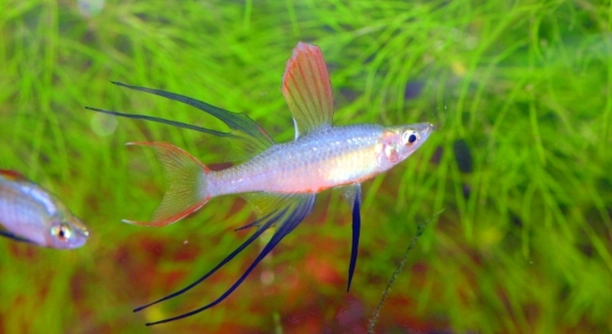
Have you ever spotted threadfins gliding through the water and noticed how they sometimes swim with their mouths slightly open, leaving you curious about this unusual behavior?
Threadfins often swim with their mouths open as part of their feeding strategy. This behavior allows them to filter plankton and other tiny organisms from the water while moving. By keeping their mouths open, they efficiently capture food without expending unnecessary energy.
This behavior is more than just a feeding habit, offering insights into how threadfins adapt to their environment and survive in diverse waters.
The Feeding Habits of Threadfins
Threadfins are fascinating fish that rely heavily on their feeding methods to thrive in their environment. Their open-mouth swimming technique is designed to help them capture food with minimal effort. Instead of chasing prey, they filter plankton, algae, and small organisms directly from the water as they glide along. This technique not only conserves energy but also allows them to cover large areas while gathering food. Many fish use similar strategies, but threadfins are especially known for this unique feeding style. By observing their behavior, you can see how nature has shaped them to live efficiently and survive with little wasted movement.
This feeding style ensures threadfins get steady nutrition without constantly searching or fighting for food sources in crowded waters.
Because threadfins rely on filtering, their mouths and gill structures are adapted to trap small particles effectively. They maintain this rhythm while swimming, which keeps them nourished and active. Their reliance on plankton-rich waters also explains why they are often found in coastal regions where food is more abundant. Unlike fish that hunt larger prey, threadfins do not need speed or strength to thrive. Instead, they embody efficiency, showing how different strategies in the aquatic environment ensure survival. Their feeding behavior highlights the balance between adaptation and necessity in marine life.
Why This Behavior Matters
Open-mouth swimming in threadfins is not only about eating but also about survival in their specific habitats.
By filtering plankton and microscopic organisms, threadfins play a crucial role in maintaining balance within marine ecosystems. Their feeding helps control plankton populations, preventing overgrowth that could disturb water quality and other aquatic life. This behavior also allows threadfins to thrive in large schools, making them more resilient to predators. Additionally, their role as prey for larger fish links them directly to the food chain, supporting overall biodiversity. The energy-saving aspect of open-mouth swimming ensures they can sustain themselves even in less favorable conditions, which is vital in changing coastal environments. Understanding this behavior sheds light on how every species, no matter how small, contributes to a larger ecological picture. Threadfins may seem simple in their actions, but their feeding strategy demonstrates efficiency, adaptation, and the interconnectedness of marine life.
Environmental Influences on Their Behavior
Threadfins often adapt their feeding habits based on their surroundings. When plankton levels shift due to tides or currents, they adjust how actively they swim with mouths open, ensuring they always maximize their chances of finding enough food.
Changes in temperature, salinity, and water clarity also affect how threadfins feed. In warmer waters, plankton may multiply faster, giving threadfins more opportunities to filter food while swimming. Clearer waters allow easier feeding, while murky waters can limit effectiveness. These adjustments show how closely they depend on environmental conditions.
Human activity can also influence this behavior. Coastal pollution, overfishing, and habitat destruction can reduce plankton availability, directly affecting threadfins’ ability to feed. When food sources decrease, these fish may struggle to maintain energy levels and survival rates. Observing their behavior under changing conditions provides insight into the delicate balance between marine species and the environments they depend upon for sustenance.
Physical Adaptations That Support Feeding
Threadfins possess specialized gill structures that make open-mouth swimming effective. Their gill rakers are finely spaced, allowing them to capture tiny particles without expelling too much energy. This adaptation ensures they filter efficiently and stay nourished in their natural habitats.
Their slender bodies and forked tails support this process by making them strong swimmers capable of maintaining steady movement while filtering food. These traits reduce resistance in the water, letting them glide smoothly without excessive effort. Their unique physical design works in harmony with their feeding habits, highlighting how biology equips them for survival in a competitive environment.
The Role of Schooling Behavior
Threadfins often swim in schools, which enhances their feeding efficiency. Swimming together creates water movement that stirs plankton, making it easier for individuals to filter food while staying protected from predators at the same time.
This behavior also ensures they maintain constant access to food. By moving in unison, schools can cover larger areas while filtering, which prevents competition within the group. Their synchronized swimming provides safety and feeding advantages in their coastal environments.
Differences Between Young and Adult Threadfins
Juvenile threadfins depend more heavily on open-mouth feeding because their smaller size limits their ability to catch larger prey. As they mature, adults may include small fish and crustaceans in their diet, though filtering remains important. These differences reflect natural growth and adaptation stages that influence survival.
Energy Conservation Through Feeding
Swimming with mouths open reduces the energy spent on chasing prey. This energy-saving behavior allows threadfins to maintain stamina while continuously feeding, which is especially valuable when food sources fluctuate in coastal habitats.
FAQ
Why do threadfins swim with their mouths open?
Threadfins swim with their mouths open mainly to feed. This technique allows them to filter plankton and other microscopic organisms from the water while swimming. It is an energy-efficient method of gathering food that reduces the need to chase prey. Their gill rakers are specially adapted to capture tiny particles effectively.
Do threadfins always swim with their mouths open?
No, threadfins do not constantly swim with their mouths open. They mainly do this when actively feeding in areas with abundant plankton. At other times, they may close their mouths and swim normally, conserving energy when food is less available.
What do threadfins eat besides plankton?
While plankton makes up a large part of their diet, adult threadfins may also eat small fish, crustaceans, and other tiny organisms. However, filtering remains a central part of their feeding strategy, as it allows them to maintain a steady food supply.
How do environmental conditions affect their feeding behavior?
Environmental changes such as temperature shifts, salinity levels, and water clarity impact their feeding efficiency. Warmer waters often encourage plankton growth, which benefits threadfins, while polluted or murky waters can make filtering more difficult. Human activities can also disrupt food availability, influencing their survival.
Why do threadfins swim in schools?
Schooling enhances feeding efficiency and safety. By moving in groups, threadfins create water movement that stirs up plankton, making it easier to filter food. At the same time, swimming together helps them avoid predators by creating confusion and protection through numbers.
Do young threadfins feed differently than adults?
Yes, young threadfins rely more heavily on filtering plankton because of their small size. As they grow, adults may expand their diets to include small fish or crustaceans. However, filtering continues to play a vital role throughout their lives, ensuring constant nourishment.
How do threadfins’ physical features support this behavior?
Threadfins have slender bodies, forked tails, and fine gill rakers that make open-mouth feeding effective. Their streamlined shape allows them to swim smoothly while filtering, and their gill structures trap food efficiently. These features are essential for their energy-saving feeding style.
Is swimming with mouths open unique to threadfins?
No, this behavior is not unique to threadfins. Many filter-feeding fish, such as anchovies and herring, also swim with mouths open to gather food. However, threadfins are especially noted for this habit, which is central to their survival strategy.
How does this feeding behavior help conserve energy?
By swimming with mouths open, threadfins reduce the energy needed to chase prey. Instead of pursuing food, they let water currents bring plankton directly into their mouths. This energy-saving approach helps them maintain stamina and thrive even when food is less abundant.
What role do threadfins play in the ecosystem?
Threadfins contribute to ecosystem balance by feeding on plankton and providing prey for larger fish. Their filtering helps regulate plankton populations, which prevents overgrowth that could harm water quality. At the same time, they serve as a vital food source for predators.
Are threadfins affected by human activity?
Yes, human actions such as pollution, overfishing, and habitat destruction can impact threadfins. These factors reduce plankton availability and affect water quality, making feeding more difficult. Protecting coastal waters is essential for maintaining healthy threadfin populations and supporting the ecosystems they belong to.
Do threadfins feed during both day and night?
Threadfins are generally active during the day, taking advantage of sunlight that stimulates plankton activity near the surface. However, they may also feed at night if plankton is abundant. Their behavior adapts to food availability and environmental conditions.
Why is it important to understand their feeding habits?
Understanding how threadfins feed provides insight into their survival and role in the ecosystem. Their open-mouth swimming may look simple, but it highlights complex adaptations that support both their well-being and the balance of coastal marine life.
How do threadfins differ from predatory fish in feeding?
Unlike predators that chase larger prey, threadfins rely on efficiency. Their filtering method requires less energy and allows them to gather food consistently. This difference shows the diversity of survival strategies in fish, where success is not always about speed or strength.
What happens when plankton levels drop?
When plankton levels decrease, threadfins may struggle to get enough nutrition. This can lead to reduced energy levels, slower growth, and lower survival rates. They may compensate by swimming longer distances in search of richer feeding areas, though this increases energy use.
Do threadfins feed individually or mostly in groups?
Threadfins can feed both individually and in schools, but schooling offers greater advantages. Groups can stir up more plankton and provide safety from predators. Feeding together allows them to remain efficient while staying protected, making it their more common behavior.
Are threadfins considered filter feeders?
Yes, threadfins are classified as filter feeders because they gather food by swimming with mouths open and filtering water through their gills. This method is effective for capturing plankton and other microscopic organisms that form the core of their diet.
How do threadfins support larger marine animals?
Threadfins are an important food source for larger fish, seabirds, and marine mammals. By feeding on plankton and then becoming prey themselves, they serve as a critical link in the marine food chain, supporting higher-level predators.
Can threadfins survive in all coastal environments?
Threadfins are adaptable but prefer plankton-rich coastal waters. They may struggle in areas heavily impacted by pollution or overfishing. Healthy ecosystems provide the conditions they need to feed successfully, making conservation efforts crucial for their long-term survival.
Final Thoughts
Threadfins may seem like ordinary fish at first glance, but their open-mouth swimming reveals a lot about how they survive in coastal waters. This simple behavior shows efficiency, adaptation, and balance in the way they interact with their surroundings. By filtering plankton while swimming, they conserve energy and ensure a steady food supply. Their slender bodies, forked tails, and fine gill rakers all work together to support this feeding method. Observing such details allows us to see how survival strategies are shaped by necessity and environment. What looks like a small habit is, in reality, a carefully adapted way of life.
Their feeding behavior also highlights the importance of the ecosystem they belong to. Threadfins help regulate plankton populations, which keeps coastal waters balanced and healthy. At the same time, they serve as a vital food source for larger marine animals, showing how interconnected the food chain truly is. From juveniles that depend on plankton alone to adults that may expand their diets, each stage of their lives demonstrates how flexibility and adaptation play a role in survival. When seen swimming in schools, threadfins also remind us of the benefits of cooperation in the animal kingdom, combining feeding efficiency with protection. These behaviors reinforce their place as both consumers and prey within the marine environment.
Looking more closely at threadfins encourages a deeper appreciation of how even the smallest creatures contribute to the stability of ecosystems. Their reliance on plankton and filtering techniques makes them sensitive to environmental changes, including pollution and habitat loss caused by human activity. When conditions shift, threadfins adjust, but their survival depends heavily on the health of their coastal waters. Protecting these habitats ensures that species like threadfins can continue to thrive and maintain their role in marine ecosystems. Their open-mouth swimming is more than just a feeding strategy—it is a window into the delicate connections that sustain life beneath the surface. Understanding their habits reminds us that every detail in nature, no matter how small, serves a purpose and supports a larger balance that should be respected and preserved.

Hello,
If you enjoy the content that we create, please consider saying a "Thank You!" by leaving a tip.
Every little bit helps us continue crafting quality advice that supports the health, happiness, and well-being of pets around the world, for pets of all shapes, sizes, and species.
We really appreciate the kindness and support that you show us!