
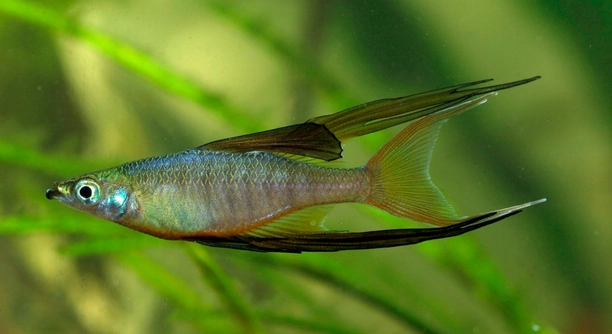
Threadfin rainbowfish are small, colorful freshwater fish that often display shy and cautious behavior. Their delicate nature can make them hesitant in new or unfamiliar environments. Observing their behavior in a home aquarium can be both fascinating and rewarding.
Threadfin rainbowfish demonstrate increased boldness and exploratory behavior when kept in groups. Group settings provide social security, reduce stress levels, and encourage more natural swimming patterns, contributing to overall behavioral confidence and well-being in captive environments.
Maintaining a proper group size is essential, as social dynamics directly influence their comfort and activity levels in the tank.
Social Behavior of Threadfin Rainbowfish
Threadfin rainbowfish are naturally social creatures, preferring the company of their own kind. When kept alone, they often hide or remain near the bottom of the tank, appearing timid and withdrawn. In groups, however, they display more confident swimming patterns, exploring the middle and upper areas of the tank. Group living reduces stress levels and creates a sense of security, allowing fish to act more naturally. Observing a small school of threadfin rainbowfish is rewarding, as they coordinate movements and interact subtly with one another. Even small groups of three to five fish can make a noticeable difference in behavior. Proper tank size and structure are important to accommodate their increased activity. Adding plants and hiding spots provides security while encouraging exploration. Feeding behavior also changes in groups, with fish more willing to compete for food, displaying normal foraging instincts. Social interaction is a key factor in maintaining healthy and active rainbowfish.
Group dynamics can greatly influence activity levels and overall health.
Balancing group size and tank environment is essential. Too few fish may leave them stressed, while a proper number ensures natural behavior. Observing interactions helps adjust tank setup and feeding routines. Social engagement affects swimming patterns, coloration, and willingness to explore. Providing hiding spots, plants, and open swimming areas supports their social needs. Overcrowding, however, can create stress and aggression. Maintaining a harmonious group improves confidence, encourages feeding, and allows natural behaviors to emerge. Regular observation helps fine-tune the tank’s layout to accommodate growth and activity levels.
Encouraging Bravery Through Environment
Creating the right environment can boost confidence and reduce fear. A tank with open areas and secure hiding spots allows threadfin rainbowfish to explore while feeling safe. Plants, driftwood, and small caves provide shelter without overcrowding the space. Clear water and proper filtration reduce stress, as rainbowfish are sensitive to poor water conditions. Lighting that mimics natural daylight encourages normal behavior and brightens their colors. Regular but gentle feeding routines can also help them feel secure, reinforcing positive experiences. Environmental enrichment, such as varied décor and occasional changes, encourages exploration. Avoiding sudden movements or loud noises around the tank helps maintain calm behavior. A balanced combination of social groupings and a supportive environment is key to promoting bravery in threadfin rainbowfish.
Small adjustments to tank setup can dramatically improve confidence.
Careful management of tank environment complements social strategies. Observing which areas the fish favor allows for targeted placement of plants and shelters. Varying textures and heights in décor encourages natural movement, exploration, and curiosity. Light levels, current flow, and feeding schedules can be adjusted to reinforce safety and reduce stress. Consistency in tank maintenance, water quality, and social grouping strengthens confidence and encourages healthy interactions. Over time, threadfin rainbowfish become more willing to explore, interact, and display natural behaviors, reflecting improved well-being. Monitoring their response to environmental changes ensures they remain comfortable and active. Integrating thoughtful tank design with appropriate group sizes creates a thriving habitat where rainbowfish exhibit bravery and balanced social behavior.
Feeding Behavior in Groups
Threadfin rainbowfish are more confident during feeding when in groups. They compete gently, reducing hesitation to come out from hiding. Observing them, I notice even the shyest fish become active, joining others at the food source. Group dynamics encourage natural foraging behavior and interaction.
Feeding in groups stimulates normal behavior and reduces stress. Fish tend to establish a pecking order, which helps distribute food efficiently. Shy individuals gain confidence from observing more dominant fish eat first, gradually learning it is safe. Group feeding prevents overfeeding and ensures more balanced nutrition, as each fish has an opportunity to access food. Consistent schedules and small portions maintain their well-being and promote predictable routines, making the tank environment more stable.
When observing feeding, I notice that subtle interactions, like waiting for others or following them to food, help even timid fish participate. Group feeding also enhances coloration and energy, as confidence allows for more swimming and activity. Social cues play a key role, teaching young or reserved fish how to approach food sources safely. Rotating feeding locations and types of food keeps fish engaged and reduces boredom. The combination of social presence and structured feeding strengthens both behavior and health.
Tank Size and Group Comfort
Adequate tank size is crucial for group comfort. Crowded conditions increase stress, while spacious environments encourage natural swimming and exploration.
Larger tanks allow threadfin rainbowfish to establish personal space, reducing aggression and tension. Each fish can find a preferred area for resting or hiding, which supports confidence and bravery. Open swimming zones combined with plants and décor help maintain balance between security and activity. Proper water circulation, temperature, and filtration also contribute to comfort, as stressed fish are less likely to explore. Maintaining recommended group sizes in proportion to tank volume ensures social benefits without overcrowding, supporting healthier, more active behavior over time.
Providing enough space also impacts breeding and social hierarchy. Fish can interact naturally, forming bonds and establishing routines. Inadequate space can lead to hiding, stress, or reduced activity, even in groups. Observing how fish move and interact helps gauge if adjustments are needed. Tank layout with zones for exploration, rest, and shelter allows all members of the group to feel secure. Combining group social dynamics with ample room encourages confident swimming, brighter coloration, and more engaging interactions. Proper spacing is as important as group composition in promoting bravery and well-being.
Observing Social Cues
Threadfin rainbowfish communicate subtly through movements and positioning. Shifts in swimming patterns or following behaviors indicate comfort or caution. Watching these cues helps me understand their confidence levels and group dynamics.
Social cues guide feeding, exploration, and resting behaviors. Fish often mirror each other, creating a rhythm that reduces stress and encourages shy individuals to participate. Observing these patterns allows me to adjust the environment and group size for optimal behavior.
Group Composition
A balanced group composition promotes harmony. Mixing sizes and ages carefully ensures that dominant fish do not intimidate smaller or younger individuals. Observing how fish interact allows for adjustments to maintain fairness and confidence. Group cohesion supports bravery and natural activity within the tank.
Environmental Enrichment
Adding plants, hiding spots, and varied décor encourages exploration while providing security. Enrichment keeps fish engaged and reduces fear, allowing shy individuals to gradually expand their activity zones.
Lighting and Visibility
Proper lighting and clear water improve visibility, which reduces stress. Fish feel safer when they can see their surroundings and peers, encouraging confident movement throughout the tank.
FAQ
How many threadfin rainbowfish should be kept together?
Threadfin rainbowfish thrive in groups of at least five to six individuals. Smaller numbers can lead to stress and timid behavior. Observing their interactions helps determine if the group size is sufficient. Larger groups are acceptable if the tank is spacious enough to provide room for swimming and hiding.
Can they become braver if kept alone?
Alone, threadfin rainbowfish rarely show confident behavior. They tend to hide or stay near the bottom. Social cues from other fish are essential for building confidence. Group settings naturally encourage exploration and reduce fear, making shy individuals more active over time.
What tank size is recommended for groups?
A minimum of 30 gallons is suggested for small groups. Larger tanks provide more open swimming areas, hiding spots, and room for group interactions. Proper tank dimensions prevent stress and allow natural behaviors like schooling, exploration, and feeding.
Do decorations affect their bravery?
Yes, adding plants, caves, and driftwood helps them feel secure while exploring. Hiding spots reduce stress, while open areas encourage swimming. Changing decorations occasionally can stimulate curiosity, promoting confidence without overwhelming the fish.
How does lighting impact their behavior?
Soft, natural lighting helps them see each other clearly, reducing stress. Bright lighting without hiding spaces can make them cautious. Balanced lighting ensures safety, promotes natural activity, and enhances coloration, making confident behavior more visible.
Does diet influence bravery?
Feeding small portions regularly encourages active participation. Observing others eat reduces hesitation for shy fish. A balanced diet strengthens energy, which indirectly boosts confidence, as healthy, well-fed fish are more willing to explore and interact socially.
What signs show increased bravery?
Bravery is shown through exploring open areas, swimming with the group, and feeding confidently. Even initially shy individuals will gradually join others and display more natural behaviors. Observing subtle changes, like following peers or leaving hiding spots, indicates growing comfort.
How important is water quality for confidence?
High water quality is crucial. Stable temperature, clean water, and proper filtration reduce stress. Stressed fish are less likely to be active or brave. Maintaining consistent water conditions allows fish to focus on social interaction and exploration instead of survival instincts.
Can aggression affect bravery?
Yes, overly dominant individuals can intimidate smaller fish. Balancing group composition and observing interactions prevents stress and fear. Adjusting numbers, rearranging décor, or providing additional hiding spaces helps maintain harmony and encourages confident behavior in all fish.
How quickly do they adapt to groups?
Adaptation varies, but most show noticeable changes within a few weeks. Shy fish may take longer to join the group fully. Regular observation, a safe environment, and consistent routines accelerate the process and support long-term confidence.
Are certain species better companions for bravery?
Keeping threadfin rainbowfish with similar-sized, peaceful species can complement group dynamics. Avoid aggressive or very large fish that may intimidate them. Compatible tank mates encourage exploration and reduce fear, supporting bravery and natural schooling behavior.
Do seasonal or environmental changes impact confidence?
Sudden changes in temperature, light, or water quality can trigger stress, reducing boldness. Gradual adjustments help fish acclimate without fear. Consistency in care routines supports stable social interactions and maintains confidence levels within the group.
Can breeding behavior affect bravery?
Yes, during breeding, some fish become territorial or more active. Providing ample space and hiding spots ensures less dominant fish remain confident. Breeding activity can encourage exploration and interaction if managed carefully, without causing stress to timid individuals.
Is observation necessary for maintaining confidence?
Regular observation allows early detection of stress or aggression. Watching how fish interact, feed, and explore helps adjust group size, décor, or tank conditions. Active monitoring ensures shy fish are encouraged to participate and thrive socially over time.
Do they need structured feeding times?
Consistent feeding schedules create routine and reduce hesitation during meals. Fish learn to anticipate food without fear. Structured feeding, combined with group presence, promotes confident behavior and reduces stress related to competition or uncertainty.
How long does it take for shy fish to become confident?
It depends on individual temperament and group dynamics. Some adapt within a few weeks, while others may take months. Patience, a supportive environment, and proper social grouping are key to nurturing bravery in threadfin rainbowfish.
Are there risks of keeping too many in one tank?
Overcrowding can increase stress, aggression, and competition. It may reduce confidence rather than improve it. Proper tank size, décor, and careful observation of interactions ensure social benefits without negative consequences.
Can water flow impact their behavior?
Moderate water flow simulates natural conditions and encourages swimming. Too strong currents may stress shy individuals, while stagnant water limits activity. Adjusting flow based on group size and tank setup supports exploration and confidence in movement.
Does noise or vibration affect bravery?
Yes, sudden vibrations or loud noise can frighten them. Quiet surroundings help maintain confidence and normal social behavior. Consistent calm conditions make shy fish more likely to participate in group activities and explore the tank freely.
Can individual personalities differ in groups?
Absolutely, some fish are naturally bolder, while others remain timid. Observing interactions helps balance group composition. Over time, shy fish often gain confidence by learning from bolder individuals, demonstrating the importance of social influence in bravery development.
Are there signs of stress to watch for?
Hiding constantly, clamped fins, reduced feeding, or erratic swimming are stress indicators. Addressing water quality, tank layout, or group composition helps reduce stress. Supporting social and environmental needs encourages confidence and active participation in the group.
Can enrichment toys or objects help?
Yes, small floating or stationary objects stimulate curiosity. Fish investigate new items gradually, building confidence. Rotating enrichment items prevents boredom, encourages exploration, and strengthens social interactions, allowing shy individuals to engage with the group safely.
Does temperature fluctuation affect their confidence?
Sudden temperature changes can reduce activity and increase hiding. Maintaining stable, appropriate water temperature supports comfort and encourages exploration. Gradual adjustments, if needed, allow shy fish to remain confident within the group environment.
How often should the group be monitored?
Daily observation is ideal, even for small groups. Checking behavior, feeding, and interactions ensures all fish remain comfortable. Early detection of stress, aggression, or environmental issues allows timely adjustments, preserving bravery and social harmony.
Can introducing new fish affect confidence?
Yes, new additions can temporarily stress existing fish. Gradual acclimation, quarantine, and careful placement reduce negative impact. Observing group reactions ensures new members integrate smoothly, supporting continued bravery and natural social behavior.
Do color changes indicate confidence?
Yes, brighter, vibrant colors often signal active and confident fish. Timid fish may appear paler. Observing coloration alongside behavior helps gauge comfort levels, indicating whether the group dynamic and environment support bravery.
Is it normal for some fish to remain shy indefinitely?
Some individuals retain a timid nature despite proper social and environmental conditions. Patience, gentle encouragement, and group support can improve activity, but personalities vary. Respecting individual temperament ensures long-term well-being and reduced stress.
How does tank cleaning affect behavior?
Partial water changes and regular maintenance reduce stress when done carefully. Avoid sudden, complete cleanings, as these disrupt social and environmental stability. Consistent care supports confidence and maintains normal social interactions within the group.
Can reflections in glass impact confidence?
Reflections may cause minor stress if fish mistake themselves for rivals. Minimizing reflective surfaces and observing reactions ensures shy individuals remain comfortable. Group presence often reduces the impact, as social support encourages normal behavior despite reflections.
Are there signs of improved bravery to track over time?
Exploring open areas, following peers, engaging in group feeding, and increased coloration are key indicators. Tracking these behaviors over weeks or months shows how group dynamics and environmental adjustments enhance confidence.
Can seasonal lighting changes impact social behavior?
Gradual changes in light intensity mimic natural conditions and support normal activity. Sudden shifts may increase hiding or reduce exploration. Consistent, moderate lighting encourages social interaction and bravery, maintaining group cohesion.
Is interaction with other species recommended?
Peaceful, similarly sized species can complement groups. Aggressive or large fish may intimidate and reduce confidence. Careful selection ensures positive social influence and encourages brave, natural behavior within mixed-species tanks.
Do water chemistry parameters affect confidence?
Stable pH, hardness, and temperature are critical. Sudden shifts cause stress and hiding. Consistent water chemistry supports activity, exploration, and healthy social behavior, directly impacting bravery within the group.
Can breeding pairs influence group dynamics?
Yes, dominant breeding pairs may affect timid fish. Providing adequate space, hiding spots, and multiple resting zones ensures that less confident fish remain active and engaged, preserving harmony and bravery across the group.
How long should a new tank be observed for behavior adjustment?
Several weeks of close observation are recommended. Shy fish gradually adapt to group dynamics and environmental conditions. Monitoring feeding, exploration, and social interactions ensures adjustments can be made promptly to maintain comfort and confidence.
Does tank shape affect confidence?
Longer tanks provide more horizontal swimming space, encouraging exploration and schooling. Narrow or tall tanks may restrict movement and reduce social interaction. Balancing décor, hiding spots, and swimming areas ensures confident behavior and natural group dynamics.
Can seasonal temperature changes in the home affect them?
Yes, external fluctuations can alter tank temperature, impacting activity. Using heaters, thermostats, and insulation maintains stable conditions, supporting social confidence and natural behavior in all group members.
Do shy fish ever influence bolder ones?
Yes, timid individuals may temporarily slow more confident fish. However, over time, bolder fish help shy members adapt. Maintaining balanced group dynamics ensures that both shy and bold fish display natural behavior and confidence.
Is water flow important for group harmony?
Moderate currents encourage swimming and exploration without causing stress. Uneven or strong flow may isolate timid fish. Adjusting flow according to group needs promotes confidence, reduces stress, and supports healthy social interaction.
Can frequent rearrangement of decorations be harmful?
Sudden changes may stress shy fish. Gradual adjustments or minor rearrangements stimulate exploration while preserving security. Monitoring reactions ensures changes encourage confidence rather than fear, balancing curiosity with comfort.
Are there signs that a fish prefers hiding over exploration?
Constantly staying in one spot or behind décor, refusing food, or avoiding group activity indicates preference for hiding. Supporting safe spaces while encouraging exploration helps timid fish gradually gain confidence without forcing exposure.
How important is consistent feeding in building bravery?
Consistent schedules reinforce security. Shy fish learn to anticipate feeding times, reducing hesitation and fear. Combined with group presence, structured feeding promotes confidence, active swimming, and normal social interactions, strengthening both behavior and health.
Can noise from equipment affect them?
Loud or irregular noise can increase hiding and reduce activity. Regular, quiet equipment operation helps fish feel secure. Group support also minimizes stress from minor disturbances, maintaining confidence and normal behavior in the tank.
How do you know if a fish has fully adapted to group life?
Full adaptation is shown through consistent exploration, confident feeding, interacting with peers, and bright coloration. Timid fish gradually spend more time in open areas, follow others, and display normal swimming patterns, indicating comfort and bravery within the group.
Do some fish always remain shy despite support?
Yes, individual temperament varies. Patience and careful observation allow shy fish to engage safely at their own pace. Respecting these differences ensures long-term well-being without forcing unnatural behavior, while still benefiting from group social dynamics.
Can stress affect color and confidence simultaneously?
Yes, stressed fish often appear paler and less active. Improving environment, group support, and consistent care restores coloration and bravery. Tracking these indicators provides insight into social comfort and overall health.
Are there subtle behaviors indicating growing bravery?
Following peers, leaving hiding spots briefly, and exploring new areas are subtle signs. Gradual participation in group activities demonstrates growing confidence, even before bold behaviors like open swimming or feeding.
Can overcrowding reverse bravery gains?
Yes, too many fish reduce space and increase stress, causing shy individuals to retreat. Maintaining proper group size relative to tank dimensions preserves confidence and encourages natural interactions.
Do they respond to human presence differently in groups?
Shy fish are more likely to stay hidden alone. In groups, they observe and may gradually approach during feeding or activity, showing increased confidence and reduced fear of nearby movement.
How do you encourage timid fish to explore without stress?
Providing secure hiding spaces, gradual exposure to open areas, and observing confident peers encourages exploration. Avoid sudden movements or rapid changes, allowing fish to build bravery naturally while maintaining comfort.
Is temperature consistency more important than flow for shy fish?
Both are important, but stable temperature reduces overall stress. Consistent warmth supports energy and exploration, while moderate flow encourages swimming without overwhelming timid individuals, creating balanced conditions for bravery.
Can group size change over time affect confidence?
Adding or removing fish requires careful observation. New additions can cause temporary stress, while removing members may reduce social cues for shy fish. Gradual adjustments and monitoring maintain confidence and social harmony.
Does water clarity impact bravery?
Yes, clear water allows fish to see peers, navigate the tank, and feel secure. Murky water increases hiding and reduces exploration. Maintaining clarity supports confident behavior and healthy social interaction.
How often should shy fish be observed compared to bold ones?
Shy fish need closer monitoring to ensure they engage with the group. Observing behavior, feeding, and movement helps identify stress and encourages gradual participation, supporting overall confidence.
Do group interactions improve health as well as bravery?
Yes, social engagement promotes swimming, feeding, and natural behavior. Confident fish show better coloration, energy, and overall well-being. Group dynamics are essential for both behavioral and physical health.
Can shy fish ever lead in group settings?
Occasionally, timid fish may explore first after gaining confidence. Observing gradual leadership indicates adaptation and bravery, reflecting successful social integration and supportive environmental conditions.
Does water temperature affect group cohesion?
Yes, stable temperatures maintain predictable activity levels. Sudden drops or increases may cause hiding or reduced interaction, disrupting group cohesion. Consistent warmth supports exploration and social bonding, encouraging bravery.
Are hiding spots more important for shy fish than bold ones?
Yes, hiding spaces provide security, especially for timid individuals. Bold fish use them less but benefit indirectly, as reduced stress in shy fish promotes harmonious group interactions and confident behavior.
Can timid fish adapt faster with visual cues from others?
Yes, observing peers eat, swim, and explore teaches them safe behavior. Social learning accelerates adaptation, helping shy fish gain confidence while maintaining comfort and security in the tank environment.
Do lighting changes affect shy fish more than bold ones?
Yes, timid fish are more sensitive to sudden brightness. Gradual adjustments encourage exploration without stress. Bold fish adapt quickly, but consistent lighting helps all members feel secure and confident.
Can tank decorations simulate natural habitats for bravery?
Yes, plants, rocks, and driftwood replicate familiar environments. This reduces fear and encourages normal behavior. Shy fish use hiding spots, while open areas allow safe exploration, promoting balanced confidence across the group.
How important is regular observation during tank maintenance?
Observation during cleaning or water changes ensures shy fish remain comfortable. Gentle handling, partial water changes, and monitoring behavior prevent stress and maintain confidence and natural social interactions.
Do shy fish recover confidence quickly after stress?
Recovery depends on individual temperament, group support, and environment. Gradual exposure, hiding spaces, and calm conditions help timid fish regain confidence over days or weeks, reinforcing social and exploratory behavior.
Can tank mates influence timid fish permanently?
Yes, consistently observing confident peers encourages lasting bravery. Positive social influence supports participation, exploration, and healthy behavior, even for the most naturally timid individuals.
Do shy fish need longer acclimation periods in new tanks?
Yes, gradual introduction to water, group members, and décor helps them adapt safely. Longer acclimation reduces stress and encourages confidence, ensuring smooth integration into the social environment.
Is the presence of other timid fish beneficial?
Yes, they provide reassurance and reduce isolation. Observing peers exploring or feeding encourages participation gradually, complementing the confidence gained from bolder individuals.
Can shy fish develop routines like bolder ones?
Yes, with consistent feeding, light schedules, and group presence, timid fish adopt predictable routines. These routines reduce stress and encourage confident behavior, promoting well-being and social integration.
Are there behavioral differences in males and females regarding bravery?
Males may display slightly bolder behavior during group interactions, but both sexes benefit from social cues. Individual temperament and group dynamics influence overall confidence more than gender.
Does gradual tank expansion help timid fish adapt?
Yes, slowly increasing tank size or adding décor encourages exploration. Gradual changes prevent overwhelming shy fish, allowing them to gain confidence while maintaining security.
Can shy fish influence feeding behavior of the group?
Yes, timid fish may wait before approaching food. Over time, observing bolder peers encourages participation, balancing group feeding and reinforcing social learning.
Do shy fish ever become the most active members?
Sometimes, once confidence builds, formerly timid fish may explore widely and interact frequently. Social support, environment, and time are key factors in this transformation.
Is group monitoring more critical than individual care for bravery?
Both are important, but observing group interactions ensures shy fish gain confidence safely. Balanced monitoring prevents stress, promotes natural behavior, and maintains social harmony.
Can shy fish influence bold fish indirectly?
Yes, cautious behavior may slow overly active fish, encouraging calmer interactions. This creates balance, ensuring all members maintain confidence and natural behavior without fear or aggression.
Does water hardness impact shy fish confidence?
Stable hardness supports overall comfort. Sudden shifts may stress timid fish, reducing exploration. Consistent water chemistry maintains bravery, normal behavior, and social interaction across the group.
How do you know if environmental enrichment is sufficient?
Fish explore new areas, interact with décor, and leave hiding spots regularly. Balanced enrichment stimulates curiosity while providing security, supporting confident and natural behavior for all group members.
Can shy fish become more colorful over time?
Yes, as confidence and comfort increase, coloration improves. Bright colors indicate reduced stress and active engagement with the group, reflecting successful adaptation to social and environmental conditions.
Do shy fish need more hiding spots than bold fish?
Yes, extra shelters allow gradual exploration. Shy fish gain confidence at their own pace, while bold fish benefit indirectly from reduced stress and more harmonious social interactions.
Can frequent observation stress shy fish?
Observation should be calm and consistent. Sudden movements or tapping can increase hiding. Gentle monitoring allows behavior assessment without causing additional fear or stress, supporting gradual confidence.
Do shy fish benefit from varied food types?
Yes, offering different foods encourages participation and reduces hesitation. Observing peers eating helps timid fish approach meals, supporting confidence, activity, and healthy nutrition.
**Can shy fish regain confidence after illness
Threadfin rainbowfish are naturally social and benefit greatly from living in groups. Observing them, I have noticed how much more active and confident they become when surrounded by others of their kind. Even the shyest individuals gradually leave hiding spots and begin exploring the tank. Group living reduces stress, encourages natural swimming patterns, and promotes overall well-being. Providing a safe environment with hiding spots, plants, and open swimming areas complements the social structure, giving them the confidence to behave more naturally. Over time, these fish not only become bolder but also display improved coloration and energy, showing that their physical health is closely linked to their social behavior. Watching these changes develop is rewarding and reinforces the importance of maintaining both proper group size and supportive environmental conditions.
Careful management of their tank environment plays a crucial role in fostering bravery. Proper water quality, moderate lighting, stable temperature, and gentle water flow all contribute to comfort and confidence. Decorations, plants, and occasional enrichment create areas for hiding as well as open spaces for exploration, encouraging timid fish to gradually participate in group activities. Structured feeding routines further support confidence by providing predictability and reducing hesitation during meals. Overcrowding or poorly arranged tanks, on the other hand, can quickly increase stress and suppress natural behavior. It is important to observe interactions regularly, as subtle social cues often indicate whether individual fish are adjusting well to their environment. By making small adjustments to tank layout and group composition, shy fish can slowly gain confidence while maintaining harmony within the school.
Patience and consistency are key when caring for threadfin rainbowfish. Individual temperaments vary, and some fish naturally remain more cautious than others. Encouraging brave behavior takes time, but gradual exposure to open areas, supportive group dynamics, and a stable environment make a noticeable difference. Monitoring their behavior, feeding, and exploration over weeks or months provides insight into how confidence develops and which adjustments may be needed. Ultimately, creating a balanced environment that meets both social and environmental needs ensures that threadfin rainbowfish thrive. Their growth in confidence is a reflection of both careful planning and attentive observation, resulting in a lively, harmonious, and healthy group of fish that display natural behavior and resilience.

Hello,
If you enjoy the content that we create, please consider saying a "Thank You!" by leaving a tip.
Every little bit helps us continue crafting quality advice that supports the health, happiness, and well-being of pets around the world, for pets of all shapes, sizes, and species.
We really appreciate the kindness and support that you show us!