
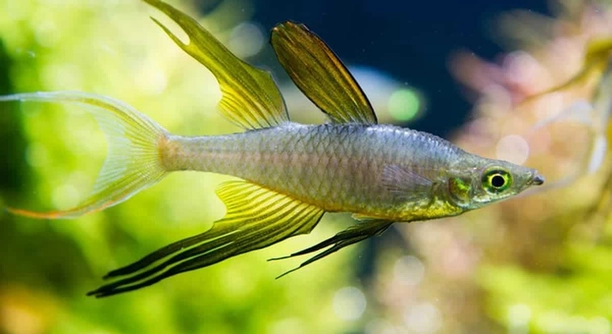
Threadfins are delicate fish that respond quickly to changes in their environment. Observing their subtle behaviors can give early clues about stress before it becomes visible, helping owners maintain a healthier and safer habitat for their aquatic pets.
Threadfins exhibit stress through subtle signs such as changes in swimming patterns, fin positioning, and gill movement. Monitoring these indicators allows caretakers to intervene early, preventing further physiological or behavioral deterioration and promoting overall well-being in captive environments.
Recognizing these early warning signs is key to keeping threadfins healthy. Paying attention to their behavior ensures problems are addressed before they escalate.
Changes in Swimming Patterns
Threadfins often show stress by altering their swimming habits. They may swim in circles, hover near the surface, or dart suddenly without reason. These unusual movements indicate discomfort or anxiety in their environment. Observing these behaviors can help identify problems like poor water quality, overcrowding, or sudden temperature changes. Even minor deviations from normal swimming patterns should be taken seriously, as they often precede visible health issues. By paying close attention, caretakers can adjust tank conditions, feed schedules, or interactions with other fish to reduce stress. Consistency in observation is important, as stress signs may develop gradually. Sudden changes in swimming behavior are especially telling, signaling that immediate intervention may be necessary. Small adjustments like gentle water flow or added hiding spaces can have a significant calming effect. Regular monitoring and record-keeping help detect patterns over time, ensuring threadfins remain comfortable and healthy. Stress-free conditions promote longer lifespans and reduce susceptibility to illness, which is vital for these sensitive fish species.
Monitoring swimming changes daily allows for early detection of stress before physical signs appear.
Carefully noting swimming patterns over weeks reveals subtle stress trends that may otherwise go unnoticed. Correcting tank conditions early prevents severe health issues. Consistent observation helps maintain a calm, stable environment, which is essential for threadfins’ growth and activity levels. Adjustments to light, water flow, or tank mates can directly improve swimming behavior and overall well-being. When fish feel safe and unstressed, they display smoother, more predictable swimming habits, which also makes tank management easier and more rewarding for caretakers. Awareness of these patterns allows proactive care rather than reactive measures, ensuring threadfins thrive in captivity. Proper documentation of behavior changes supports better understanding of each fish’s needs and helps anticipate potential stress triggers before they escalate.
Fin and Gill Indicators
Fin clamping and rapid gill movement are common signs of threadfin stress.
These behaviors show the fish are struggling with environmental or social stressors. Clamped fins reduce mobility and indicate discomfort, while faster gill movements suggest the fish may not be receiving enough oxygen or is reacting to toxins. Observing these subtle cues can prevent worsening conditions and illness.
Stress in threadfins often manifests in fin and gill behavior. Clamped fins are a response to fear or irritation, while unusually fast gill movement can indicate poor water quality, low oxygen levels, or illness. Over time, ignoring these signs can lead to weakened immunity and increased vulnerability to disease. Environmental factors such as high ammonia, nitrite spikes, or fluctuating temperatures can all contribute. Even aggressive tank mates can cause ongoing stress, prompting these behaviors. By addressing water quality, providing hiding spots, and maintaining consistent feeding schedules, caretakers can reduce stress levels. Tracking fin and gill behavior allows early intervention, preventing long-term damage. These indicators are subtle but reliable, giving a clear picture of a threadfin’s current health and comfort. Regular checks make it possible to maintain stable conditions, supporting both growth and natural behavior patterns while keeping the fish active and healthy.
Loss of Appetite
Threadfins that suddenly eat less or refuse food are often stressed. Appetite loss can signal environmental discomfort, illness, or social tension in the tank. Monitoring feeding habits daily is essential to catch these changes early and take corrective actions.
A drop in appetite is a clear stress indicator. Threadfins may avoid food if water quality is poor, temperatures fluctuate, or tank mates are aggressive. Even small changes in diet or routine can trigger this behavior. Stress weakens their immune system, making them more susceptible to disease. Tracking eating patterns can help identify triggers, such as overcrowding or inappropriate feeding times. Addressing these factors promptly helps the fish regain normal feeding behavior.
Appetite changes are often the first visible sign of internal stress. Consistent observation allows caretakers to act before physical health declines. Adjusting feeding techniques, improving water quality, and reducing stressors like loud noises or sudden light changes can restore appetite. These steps ensure threadfins remain healthy, active, and less prone to illness. Keeping a feeding log can reveal patterns and provide insight into long-term care needs, creating a stable environment for the fish to thrive.
Hiding and Lethargy
Threadfins that hide excessively or remain motionless may be stressed. This behavior often reflects discomfort with tank conditions or social dynamics. Identifying and resolving these causes quickly is critical to prevent further health decline.
Stress-induced hiding and lethargy reduce physical activity and natural behavior. Fish may stay behind decorations, in corners, or near the tank bottom to feel safe. Environmental issues like poor lighting, strong currents, or aggressive tank mates can increase these behaviors. When fish are inactive, they burn less energy but may also miss feedings, further weakening their health. Monitoring these patterns alongside water parameters allows caretakers to make targeted adjustments. Providing additional hiding spots and reducing disturbances can encourage activity. Over time, observation and small changes help fish regain confidence and normal behavior.
Consistent hiding or lack of movement signals long-term stress and potential illness. Threadfins need regular stimulation and safe spaces to maintain physical and mental health. Balancing activity and security involves careful tank arrangement, stable water conditions, and compatible tank mates. Improving water flow, adding plants, and minimizing sudden changes can reduce hiding tendencies. Addressing stress proactively keeps fish active, ensures proper feeding, and supports overall growth. Lethargy is subtle but critical, making attentive observation essential for sustaining threadfin well-being and preventing serious health issues.
Color Fading
Threadfins often lose their vibrant colors when stressed. Dull or pale appearance can indicate poor water quality, illness, or prolonged discomfort in the tank. Monitoring color changes helps detect problems early and maintain a healthy environment.
Stress-related color fading is usually gradual but noticeable. Improving water parameters, ensuring proper nutrition, and reducing environmental stressors often restores natural coloration over time.
Erratic Movement
Threadfins may dart suddenly, bump into objects, or swim unpredictably when stressed. These movements are responses to fear, irritation, or unsuitable tank conditions. Identifying these patterns early allows for adjustments in tank setup and care routines to prevent further stress and injury.
Surface Gasping
Threadfins gasping at the surface often indicate low oxygen levels or high stress. This behavior requires immediate attention to improve water aeration and overall tank health.
FAQ
How can I tell if my threadfin is stressed without visible signs?
Subtle behaviors like changes in swimming patterns, clamped fins, rapid gill movement, or hiding frequently are early indicators of stress. Monitoring daily routines, feeding habits, and interactions with tank mates can reveal these changes before physical symptoms appear. Keeping a log of behavior patterns helps track gradual shifts.
Why do threadfins lose their appetite under stress?
Stress affects metabolism and digestive function in threadfins. Environmental factors such as poor water quality, temperature fluctuations, or aggressive tank mates can trigger appetite loss. Even minor changes in light, feeding schedules, or tank setup can reduce interest in food. Prompt attention helps restore regular eating habits.
What causes color fading in threadfins?
Pale or dull colors often signal chronic stress. Low oxygen, high nitrate or ammonia levels, disease, and poor nutrition can all contribute. Correcting water conditions, providing a balanced diet, and minimizing disturbances typically help threadfins regain their vibrant colors over time.
Why do threadfins hide so often?
Excessive hiding is a stress response to perceived threats or discomfort. Aggressive tank mates, strong currents, or bright lights can make threadfins seek shelter. Adding hiding spaces like plants or decorations while reducing stressors encourages confidence and more natural behavior.
What does erratic movement indicate?
Erratic swimming, darting, or bumping into objects usually reflects fear or irritation. Stress from sudden environmental changes, aggressive neighbors, or poor water conditions can cause this. Correcting the tank environment and reducing sudden disturbances help threadfins return to smoother, predictable swimming patterns.
How can I improve oxygen levels to reduce surface gasping?
Surface gasping is often a sign of low dissolved oxygen or high stress. Using an air stone, adjusting water flow, and ensuring adequate filtration improve oxygenation. Regular water changes also help maintain proper oxygen levels and overall tank health.
Can stress affect my threadfin’s immune system?
Yes, chronic stress suppresses immunity, making threadfins more susceptible to disease. Early detection of stress behaviors, stable water conditions, and a nutritious diet support stronger immunity and reduce illness risks.
How long does it take for stressed threadfins to recover?
Recovery time varies depending on the stress severity and corrective actions taken. Minor stress may resolve within days, while chronic stress can take weeks. Consistent care, monitoring, and environmental adjustments accelerate recovery. Patience and observation are essential.
Is it normal for threadfins to be inactive sometimes?
Short periods of rest or reduced activity are normal, but persistent lethargy is a stress indicator. Combine observation of inactivity with other signs like hiding, appetite loss, or color fading to assess the fish’s overall well-being.
What preventive steps can I take to minimize stress in threadfins?
Maintaining stable water parameters, providing adequate hiding spots, avoiding overcrowding, and monitoring behavior regularly are key preventive measures. Consistent feeding, gentle handling, and a calm tank environment reduce the likelihood of stress before it becomes harmful.
Final Thoughts
Caring for threadfins requires careful observation and consistent attention. These fish are highly sensitive to changes in their environment, and stress can develop long before any physical symptoms become visible. By paying attention to subtle behaviors—like swimming patterns, fin positioning, hiding, or appetite changes—caretakers can identify early warning signs and take action. Small adjustments to water quality, temperature, or tank setup often make a big difference in reducing stress. The key is to notice patterns over time rather than reacting to one isolated behavior. Daily monitoring not only helps detect problems early but also strengthens understanding of each fish’s normal habits and preferences, making it easier to provide a comfortable environment.
Threadfins respond strongly to their surroundings, and even minor stressors can have lasting effects if ignored. Overcrowding, aggressive tank mates, fluctuating water conditions, or insufficient oxygen all contribute to anxiety and health problems. Addressing these issues promptly can prevent illness, improve overall activity, and maintain vibrant coloration. Providing hiding spots, gentle water flow, and consistent feeding routines helps threadfins feel secure and confident in their environment. Consistency is crucial, as sudden changes can trigger stress responses, even in a seemingly healthy tank. Observing their behavior alongside regular water testing ensures a balanced habitat, which reduces long-term risks and promotes stronger immunity. Maintaining a stable environment is the most reliable way to prevent chronic stress and create a supportive setting for growth and natural behavior.
Understanding and responding to threadfin stress is a continuous process that requires patience and care. Every fish shows stress differently, and what affects one may not affect another in the same way. Keeping detailed records of behavior, feeding patterns, and water parameters helps identify trends and informs necessary adjustments. Addressing early signs prevents escalation and promotes long-term health and well-being. When threadfins are calm and healthy, they swim naturally, display bright colors, and interact more confidently with their surroundings. Investing time in observation and minor environmental improvements pays off with stronger, more resilient fish. Ultimately, the goal is to create a stable and safe habitat where threadfins can thrive, minimizing stress and allowing their natural behaviors to flourish consistently.

Hello,
If you enjoy the content that we create, please consider saying a "Thank You!" by leaving a tip.
Every little bit helps us continue crafting quality advice that supports the health, happiness, and well-being of pets around the world, for pets of all shapes, sizes, and species.
We really appreciate the kindness and support that you show us!