
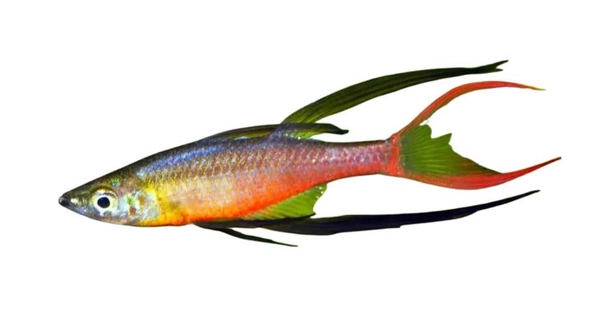
Have you ever spent time watching your threadfin rainbowfish swim and wondered if they can actually learn through repeated experiences in their environment?
Threadfin rainbowfish are capable of learning from repetition. Studies show these fish demonstrate associative learning, adapting their behavior based on repeated exposure to stimuli. Such findings highlight their cognitive flexibility, which is more complex than once assumed.
Learning how repetition shapes their responses helps uncover hidden layers of intelligence within these delicate fish, giving us a fresh perspective on their behavior and adaptability.
How Repetition Shapes Learning in Threadfin Rainbowfish
Threadfin rainbowfish may look fragile, but their minds are more capable than they first appear. Research shows that these fish can remember patterns and react differently when they recognize familiar situations. By being exposed to the same stimulus repeatedly, they begin to understand what to expect. This kind of learning allows them to anticipate outcomes, whether it is food, safety, or environmental changes. Observing how they react over time offers a clearer picture of their ability to adapt. It also proves that repetition plays an essential role in shaping their memory and behavior inside aquariums or natural habitats.
When given consistent experiences, threadfin rainbowfish show improved reactions that highlight their ability to learn. Their memory allows them to make decisions faster, and this strengthens their chances of survival in different situations.
Learning is not only about survival but also about efficiency. A rainbowfish that adapts through repeated exposure can handle changes with less stress. In aquariums, this might show up as them swimming calmly during feeding time after recognizing the routine. In natural habitats, it might mean quicker responses to potential threats or changes in food availability. Their adaptability demonstrates how valuable repetition is in helping them maintain balance in ever-changing environments.
What Makes Their Learning Unique
Threadfin rainbowfish learning ability is tied closely to repetition. Unlike instinctive behaviors, these responses develop through consistent patterns, helping them refine actions over time.
The unique factor in their learning comes from how quickly they adjust to repeated experiences compared to many other small freshwater fish. Studies suggest that their brains handle associative tasks with surprising effectiveness, which helps them thrive in varying conditions. In aquariums, they begin to recognize routines like feeding or changes in water flow, showing their memory at work. In natural environments, they learn which areas provide food and safety, often returning to familiar spots. This type of memory-driven behavior allows them to spend less energy on searching and more on growing. Their ability to learn from repetition also highlights how even small fish possess advanced traits that benefit their survival. Recognizing these patterns helps fishkeepers and researchers better understand how to care for and support them.
Practical Examples of Repetition
Feeding routines show how repetition influences threadfin rainbowfish behavior. When food is given at the same time each day, they begin waiting near the surface, proving they recognize timing and associate patterns with predictable outcomes.
In controlled studies, rainbowfish were exposed to repeated light flashes before feeding. Over time, they swam toward the light before food was even introduced, displaying clear associative learning. This shows their memory allows them to connect two unrelated events, proving repetition helps shape recognition. Aquarists often notice this in tanks, where the fish respond to consistent signals around feeding.
Repetition also impacts how they react to stress. Fish regularly exposed to gentle changes in their environment adapt faster than those exposed only once. For example, rainbowfish that experience gradual lighting adjustments remain calmer compared to those suddenly placed in darkness. Their ability to adjust highlights how repetition reduces fear while strengthening adaptability.
Why It Matters for Care
Understanding how repetition supports their memory is important for creating a stable aquarium environment. Predictable routines reduce stress and encourage natural behavior, while unpredictable changes often lead to anxiety and erratic swimming that may harm their overall health.
By applying repetition in feeding, cleaning, and environmental adjustments, aquarists can build a secure habitat that encourages learning. For example, consistent water changes done in a steady pattern teach rainbowfish that disturbances are temporary. Regular feeding schedules also help them remain calm and ready for meals. These small details may seem simple but make a large difference in their behavior and well-being. A structured environment not only reduces stress but also enhances their natural intelligence.
Observations in Aquariums
Aquarists often notice threadfin rainbowfish gathering near the feeding area before food appears. This behavior shows they remember daily routines and adjust their actions according to repetition. It is a clear example of their learning ability in simple environments.
Repeated exposure to gentle handling or water changes helps reduce their stress over time. When the same process is followed consistently, the fish remain calm, proving they recognize patterns and adapt better than when exposed to random, unpredictable changes in their environment.
Insights from Research
Studies show threadfin rainbowfish demonstrate associative learning through repeated exposure to light cues and feeding schedules. Their behavior shifts noticeably as they link signals with outcomes. This proves they can form reliable memories that guide decision-making. Researchers highlight how their adaptability sets them apart from many small freshwater fish.
Daily Care Benefits
Keeping routines consistent helps threadfin rainbowfish feel secure. Structured patterns in feeding and maintenance reduce stress while encouraging their natural intelligence, giving them a better quality of life in both aquariums and research settings.
FAQ
Can threadfin rainbowfish really remember feeding times?
Yes, they can. When consistently fed at the same time each day, they begin to anticipate food and swim toward the feeding area before it is placed in the tank. This behavior demonstrates associative learning, where they connect routine cues with outcomes. Over time, this makes them appear more attentive and responsive in their environment.
How does repetition help reduce stress in threadfin rainbowfish?
Repetition helps the fish predict changes and feel more secure. Regular schedules for feeding, tank cleaning, and lighting adjustments make the environment predictable. This consistency allows them to adapt faster to minor disturbances, reducing erratic swimming and stress-related behaviors, which promotes overall well-being in captivity.
Do threadfin rainbowfish learn faster than other small fish?
Research suggests they are quite capable compared to many small freshwater species. While learning speed varies individually, repeated exposure to light cues or feeding schedules shows they can form memories and modify behavior reliably. Their learning ability is especially noticeable in routine aquarium settings.
Can environmental changes affect their learning ability?
Yes. Sudden, unpredictable changes can make it harder for rainbowfish to form consistent responses. Gradual changes in lighting, water temperature, or tank decorations allow them to adjust while maintaining calm behavior. This highlights the importance of controlled repetition in promoting positive learning.
Is it necessary to use specific signals to teach them?
Not necessarily. While visual cues like lights or hand movements before feeding can help reinforce learning, they naturally respond to repetition in their environment. Consistency is more important than complexity, and even simple routines encourage associative memory and behavioral adaptation.
How long does it take for them to learn a repeated behavior?
Learning time varies depending on the individual and the complexity of the task. For simple routines, like anticipating food, responses can develop in a few days. More complex behaviors, like associating environmental changes with outcomes, may take several weeks of consistent repetition.
Can they forget learned behaviors?
Yes, threadfin rainbowfish can forget behaviors if repetition stops. Memory fades over time without reinforcement. Maintaining regular routines is essential for keeping learned behaviors active, whether it’s feeding schedules or familiar environmental cues.
Do stress or illness affect their learning?
Absolutely. Stressful conditions or poor health can reduce their ability to learn from repetition. Maintaining clean water, proper diet, and minimal disturbances ensures they remain receptive to learning and maintain healthy responses to repeated cues.
Can learning improve their social behavior?
Repeated routines can influence social dynamics. Fish that recognize feeding signals often move in coordinated ways, reducing conflicts. Learning how to navigate space and interact with tankmates shows that repetition also plays a role in their social memory and group behavior.
Are there limits to what threadfin rainbowfish can learn?
While they are capable learners, their memory and adaptability have limits. They respond best to simple, consistent cues and may struggle with overly complex tasks. Repetition strengthens basic associative learning, but expecting them to perform complicated behaviors is unrealistic.
How can I encourage learning in my aquarium?
Consistency is key. Feeding at the same time, using predictable cues, and keeping environmental changes gradual help reinforce learning. Positive reinforcement, like food rewards, paired with repetition strengthens memory and reduces stress. Over time, the fish become more responsive and adaptable.
Does learning from repetition occur in natural habitats as well?
Yes. In the wild, threadfin rainbowfish learn which areas are safe, which plants hide predators, and where food is abundant. Repetition in these experiences helps them survive, showing that learning is not only an aquarium phenomenon but a natural adaptation.
Can all threadfin rainbowfish learn equally?
Individual differences exist. Some fish pick up repeated patterns faster than others, depending on age, health, and temperament. Observing their responses over time helps aquarists identify which fish are more receptive to learning and adjust routines accordingly.
How do I know if my fish are learning from repetition?
Signs include anticipating feeding, responding to cues like lights or movement, remaining calm during routine tank changes, and adjusting social behavior in the tank. These indicators show they recognize patterns and adapt, demonstrating that repetition effectively shapes their behavior and memory.
Is it necessary to vary repetition to maintain interest?
No, consistency matters more than variation. While minor changes are acceptable, frequent unpredictable shifts can confuse the fish. Maintaining a stable routine encourages confidence and reinforces learned behaviors, helping them thrive both mentally and physically.
Can young rainbowfish learn as effectively as adults?
Yes, but learning may be faster in younger fish as their neural connections are more flexible. Adults still benefit from repetition, though it may take slightly longer to establish consistent behaviors. Both age groups respond positively to predictable routines.
Does learning affect their feeding efficiency?
Repeated exposure to feeding cues improves efficiency. Fish learn where and when food appears, reducing energy spent searching. This leads to calmer, more organized feeding times and ensures better overall nutrition, supporting their growth and health.
Can repetition help them adjust to new tankmates?
Yes. Gradual introductions and consistent routines help rainbowfish recognize and adapt to new fish without excessive stress. Repetition in feeding and space sharing encourages smoother interactions and reduces aggressive behaviors while promoting group cohesion.
How important is patience when teaching through repetition?
Patience is essential. Changes in behavior happen gradually, and consistent routines are needed for memory formation. Rushing the process or expecting immediate results can stress the fish. Gentle, repeated exposure over time ensures learning is effective and sustainable.
Do environmental enrichment tools help with learning?
Yes, simple enrichment like plants, hiding spots, or visual cues supports associative learning. When these elements are introduced consistently, rainbowfish explore and interact with them in predictable ways, reinforcing memory and encouraging natural behaviors.
Can I combine repetition with positive reinforcement?
Absolutely. Pairing food rewards with repeated cues strengthens learning. Fish quickly associate signals with outcomes, making routines more effective. Over time, this combination helps them respond reliably to repeated patterns and improves overall tank harmony.
Does their learning fade if routines stop temporarily?
Yes, without reinforcement, memories weaken. Brief interruptions may not have lasting effects, but prolonged inconsistency can undo learned behaviors. Restarting routines restores their responses, showing that repetition is essential for maintaining memory over time.
How does repetition impact their general health?
Regular routines reduce stress, support feeding efficiency, and encourage natural activity. This creates a healthier environment mentally and physically, helping rainbowfish maintain vitality, grow properly, and exhibit behaviors closer to those seen in natural habitats.
Can I track their learning progress?
Yes. Observe responses to feeding, environmental cues, and tank changes. Keeping a simple log of behaviors over days or weeks highlights improvements and indicates which routines are most effective in reinforcing memory. This makes learning progress measurable and more manageable.
Do all behaviors benefit equally from repetition?
No. Feeding anticipation and responses to predictable environmental changes are most affected. Complex behaviors, like intricate problem-solving, are less influenced. Simple, consistent actions show the clearest improvements, demonstrating the practical value of repetition in everyday care.
How long should I continue repetition for maximum effect?
Consistent daily routines are ideal. Long-term repetition strengthens memory and behavioral adaptation. While minor adjustments are fine, maintaining general predictability ensures rainbowfish retain learned behaviors and continue responding effectively over time.
Are there signs that repetition is not working?
Signs include continued stress, erratic swimming, refusal to feed, or ignoring cues. These indicate routines may be inconsistent, too fast, or stressful. Adjusting repetition pace and maintaining calm conditions helps restore learning effectiveness.
Can repetition be used for rehabilitation after stress or illness?
Yes. Gradual, consistent routines can help fish regain confidence and memory after illness or stressful events. Repetition provides predictability, reduces anxiety, and allows them to rebuild learned behaviors while recovering physical health.
Does tank size affect learning from repetition?
A moderate to large tank provides space for natural behaviors, making repetition more effective. Overcrowding or insufficient space can cause stress and reduce their ability to recognize patterns, while an appropriately sized tank supports better cognitive responses to repeated cues.
Can they learn multiple routines simultaneously?
Yes, though it works best when routines are simple and clearly separated. For example, feeding cues, light changes, and environmental adjustments can be learned together if each is consistent. Overlapping or inconsistent signals may confuse them and reduce learning efficiency.
Does social hierarchy influence learning?
It can. Dominant fish may access food faster and respond more readily to cues, while subordinate fish might take longer to recognize routines. Ensuring fair access to resources helps all individuals benefit from repetition and maintain healthy behavior patterns.
Is learning from repetition permanent?
Not fully. Learned behaviors can persist for long periods if reinforced regularly, but without continued repetition, memory fades. Ongoing routines ensure that the benefits of learning are maintained, supporting both behavior and overall health consistently.
Can repetition help with training for specific behaviors?
Yes. While they cannot perform complex tricks, simple behaviors like swimming to a location for feeding or responding to visual cues are possible. Repeated, consistent reinforcement strengthens these behaviors and improves the fish’s predictability and interaction within the tank.
Does temperature or water quality affect their learning?
Absolutely. Optimal water conditions are critical. Stressful or unstable water parameters can interfere with memory formation and response to repetition. Keeping water temperature and quality consistent ensures the fish remain healthy and receptive to repeated routines.
Can I use repetition to reduce aggression in the tank?
Yes. Predictable feeding and space-sharing routines help reduce conflicts. Rainbowfish learn when and where food appears and how to navigate their environment, making interactions smoother and reducing aggressive behaviors over time.
Are visual cues more effective than auditory cues?
Yes. Threadfin rainbowfish rely primarily on sight. Light signals, hand movements, or other visual markers work better for associative learning, while sounds have minimal effect. Consistent visual repetition supports stronger memory and predictable responses.
Does age affect how repetition works?
Younger fish may learn faster due to neural flexibility, but adults also respond positively. The difference is mainly in speed, not capability. Consistent repetition benefits all ages and encourages predictable, healthy behavior patterns across the tank population.
Can repetition improve exploration behavior?
Yes. Predictable environments encourage confident exploration. Fish gradually investigate new objects or plants, recognizing patterns without stress. Repetition makes them feel safe, allowing them to engage more with their surroundings and display natural curiosity safely.
Is there a limit to how many cues they can learn?
Yes. While they respond well to simple repeated signals, too many cues can overwhelm them. Limiting routines to essential patterns like feeding, lighting, and gentle environmental adjustments ensures better retention and effective learning.
Can repetition influence breeding behavior?
Consistent conditions help establish predictable environments, which may encourage natural breeding behaviors. Recognizable patterns reduce stress and create favorable conditions, increasing the likelihood of successful spawning and caring for fry in captivity.
Do they respond differently to repetition in groups versus alone?
Group settings can reinforce learning as fish observe each other. Social cues enhance memory formation and predictability. Alone, they still learn but may show slower adaptation. Observing their behavior in both settings provides insight into how repetition interacts with social learning.
How does repetition support long-term cognitive development?
Regular, predictable routines strengthen memory, associative learning, and adaptive behavior. Over time, this supports cognitive stability, helping rainbowfish respond more efficiently to environmental changes, interact socially, and maintain overall well-being through consistent mental stimulation.
Can I use repetition to encourage interaction with enrichment items?
Yes. Placing enrichment objects at predictable locations and times encourages exploration and engagement. Fish learn to recognize these items as part of their environment, reinforcing curiosity, memory, and natural behaviors through repeated exposure.
How do I balance repetition with environmental stimulation?
Keep routines consistent but provide minor variations in enrichment or structure. This balance maintains predictability while allowing natural behavior expression. Controlled, repeated changes support learning without causing confusion or stress, helping rainbowfish thrive in a stable yet engaging environment.
Does repetition improve feeding order in groups?
Yes. Fish learn patterns of access to food, reducing competition and conflict. Dominant and subordinate fish adapt to predictable routines, leading to calmer feeding sessions and more efficient consumption for all individuals.
Can repetition help manage seasonal behavior changes?
Yes. Gradual and consistent adjustments reflecting seasonal conditions, like light duration, support adaptation. Fish respond predictably to repeated changes, reducing stress while maintaining natural cycles for growth, activity, and reproduction.
Does repetition influence activity levels?
Yes. Consistent routines encourage active periods that align with feeding or environmental cues. Fish learn when to swim, explore, or rest, promoting balanced energy use and healthier overall behavior patterns.
Is repetition more effective with small or large groups?
Both benefit, but group dynamics can enhance learning through observation. Small groups may adapt faster individually, while larger groups reinforce routines socially. In all cases, consistent repetition is essential for predictable and calm behavior.
Can I use repetition to help fish adjust after moving tanks?
Yes. Gradual, consistent routines in a new tank allow rainbowfish to acclimate without stress. Repetition helps them recognize feeding times, explore safely, and adjust to new environmental cues efficiently.
How long should I continue repetition for long-term learning?
Ongoing routines are best. Daily consistency ensures memory retention, behavioral stability, and overall well-being. Temporary breaks may be tolerated, but regular reinforcement maintains the benefits of learning for months or years.
Does repetition support survival instincts?
Yes. Recognizing patterns in food availability, hiding spots, and environmental changes strengthens their survival responses. Learned routines reduce unnecessary stress and allow them to focus on essential behaviors for growth and safety.
Can visual reinforcement alone be sufficient for learning?
Yes. Light cues, hand signals, or object placement are highly effective. Pairing these visual signals with repetition encourages memory formation and predictable behavior without the need for complex stimuli or sounds.
Does repetition help with territorial behavior?
Yes. Predictable patterns in feeding and movement reduce conflicts over space. Rainbowfish learn where they can swim and feed without aggression, making group dynamics calmer and more stable.
Are there signs that repetition is too rigid?
Yes. Fish showing boredom or avoiding cues may need slight variations in enrichment. Small, predictable changes maintain engagement without disrupting learned behaviors, ensuring routines remain beneficial and mentally stimulating.
Does repetition impact energy use?
Yes. Predictable routines reduce wasted energy in searching for food or reacting to surprises. Fish spend energy efficiently, maintaining health and supporting natural behaviors in a balanced way.
Can repetition help during acclimation of new water parameters?
Yes. Gradual and consistent adjustments in water conditions allow rainbowfish to adapt without stress. Repeated exposure ensures they recognize changes as safe, maintaining calm behavior during the transition.
Does repetition enhance group cohesion?
Yes. Shared routines help fish move and feed together predictably. This reduces aggression and supports social learning, making groups more coordinated and stable over time.
Can repetition be harmful if overused?
Not usually, but extreme rigidity with no enrichment may lead to boredom. Slightly varying non-essential elements while keeping key routines consistent ensures mental stimulation and maintains learning without stress.
Does repetition help with predator recognition in tanks?
Yes. While tank predators are rare, exposure to safe cues that mimic threats helps them recognize danger and respond predictably. Controlled repetition strengthens this survival-related learning without causing stress.
Can repetition improve response to human interaction?
Yes. Rainbowfish can learn that human presence at certain times signals feeding or tank maintenance. Consistent cues reduce stress and encourage calm, predictable behavior during interactions.
Does repetition influence growth rates?
Indirectly. By improving feeding efficiency and reducing stress, repetition ensures fish consume food effectively and maintain healthy activity levels, supporting steady growth and overall health.
Can repetition help with acclimating to new lighting conditions?
Yes. Gradual, consistent exposure allows rainbowfish to adjust without stress. They learn to recognize light changes and maintain normal behavior, demonstrating adaptive learning through repetition.
Does repetition help maintain long-term memory?
Yes. Regular reinforcement ensures that learned behaviors remain active. Without repetition, memory fades, but ongoing consistent cues keep responses reliable and support cognitive health.
How do I know if repetition is effective?
Signs include calm behavior during routines, anticipation of feeding, consistent reactions to cues, and reduced stress during environmental changes. Observing these patterns indicates learning is occurring and routines are successful.
Can repetition support successful breeding in captivity?
Yes. Predictable conditions reduce stress and encourage natural behaviors, which can increase spawning success and improve fry survival. Consistent routines help create optimal conditions for reproduction.
Does repetition influence sleep or rest patterns?
Yes. Regular lighting and feeding schedules help regulate daily activity and rest cycles. Predictable routines support balanced energy use and proper recovery, which contributes to overall health.
Can repetition reduce aggression during competition for food?
Yes. When all fish recognize feeding cues and timing, competition decreases. Dominant and subordinate fish adjust their behavior, resulting in calmer interactions and more efficient feeding.
Is repetition effective for teaching multiple cues simultaneously?
Yes, if cues are simple and consistent. Overlapping or complex signals can confuse fish, but clear, repeated patterns allow them to learn multiple behaviors without stress or frustration.
Does water quality affect the benefits of repetition?
Yes. Clean, stable water ensures fish are healthy and receptive to learning. Poor water conditions can cause stress, interfering with memory formation and reducing the effectiveness of repeated routines.
Can repetition help with territorial disputes?
Yes. Predictable feeding, movement, and environmental patterns reduce conflicts. Fish learn where and when to swim, creating calmer interactions and a more harmonious tank environment.
Does repetition support cognitive development over time?
Yes. Repeated exposure to cues strengthens memory, decision-making, and adaptive behavior. Over months, this supports mental stability, reduces stress, and encourages natural behaviors in both solo and group settings.
Can I use repetition to encourage safe exploration?
Yes. Predictable routines and cues make fish feel secure, allowing them to explore their environment confidently. Repetition reinforces safe behavior patterns and reduces anxiety during new or unfamiliar experiences.
Does repetition improve social learning?
Yes. Observing and mimicking responses to repeated cues helps fish learn from each other. Social interactions become smoother, and group behavior becomes more coordinated and predictable over time.
Is repetition helpful for adjusting to new tank decorations?
Yes. Gradual introduction combined with consistent routines allows fish to explore safely and recognize new objects as part of their environment. Repetition strengthens memory and reduces stress.
Does repetition influence feeding order among individuals?
Yes. Predictable routines reduce competition and allow all fish to access food efficiently. Fish learn to anticipate feeding times, leading to calmer and more organized group behavior.
Can repetition be combined with mild environmental enrichment?
Yes. Keeping routines consistent while introducing safe, predictable enrichment encourages natural behaviors, exploration, and memory formation without causing stress or confusion.
Does repetition help with acclimating to temperature changes?
Yes. Gradual and consistent adjustments allow fish to adapt without stress. Repetition strengthens their ability to recognize safe changes and maintain normal behavior during transitions.
**Is
Threadfin rainbowfish are small but surprisingly intelligent creatures. Their ability to learn through repetition shows that even simple freshwater fish have memory and behavioral flexibility. When they are exposed to the same events or cues over time, they begin to recognize patterns and adjust their actions accordingly. This can be seen in everyday aquarium routines, such as feeding schedules or environmental changes. Over time, fish learn to anticipate events, respond with less stress, and interact more confidently with their surroundings. These small behavioral shifts might seem subtle, but they are clear signs that repetition has a strong impact on how threadfin rainbowfish process information.
Maintaining consistent routines in an aquarium is essential for supporting their learning abilities. Simple practices, like feeding at the same time each day, performing water changes consistently, or gradually adjusting light and decorations, help fish form predictable expectations. Predictability reduces anxiety and encourages natural behaviors, making the fish calmer and more responsive. Repetition also supports memory retention, so fish continue to respond to cues even after weeks or months. Observing these patterns not only gives insight into their cognitive abilities but also helps aquarists provide care that meets both the physical and mental needs of their fish. Even small adjustments, when repeated regularly, can create a more stable and comfortable environment that promotes healthy behavior.
Learning from repetition has broader implications for how we understand threadfin rainbowfish and other small freshwater species. Their responses to repeated cues show that intelligence is not limited to larger or more complex animals. Associative learning helps them survive, adapt, and interact with their environment more effectively. By recognizing the importance of repetition, fishkeepers can create routines that strengthen memory, reduce stress, and encourage natural exploration. Ultimately, supporting these learning processes leads to healthier, more resilient fish that display predictable, adaptive behaviors. Paying attention to their patterns over time also allows us to appreciate the subtle ways in which these small fish engage with their environment, demonstrating that even the smallest creatures benefit greatly from consistent care and repeated experiences.

Hello,
If you enjoy the content that we create, please consider saying a "Thank You!" by leaving a tip.
Every little bit helps us continue crafting quality advice that supports the health, happiness, and well-being of pets around the world, for pets of all shapes, sizes, and species.
We really appreciate the kindness and support that you show us!