
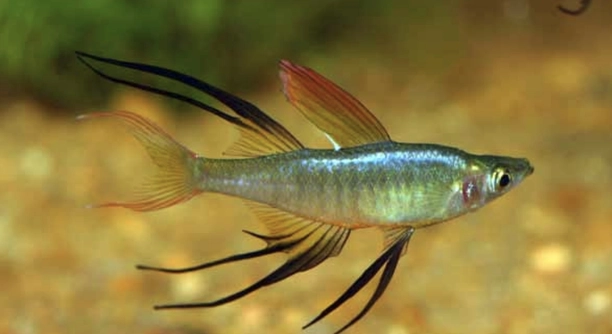
Threadfins are fascinating fish that respond in unique ways to changes in their environment. After a water spill, their behavior can shift quickly. Observing these shifts can reveal patterns that are both natural and insightful for their care.
After a water spill, threadfins may exhibit seven distinct behaviors. They often adjust their swimming patterns, seek calmer areas, change feeding habits, interact differently with companions, explore new regions, alter resting locations, and display heightened alertness to environmental changes.
Recognizing these behaviors can help ensure threadfins remain healthy and comfortable after disruptions in their habitat. It also offers a closer look into their adaptive nature.
Adjusting Swimming Patterns
After a water spill, threadfins often shift how they swim. They may move in tighter groups, swim closer to surfaces, or avoid areas that are turbulent. This change is their way of maintaining balance and stability. By adjusting their swimming patterns, they conserve energy and protect themselves from potential stressors caused by the sudden disturbance. Over time, you might notice them returning to their usual routines once the water settles and conditions feel stable again. Their movements can be subtle at first, so watching closely can reveal how they cope. These adjustments are important for their overall health, as excessive stress can lead to reduced feeding or weakened immune responses. Observing their swimming gives insight into their comfort levels and can help you ensure they remain in a calm environment.
Threadfins rely heavily on water conditions to feel secure, making movement changes a natural reaction.
Careful observation of their swimming patterns can indicate whether they are adapting well or if additional environmental adjustments are needed. By noting these shifts, you can provide areas of calm water, remove sudden obstacles, and maintain consistent temperatures. Threadfins are sensitive to rapid changes, so small interventions often prevent long-term stress. Watching how they interact with both the current and each other helps track their recovery and overall well-being. Swimming patterns also indicate feeding readiness, social interactions, and comfort levels, making this behavior an essential part of monitoring. Over time, these patterns stabilize, reflecting their ability to adapt to the spill while maintaining normal routines.
Seeking Calmer Areas
Threadfins often move to calmer zones after a spill. They instinctively avoid turbulence.
They look for sheltered corners, near plants or lower-traffic zones. By relocating, they reduce stress and regain stability. These areas allow them to rest and regain normal energy levels. Movement to calm spots also supports natural feeding habits, as fish are less distracted by disturbances. Over several hours, they may gradually return to more open areas once the water stabilizes and turbulence decreases. Providing multiple quiet zones in their habitat can improve their comfort after unexpected spills. Observing which areas they choose highlights preferences and needs that help optimize care routines.
After a spill, their choice of calmer areas demonstrates their instinctive coping mechanisms. Ensuring these zones are accessible, with gentle water flow and minimal disruption, promotes health. By understanding this behavior, you can manage the habitat to prevent prolonged stress. Some threadfins may remain cautious longer than others, so patience is key. Offering cover such as plants or rocks provides a safe refuge. This behavior also indicates their perception of safety and readiness to return to regular swimming and feeding patterns. Monitoring which spots they favor gives practical insights into preferred environmental conditions. It also allows adjustments to lighting, water flow, and feeding zones. Gradually, threadfins regain confidence and normal activity levels. Their selection of calmer areas reflects their adaptive behavior and contributes to overall stability after disturbances.
Changing Feeding Habits
Threadfins often eat less immediately after a water spill. Their focus shifts to stabilizing themselves rather than searching for food.
Stress and altered water conditions can reduce appetite. Some may nibble cautiously, while others avoid food entirely. Changes in flow or debris may also affect their ability to reach feeding areas. Adjusting feeding schedules temporarily can help them regain comfort. Offering small portions ensures they get nutrients without overwhelming them. Over a few days, normal feeding usually resumes as water conditions stabilize. Observing which fish return to eating first can indicate their stress levels and overall adaptation.
Temporary feeding changes are normal. Monitoring intake helps gauge recovery and prevent overfeeding during the adjustment period. Providing familiar foods in calm areas encourages confidence and routine.
Feeding behavior also reflects social interactions. Dominant fish may approach food first, while others wait for a secure moment. By watching these dynamics, you can manage portions to ensure all threadfins get adequate nutrition. Changes in feeding spots, such as moving closer to shelter, indicate their comfort and adjustment to the altered environment. Maintaining consistent water quality and careful observation helps minimize long-term stress and supports healthy growth. Patience and steady care are key during this period of adaptation.
Exploring New Regions
Threadfins may move to previously unused areas after a water spill, often searching for safe zones or stable conditions. This exploration helps them find shelter and assess risks.
They may gradually investigate corners, open spaces, or areas near objects in the habitat. Their movement is cautious, often returning to familiar spots before venturing further. Exploring new regions allows them to identify calmer water and adjust their swimming patterns accordingly. These behaviors are instinctive and can reveal preferred hiding spots or favored currents. Over time, exploration balances with returning to usual routines once stability is restored.
Observing where threadfins explore provides insight into their environmental needs. Providing accessible routes and safe spaces supports confidence. Careful placement of plants, rocks, or partitions can guide movement and reduce stress. This behavior also highlights social dynamics, as some fish lead while others follow. Exploration after disturbances shows their adaptability and can inform adjustments in habitat design. Tracking patterns over days reveals favored zones for feeding, resting, and interaction. Understanding these tendencies allows for better habitat management, ensuring comfort and long-term stability.
Altering Resting Locations
Threadfins often change where they rest after a water spill. They prefer calmer spots with less movement and fewer disturbances.
Shifts in resting locations help them recover from stress. Choosing sheltered areas allows them to feel secure while the water stabilizes.
Heightened Alertness
After a spill, threadfins become more vigilant. Their senses are focused on detecting sudden changes or potential threats in the environment. This heightened alertness can persist until water conditions normalize.
Interaction Changes
Threadfins may interact differently with companions after a water spill. Some become more cautious, while others seek closer contact for reassurance. Observing these shifts helps understand their social needs and overall adjustment to the altered environment.
FAQ
How long does it take for threadfins to settle after a water spill?
Threadfins usually start adjusting immediately, but full recovery can take a few hours to several days. The duration depends on the size of the spill, water conditions, and how disturbed the environment became. Providing calm areas and monitoring their behavior helps speed up adjustment.
Will their feeding habits return to normal quickly?
Feeding habits can change temporarily. Some threadfins may nibble cautiously or eat less at first. Gradually, as water stabilizes and stress decreases, most fish return to regular feeding routines. Small, frequent meals in calm areas encourage them to eat consistently.
Do all threadfins react the same way to a spill?
Not all threadfins respond identically. Some become more cautious, while others explore new areas immediately. Individual temperament, age, and social status influence reactions. Observing each fish helps determine which need extra attention or support.
Is it necessary to change water after a spill?
Immediate water changes are not always required unless the spill introduced contaminants. Ensuring proper filtration, gentle water flow, and stable temperature is more important. Partial water adjustments can help maintain quality without causing additional stress.
Can stress from a spill affect their health long-term?
Prolonged or repeated stress may weaken immune systems, reduce appetite, or cause behavioral changes. Providing stable water conditions, safe resting spots, and calm areas reduces risks. Regular observation ensures early intervention if signs of illness or distress appear.
How can I help threadfins feel secure after a spill?
Offer sheltered zones, maintain consistent lighting, and reduce sudden movements around the tank. Ensuring water flow is gentle and food is easily accessible helps them regain confidence. Avoid adding new decorations or disturbances immediately.
Do threadfins return to their usual swimming patterns on their own?
Yes, most threadfins gradually resume typical swimming behavior once the environment stabilizes. Watching for balanced, confident movements indicates they have regained comfort and are no longer stressed. Providing familiar areas encourages quicker recovery.
Are there signs I should watch for that indicate excessive stress?
Signs include prolonged hiding, reduced feeding, erratic swimming, or visible physical changes. If these persist beyond a few days, it may be necessary to check water quality, offer additional shelters, or seek expert advice to prevent health issues.
Can interaction with other fish be affected after a spill?
Yes, some threadfins may become more cautious or temporarily avoid others. Dominant individuals might take advantage of confusion, so monitoring social dynamics ensures all fish can feed and rest comfortably. Gradual normalization of interactions usually occurs as water conditions stabilize.
Should I adjust tank decorations or plants after a spill?
Minimal changes are best. Threadfins rely on familiar surroundings for security. Only rearrange if necessary for water quality or safety. Providing natural hiding spots helps them feel protected and reduces stress during recovery.
How often should I monitor them after a spill?
Frequent observation is key in the first 24–48 hours. Look for changes in swimming, feeding, and resting behaviors. Once they show signs of returning to normal, regular daily monitoring is sufficient to maintain comfort and health.
Do temperature changes make a difference in recovery?
Yes, stable water temperature is essential. Sudden shifts can increase stress or slow adjustment. Maintaining consistent temperature helps threadfins resume normal routines more quickly and supports overall well-being.
Are some threadfins more sensitive than others?
Individual sensitivity varies. Younger or weaker fish may react more strongly, while dominant or confident individuals adapt faster. Recognizing these differences allows tailored care and ensures all fish recover safely.
Can external disturbances prolong stress after a spill?
Yes, noise, sudden light changes, or excessive handling can delay recovery. Minimizing these disturbances gives threadfins time to adapt and regain normal behaviors naturally.
Is it important to keep a record of behavior after a spill?
Keeping notes on feeding, swimming, and social interactions helps track recovery and identify any long-term issues. This record can guide future responses to disturbances and ensure better care for your threadfins.
How soon can I resume normal tank maintenance?
Routine cleaning and maintenance can continue cautiously. Avoid major changes or water shifts immediately. Gradually returning to normal schedules prevents additional stress and supports stable behavior.
Can repeated minor spills affect them differently than a single large one?
Repeated minor disturbances may cumulatively stress threadfins, causing subtle behavioral changes or increased hiding. Observing responses and providing consistent safe areas mitigates long-term effects. Single large spills often trigger immediate but short-lived reactions.
Are certain areas in the tank preferred during recovery?
Threadfins often favor corners, plant-covered zones, or lower-traffic sections. These areas provide a sense of security. Noting these preferences can guide placement of decorations or feeding stations for calmer, safer recovery environments.
How do I know if their behavior is fully normalized?
Balanced swimming, regular feeding, resumed social interaction, and use of usual resting spots indicate recovery. Once these patterns stabilize, threadfins have likely adjusted to the spill and regained comfort in their habitat.
Does water quality influence recovery speed?
Absolutely. Clean, well-filtered, and oxygenated water helps threadfins adapt faster. Monitoring parameters such as pH, ammonia, and nitrite levels ensures a healthy environment and reduces prolonged stress after disturbances.
Final Thoughts
Threadfins are sensitive and adaptable fish that react quickly to changes in their environment. A water spill may seem minor, but it can significantly alter their behavior and comfort. Observing their responses after such an event provides valuable insight into how they manage stress and maintain stability. From adjusting swimming patterns to exploring new areas, threadfins show a variety of coping strategies. Each behavior reflects their instinctive need to feel safe and secure. By understanding these reactions, you can better support their well-being and create a habitat that minimizes stress during unexpected disturbances. Paying attention to their movements, feeding habits, and social interactions allows you to notice subtle signs of discomfort before they develop into more serious issues.
Supporting threadfins after a spill requires patience and careful observation. They may temporarily reduce food intake, shift resting locations, or seek calmer areas within their environment. Providing shelter, gentle water flow, and familiar surroundings encourages them to regain confidence and normalize their routines. Monitoring water quality is also essential, as changes caused by the spill can impact their health and behavior. Ensuring the water remains clean, properly oxygenated, and at a stable temperature allows threadfins to recover more efficiently. These measures reduce stress, prevent illness, and help maintain a stable environment where fish can thrive. Small adjustments in tank management, such as offering multiple quiet zones or adjusting feeding times, can make a noticeable difference in their comfort and overall well-being.
Long-term observation is key to understanding threadfins’ adaptive behaviors. By noting which areas they favor, how they interact with companions, and how their feeding patterns change, you gain insight into their preferences and needs. This knowledge allows for better planning of tank layout, feeding schedules, and environmental enrichment. Even after normal conditions are restored, threadfins may continue to demonstrate cautious behavior for a short period. Respecting their natural instincts and providing consistent care ensures they remain healthy and comfortable. Ultimately, understanding and supporting threadfins after a water spill strengthens your ability to maintain a stable, stress-free habitat. Recognizing their behaviors as natural responses rather than problems allows you to make informed decisions and fosters an environment where these fish can flourish over time.

Hello,
If you enjoy the content that we create, please consider saying a "Thank You!" by leaving a tip.
Every little bit helps us continue crafting quality advice that supports the health, happiness, and well-being of pets around the world, for pets of all shapes, sizes, and species.
We really appreciate the kindness and support that you show us!