
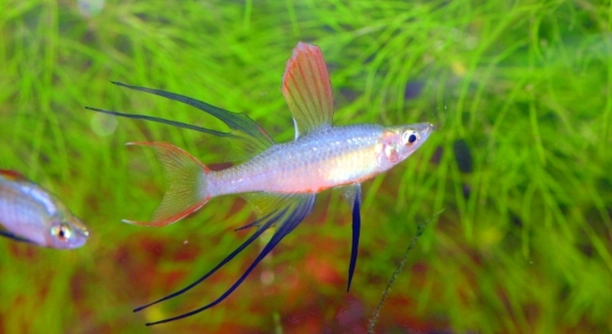
Overcrowding in threadfin tanks can create more stress than many aquarists realize. Fish may compete for space and resources, leading to behavioral changes and a decline in overall tank harmony. This issue is more common than expected.
Overcrowded threadfin tanks often result in poor water quality, increased aggression, stunted growth, and susceptibility to disease. Maintaining appropriate stocking levels and monitoring environmental conditions are critical for ensuring the health and wellbeing of all fish within a shared habitat.
Addressing these issues early can prevent long-term health problems and create a more balanced, thriving aquatic environment for your threadfin population.
Poor Water Quality
Overcrowding in a threadfin tank can quickly lead to deteriorating water conditions. With too many fish sharing the same space, waste accumulates faster than filtration systems can handle. Uneaten food adds to ammonia and nitrite levels, which can stress the fish and damage their delicate gills. Cloudy water, foul odors, and algae blooms are common signs of poor water quality. Regular monitoring of pH, ammonia, nitrite, and nitrate levels is essential to prevent toxic buildup. Even with a good filter, an overstocked tank struggles to maintain a healthy environment. Frequent water changes, proper feeding practices, and avoiding sudden changes in fish population are critical steps to manage water quality. Threadfins are particularly sensitive, so maintaining clean water directly impacts their activity levels, coloration, and immune health. Neglecting these conditions can quickly escalate to disease outbreaks or premature death, making water management a top priority.
Regular testing and maintenance can stabilize your tank’s water quality.
Maintaining a balanced aquatic environment involves consistent cleaning, careful feeding, and attentive observation of your threadfin’s behavior and appearance. Adequate filtration and scheduled water changes ensure ammonia and nitrate levels remain safe. Avoid overfeeding, remove uneaten food promptly, and check that the filter is operating efficiently. Observing the fish daily helps identify early signs of stress, allowing for corrective measures before serious health issues arise. Additionally, plants can assist in absorbing excess nutrients, contributing to a more stable environment. Keeping the water balanced not only supports the health of individual fish but also promotes natural behavior, reduces aggression, and minimizes disease risk. With proper care, even a moderately stocked tank can thrive, providing a visually appealing and healthy habitat for threadfins. By maintaining water quality, you protect your fish and create a sustainable environment that is easier to manage over time.
Aggression and Territorial Behavior
Overcrowding increases aggression among threadfins, as they compete for space and hiding spots.
Excessive fighting can lead to injuries, fin damage, and stress, reducing immunity and increasing susceptibility to disease.
Threadfins naturally establish territories, and when the tank is overcrowded, boundaries become unclear. Fish may constantly chase or nip at each other, leading to chronic stress and a decline in overall health. Aggression often escalates during feeding or when introducing new tank mates. Providing sufficient hiding spaces, plants, or decorations can reduce conflict by creating visual barriers and personal zones. Monitoring fish behavior is crucial; fish that are repeatedly targeted may require temporary isolation to recover. Adjusting stocking levels, reorganizing the tank layout, or dividing the tank into smaller sections can help mitigate aggressive interactions. Maintaining a balanced social dynamic ensures that all threadfins can feed, rest, and swim comfortably. Without intervention, aggression can spiral, causing physical harm and affecting the tank’s overall stability.
Stunted Growth
Overcrowding limits space and resources, causing threadfins to grow slower than they should. Limited swimming area and competition for food directly affect their physical development and overall health.
Limited nutrients and constant stress from nearby fish prevent threadfins from reaching their full size. Even with adequate feeding, dominant fish may consume most of the food, leaving weaker ones undernourished. Restricted swimming space reduces exercise, which is essential for muscle development and healthy growth. Stunted growth also impacts immune function, making fish more vulnerable to disease and infections. Over time, chronic stunting can affect lifespan and reproductive ability, creating long-term consequences for your tank population. Monitoring growth rates and ensuring fair food distribution can help reduce these effects.
Proper tank management, including lowering the number of fish or increasing tank size, allows threadfins to swim freely, access sufficient food, and grow healthily. Introducing feeding stations or timed feeding helps weaker fish get their share. By balancing space and nutrition, growth patterns can normalize, improving fish vitality and resilience. Observing your fish regularly ensures early detection of stunting, allowing timely adjustments in care and habitat.
Increased Disease Risk
Overcrowding spreads pathogens quickly because fish are in close contact and stressed, which weakens immunity.
High fish density raises the likelihood of bacterial, fungal, and parasitic infections. Stress from constant competition and poor water conditions further suppresses immune responses, making threadfins more prone to illness.
In tightly packed tanks, one infected fish can easily transmit disease to others, leading to rapid outbreaks. Stress hormones released in overcrowded conditions reduce the effectiveness of natural immune defenses, leaving fish vulnerable even to minor infections. Constant chasing, fin nipping, or injuries from aggression creates entry points for pathogens. Regular observation, quarantine of new or sick fish, and maintaining proper water parameters are essential preventive measures. Treating diseases in overcrowded tanks is more challenging, as crowded conditions hinder medication distribution and increase contamination risk. Effective management involves reducing stocking density, isolating affected fish, and maintaining excellent hygiene to protect the entire population.
Oxygen Depletion
Overcrowded tanks consume oxygen faster than it can be replenished. Threadfins may gasp at the surface or show sluggish behavior, indicating low oxygen levels.
Reduced oxygen weakens fish, increases stress, and makes them more vulnerable to disease. Proper aeration and fewer fish help maintain a healthy oxygen balance.
Stress and Anxiety
Constant crowding creates persistent stress in threadfins. They may hide excessively, refuse food, or show erratic swimming patterns, all signs of anxiety caused by limited space and competition.
Stress from overcrowding impacts growth, immunity, and overall behavior, making it crucial to monitor fish and maintain adequate tank space.
Poor Feeding Efficiency
In crowded tanks, dominant threadfins often eat first, leaving others undernourished. Unequal food access prevents weaker fish from receiving adequate nutrition, leading to health problems and slowed growth.
Algae Overgrowth
High fish density increases waste and nutrient levels, promoting rapid algae growth. Excess algae reduces water quality, blocks light, and disrupts tank balance, requiring regular cleaning and management to maintain a healthy environment.
FAQ
What is the ideal stocking level for a threadfin tank?
Maintaining the right number of threadfins in your tank is crucial for their health and growth. Generally, one adult threadfin requires at least 10 gallons of water. Overstocking creates stress, poor water quality, and competition for food, which can lead to stunted growth, aggression, and disease. Consider the adult size of the fish when calculating your tank capacity. Adding too many juveniles at once can also strain filtration systems as they grow. Proper planning ensures each fish has enough space to swim freely, feed properly, and establish personal territories, resulting in a healthier, calmer, and more visually appealing tank environment.
How often should I test water parameters in an overcrowded tank?
In a crowded tank, water parameters change quickly due to higher waste production. Testing at least twice a week is recommended, focusing on ammonia, nitrite, nitrate, and pH levels. Sudden spikes can harm threadfins, so monitoring allows for quick corrective actions. Water changes, filtration checks, and feeding adjustments should follow each test. Even minor imbalances can stress fish, so consistent testing is essential to prevent long-term damage or outbreaks of disease. Keeping a log of water parameters helps track trends and predict potential problems before they escalate.
What signs indicate stress in threadfins due to overcrowding?
Threadfins under stress often exhibit sluggish swimming, hiding for long periods, or refusing food. Aggressive behavior, fin nipping, or constant chasing may also appear. Color changes, such as fading or darkening, can indicate prolonged stress. Stress weakens the immune system, making fish more prone to infections. Identifying these behaviors early allows for intervention, such as rearranging the tank, adding hiding spots, or reducing fish numbers. Stress may also appear as stunted growth or loss of appetite over time. Consistent observation of daily behavior is key to maintaining a healthy environment.
How can I reduce aggression in an overcrowded tank?
Providing adequate hiding spots, plants, or decorations helps break visual lines of sight and reduces conflict. Spacing out feeding areas ensures weaker fish can access food. Rearranging the tank layout occasionally disrupts established territories and reduces tension. In severe cases, lowering the number of fish or isolating aggressive individuals may be necessary. Observing interactions during feeding and play periods helps identify problem areas. Maintaining proper water quality and oxygen levels also reduces irritability, as stressed fish are more likely to show aggression. A balanced approach ensures all threadfins coexist more peacefully.
What is the best way to prevent disease in a crowded tank?
Regular water changes, proper filtration, and avoiding overfeeding are critical preventive measures. Quarantining new or sick fish before introducing them reduces the risk of spreading pathogens. Keep the tank clean by removing debris and uneaten food, and maintain stable water parameters. Observing fish daily for unusual behavior, injuries, or spots allows for early treatment. Stress reduction through proper stocking levels and environmental enrichment also strengthens immunity. Prompt treatment of any infections prevents outbreaks that can quickly affect an overcrowded population. Prevention is far easier than dealing with widespread disease.
How can I ensure all fish receive enough food?
In a dense tank, some threadfins may dominate feeding areas. Using multiple feeding points or specialized feeders ensures fair access. Distributing food evenly and in smaller portions allows slower or weaker fish to consume adequate nutrition. Monitoring feeding behavior helps identify which fish are not eating enough, and adjusting portion size or feeding technique can correct imbalances. Timing feedings when fish are calm reduces competition and stress. Ensuring proper nutrition improves growth, coloration, and immunity, helping your entire population remain healthy despite higher densities.
What should I do if water quality continues to decline despite maintenance?
If water parameters remain unstable, overcrowding is likely the root issue. Consider reducing the number of fish or moving some to another tank. Upgrade filtration or increase aeration to handle higher waste loads temporarily. Frequent partial water changes and cleaning the substrate help stabilize conditions. Review feeding routines to prevent overfeeding, which contributes to excess waste. Persistent poor water quality signals that your tank is exceeding its sustainable capacity, and addressing the number of fish is the most effective long-term solution for maintaining a healthy environment.
Can plants help in managing overcrowded tanks?
Yes, live plants absorb excess nutrients, reducing ammonia and nitrate buildup. They provide hiding spaces, which lowers aggression and stress. Fast-growing plants like hornwort or water sprite are especially effective in nutrient uptake. Plants also support beneficial bacteria that aid in breaking down waste. While plants do not replace proper water changes or filtration, they complement these measures and improve overall tank health. Introducing a variety of plants can create zones for fish to retreat, making a crowded tank feel more spacious and balanced.
How do I know if my tank is still overcrowded after adjustments?
Signs include persistent aggression, constant chasing, visible stress in multiple fish, poor growth, and fluctuating water parameters despite regular maintenance. Fish may avoid certain areas or show uneven feeding success. If these issues persist, the tank likely remains overstocked. Gradual removal of a few fish or relocation to additional tanks can restore balance. Observing behavior, growth, and water stability over several weeks will confirm whether adjustments are sufficient. Continuous monitoring ensures that your threadfins have enough space and resources to thrive.
Are there long-term effects of keeping threadfins overcrowded?
Yes, prolonged overcrowding can lead to stunted growth, chronic stress, recurring disease, shorter lifespans, and impaired reproduction. Behavioral issues may become ingrained, and fish may fail to reach full size or display natural behaviors. Even after reducing density, some long-term effects may persist, such as fin damage or heightened aggression. Maintaining proper stocking levels from the start prevents these consequences and ensures a healthier, more sustainable tank population. Regular assessment of tank capacity, water quality, and fish health is essential for long-term success.
Word count: 506
Overcrowding in threadfin tanks is more than just a visual issue. Too many fish in a confined space can cause a chain reaction of problems that directly affect their health and wellbeing. Poor water quality, stress, aggression, and disease are all closely connected to how many fish share the tank. Even when you have a strong filtration system, overcrowding can overwhelm it, leading to harmful spikes in ammonia, nitrites, and nitrates. These chemical imbalances are stressful and toxic to threadfins, which can weaken their immune system and make them more vulnerable to illness. Additionally, overcrowding makes it difficult for each fish to access food and establish personal space, which further contributes to stress and stunted growth. Addressing overcrowding early is essential to maintaining a healthy and balanced aquatic environment, allowing the fish to swim freely, feed properly, and interact normally. Careful observation and consistent maintenance play a key role in detecting early signs of overcrowding before serious problems arise.
Proper tank management goes beyond just counting fish. Monitoring water parameters, adjusting feeding habits, and providing adequate hiding spots are all part of creating a stable environment. Stress in threadfins is often subtle, showing up as slight color changes, erratic swimming, or temporary hiding. By keeping a close eye on behavior, you can catch these warning signs early and take corrective action. Even simple changes, like adding plants or rearranging decorations, can help reduce aggression and give fish personal zones where they feel safe. Over time, these adjustments improve overall tank harmony, reduce illness, and promote healthy growth. Water changes, filtration maintenance, and careful feeding schedules are equally important. Consistency is critical—irregular care can undo all the effort put into creating a balanced environment. Understanding the needs of your threadfins and acting proactively allows them to thrive, even in a tank that might initially feel too small.
Long-term success in managing a threadfin tank depends on planning and attentiveness. Regular evaluation of stocking levels, water quality, and fish behavior ensures that problems are caught before they escalate. Reducing the number of fish, when necessary, is not a failure but a practical step to protect the health of the population. Overcrowding may seem like a minor issue at first, but its effects are cumulative and can result in chronic stress, disease, and shortened lifespans. By addressing these challenges thoughtfully and systematically, you create an environment where threadfins can grow, swim, and interact naturally. A well-managed tank not only supports the physical health of the fish but also encourages natural behaviors, making it more enjoyable to observe and care for. Maintaining balance requires ongoing effort, but the result is a thriving, peaceful, and healthy community of threadfins that can reach their full potential in both size and vitality.
Word count: 412

Hello,
If you enjoy the content that we create, please consider saying a "Thank You!" by leaving a tip.
Every little bit helps us continue crafting quality advice that supports the health, happiness, and well-being of pets around the world, for pets of all shapes, sizes, and species.
We really appreciate the kindness and support that you show us!