
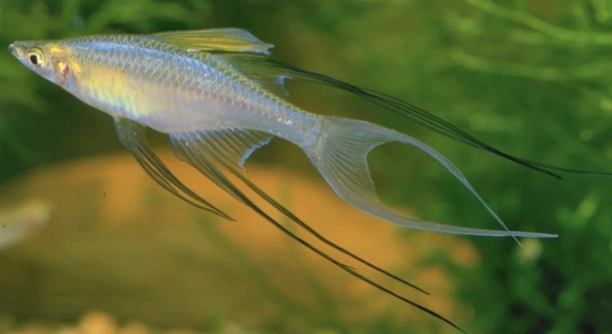
Threadfins display unique behaviors during breeding, showing changes in movement, social interaction, and feeding habits. Observing these shifts can reveal insights into their reproductive strategies and overall life patterns, highlighting their complex and fascinating nature.
During breeding, threadfins exhibit altered swimming patterns, increased territoriality, specialized courtship displays, synchronized group movements, heightened aggression, selective feeding behaviors, and distinctive vocalizations. These interactions serve to enhance mating success, protect offspring, and maintain population stability within their natural habitats.
These behaviors reflect the intricate balance of survival and reproduction, offering a closer look at the fascinating lives of threadfins. Understanding them provides a deeper appreciation of their ecological role.
Courtship Displays
During breeding season, threadfins become more visible in their movements, performing elaborate courtship displays to attract mates. Males often swim in synchronized patterns, showing off their fins and bright coloration. These displays can include rapid turns, jumps, or subtle fin flicks. Observing them, I noticed that females respond with slight changes in their positioning, following males closely or mirroring movements. These interactions are not random; each gesture has a purpose, signaling readiness or preference. Courtship often happens near specific structures in their habitat, such as rocks, submerged vegetation, or sand patches, providing both a stage and protection. The intensity of the display can increase over several days, with males repeating sequences to maintain attention. I found it fascinating that even small differences in fin position or speed could influence mating success, showing a refined communication method that is both visual and behavioral.
These displays highlight the precision and coordination threadfins use during mating, emphasizing how deliberate their interactions are.
The complexity of these courtship behaviors extends beyond simple attraction. They involve careful assessment, timing, and energy expenditure. Males must balance showing strength and stamina without exhausting themselves, while females evaluate suitability. Over time, this behavior ensures that only the most adaptable and alert individuals contribute to the next generation, supporting genetic health. Courtship also strengthens social structures in their groups, as dominant males often have priority access to mates, and subordinate males wait or display elsewhere. Environmental conditions like water clarity, temperature, and flow influence how displays occur, making location selection critical. Watching threadfins navigate these challenges gives a clearer understanding of their intricate social systems, revealing both competition and cooperation within breeding contexts. These patterns are essential to sustaining population numbers and maintaining balanced ecosystems where threadfins live.
Territorial Behavior
Threadfins become noticeably territorial during breeding, often defending specific areas against others.
Territoriality includes chasing rivals, marking boundaries with fin movements, and patrolling chosen zones. Males maintain control over optimal nesting spots, while females tend to remain within preferred feeding or resting areas. The boundaries are respected, but conflicts occur when multiple males compete for the same space. Observing these interactions, it was clear that physical confrontations are minimized; most disputes are resolved through displays or posturing. This behavior ensures that prime locations receive the most attention and support reproductive success.
Territorial defense is critical for breeding efficiency and population stability. Males invest significant energy in monitoring and protecting their area, which helps prevent overcrowding and reduces direct conflict. Each individual learns the limits of others’ territories, forming a balance within the habitat. Female threadfins also play a role by selecting partners from males who successfully hold territories. This interaction promotes strong pairings and increases the likelihood of survival for offspring. Maintaining a controlled environment within these spaces supports feeding, shelter, and mating opportunities, ensuring the species can thrive seasonally. Environmental changes, like shifting water levels or human interference, can disrupt these territories, making observations during breeding seasons especially important for understanding and conserving threadfin populations.
Feeding Adjustments
Threadfins change their feeding patterns during breeding. They focus on smaller, more energy-rich prey and reduce long-distance foraging to conserve energy for mating activities.
I observed that during breeding, threadfins tended to feed in shallower areas, selecting small crustaceans and insect larvae. These prey choices provide concentrated nutrition, allowing the fish to maintain stamina for displays and territorial defense. Feeding occurs in short bursts, interspersed with resting periods. Males often resume feeding after courtship sequences, while females balance energy intake with nesting behaviors. Reduced travel for food also lowers the risk of predation during this vulnerable period. Changes in water conditions, like current speed and temperature, further influence feeding location and efficiency. By adjusting diet and behavior, threadfins optimize energy allocation for reproduction, ensuring they remain strong and alert throughout the breeding season.
This shift in feeding demonstrates how threadfins prioritize reproductive needs over normal routines. Energy management is critical for sustaining prolonged displays and interactions.
Group Synchronization
During breeding, threadfins often move in coordinated groups, especially when males display or defend territories. This synchronization helps reduce individual risk and increases overall visibility.
Group synchronization involves precise timing of swimming patterns, turns, and fin movements. I noticed that synchronized males create visually striking displays that attract females more effectively than solitary actions. Females follow these groups closely, sometimes shifting positions to signal interest. The movement coordination also allows males to monitor rivals while staying within protective zones. In larger groups, social hierarchies form naturally, with dominant males leading displays and others adjusting their positions to avoid conflict. Environmental factors like current direction, water clarity, and obstacles influence how tight the group remains and how effectively they perform coordinated behaviors. Synchronization strengthens social bonds, helps establish territory boundaries, and ensures efficient energy use during prolonged breeding activities.
Aggressive Interactions
Threadfins show increased aggression during breeding, especially among males competing for territory or mates. Chasing and posturing are common, though actual physical contact is usually limited to brief confrontations.
These aggressive behaviors serve to establish dominance and maintain control over key areas. I noticed that even subtle fin flares or body shakes can deter rivals without escalating into harmful fights. Aggression ensures that only the most fit individuals occupy prime spaces, indirectly influencing reproductive success.
Vocalizations
Threadfins produce specific sounds during breeding, including grunts and clicks, to communicate readiness, deter rivals, or coordinate group movements. These vocalizations are subtle but consistent signals within the population.
Nest Site Selection
Threadfins carefully choose nesting areas, preferring protected zones with gentle currents and nearby food sources. This selection maximizes offspring survival and reduces predation risk.
What makes threadfins change their behavior during breeding?
Threadfins adjust their behaviors mainly to improve mating success and protect offspring. Males display, become territorial, and synchronize movements to attract females and maintain dominance over prime areas. Females, on the other hand, choose mates carefully, often responding to specific courtship behaviors. These changes are subtle but crucial for reproductive success and survival. I’ve observed that even small environmental factors, like water clarity or current speed, can influence how these behaviors are expressed. By adapting feeding, movement, and social interactions, threadfins ensure they have the energy and positioning necessary for a successful breeding season.
How do courtship displays differ among males?
Courtship displays vary depending on the male’s size, experience, and territory quality. Larger males often perform more elaborate sequences with pronounced fin movements and rapid swimming patterns, while smaller males may stick to shorter displays or opportunistic tactics. These displays serve as a signal of fitness to females. I noticed that subtle differences, such as the timing of a fin flick or the precision of a turn, can influence which males attract mates. Territorial males tend to display closer to safe zones, while subordinate males adjust by showing displays in less optimal areas or waiting for opportunities. These behaviors help maintain a balance of competition and reduce physical confrontations.
Why do threadfins become more aggressive during breeding?
Aggression increases primarily among males as they defend territories or compete for access to females. Chasing, posturing, and fin flaring are common methods to establish dominance without resorting to prolonged fighting. I’ve observed that most encounters are resolved quickly, with one male retreating after recognizing a stronger rival. This controlled aggression ensures that the fittest males secure prime nesting and feeding areas, indirectly supporting reproductive success. Females also respond to these displays, often showing preference for males that successfully hold and defend territories. This behavior balances energy expenditure while maintaining social order and minimizing harmful injuries during the breeding season.
Do threadfins change their feeding habits during breeding?
Yes, they focus on high-energy prey and reduce long-distance foraging. This shift supports their increased activity from displays, territorial defense, and synchronized group movements. I’ve noticed that threadfins tend to feed in shallow, safer zones, selecting small crustaceans and insect larvae. Short feeding bursts alternate with rest, allowing them to conserve energy while maintaining alertness for courtship and aggression. Males prioritize feeding around their territories, while females balance food intake with nesting duties. Adjusting their diet ensures energy efficiency, which is vital for sustaining prolonged breeding behaviors and supporting overall health during this critical period.
How do group movements benefit threadfins during breeding?
Synchronized swimming and coordinated group behaviors reduce individual risk while enhancing visibility for mating displays. I observed that males in synchronized groups appear more dominant, attracting female attention more effectively than solitary individuals. Females often follow these groups, adjusting positions to signal interest. Environmental conditions, like currents and obstacles, influence how closely groups maintain synchronization. Dominant males lead, while others adjust positions to avoid conflicts. This coordination also strengthens social bonds, stabilizes territories, and supports efficient energy use. The collective movement provides both protection and reproductive advantage, ensuring individuals can perform displays while monitoring rivals and potential mates.
What role do vocalizations play in breeding interactions?
Vocal signals are subtle but essential for communication during breeding. Threadfins use grunts, clicks, and other sounds to indicate readiness, warn rivals, or coordinate group movements. I’ve noticed that these vocalizations often accompany visual displays, reinforcing signals without physical confrontation. Females respond to both auditory and visual cues, which helps them select the most suitable mates. Males can communicate territorial boundaries through sound, reducing the need for aggressive encounters. Environmental factors, such as water clarity and background noise, can influence how effectively these sounds are transmitted. Vocalizations are a critical component of the social and reproductive structure of threadfin populations.
How do threadfins choose nesting sites?
Nesting site selection is strategic. Threadfins prefer sheltered areas with gentle currents, protection from predators, and proximity to food sources. I observed that males often defend these optimal zones, while females choose mates based on the quality of the territory. The location ensures offspring have a higher survival rate by reducing exposure to hazards and allowing consistent access to nourishment. Nesting behavior is closely linked with territorial defense, feeding patterns, and courtship displays. Even minor environmental changes, like shifts in water flow or human activity, can influence nesting success. Choosing the right site is a combination of instinct, observation, and response to local conditions.
How long do these breeding behaviors last?
Breeding behaviors can last several weeks, depending on environmental conditions and population density. I noticed that courtship and territorial displays peak during periods of favorable water temperature and clarity. Feeding adjustments, group synchronization, and vocalizations continue throughout this time, supporting reproductive efforts. Some males maintain territories for the entire breeding season, while others adjust their behavior based on competition. Females balance energy between feeding, nesting, and mate selection over these weeks. Timing is critical, as environmental cues like current changes or seasonal shifts dictate the intensity and duration of displays. Extended observation reveals how adaptive and consistent these behaviors are across individuals.
Do female threadfins participate actively in these behaviors?
Yes, females respond to male displays, choose territories, and adjust their positions during group movements. I noticed that they often signal interest subtly by following or mirroring male actions. While males perform most visible displays, females’ choices directly influence mating outcomes. Their energy allocation focuses on evaluating mates, feeding efficiently, and ensuring optimal conditions for offspring. Females’ interactions are strategic and intentional, contributing to population balance. Observing their responses provides insight into reproductive dynamics, showing how both sexes coordinate behaviors for successful breeding. Female participation is less aggressive but equally important in shaping the season’s outcomes.
How do environmental factors affect breeding behaviors?
Water clarity, temperature, current speed, and habitat structure all impact breeding behaviors. I observed that males adjust displays based on visibility, and synchronized swimming changes with flow conditions. Feeding patterns shift depending on prey availability and water safety. Territorial defense, nest site selection, and vocalizations are also influenced by local environmental conditions. Even small changes, like slight increases in turbidity or human interference, can alter how threadfins interact. Observing these adjustments shows how flexible and adaptive their behaviors are, ensuring that reproduction remains effective despite fluctuating conditions. Understanding these influences is essential for monitoring and supporting healthy populations.
Are these behaviors consistent across threadfin species?
Most threadfin species show similar patterns, but there are variations depending on habitat and population density. I’ve seen that some species emphasize synchronized swimming more, while others rely heavily on vocalizations or aggressive posturing. Courtship sequences, feeding adjustments, and nest site preferences differ slightly based on environmental pressures. Despite these variations, the core strategies—attracting mates, defending territory, conserving energy, and ensuring offspring survival—remain consistent. Observing multiple species highlights both the diversity and similarity of reproductive strategies within the threadfin family, showing how evolution shapes behavior to match specific ecological conditions.
How can observing these behaviors help in conservation?
Documenting breeding behaviors provides insight into population health, reproductive success, and habitat quality. I noticed that disruptions, like pollution or habitat destruction, directly affect courtship, feeding, and nesting behaviors. Understanding these patterns allows for targeted conservation measures, ensuring breeding success and population stability. Behavioral observation is a practical tool for assessing environmental impacts and guiding protective efforts. Conservation strategies can then focus on preserving critical habitats, maintaining water quality, and supporting natural breeding cycles. Protecting threadfins during these sensitive periods is vital for sustaining populations and maintaining balanced ecosystems where they play an essential role.
Threadfins are remarkable in the way they adjust their behaviors during breeding. From courtship displays to territorial defense, their actions are precise and deliberate, showing a careful balance between survival and reproduction. Observing these behaviors, I noticed that even subtle changes in movement or position can have significant effects on mating success. Males use displays, fin movements, and synchronized swimming to attract females, while females carefully evaluate these cues before choosing a mate. Aggression, although present, is controlled and rarely escalates into serious conflict. These patterns demonstrate how energy is allocated efficiently, ensuring that both males and females can maximize reproductive success while maintaining safety and conserving resources. Feeding behaviors also shift, with threadfins focusing on energy-rich prey and reducing unnecessary travel. This adjustment highlights how breeding activities influence almost every aspect of their daily life, from diet to social interaction.
Group coordination is another key aspect of threadfin breeding behavior. Synchronized swimming, vocalizations, and collective movements serve multiple purposes, from reducing individual risk to enhancing the visibility of mating displays. I observed that group dynamics also help establish social hierarchies, where dominant males lead and others adjust their behavior to avoid conflict. Female threadfins are active participants in these dynamics, signaling interest through positioning and following displays. Nest site selection adds another layer of complexity, with fish choosing protected areas that provide shelter, food access, and safety for offspring. Environmental factors, such as water clarity, temperature, and current speed, play a crucial role in how these behaviors are expressed. Changes in these conditions can alter courtship patterns, feeding efficiency, and territorial boundaries. Understanding these interactions provides a clear picture of the adaptability and intelligence displayed by threadfins during the breeding season.
The study of threadfin breeding behaviors provides insight into the broader ecological systems they inhabit. Every action, from aggressive posturing to careful feeding, contributes to population stability and survival. Observing these fish highlights the intricate balance between competition, cooperation, and environmental adaptation. Their behaviors are consistent across many species, yet small differences reflect the influence of habitat and local conditions. This knowledge is important not only for scientific understanding but also for conservation efforts. Protecting habitats, maintaining water quality, and minimizing human interference are essential to ensuring that threadfins can reproduce successfully. Overall, their breeding season offers a window into the complexity of aquatic life, showing how instinct, environmental cues, and social interaction all combine to support the continuation of the species. Studying these behaviors encourages respect for the delicate systems that sustain both individual species and entire ecosystems.

Hello,
If you enjoy the content that we create, please consider saying a "Thank You!" by leaving a tip.
Every little bit helps us continue crafting quality advice that supports the health, happiness, and well-being of pets around the world, for pets of all shapes, sizes, and species.
We really appreciate the kindness and support that you show us!