
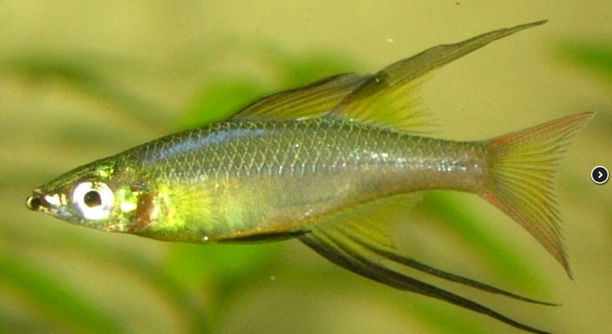
Many aquarium owners cherish the beauty of threadfins, yet subtle changes in their environment can cause hidden stress. Sounds that seem ordinary to us may be overwhelming to these sensitive fish, affecting their behavior and well-being.
Certain noises, including sudden tapping on glass, household appliance vibrations, loud conversations, music, nearby construction, water pump irregularities, and abrupt splashes, can trigger stress responses in threadfins. Minimizing these auditory disturbances supports their natural behaviors and overall health.
Recognizing these stress-inducing sounds helps maintain a calm and healthy environment for your threadfins. Adjustments can significantly improve their comfort and daily behavior in the aquarium.
Tapping on the Glass
Threadfins are highly sensitive to sudden impacts on their tank. Even a light tap can startle them, causing erratic swimming or hiding in corners. Over time, repeated tapping can create persistent stress, lowering their immunity and increasing vulnerability to illness. This is often unintentional, as owners may tap the glass to get their fish’s attention or check on them. Threadfins rely heavily on calm surroundings, so any unexpected vibration or noise can disrupt their routine. Keeping the tank in a low-traffic area or gently signaling before approaching helps reduce this stress. Observing your fish after any disturbance allows you to gauge how sensitive they are to these sounds. Consistently minimizing taps or knocks can make a noticeable difference in their behavior and overall comfort, helping maintain a healthy, peaceful environment. Small changes in placement or handling can provide long-term benefits for their well-being.
Even soft taps can create prolonged stress, so reducing these sounds is essential for maintaining calm behavior in threadfins.
Regularly monitoring interactions near the tank ensures that threadfins remain relaxed. When vibrations are unavoidable, adding cushioning or repositioning the tank can significantly lessen the impact. This not only improves daily comfort but also encourages natural swimming patterns and feeding behavior, making the fish more responsive and less anxious. Over time, a quieter, controlled environment allows them to thrive, showcasing their natural elegance.
Household Appliances
Appliances like vacuum cleaners, washing machines, or air conditioners can generate vibrations and low-frequency noise that threadfins perceive as threatening.
The constant hum or sudden activation of these devices can disrupt feeding, rest, and social behavior. Even if the sound seems faint to humans, threadfins have heightened sensitivity to vibrations transmitted through walls, floors, and tank surfaces. Prolonged exposure may lead to chronic stress, causing lethargy, appetite changes, and increased susceptibility to disease. Strategic placement of the aquarium, away from noisy appliances, is crucial. Additionally, using rubber mats or dampening pads under the tank can absorb vibrations and minimize their effect. Observing how your fish respond when these appliances operate helps determine if additional protective measures are needed. Awareness of these subtle environmental factors can significantly enhance their comfort. By proactively controlling sound and vibration levels, you maintain a stable, healthy habitat that supports natural behaviors and long-term well-being.
Loud Conversations
Threadfins react strongly to elevated voices near their tank. Sudden shouting or frequent loud talking can trigger stress responses, making them hide or swim erratically. Consistently loud environments may affect their appetite and daily activity.
Even everyday conversations can be disruptive if they occur close to the aquarium. Threadfins have delicate auditory sensitivity and perceive high volume as a potential threat. Repeated exposure can lead to long-term stress, reducing their natural curiosity and interaction within the tank. Positioning the aquarium away from common gathering areas or keeping voices moderate nearby helps maintain a calm environment. Over time, these small adjustments can support their natural behavior, keeping them active and healthy.
Monitoring your threadfins’ reactions during regular household activity is important. Noticing increased hiding, rapid movements, or delayed feeding can indicate sensitivity to noise. Creating a quieter area for the tank ensures they remain comfortable. Reducing sound disturbances enhances their daily routine and encourages consistent feeding, natural swimming patterns, and social interactions if housed with other fish. Maintaining low noise levels contributes directly to overall health and reduces stress-related behaviors, which improves longevity.
Nearby Construction
Construction activities can produce vibrations and loud noises that travel through walls and floors. Threadfins detect these disturbances even from a distance.
Ongoing construction can disrupt normal behavior, leading to hiding, reduced feeding, and signs of anxiety. Vibrations from heavy machinery transmit through the building structure and the tank, creating a continuous stress factor. While humans may adjust easily, threadfins are more sensitive to sudden and repeated noises. Using sound-dampening materials, relocating the tank temporarily, or adding visual barriers inside the tank can help buffer these effects. Observation is essential; tracking how the fish respond over days ensures that mitigation methods are effective. Reducing the impact of construction noise supports calmer, more natural activity, helping threadfins maintain their health and resilience during environmental disruptions.
Music and Television
Threadfins can be disturbed by loud music or television sounds near their tank. Continuous high volume may cause stress and disrupt their feeding and resting patterns.
Even background noise at moderate levels can affect sensitive fish. Minimizing sudden changes in volume helps maintain a calm environment and steady behavior in your threadfins.
Water Pump Irregularities
Inconsistent water flow or irregular pump noises can create stress for threadfins. Uneven currents or unexpected sounds from malfunctioning pumps may startle them, causing rapid swimming, hiding, or refusal to feed. Consistent water movement is crucial for their well-being. Monitoring pump performance and ensuring smooth operation reduces sudden disturbances and helps maintain a stable, calm environment. Regular maintenance, including cleaning or replacing worn parts, prevents noise buildup and irregular vibrations. Threadfins benefit from predictable water movement, which encourages natural swimming patterns and reduces anxiety. A reliable pump supports their overall health and daily activity.
Abrupt Splashes
Sudden splashes in the tank can trigger immediate stress responses in threadfins. Even minor disturbances can startle them.
FAQ
How can I tell if my threadfins are stressed by noise?
Signs of stress in threadfins include erratic swimming, hiding more often, reduced appetite, and unusual lethargy. They may also swim along tank edges repeatedly or avoid interaction with other fish. Observing changes in behavior after certain noises helps identify stress triggers effectively.
What types of household sounds are most likely to stress threadfins?
Common household noises such as tapping on glass, loud conversations, television, music, and appliance vibrations can disturb threadfins. Even subtle, continuous sounds that humans barely notice may cause anxiety for these fish. Consistent exposure to such noise can affect their feeding, resting, and social behaviors.
Can construction near my home affect my threadfins?
Yes. Construction vibrations and loud machinery produce sounds that travel through walls and floors, which threadfins perceive as threatening. These disturbances may cause prolonged stress, reduced feeding, and changes in swimming patterns. Temporary relocation or sound-dampening materials around the tank can help reduce the impact.
Is it okay to play music near the tank?
Moderate background music is usually fine, but sudden changes in volume or very loud music can cause stress. Threadfins are highly sensitive to sound vibrations, so keeping music soft and consistent is the safest approach. Observing their behavior will indicate if adjustments are necessary.
How can I minimize appliance noise for my threadfins?
Place the aquarium away from appliances like washing machines, vacuums, or air conditioners. Using rubber mats or padding under the tank reduces vibrations. Scheduling appliance use during times when fish are less active can also help maintain a calmer environment.
What should I do if my threadfins react to water pump noise?
Check the pump for irregular vibrations, loose parts, or unusual sounds. Ensuring smooth, consistent water flow is essential. If necessary, replace worn components or switch to a quieter model. Predictable water movement supports natural swimming patterns and reduces anxiety.
Are there ways to protect threadfins from sudden splashes?
Minimizing abrupt water disturbances during feeding or maintenance helps prevent stress. Covering part of the tank with a secure lid or performing gentle water changes reduces the risk of startling them. Smooth, careful handling of water ensures a more stable environment.
Do threadfins respond differently to low-frequency versus high-frequency sounds?
Threadfins are more sensitive to low-frequency vibrations, which often come from household appliances, construction, and tapping. High-frequency sounds may still cause stress but generally have less impact. Understanding their sensitivity helps in arranging the tank and reducing exposure to disturbing noises.
How long does it take for threadfins to recover from stress caused by noise?
Recovery depends on the duration and intensity of the noise exposure. Short, occasional disturbances may result in quick recovery within hours. Continuous or loud exposure can take days or longer for fish to return to normal behavior. A calm environment speeds up recovery.
Can stress from noise affect the health of my threadfins long-term?
Chronic stress can weaken the immune system, reduce feeding, and increase susceptibility to disease. Maintaining a low-noise, stable environment is essential for long-term health. Proactive observation and adjustments to reduce stressors promote longevity and overall well-being.
Are there tools or devices to help monitor noise levels for aquariums?
Yes, decibel meters or smartphone apps can measure sound levels around the tank. Keeping readings below moderate levels and minimizing sudden spikes helps maintain a stress-free environment. Monitoring allows timely adjustments to protect your threadfins’ comfort.
Should I move my tank if my home environment is noisy?
Relocating the aquarium to a quieter area can significantly reduce stress. Choosing a low-traffic spot, away from appliances and conversation areas, provides a calmer habitat. Even small changes in placement can positively affect behavior, feeding, and overall health.
How do I gradually acclimate threadfins to unavoidable noise?
If some noise cannot be eliminated, introducing it gradually at lower volumes helps fish adapt. Observing their reactions allows you to adjust levels safely. Over time, this approach can reduce anxiety while maintaining a stable environment.
Can visual barriers help reduce stress from noise?
Yes. Adding plants, rocks, or background decorations can distract threadfins and create hiding spots. Visual barriers reduce perceived threats and help them feel secure, complementing efforts to minimize noise exposure.
Is there a difference between male and female threadfins in noise sensitivity?
While individual sensitivity varies, both male and female threadfins can be affected by noise. Observing behavior rather than relying solely on sex ensures proper care for all fish in the tank.
What daily practices help maintain a quiet environment?
Consistent routines, gentle tank maintenance, and avoiding sudden loud noises all contribute to a calmer setting. Scheduling household activities and appliance use during less active periods for fish ensures minimal disturbance.
How often should I monitor my threadfins for stress signs?
Daily observation is recommended. Monitoring behavior, feeding habits, and swimming patterns allows for early detection of stress. Prompt action to address triggers prevents long-term health issues.
Are threadfins more sensitive during certain times of the day?
Threadfins may be more active and alert during daylight hours, making them more reactive to disturbances. Noise during these periods can have a stronger impact compared to quieter nighttime hours. Adjusting the environment to match activity levels reduces stress.
Can multiple stressors compound the effect on threadfins?
Yes. Noise combined with poor water quality, sudden temperature changes, or overcrowding can significantly increase stress. Managing all environmental factors together ensures threadfins remain healthy and resilient.
How can I provide a consistently calm environment?
Place the tank in a quiet location, minimize sudden noises, maintain regular routines, and ensure water conditions are stable. Regular observation and small adjustments help keep threadfins comfortable and stress-free over time.
What are the first signs that noise is affecting feeding behavior?
Threadfins may hesitate to eat, swim away from food, or eat more slowly. Early recognition allows for adjustments to reduce stress before it impacts long-term health. Maintaining a calm feeding environment encourages normal appetite and growth.
Do threadfins benefit from periods of complete quiet?
Yes. Periods without noise allow fish to rest, explore, and engage in natural behaviors. Quiet intervals reduce stress accumulation and support overall health and natural rhythms.
Are there specific tank placements that reduce noise exposure?
Placing the tank on sturdy furniture away from walls shared with busy areas or appliances helps minimize vibrations. Using mats or padding under the tank further dampens external noise and creates a more stable environment.
Can background white noise help mask sudden sounds?
Soft, consistent background noise may mask abrupt disturbances, making them less startling. However, volume must remain low to avoid adding stress. Controlled masking can improve the perception of safety for threadfins without introducing additional stressors.
How can I track improvements after reducing noise exposure?
Observe changes in swimming patterns, feeding habits, and hiding behavior. Increased activity, consistent feeding, and less hiding indicate reduced stress. Keeping a simple daily log helps evaluate the effectiveness of noise-reduction measures over time.
Is it worth consulting a professional for persistent stress issues?
Yes. A veterinarian or aquatic specialist can provide advice on environmental adjustments, health checks, and behavioral strategies. Professional guidance ensures your threadfins’ long-term well-being when noise-related stress persists despite preventive measures.
What is the most important step in protecting threadfins from stressful sounds?
Consistently maintaining a calm, stable environment is key. Minimizing sudden noises, monitoring behavior, and making small, effective adjustments ensures that threadfins remain healthy, active, and stress-free in their habitat.
Final Thoughts
Threadfins are delicate fish that rely heavily on a calm and stable environment. Sounds that may seem minor to humans can have a significant impact on their behavior and overall well-being. Even everyday noises such as tapping on the glass, household appliances, or loud conversations can trigger stress responses. Over time, repeated exposure to these disturbances can affect their feeding, resting patterns, and immune system. Paying attention to the subtle ways threadfins react to noise is important for ensuring a healthy and comfortable habitat. Observing behavior carefully allows owners to identify potential stressors early and make adjustments before problems develop. Small changes, like moving the tank to a quieter area or adding padding under the aquarium, can make a noticeable difference in their daily life. Understanding the sensitivity of threadfins to sound helps create a better environment for them to thrive.
Maintaining a consistent routine also supports threadfin health. Regular feeding times, smooth water flow, and gentle tank maintenance reduce unexpected disturbances. Noise from construction, music, or appliances can feel threatening to these fish, even if it is not constant. By planning household activities and reducing sudden loud noises near the tank, threadfins experience fewer stress triggers. Incorporating visual barriers such as plants or decorations can further help them feel secure. Providing areas where the fish can retreat during stressful moments allows them to regain calm naturally. Over time, these small adjustments lead to more predictable behavior, improved appetite, and a calmer overall environment. A peaceful habitat encourages natural swimming patterns and social interactions with other tank mates, supporting both physical and mental well-being. Consistency and observation are key in helping threadfins maintain balance and avoid stress-related health issues.
Finally, proactive care is essential for long-term threadfin health. Even minor stressors, if repeated, can weaken the immune system and reduce vitality. Owners who actively monitor their fish and adjust their environment to limit noise exposure promote better growth, behavior, and longevity. Using sound-dampening measures, monitoring water pumps, and observing responses to common household sounds all contribute to a healthier aquarium environment. Quiet periods allow threadfins to rest and engage in natural behaviors, reducing cumulative stress. Ensuring their environment is predictable, calm, and stable gives threadfins the best chance to thrive. These steps, while simple, have a significant impact on their daily well-being and long-term health. By prioritizing a low-stress habitat, owners can enjoy observing active, healthy, and content threadfins, creating a more rewarding aquarium experience.

Hello,
If you enjoy the content that we create, please consider saying a "Thank You!" by leaving a tip.
Every little bit helps us continue crafting quality advice that supports the health, happiness, and well-being of pets around the world, for pets of all shapes, sizes, and species.
We really appreciate the kindness and support that you show us!