
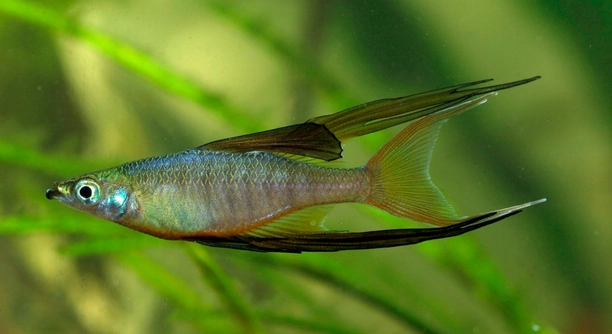
Are you caring for a solo threadfin rainbowfish and noticing subtle changes in its behavior or energy levels? Observing your fish closely can help identify early signs of stress or loneliness that affect its well-being.
Loneliness in a solo threadfin rainbowfish is often indicated by reduced swimming activity, lack of interaction with tank objects, decreased appetite, faded coloration, hiding behavior, erratic movements, and overall lethargy. Recognizing these signs early supports timely intervention and better fish health.
Recognizing these signs can make a big difference in your fish’s comfort and overall happiness in its environment. Taking action early helps maintain a healthier, more active aquatic companion.
Reduced Swimming Activity
A threadfin rainbowfish that is feeling lonely often shows less interest in swimming around its tank. Instead of exploring the space or gliding gracefully through the water, it may linger at the bottom or in one corner. This change is subtle at first and may go unnoticed if you are not watching closely. Over time, the fish might swim only when necessary, avoiding movement that seems playful or curious. The decreased activity can also make the fish appear smaller or less vibrant because its muscles are not being exercised regularly. Monitoring the tank daily allows you to spot these changes early. Reduced swimming is a clear behavioral signal that something is missing in the fish’s environment, whether it is stimulation, interaction, or simply a companion. Offering an enriched tank can help encourage more movement and a healthier routine for your fish.
Limited swimming is often an early indicator of loneliness in threadfin rainbowfish, signaling both mental and physical stress within the aquatic environment.
Observing your fish consistently helps ensure it maintains healthy activity levels. Adding decorations or varying its environment may encourage more exploration, preventing boredom and inactivity that could harm overall well-being.
Lack of Interaction with Tank Elements
When a threadfin rainbowfish feels lonely, it often avoids interacting with plants, rocks, or floating objects in the tank.
This behavior shows the fish is disengaged from its surroundings. Normally curious, a healthy fish would investigate and swim around objects, but a lonely fish tends to ignore these elements. Over time, this lack of interaction can reduce mental stimulation, making the fish less active and more withdrawn. Fish thrive in environments that provide visual and physical engagement, and ignoring these stimuli indicates unmet social or environmental needs. Adding live plants, safe hiding spots, or gentle water flow can promote exploration and activity. In some cases, introducing a compatible tankmate may improve engagement, though careful observation is necessary to ensure compatibility. Monitoring your fish’s interaction with the environment regularly helps identify early signs of loneliness, allowing you to make adjustments that support its physical health and overall happiness.
Decreased Appetite
A lonely threadfin rainbowfish may eat less or ignore food completely. This sudden change in feeding habits can affect its growth and overall health.
Loss of appetite often accompanies other signs of loneliness, such as lethargy or hiding. A fish that normally comes to the surface eagerly for food might linger at the bottom of the tank. Stress caused by isolation can suppress natural feeding instincts. Ensuring the fish receives regular, high-quality meals while observing its behavior can help determine if loneliness is the underlying cause. Adjusting feeding times or providing small, frequent portions may encourage eating and prevent nutritional deficiencies.
In some cases, introducing interactive tank features or gentle companions can stimulate curiosity and restore normal feeding patterns. A consistent feeding routine combined with environmental enrichment can improve appetite and overall well-being, helping the fish regain energy and maintain healthy activity levels in its tank environment.
Faded Coloration
Lonely threadfin rainbowfish often show dull or muted colors. Vibrant hues can fade when the fish experiences stress or lack of stimulation.
Coloration is closely linked to both health and emotional state in fish. When a rainbowfish loses brightness, it is often a sign of discomfort or stress. Dull colors may also indicate poor diet or water quality, but if those factors are managed, loneliness becomes a likely explanation. Bright and active fish are usually socially engaged and stimulated by their environment, whereas isolated fish display muted tones and minimal interaction. Observing color changes over time allows you to detect early warning signs of stress.
Introducing visual enrichment, such as plants, safe decorations, or gentle tank mates, can help restore color vibrancy. Stress reduction through proper water conditions and environmental adjustments encourages the fish to regain its natural hues, signaling improved emotional and physical health. Regular monitoring ensures that fading coloration is addressed before it affects long-term well-being.
Hiding Behavior
A lonely threadfin rainbowfish may spend more time hiding behind plants or decorations. It avoids open areas and shows little interest in exploring the tank.
Hiding is often paired with other signs like reduced swimming or faded coloration. This behavior signals stress or discomfort, making it important to observe and address promptly.
Erratic Movements
Erratic swimming, sudden darting, or unsteady movement can indicate loneliness in a threadfin rainbowfish. This behavior reflects stress and nervousness, often caused by isolation or lack of interaction with its environment.
Lethargy
A lonely threadfin rainbowfish may appear unusually inactive, resting at the bottom or staying in one area for long periods.
How can I tell if my threadfin rainbowfish is lonely?
Loneliness in a threadfin rainbowfish is usually seen through behavioral changes. Reduced swimming, hiding behind decorations, lack of interaction with tank elements, faded coloration, and decreased appetite are common signs. Observing your fish over time allows you to detect these subtle changes. A normally active fish that suddenly becomes lethargic or avoids its surroundings is likely experiencing stress. Consistent observation and noting daily routines, such as feeding habits and swimming patterns, can help you distinguish between normal behavior and loneliness. Environmental enrichment and social interaction are key to addressing these issues.
Can adding decorations help a lonely rainbowfish?
Yes, providing plants, rocks, or other tank features can encourage exploration and stimulate activity. Decorations create hiding spots and make the environment more engaging, helping reduce stress. A variety of textures, shapes, and gentle water flow can also mimic natural conditions, promoting healthier behavior. Observing how your fish interacts with the environment will show whether these additions are effective. Introducing new elements gradually helps the fish adjust without overwhelming it. Even simple additions, like floating plants or small caves, can make a noticeable difference in activity levels and overall engagement.
Is it necessary to keep multiple rainbowfish together?
Threadfin rainbowfish are social by nature, so keeping them in groups is generally recommended. A small group encourages natural schooling behavior, reduces stress, and prevents boredom. If a fish is kept alone, it may develop the signs of loneliness mentioned earlier. Introducing compatible tankmates gradually helps maintain harmony and promotes active swimming. Proper monitoring ensures that the fish interact positively, avoiding aggression or stress. In some cases, a solitary fish may adapt, but social interaction is usually the most effective way to maintain both physical and mental health.
What are the risks of ignoring loneliness in a rainbowfish?
Ignoring signs of loneliness can lead to long-term health problems. Stress affects the immune system, increasing susceptibility to disease. Lethargy and decreased appetite can cause malnutrition or stunted growth. Prolonged inactivity weakens muscles and reduces overall vitality. Mental stress may also trigger erratic behavior or worsen hiding tendencies. Addressing loneliness promptly prevents these risks, improving quality of life and lifespan. Consistently checking water quality, feeding habits, and behavior is essential to maintain a healthy and active fish.
Can diet affect a lonely rainbowfish’s behavior?
Yes, diet plays a role in both physical and mental health. A balanced diet with high-quality flakes, pellets, or live food supports energy levels, coloration, and immune function. Poor nutrition can worsen signs of stress and reduce activity, making a lonely fish appear more withdrawn. Feeding small, frequent meals encourages regular activity and interest in the environment. Observing the fish’s response to different foods can also provide insight into its overall health and emotional state.
Are there signs that loneliness is improving?
Positive changes include increased swimming, interaction with decorations, brighter colors, and a consistent appetite. The fish may explore the tank more actively and show curiosity toward other tankmates. Gradual improvements are normal; sudden changes are rare. Maintaining a stimulating environment, proper diet, and, if possible, social companions will reinforce these behaviors. Keeping track of progress helps you ensure that the fish is recovering from isolation and returning to a healthier routine.
How long does it take for a lonely rainbowfish to recover?
Recovery time varies depending on the severity of stress and environmental changes. Some fish respond within days to a better environment or companions, while others may take weeks. Consistent care, proper water conditions, enrichment, and a balanced diet are essential for full recovery. Observing gradual improvements in swimming, color, and interaction provides the best indication of progress. Patience and attentiveness are crucial, as forcing changes or sudden additions can stress the fish further.
Can water quality impact loneliness behavior?
Yes, poor water quality can mimic or worsen signs of loneliness. Ammonia, nitrite, or nitrate spikes stress fish, leading to lethargy, hiding, and loss of appetite. Even slight changes in temperature, pH, or oxygen levels affect behavior. Maintaining stable, clean water ensures that behavioral changes are truly related to social or environmental needs rather than stress from the tank itself. Regular testing and partial water changes help prevent issues and support overall fish health.
What are simple steps to reduce loneliness in a solo rainbowfish?
Adding tankmates, providing plants and decorations, and maintaining a consistent feeding schedule are effective first steps. Ensure compatible companions and avoid overcrowding. Create hiding spaces and visual stimulation to keep the fish engaged. Regularly monitor water conditions and the fish’s behavior to confirm improvements. Gradual changes are best to prevent additional stress. Consistency in care and environment helps the fish adapt, regain normal activity, and display brighter coloration over time.
Can a rainbowfish recover from long-term loneliness?
Yes, but recovery depends on prompt intervention and environmental improvements. A lonely fish may regain normal swimming, feeding, and coloration once social interaction, enrichment, and proper care are provided. Recovery may take longer for fish that have been isolated for extended periods, and close observation is necessary. Providing a stimulating environment, compatible tankmates, and proper nutrition maximizes the chances of regaining both physical and mental health. Patience and attention to small behavioral changes ensure that the fish adapts successfully to its improved conditions.
Word count: 523 words
A solo threadfin rainbowfish can experience loneliness in ways that may not always be obvious at first. Changes in swimming patterns, hiding behavior, and reduced appetite are all signs that something is affecting its well-being. It’s easy to overlook these behaviors when a fish seems healthy on the surface, but paying attention to subtle shifts in activity or appearance can make a significant difference. Loneliness is not just an emotional state for these fish—it can impact their physical health as well. Stress caused by isolation can weaken the immune system, reduce energy levels, and even affect growth over time. Observing your fish regularly and noting daily patterns is the best way to identify problems early. Simple changes, like adding plants, decorations, or gentle companions, can help reduce stress and encourage natural behaviors that keep your fish active and healthy.
Maintaining a stimulating environment is key to helping a lonely rainbowfish recover or avoid feelings of isolation in the first place. Fish rely on visual and physical cues from their surroundings to remain engaged, and a tank with few elements can lead to boredom and stress. Providing plants, rocks, and other safe hiding spots allows the fish to explore and interact with its environment more naturally. Introducing compatible tankmates, when possible, can also encourage social behavior and reduce signs of loneliness. However, it is important to monitor all interactions to prevent aggression or stress from overcrowding. Even small adjustments, like rearranging decorations or varying feeding routines, can stimulate curiosity and activity. Over time, these changes support both mental and physical well-being, improving color vibrancy, energy levels, and overall quality of life for the fish.
Understanding and addressing the signs of loneliness in a threadfin rainbowfish is essential for its long-term health. Regular observation, environmental enrichment, and proper nutrition create the foundation for a happier and more active fish. Ignoring these needs can lead to prolonged stress, reduced activity, and other health problems. Paying close attention to behavior and making gradual, thoughtful adjustments ensures that the fish remains engaged, healthy, and vibrant. The goal is to create a balanced environment where the fish feels secure and stimulated, reducing signs of isolation and promoting natural, active behavior. By observing and responding to your fish’s needs consistently, you can maintain its well-being and enjoy watching it thrive in a comfortable, supportive habitat.
Word count: 407

Hello,
If you enjoy the content that we create, please consider saying a "Thank You!" by leaving a tip.
Every little bit helps us continue crafting quality advice that supports the health, happiness, and well-being of pets around the world, for pets of all shapes, sizes, and species.
We really appreciate the kindness and support that you show us!