
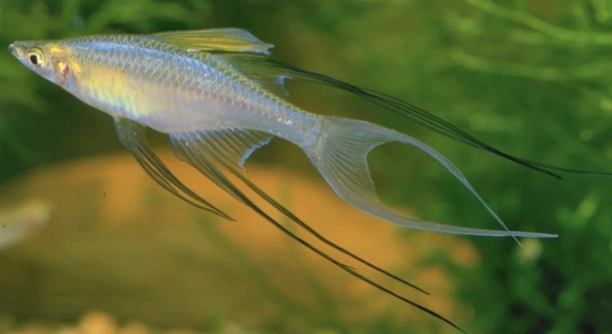
Threadfin Rainbowfish are peaceful and colorful fish that thrive in calm community tanks. They are sensitive to aggressive or overly large fish, which can stress them out and affect their health and behavior.
Certain fish species are incompatible with Threadfin Rainbowfish due to differences in temperament, size, and environmental needs. Aggressive, predatory, or fast-moving fish can cause stress, injury, and poor water quality, making them unsuitable tank mates for this species.
Choosing the wrong companions can lead to long-term problems, so understanding which fish to avoid is essential for maintaining a balanced tank.
Aggressive Cichlids
Aggressive cichlids are not a good match for Threadfin Rainbowfish. These fish are naturally territorial and can attack smaller, peaceful tank mates without warning. Even a single aggressive cichlid can dominate a tank, chasing the Rainbowfish and causing constant stress. Threadfin Rainbowfish are active but not confrontational, which makes them easy targets. Over time, constant harassment can lead to injury, stunted growth, and even death. Aggressive cichlids also tend to uproot plants and disturb tank decorations, which can further stress sensitive fish. Keeping these two types together almost always leads to conflicts, as cichlids do not adjust their behavior to the presence of smaller, peaceful species. It is better to choose calm, non-territorial species if you want a harmonious aquarium. Water conditions also play a role, as aggressive cichlids often prefer slightly different parameters, which may not suit Threadfin Rainbowfish. Avoiding aggression is key for maintaining a balanced, healthy tank.
Threadfin Rainbowfish need calm tank mates that will not chase or stress them.
Peaceful community fish, such as small tetras or rasboras, make much better companions. They swim in groups, keeping the tank lively without posing threats. A well-planned community tank allows Rainbowfish to thrive, display their colors fully, and maintain healthy behavior. Observing your fish without constant worry about fights makes aquarium keeping more enjoyable.
Large Predatory Fish
Large predatory fish are risky for a Threadfin Rainbowfish tank. Even if they do not attack immediately, their size and presence create constant stress for smaller fish. Rainbowfish may hide constantly, reducing their activity and appetite, which affects their overall health. Predatory fish can also consume eggs or juveniles, making breeding efforts impossible. Stress from nearby large fish can make Rainbowfish more prone to disease. It is important to match species not only by temperament but also by size to ensure a peaceful environment. Large predators may also require different feeding routines, water parameters, and tank setups, complicating care. Keeping these species together often leads to repeated losses and disappointment. Choosing compatible, smaller, non-threatening fish allows Threadfin Rainbowfish to flourish in a comfortable, safe tank environment, promoting natural behaviors, social swimming patterns, and vibrant coloration over time.
Avoiding large predators ensures Rainbowfish remain active and healthy in a stress-free tank.
Barbs
Barbs are often too aggressive and nippy for Threadfin Rainbowfish. They constantly chase other fish, which can stress Rainbowfish and damage their fins.
Barbs have a high energy level and tend to nip fins, which can leave Rainbowfish injured and stressed. Even when kept in groups, their behavior rarely calms down, making them unsuitable for peaceful community tanks. Threadfin Rainbowfish are delicate, and fin damage can lead to infections. Their stress levels increase when constantly harassed, affecting appetite and overall health. Choosing non-nippy species is better for maintaining harmony and long-term wellbeing.
Barbs also compete aggressively for food and space. In a shared tank, Rainbowfish may eat less or hide frequently. Over time, this can stunt growth and cause a duller coloration. Their natural swimming patterns are disrupted, and social behaviors may decline. Stress from barbs can make Rainbowfish more susceptible to illness. A tank designed for calm, slow-moving fish provides a safer, more stable environment for Rainbowfish, helping them thrive and display natural behaviors without constant pressure.
Large Goldfish
Large goldfish create problems due to their size and activity. They can accidentally injure Threadfin Rainbowfish during normal swimming.
Goldfish grow much bigger than Rainbowfish and produce a significant amount of waste, which impacts water quality. They are also very active, often disturbing plants and tank décor, creating a chaotic environment. Threadfin Rainbowfish prefer calmer waters, so goldfish can stress them. Goldfish are cold-water fish, while Rainbowfish need warmer tropical conditions, which makes cohabitation difficult. Even if sizes are managed, differing environmental needs create long-term health risks. Keeping Rainbowfish with smaller, peaceful species is safer and ensures stable tank conditions.
Additionally, goldfish can unintentionally consume eggs or fry during breeding attempts. They are omnivorous and may explore every part of the tank, disrupting settled areas. Their fast movements and foraging habits can frighten Rainbowfish, which rely on routine and calm surroundings. Over time, the combination of size, waste production, and activity level makes a goldfish incompatible with a peaceful Rainbowfish community. Choosing tank mates with similar environmental needs, temperament, and size allows Rainbowfish to grow, swim freely, and maintain vibrant coloration without unnecessary stress.
Bettas
Bettas are highly territorial and aggressive, especially toward fish with flowing fins like Threadfin Rainbowfish. Conflicts often lead to stress and injuries in smaller tank mates.
Even when a Betta appears calm, its presence can cause Rainbowfish to hide constantly. This reduces swimming, feeding, and natural behaviors, making them more prone to illness.
Tiger Barbs
Tiger Barbs are energetic and nippy, making them unsuitable for peaceful tanks. They chase and nip fins, which can injure Rainbowfish. Their constant movement creates stress, reducing appetite and vibrant coloration. Avoiding Tiger Barbs helps maintain a calm, safe environment where Rainbowfish can swim freely without fear or injury.
Redtail Shark
Redtail Sharks are territorial bottom dwellers. They may aggressively defend their space, harassing Rainbowfish that swim near the tank floor. This behavior can lead to stress, injuries, and disrupted tank dynamics, making them incompatible with the peaceful and social nature of Threadfin Rainbowfish.
FAQ
What types of fish are safest with Threadfin Rainbowfish?
Peaceful, small-to-medium-sized schooling fish are generally the safest. Species like small rasboras, tetras, and peaceful livebearers work well. These fish swim calmly, do not nip fins, and thrive in similar water conditions, which helps maintain a stress-free, healthy environment for Threadfin Rainbowfish.
Can Threadfin Rainbowfish live with goldfish?
No, goldfish are cold-water fish and grow much larger than Rainbowfish. Their high waste output and constant activity can stress Rainbowfish, affecting health and coloration. Water temperature differences also make cohabitation risky, so keeping them together is not recommended.
Are Barbs always a problem in a Rainbowfish tank?
Yes, most Barbs are nippy and aggressive, constantly chasing tank mates. This behavior damages fins and increases stress in Rainbowfish. Even if Barbs are kept in groups, they rarely stop fin-nipping, which makes them unsuitable companions.
Can I keep Betta fish with Threadfin Rainbowfish?
Bettas are highly territorial and can attack Rainbowfish, especially males or those with long fins. Even if the Betta seems calm, its presence may cause Rainbowfish to hide and reduce activity, which affects their overall health. Separate tanks are safer.
What about Redtail Sharks?
Redtail Sharks are territorial bottom dwellers. They defend their space aggressively, often harassing smaller Rainbowfish that swim near the substrate. This can cause injuries, stress, and disrupted swimming patterns. They are not recommended for peaceful community setups.
Do Large Predatory Fish pose long-term risks?
Yes. Large predatory fish create constant stress even without direct attacks. Their size, hunting instincts, and fast movements disturb Rainbowfish, reduce feeding, and increase susceptibility to disease. They may also consume eggs or fry, preventing successful breeding.
How do I ensure compatibility in a Threadfin Rainbowfish tank?
Choose fish with similar size, temperament, and water requirements. Avoid aggressive, nippy, or overly active species. Observe behavior closely during introductions, and provide plenty of hiding spots. Peaceful schooling fish promote a stable, healthy, and vibrant community environment.
Are there signs my Rainbowfish are stressed?
Yes. Stress signs include hiding, reduced swimming, loss of appetite, faded colors, and damaged fins. Constant harassment from tank mates, improper water conditions, or overcrowding often causes these behaviors. Addressing the source quickly helps prevent illness and promotes recovery.
Can I mix Threadfin Rainbowfish with other rainbowfish species?
Yes, but only with species that have similar size and temperament. Avoid larger or aggressive rainbowfish that could dominate or injure them. Mixing compatible rainbowfish can enhance schooling behavior and create a colorful, peaceful tank.
What tank features help reduce stress in mixed communities?
Provide plants, rocks, and driftwood to create hiding spaces and visual barriers. Proper filtration, regular water changes, and maintaining stable water parameters reduce stress. A well-structured tank allows Rainbowfish to swim freely while avoiding confrontations with more active or territorial tank mates.
Are there specific feeding considerations?
Yes. Avoid keeping Rainbowfish with fish that outcompete them for food. Feed small portions multiple times a day if necessary. Floating or slow-sinking foods help ensure Rainbowfish can access food without competition from faster, more aggressive tank mates.
Can stress from incompatible tank mates affect breeding?
Absolutely. Stress lowers Rainbowfish activity, reduces appetite, and can prevent spawning. Aggressive or large tank mates may eat eggs or fry, making breeding nearly impossible. Keeping a calm, compatible community is essential for successful reproduction.
Is it ever safe to introduce one aggressive species with Threadfin Rainbowfish?
In most cases, it is risky. Even one aggressive fish can create a tense environment, harming Rainbowfish health and behavior. Only extremely careful observation, a very large tank, and plenty of hiding spots might allow limited compatibility, but it is rarely worth the risk.
How can I maintain harmony long-term?
Regular observation, consistent water quality, proper stocking levels, and choosing compatible species are key. Removing aggressive fish promptly and providing enough space reduces stress. A calm, balanced tank promotes healthy growth, natural behaviors, and vibrant colors in Threadfin Rainbowfish.
Can juveniles handle slightly more active fish?
Juvenile Rainbowfish are even more vulnerable. Active or nippy fish can injure them quickly. It’s better to start with very peaceful species and introduce slightly faster swimmers gradually once Rainbowfish reach a more robust size.
What common mistakes lead to stress in Rainbowfish tanks?
Mixing aggressive or overly large fish, overcrowding, poor water quality, and insufficient hiding spots are the most common issues. Ignoring behavior changes or feeding problems also increases stress. Addressing these early ensures a thriving, harmonious aquarium environment.
Is it possible to rehabilitate a stressed Rainbowfish tank?
Yes, but it requires careful removal of aggressive fish, restoring water quality, and providing hiding areas. Monitoring Rainbowfish behavior and health closely during recovery is essential. Over time, calm companions and proper care allow Rainbowfish to regain color, activity, and confidence.
How do I know if a new species is safe?
Research temperament, size, water needs, and activity level. Introduce new fish slowly, monitor interactions closely, and provide plenty of hiding spots. Only compatible species that do not nip, chase, or stress Rainbowfish should be considered.
What is the best approach for beginners?
Start with small, peaceful schooling fish and avoid aggressive or predatory species. Maintain clean water, provide plants and decorations, and observe behavior daily. A cautious, informed approach ensures Rainbowfish thrive and the tank remains harmonious for years.
Final Thoughts
Keeping Threadfin Rainbowfish in a healthy, peaceful tank requires careful planning. These fish are naturally active and social, and they do best in calm community environments. Choosing the wrong tank mates can lead to constant stress, injuries, and even death. Aggressive, territorial, or overly large fish are not suitable because they disrupt the natural behavior of Rainbowfish and create tension in the tank. Even species that seem calm at first can act unpredictably, especially when establishing territory. By focusing on compatibility, you can prevent these problems and provide an environment where your Rainbowfish can swim freely, display their colors, and maintain healthy growth. Simple changes, like avoiding nippy barbs or large goldfish, make a significant difference in long-term health and happiness for your fish.
Maintaining proper water conditions and tank structure is equally important. Threadfin Rainbowfish thrive in well-filtered water with stable temperatures, pH levels, and regular maintenance. A tank with plenty of plants, hiding spots, and open swimming areas helps reduce stress and allows Rainbowfish to exhibit natural behavior. Observing interactions between tank mates is essential. Even small signs of stress, such as hiding, fin damage, or faded colors, should be addressed immediately. Sometimes, simply rearranging the tank, adding more hiding spots, or moving aggressive fish to a separate tank can restore peace. Ensuring that all tank mates share similar water and dietary needs also prevents unnecessary competition or health problems. Proper planning, attention to detail, and monitoring behavior are key to keeping a harmonious and balanced aquarium.
Patience and observation are vital for long-term success. Threadfin Rainbowfish are rewarding to keep because of their activity, social behavior, and vibrant colors, but they require a suitable environment. Avoiding incompatible species, maintaining water quality, and providing a well-structured tank ensures a stress-free home. Careful selection of peaceful schooling fish encourages natural swimming patterns and social interaction, which improves overall health. Over time, your Rainbowfish will grow, display their full color, and thrive in a safe, stable environment. Understanding their needs and respecting their temperament creates a more enjoyable experience for both the fish and the aquarist. A thoughtful approach helps prevent conflicts and ensures that your tank remains a lively, healthy, and visually appealing habitat for Threadfin Rainbowfish.

Hello,
If you enjoy the content that we create, please consider saying a "Thank You!" by leaving a tip.
Every little bit helps us continue crafting quality advice that supports the health, happiness, and well-being of pets around the world, for pets of all shapes, sizes, and species.
We really appreciate the kindness and support that you show us!