
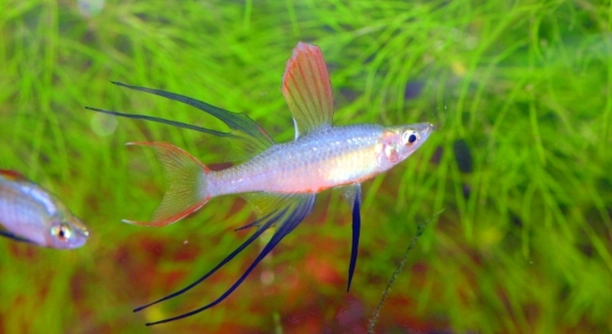
Tank setups can be tricky when trying to accommodate the unique behavior of threadfins. These fish have specific preferences for space, plants, and hiding areas, making it essential to plan an environment that encourages their natural activity.
Threadfins naturally gravitate toward tanks that provide open swimming areas combined with subtle structures, gentle water flow, and shaded zones. Including live plants, driftwood, and smooth rocks promotes exploration, reduces stress, and supports their innate schooling and foraging behaviors.
Creating a balanced tank environment benefits both the fish and the observer. These carefully arranged setups encourage healthy activity and visually engaging aquariums.
Open Swimming Zones
Threadfins thrive in tanks that give them ample room to move freely. Open areas without clutter allow them to swim in schools and maintain natural behavior. Leaving a central space clear while placing decorations along the edges can create a balanced environment. These fish also appreciate gentle water currents that mimic rivers or streams, helping them feel secure. Combining open space with resting spots near plants or driftwood supports both activity and relaxation. Observing how threadfins use these zones can guide future adjustments, ensuring the tank remains suitable as they grow. Avoid overcrowding with tall decorations or dense plant clusters that block movement. Small floating plants can add shade without restricting swimming, providing a sense of security. Lighting should be subtle, highlighting the tank’s features without stressing the fish. Monitoring behavior after changes helps determine if the setup meets their needs. Gradual adjustments keep the fish comfortable and reduce stress over time.
Open swimming zones encourage natural schooling behavior and reduce aggression among threadfins, promoting a healthier, calmer tank environment.
Regularly checking the tank ensures threadfins maintain consistent activity patterns. Maintaining clean water and observing swimming tendencies help identify potential issues early. Incorporating open zones and shaded areas together allows fish to alternate between active swimming and resting. Adjusting décor placement based on their movement enhances comfort and engagement. Over time, these subtle changes create a more dynamic, stable habitat that suits both the fish and their caretakers. Combining drifting plants, small rocks, and soft currents enriches the tank without restricting freedom. Noticing which areas fish frequent most can guide future tank modifications, creating a habitat that continues to feel natural. With careful planning, threadfins can thrive in an environment that balances open swimming and protective zones, improving overall health, growth, and behavior in captivity.
Subtle Structures and Hiding Spots
Adding driftwood, rocks, and plants gives threadfins places to hide and explore.
Hiding spots reduce stress by providing safe areas. Live plants and smooth rocks offer retreat spaces while enhancing the tank’s natural appearance. Threadfins often rest near these structures during the day.
Arranging structures along the tank perimeter creates a sense of security without limiting movement. Driftwood can serve as resting areas, while rocks offer visual barriers that reduce aggression among schooling fish. Plants should be positioned to allow passageways while creating shade. Threadfins interact with these features naturally, weaving through plants and resting under overhangs, which simulates their natural environment. Over time, they establish preferred zones, often returning to the same spots consistently. Choosing non-toxic materials ensures safety, and smooth surfaces prevent injuries during exploration. Observing how the fish engage with each structure helps refine placement. A mix of tall plants, low rocks, and horizontal driftwood gives variety, keeping the environment stimulating. Proper arrangement encourages active swimming, exploration, and periods of rest, supporting overall health and behavioral enrichment.
Gentle Water Flow
Threadfins respond well to a gentle current that mimics their natural habitat. Strong currents can cause stress, so a soft, consistent flow helps them swim comfortably and maintain natural patterns. Adjusting filter output or using flow diffusers ensures water movement stays gentle yet effective.
A gentle current encourages healthy activity without exhausting the fish. It supports natural swimming, keeps water oxygenated, and helps distribute food evenly. Positioning decorations and plants to break up the flow prevents turbulence, allowing threadfins to rest when needed. Observing how they move with the current provides insight into tank adjustments. Using a sponge filter or adding flow deflectors can create a smooth environment. Gradual increases in flow let the fish acclimate, reducing stress. The current should promote exploration without forcing fish into unnatural positions. Threadfins often gather in mid-water areas, adjusting speed according to flow. This balance encourages both activity and calm behavior, improving overall well-being.
Flow patterns influence feeding habits and resting areas. Even minor changes can shift how threadfins interact with their environment. Strategically placed plants or driftwood can redirect water movement, preventing stagnant areas and promoting circulation. Observing their preferred zones can guide future tank modifications. Smooth currents combined with open swimming space enhance both visual appeal and fish comfort. Threadfins adjust naturally to moderate flows, using sheltered areas during rest. Consistency in water movement reduces stress and supports a balanced ecosystem. Maintaining a gentle current is essential for overall health, ensuring fish remain active, engaged, and less prone to aggression or illness over time.
Lighting and Shaded Areas
Soft, consistent lighting helps threadfins feel secure. Overly bright tanks can cause stress, while shaded areas provide a comfortable retreat.
Shaded zones created by floating plants or strategically placed decorations reduce light intensity in certain areas. Threadfins naturally seek these spots for resting and hiding. A mix of light and shade promotes exploration while preventing overstimulation. Adjustable LED lights or timers can replicate day-night cycles, supporting natural behavior. Observing the fish reveals which areas they prefer for rest or activity. Gradually introducing new plants or décor ensures shaded spots remain effective without overcrowding. Layering plants of varying heights creates depth and interest. Threadfins often move between brighter open areas and dimmer zones, balancing activity with periods of rest. Maintaining consistent lighting schedules helps regulate feeding and sleep patterns, improving overall health. Shaded areas also protect delicate fins and reduce stress from sudden light changes. Proper placement of lights and shadows enhances both the aesthetic and functional aspects of the tank.
Substrate Choices
Threadfins prefer smooth, fine substrates that are gentle on their delicate fins. Sand or small, rounded gravel minimizes injuries and allows natural foraging behavior. Avoid sharp or coarse materials that can cause stress or physical damage.
A lighter-colored substrate reflects light, making fish colors more visible. It also helps in observing waste accumulation and maintaining cleanliness. Combining functionality with visual appeal ensures the tank remains both safe and attractive.
Plant Selection
Threadfins respond well to low and mid-height plants that provide hiding spots without blocking swimming space. Fast-growing species like hornwort or water wisteria offer cover while maintaining open zones for activity. Dense root systems also help stabilize substrate and maintain water quality.
Decorations and Ornaments
Using driftwood, rocks, and smooth ceramic structures offers resting and hiding areas. Arrange them along tank edges to maintain open swimming space, preventing overcrowding while enriching the environment.
FAQ
What size tank is best for threadfins?
Threadfins need space to swim in schools, so a tank of at least 50 gallons is recommended for a small group. Larger groups require bigger tanks to prevent stress and territorial behavior. Keeping sufficient open space ensures their natural activity and reduces aggression.
How many threadfins should be kept together?
Threadfins are schooling fish and do best in groups of at least five or six. Smaller numbers may result in timid behavior, while larger groups promote natural swimming patterns and social interaction. Observing their behavior can help determine if adjustments are needed.
What type of water conditions do threadfins prefer?
These fish thrive in soft to moderately hard water with a neutral pH around 6.5–7.5. Temperature should be stable between 72–78°F. Regular monitoring and consistent water changes prevent stress and disease, supporting healthy growth and activity levels.
Are threadfins compatible with other fish?
Threadfins are generally peaceful but can be stressed by aggressive or territorial tank mates. Small, non-aggressive species work best. Avoid large predatory fish, which may intimidate or harm them. Proper tank zoning with plants and decorations helps minimize conflicts and provides hiding areas.
What should threadfins eat?
Threadfins are omnivorous, enjoying a mix of high-quality flakes, pellets, and occasional live or frozen foods like brine shrimp or bloodworms. Feeding small amounts multiple times a day mimics natural foraging and reduces competition. Observing feeding behavior ensures all fish get enough nutrition.
How often should the tank be cleaned?
Perform partial water changes of 20–30% weekly to maintain water quality. Clean substrate, filter, and decorations as needed without disturbing beneficial bacteria. Regular monitoring keeps ammonia and nitrate levels low, reducing stress and promoting a healthy environment for threadfins.
Do threadfins require special lighting?
Moderate, consistent lighting is ideal. Threadfins appreciate shaded areas created with floating plants or décor. Sudden changes in light can cause stress, so gradual transitions and timers help simulate natural day-night cycles, supporting normal activity and feeding patterns.
How can I encourage natural behavior in threadfins?
Providing a combination of open swimming zones, gentle currents, shaded areas, and subtle structures allows threadfins to explore, rest, and school naturally. Observing their preferred spots helps optimize décor placement. Rotating plant arrangements or adding new hiding spots keeps the environment stimulating.
What signs indicate threadfins are stressed?
Stress signs include erratic swimming, hiding excessively, clamped fins, or reduced appetite. Water quality issues, overcrowding, or aggressive tank mates are common causes. Addressing the root problem promptly helps restore health and prevents long-term behavioral or physical problems.
Can threadfins reproduce in a home tank?
Reproduction is possible but challenging in standard home tanks. Threadfins require optimal water quality, temperature, and ample open space with hiding spots for fry. Most hobbyists focus on maintaining healthy adult groups rather than breeding, as success rates are low without controlled conditions.
How do I maintain a visually appealing yet functional tank?
Balance open swimming zones with structures like driftwood and rocks. Use low to mid-height plants to provide hiding spaces without obstructing movement. Substrate choice, gentle water flow, and shaded areas enhance both aesthetics and comfort. Observing fish behavior helps refine tank layout for long-term satisfaction.
Is it necessary to monitor water parameters daily?
Daily checks are not required for stable, established tanks, but regular monitoring of temperature, pH, and ammonia is important. Weekly water tests and adjustments prevent problems before they escalate. Consistency in care supports healthy, active threadfins and a balanced aquatic environment.
What common mistakes should be avoided?
Avoid overcrowding, abrupt water changes, and aggressive tank mates. Using sharp substrate or strong currents can injure threadfins. Excessive lighting or lack of shaded zones increases stress. Planning tank layout carefully and observing behavior prevents common issues and ensures long-term health.
Can threadfins live with plants that require strong light?
Yes, but ensure shaded areas remain accessible. Threadfins need low-stress zones even in brightly lit tanks. Using floating plants or décor to create dark areas allows fish to retreat and maintain comfort while plants thrive. Proper balance keeps both fish and plants healthy.
How long do threadfins typically live?
With proper care, threadfins can live 5–8 years in home aquariums. Maintaining water quality, balanced diet, and an enriched environment supports longevity. Regular observation and proactive adjustments contribute to a long, healthy life for these schooling fish.
What is the best way to acclimate new threadfins?
Float the bag in the tank for 15–20 minutes to equalize temperature. Gradually mix tank water into the bag over 30–60 minutes. Slowly releasing the fish prevents shock and allows them to adjust to new water chemistry and environment comfortably.
Can I use artificial plants instead of live plants?
Artificial plants work if they are smooth and do not have sharp edges. They provide hiding spaces but do not aid water quality like live plants. Combining both types can create an attractive, safe environment while minimizing maintenance.
How should I manage feeding in a community tank?
Feed small amounts several times daily. Observe threadfins and other fish to ensure everyone eats. Adjust quantities to prevent leftover food from polluting the water. Using sinking or floating foods helps accommodate fish feeding at different levels of the tank.
Are there specific decorations threadfins prefer?
Threadfins favor smooth driftwood, rounded rocks, and low to mid-height plants. Horizontal driftwood or gentle overhangs create resting zones. Avoid sharp, jagged decorations that can injure fins. Observing how fish interact with structures helps optimize placement for comfort and natural behavior.
How can I prevent aggression in threadfin groups?
Maintaining adequate open space, providing hiding spots, and keeping proper school sizes reduces aggression. Avoid mixing overly aggressive species in the same tank. Gradual introduction of new fish and careful observation of interactions keeps the community harmonious.
Do threadfins need supplemental vitamins or minerals?
High-quality commercial foods generally provide necessary nutrients. Occasional live or frozen foods add variety and trace elements. Over-supplementing is unnecessary and can affect water quality. Observing fish for signs of deficiency guides additional care.
How often should filters be cleaned?
Clean mechanical filter components monthly, but avoid disrupting beneficial bacteria. Rinse sponges or media in tank water, not tap water, to preserve microbes. Maintaining proper filtration ensures water clarity, oxygenation, and healthy living conditions for threadfins.
What are signs of healthy threadfins?
Active swimming, schooling behavior, vibrant coloration, and regular feeding indicate good health. Smooth fins and consistent interaction with their environment show comfort. Sudden changes in behavior, appetite, or appearance signal the need for water checks or tank adjustments.
Is it necessary to quarantine new fish before adding them?
Quarantine prevents disease introduction. New fish should be isolated for 2–3 weeks, observed for illness, and treated if needed. This step protects established threadfins and maintains a stable, healthy tank environment.
How do temperature fluctuations affect threadfins?
Sudden changes can cause stress, suppress appetite, and weaken immunity. Maintaining a stable 72–78°F range supports consistent behavior and growth. Using a reliable heater and thermometer helps prevent harmful fluctuations in the tank environment.
Can threadfins adapt to different water chemistries?
They tolerate minor variations but thrive in consistent, stable conditions. Abrupt changes in pH, hardness, or temperature can cause stress or illness. Gradual acclimation to new water helps fish adjust without compromising health.
What maintenance schedule ensures optimal conditions?
Weekly partial water changes, substrate cleaning, filter checks, and monitoring parameters are essential. Observing fish behavior and tank conditions regularly helps identify issues early, supporting long-term health and stability for threadfins.
Are threadfins suitable for beginner aquarists?
They are moderately challenging. Understanding school behavior, water quality needs, and tank layout is important. With attention to space, diet, and environment, they can thrive, but beginners should prepare for regular maintenance and careful observation.
How do I handle common illnesses?
Identify early signs like clamped fins, spots, or lethargy. Isolate affected fish and treat based on symptoms. Maintaining water quality and a stress-free environment helps prevent outbreaks. Consulting with a vet or trusted aquarium guide ensures appropriate treatment.
Can threadfins live with bottom-dwelling fish?
Yes, peaceful bottom dwellers complement open swimming threadfins. Ensure substrate is smooth and decorations allow both layers to coexist comfortably. Avoid aggressive bottom feeders that may compete for territory or disturb threadfins.
How much water circulation is ideal?
Moderate, even circulation keeps water oxygenated without creating strong currents. Threadfins need gentle flow for swimming without stress. Strategic placement of filters and flow deflectors ensures consistent movement throughout the tank.
What enrichment techniques keep threadfins active?
Adding varied structures, floating plants, and subtle current changes encourages exploration. Rotating decorations occasionally stimulates curiosity. Live or frozen foods offered in different tank areas mimic foraging and maintain natural behavior.
Are threadfins sensitive to noise or vibrations?
Yes, excessive vibrations or loud noises can stress fish. Keeping tanks in quiet, stable areas helps them remain calm and maintain regular swimming and feeding patterns. Minimizing disturbances supports long-term health.
How do I prevent overfeeding?
Feed small portions based on the number of fish and remove uneaten food promptly. Overfeeding pollutes water, encourages algae, and can cause health issues. Monitoring consumption ensures balanced nutrition.
Do threadfins require special water additives?
Regular water conditioners for chlorine and chloramine are sufficient. Minerals and electrolytes are generally unnecessary if using a balanced diet and stable water parameters. Avoid unnecessary additives that may disrupt tank balance.
What is the ideal tank layout for mixed species?
Open central swimming areas with perimeter structures and plants create zones for different fish. This arrangement reduces conflict, allows species-specific behavior, and provides shelter for timid fish while supporting school activity.
How long does it take for threadfins to acclimate to a new tank?
They usually adjust within a few days to a week. Providing gradual introductions, proper space, gentle flow, and shaded areas helps them settle comfortably and exhibit natural behavior sooner.
Can threadfins tolerate brackish water?
Some species tolerate slight brackish conditions, but most prefer freshwater. Gradual acclimation and monitoring of salinity levels are essential if experimenting with brackish environments. Stability remains key for health and activity.
What temperature fluctuations are acceptable?
Minor fluctuations of 1–2°F are manageable, but rapid changes should be avoided. Maintaining stable temperature promotes consistent feeding, activity, and immune function, reducing the risk of stress-related illnesses.
How do I introduce plants safely to a threadfin tank?
Rinse thoroughly to remove pests, trim dead leaves, and anchor properly. Smooth stems and leaves prevent injuries. Floating plants create shaded zones while rooted species add structure and water quality benefits.
What is the best way to monitor tank health?
Regular visual observation of fish behavior, plant condition, and water clarity, combined with weekly parameter testing, ensures early detection of problems. Keeping a log of changes helps track trends and maintain stability.
Do threadfins prefer specific feeding levels?
They feed primarily in mid-water and occasionally near the surface. Sinking or floating foods accommodate different feeding habits, ensuring all fish access nutrition while mimicking natural foraging patterns.
Are there signs of boredom in threadfins?
Reduced activity, repetitive swimming patterns, or hiding excessively may indicate lack of stimulation. Adding decorations, varied plants, and small currents can re-engage fish and support natural behavior.
Can threadfins coexist with shrimp or snails?
Yes, peaceful invertebrates like shrimp or snails usually coexist well. They help clean the tank, but ensure they are not small enough to be eaten and provide adequate hiding spots for all species.
How do I maintain clarity in a heavily planted tank?
Regular pruning, removing debris, and maintaining filtration help prevent cloudiness. Balancing plant growth with fish activity ensures water remains clear and healthy. Supplementary water changes remove excess nutrients and maintain overall quality.
What adjustments are needed for seasonal temperature changes?
Heaters or coolers may be required to maintain stable ranges. Gradual adjustments prevent stress. Monitoring daily during extreme weather ensures threadfins remain in comfortable conditions.
Do threadfins require specific tank shapes?
Longer tanks are preferred to allow horizontal swimming. Taller tanks may limit movement and cause stress. Balancing length with open swimming space and peripheral structures ensures optimal behavior and comfort.
How can I reduce algae growth in the tank?
Controlling lighting, maintaining water quality, and avoiding overfeeding limits algae. Live plants compete for nutrients and help naturally reduce growth. Manual removal as needed keeps the tank visually appealing.
Can threadfins recognize their caretakers?
They may respond to consistent feeding routines and movement outside the tank. While not affectionate like some species, they can show recognition through anticipation of feeding and regular activity patterns near the tank front.
Is a quarantine tank necessary for plants?
Yes, isolating new plants for a few days prevents pests or disease introduction. Observing them before adding to the main tank maintains a healthy environment for threadfins.
What’s the best method for removing uneaten food?
Use a siphon or net to remove leftovers promptly. Regularly cleaning prevents water quality issues, reduces algae growth, and keeps the tank safe for threadfins and other inhabitants.
How often should I rotate tank décor?
Rotation is optional but can stimulate exploration. Rearranging decorations every few months keeps the environment interesting and encourages natural behavior without causing stress.
Do threadfins need special quarantine procedures for new tank water?
Gradual acclimation to new water conditions is essential. Mixing tank water with new water over 30–60 minutes reduces stress and prevents sudden chemical or temperature shocks, ensuring smooth adjustment.
Can threadfins live in community tanks long-term?
Yes, with careful selection of compatible species, sufficient space, and well-planned décor. Regular observation ensures balance, reduces stress, and promotes healthy interactions among all tank inhabitants.
What are the most important factors for thriving threadfins?
Stable water conditions, gentle flow, open swimming space, shaded zones, proper diet, and minimal stress are key. Observing behavior and adjusting the tank setup as needed ensures threadfins remain healthy, active, and visually appealing over time.
How do I prevent fin damage?
Smooth substrates, rounded decorations, and gentle water flow minimize injuries. Avoid overcrowding and sharp objects. Monitoring behavior helps identify potential hazards, maintaining both safety and natural activity.
Can threadfins tolerate minor water chemistry changes?
Small, gradual changes are manageable, but abrupt shifts in pH, hardness, or temperature cause stress. Maintaining consistent conditions is essential for overall health and comfort.
What’s the ideal ratio of plants to open space?
A balance of roughly 60% open swimming space to 40% planted or structured zones works well. This arrangement supports natural behavior while providing shelter and shade without restricting movement.
Do threadfins benefit from periodic tank rearrangement?
Yes, minor adjustments can stimulate exploration and prevent boredom. Avoid frequent, drastic changes to reduce stress. Observing how fish respond guides future modifications.
How do I introduce new fish to an established threadfin group?
Quarantine new fish first, then slowly acclimate them using a divider or gradual release. Monitor interactions to ensure harmony and prevent stress or aggression within the school.
Can threadfins tolerate different lighting colors?
Natural or neutral lighting is best. Colored lights may alter appearance but can stress fish if too bright. Maintaining consistent intensity supports comfort and normal behavior.
How do I maintain stable pH levels?
Use buffering substrates, regular water changes, and tested water sources. Sudden chemical additions should be avoided. Gradual adjustments maintain stable conditions, supporting healthy threadfin behavior and long-term tank balance.
Are threadfins sensitive to tank vibrations?
Yes, excessive vibrations from tapping, moving furniture, or nearby equipment can stress them. Placing the tank on a stable surface in a quiet area promotes calm behavior and reduces the risk of injury or disease.
How often should I check water temperature?
Daily checks are ideal during seasonal changes, but a reliable heater and thermometer reduce the need for constant monitoring. Consistency ensures threadfins remain comfortable and active throughout the year.
What is the best way to introduce floating plants?
Place them gently on the water surface and allow them to settle. Avoid overcrowding, and monitor how threadfins interact with them to ensure they provide shade without blocking swimming space.
How can I prevent threadfins from becoming shy?
Maintain open areas, gentle flow, and shaded zones. Avoid aggressive tank mates. Gradually acclimating fish and providing a stable environment encourages confident, natural behavior and consistent activity.
Are there preferred areas in the tank for resting?
Threadfins often rest near mid-height plants, driftwood overhangs, or smooth rock ledges. Observing behavior helps determine optimal placement of these structures for comfort and security.
What’s the best method for feeding live foods?
Introduce small amounts gradually. Observe consumption to prevent leftovers. Live foods like brine shrimp stimulate natural foraging while providing nutritional variety.
Can threadfins tolerate moderate crowding?
Limited crowding can be managed with sufficient open space and hiding spots, but sustained overcrowding causes stress, aggression, and health issues. Proper tank size is crucial for long-term well-being.
How do I manage nitrate levels in a planted tank?
Regular water changes, live plants, and proper filtration help control nitrates. Avoid overfeeding and remove decaying plant matter promptly. Balanced management supports healthy threadfins and plant growth.
Are threadfins affected by strong magnetic fields or electronics?
High electromagnetic interference can occasionally disturb fish, causing stress. Keep the tank away from heavy electronics or large appliances when possible. Stable conditions maintain natural behavior and comfort.
Do threadfins prefer specific swimming heights?
They mainly occupy mid-water zones but may explore upper or lower regions depending on plants, current, and tank layout. Providing a variety of vertical spaces encourages natural movement patterns.
How do I prevent disease spread in a multi-tank setup?
Avoid sharing equipment without cleaning, quarantine new fish, and monitor each tank separately. Consistent hygiene practices and observation reduce the risk of cross-contamination.
What’s the ideal feeding frequency for threadfins?
Multiple small feedings per day, typically 2–3 times, maintain energy and mimic natural foraging habits. Overfeeding once a day can lead to water issues and uneven nutrition distribution.
How do I introduce new decorations safely?
Rinse thoroughly
Final Thoughts
Creating a suitable tank for threadfins requires careful planning and attention to detail. These fish thrive in environments that balance open swimming zones with shaded areas and subtle structures. Open spaces allow natural schooling and movement, while shaded areas and decorations offer resting spots and reduce stress. By arranging plants, driftwood, and rocks along the tank edges, you maintain swimming freedom without sacrificing shelter. Gentle water flow and moderate lighting further enhance comfort, promoting natural behavior and healthy activity. Observing how threadfins interact with their surroundings helps guide small adjustments over time, ensuring the tank continues to meet their needs as they grow.
Diet and feeding practices are equally important for maintaining healthy, active threadfins. Providing a varied diet of flakes, pellets, and occasional live or frozen foods ensures proper nutrition. Multiple small feedings throughout the day mimic natural foraging behavior and reduce competition within the school. Avoid overfeeding, as leftover food can pollute the water and lead to stress or illness. Regular monitoring of water parameters, such as temperature, pH, and hardness, supports a stable environment. Consistent maintenance, including partial water changes and filter care, prevents problems before they escalate. By combining thoughtful tank design with attentive care, you create an environment that supports both physical health and natural behavior for threadfins.
Patience and observation are key to achieving long-term success. Threadfins respond well to gradual changes, and sudden adjustments can cause stress. Watching their behavior provides insight into preferred swimming zones, hiding spots, and resting areas, helping refine tank layout. Balancing aesthetic appeal with functionality ensures both the fish and the environment remain healthy. Over time, maintaining open swimming areas, gentle currents, shaded regions, and proper décor fosters natural activity, reduces aggression, and promotes overall well-being. Prioritizing stable water conditions, consistent feeding, and a thoughtfully arranged tank creates a habitat in which threadfins can thrive for years. These small, deliberate efforts contribute to a visually appealing and comfortable aquarium, benefiting both the fish and the aquarist.

Hello,
If you enjoy the content that we create, please consider saying a "Thank You!" by leaving a tip.
Every little bit helps us continue crafting quality advice that supports the health, happiness, and well-being of pets around the world, for pets of all shapes, sizes, and species.
We really appreciate the kindness and support that you show us!