
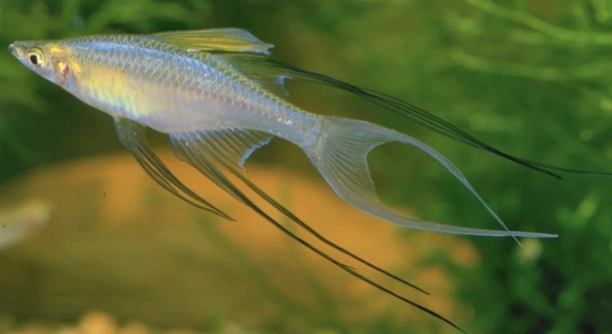
Threadfin rainbowfish are small, colorful freshwater fish often found in home aquariums. Their shimmering scales and graceful movements make them a delight to observe. These fish are sensitive to changes in their environment, responding quickly to sudden disturbances.
When a threadfin rainbowfish gets spooked, it exhibits a rapid, darting movement away from the perceived threat. This response is driven by a strong instinct for survival, helping the fish avoid predators. Such reactions may include sudden bursts of speed and tight schooling behavior.
Observing how they react provides insight into their natural instincts and helps create a calmer, safer aquarium environment. Proper understanding supports both their well-being and your enjoyment of their beauty.
Why Threadfin Rainbowfish Get Spooked
Threadfin rainbowfish are naturally alert and sensitive to movement or sudden changes around them. In an aquarium, even a slight shadow or rapid hand motion can trigger a startled reaction. Their bright, reflective scales make them highly visible, which increases their vulnerability in the wild. Sudden disturbances, including tapping on the glass, loud noises, or unexpected water movement, can also cause stress. Over time, repeated exposure to such stimuli may affect their health, reducing appetite or altering swimming patterns. It is important to understand their instincts and provide a stable, calm environment. Soft lighting, gentle water currents, and minimal abrupt interactions help the fish feel secure. Observing their responses closely allows for adjustments in tank setup and maintenance routines. By creating predictable conditions, you support both their natural behavior and overall well-being, ensuring they remain vibrant and active in your aquarium. Consistency is key to keeping them comfortable and stress-free.
Providing a calm environment reduces the frequency of spooking events and improves their overall health, behavior, and long-term adaptability in captivity.
Noticing subtle changes in behavior can help prevent stress. Regular feeding schedules, quiet maintenance, and gradual adjustments in tank decor allow threadfin rainbowfish to feel secure. Stress prevention is as much about observation as it is about proper care. Watching their body language and swimming patterns gives clues to comfort levels. Avoid sudden changes in water temperature, pH, or tank mates, as these can trigger flight responses. Creating hiding spaces with plants or decorations provides a safe retreat when they feel threatened. Over time, fish become accustomed to stable routines and fewer spooking incidents occur. Gentle interactions, including slow movements near the tank, help maintain a relaxed environment. This careful attention not only preserves their health but also strengthens your confidence in understanding their needs. Observing these patterns can also make feeding and tank maintenance smoother, reducing overall stress for both the fish and caretaker.
How to Minimize Spooking in Aquariums
Minimizing sudden movements around the tank reduces spooking and supports calmer behavior. Proper placement of equipment and soft lighting helps fish feel secure.
Creating an environment that reduces stress involves multiple strategies. Start by arranging the tank with plants, rocks, or decorations that offer hiding spots. These areas allow fish to retreat and regain composure when startled. Regular, gentle feeding routines create predictability, which reduces anxiety and promotes normal swimming behavior. Avoid tapping on the glass or abrupt changes in water flow, as these actions can provoke panic. Monitoring water quality is essential, as fluctuations in temperature, pH, or cleanliness may heighten sensitivity. Choosing compatible tank mates also helps maintain a calm environment, preventing territorial disputes or sudden chases. Gradually introducing changes, like new decor or equipment, allows rainbowfish to adjust without stress. Consistent lighting cycles, paired with periods of low disturbance, encourage natural behaviors and reduce flight responses. Overall, careful observation and proactive adjustments create a safer, more relaxed habitat. Over time, these measures result in healthier, more confident fish that display their colors and movement patterns fully.
Signs Your Threadfin Rainbowfish Is Stressed
Rapid darting, clamped fins, or hiding frequently are clear signs of stress in rainbowfish. These behaviors indicate they feel threatened or uncomfortable in their environment, signaling a need for changes in care or tank setup.
Consistent stress can affect appetite, growth, and immune function. Rainbowfish under pressure may stop eating or swim erratically, making them more susceptible to illness. Changes in coloration, such as duller or faded scales, often accompany prolonged stress. Observing their schooling patterns can also reveal discomfort; stressed fish may isolate themselves or act unusually aggressive. Maintaining stable water conditions, avoiding sudden disturbances, and providing plenty of hiding spots help mitigate these stress behaviors. Regular monitoring and gentle interaction ensure they remain healthy and active.
Addressing environmental stressors promptly improves well-being and reduces the likelihood of long-term health issues. Proper tank maintenance, compatible tank mates, and structured feeding routines foster a secure, stable environment. Consistency in care allows rainbowfish to display natural behaviors and vibrant colors. Minimizing stress also supports reproductive health and overall lifespan, making it easier to maintain a thriving aquarium. Recognizing stress signs early is key to providing a safe, comfortable habitat for these sensitive fish.
Creating a Safer Tank Environment
Soft lighting, stable water parameters, and gentle currents help maintain calm behavior in rainbowfish. Hiding places with plants or decorations are essential for comfort and security.
Consistently monitoring water quality prevents sudden shifts that could spook fish. Using a thermometer, pH test kits, and regular water changes keeps conditions stable. Avoid tapping the glass or sudden movements near the tank, which provoke rapid escape responses. Proper tank placement, away from high-traffic areas or loud noises, also reduces stress triggers. Introducing new decorations or fish gradually allows rainbowfish to adapt without panic. Regular feeding at predictable times creates familiarity and confidence. Observing fish behavior during routine care provides insight into comfort levels and possible environmental adjustments. Over time, these practices foster a secure, relaxed habitat where rainbowfish thrive and exhibit natural, healthy behaviors consistently.
Common Triggers for Spooking
Sudden movements near the tank, loud noises, and rapid changes in lighting often startle threadfin rainbowfish. Even minor disturbances can cause them to dart or hide, showing their natural instinct to avoid perceived threats.
Introducing new tank mates too quickly or rearranging decorations without gradual adjustment can also trigger stress. Consistency and a calm environment reduce these reactions, helping rainbowfish feel secure and behave naturally.
Adjusting Tank Setup
Positioning the aquarium away from high-traffic areas and using subdued lighting can prevent sudden startle responses. Adding plants and rocks provides shelter, letting rainbowfish retreat when they feel threatened. Smooth water flow and consistent temperature further reduce anxiety, creating a comfortable, predictable environment for daily activity.
Observing Recovery Patterns
After a spooking event, fish may hide or swim cautiously before returning to normal behavior. Monitoring these patterns helps identify stress levels and adapt care accordingly.
FAQ
What should I do immediately if my threadfin rainbowfish gets spooked?
Move slowly around the tank and avoid sudden movements or tapping the glass. Give the fish time to calm down and retreat to a hiding spot. Ensure the water conditions remain stable, and check that no other tank mates are chasing or stressing them. Maintaining a quiet environment helps them recover faster.
How can I tell if spooking has caused stress or injury?
Stress is usually indicated by clamped fins, hiding, or erratic swimming. Injuries may appear as torn fins, bruising, or unusual marks on their body. Observe carefully, as stress can reduce immunity and make minor injuries more serious if left unchecked.
Are some rainbowfish more prone to spooking than others?
Yes, younger fish and newly introduced rainbowfish tend to be more sensitive. Fish with bright coloration are also more alert due to their visibility. Gradual acclimation and consistent handling reduce their sensitivity over time.
Can the layout of the tank prevent spooking?
Absolutely. Providing hiding spots like plants, rocks, or decorations allows rainbowfish to feel secure. Open swimming areas should be balanced with shelter. Avoid rearranging decorations suddenly, as this can provoke sudden darting behavior and stress.
Do lighting changes affect their behavior?
Yes. Sudden bright lights or flashes can startle rainbowfish. Using soft, consistent lighting and gradual changes during tank maintenance reduces spooking events. Dimmed lights at night help them rest and recover.
How important is water quality in preventing spooking?
Very important. Sudden shifts in temperature, pH, or cleanliness can trigger stress responses. Regular testing and maintenance, including partial water changes, keep the environment stable and reduce the likelihood of sudden flight reactions.
Do tank mates influence spooking behavior?
Yes. Aggressive or overly active tank mates can provoke darting or hiding behavior. Keeping compatible species together and monitoring interactions ensures rainbowfish feel safe and reduces stress-induced spooking.
How long does it take for rainbowfish to calm down after being startled?
It varies. Some fish recover within minutes, while others may take hours to return to normal behavior. Providing a stable environment and avoiding repeated disturbances speeds recovery and encourages confidence.
Can I train my rainbowfish to be less sensitive to disturbances?
To an extent. Gentle, consistent handling and predictable routines help them adjust to normal aquarium activities. Over time, repeated exposure to low-level stimuli reduces overreaction, making them calmer during feeding or maintenance.
Is it normal for rainbowfish to hide after being spooked?
Yes, hiding is a natural defense mechanism. It allows the fish to feel secure until the perceived threat passes. Providing adequate shelter in the tank ensures they have safe spaces to retreat without additional stress.
Should I separate a spooked rainbowfish from the tank temporarily?
Generally, no. Separation can increase stress unless the fish is injured or being bullied by others. Focus on reducing environmental triggers and monitoring behavior while keeping them in their usual habitat for comfort and recovery.
How do I know if repeated spooking is affecting their long-term health?
Signs include reduced appetite, faded coloration, sluggish swimming, and increased susceptibility to disease. Persistent stress compromises immunity and growth. Adjusting the tank setup, maintaining consistent water conditions, and minimizing disturbances are essential for long-term well-being.
Can decorations or tank plants reduce spooking?
Yes. Strategically placed plants, rocks, or ornaments give rainbowfish places to hide and reduce stress. Dense areas near the edges of the tank combined with open swimming space in the center allow them to feel secure while maintaining natural activity.
Do rainbowfish get used to human presence?
Over time, yes. Slow, consistent movements around the tank, predictable feeding, and minimal disturbances help them become accustomed to human activity. They may even approach the front of the tank without displaying panic responses once trust and routine are established.
What is the best way to introduce new fish without causing stress?
Acclimate new fish slowly by floating them in a bag or using a drip acclimation method. Gradually mixing water from the main tank reduces sudden changes. Keep lighting soft and minimize disturbances during introduction to prevent startling resident rainbowfish.
Can external factors like room noise or vibrations trigger spooking?
Yes, loud music, vacuuming, or construction vibrations can startle rainbowfish. Placing the tank in a quieter, low-traffic area and providing hiding spots helps them feel secure and reduces stress-induced reactions.
How often should I observe rainbowfish for stress behaviors?
Daily observation is ideal. Short, consistent checks help detect early signs of stress, injury, or illness. Prompt action based on behavior allows adjustments to care routines, tank conditions, or social environment to maintain a healthy, calm aquarium.
Are there signs that indicate a rainbowfish is permanently stressed?
Persistent hiding, loss of color, refusal to eat, and lethargy over weeks can indicate chronic stress. Long-term stress affects immunity and overall health. Correcting environmental issues and monitoring interactions with tank mates can often restore well-being.
Do rainbowfish react differently in small tanks versus larger tanks?
Yes. Small tanks with limited hiding spots can amplify stress responses. Larger tanks with ample swimming space and shelters allow natural schooling behavior and reduce spooking incidents, improving overall comfort and health.
Can diet influence spooking behavior?
Indirectly. A well-fed, nutritious diet supports overall health and resilience. Fish that are underfed or nutritionally deficient may be more sensitive to disturbances and slower to recover from spooking events. Balanced feeding routines help maintain calm, active fish.
How can I track improvement in their behavior over time?
Keep a simple log of observed behaviors, noting any spooking events, hiding periods, or changes in appetite and coloration. Gradual reductions in stress responses indicate the tank environment and care practices are effective.
What is the main takeaway for preventing rainbowfish from being spooked?
Focus on stability: consistent water parameters, calm handling, soft lighting, compatible tank mates, and secure hiding spaces. Observing behavior regularly ensures a safe, low-stress environment where rainbowfish can thrive naturally.
This FAQ addresses practical strategies, observations, and adjustments to minimize spooking and promote the health and comfort of threadfin rainbowfish. Careful attention to environment and behavior keeps them active and vibrant in captivity.
Word count: 511
Final Thoughts
Threadfin rainbowfish are beautiful, active fish that bring life to any aquarium. Their vivid colors and energetic movements make them enjoyable to watch, but their sensitivity to sudden changes in the environment is an important aspect of their behavior. Understanding their natural instincts helps create a calm, secure habitat where they can thrive. Spooking is a common reaction, driven by their survival instincts, and it can occur even from minor disturbances such as shadows, vibrations, or quick movements near the tank. Recognizing these triggers and providing a stable environment reduces stress, allowing the fish to display their natural behavior more confidently. Careful observation and awareness are key to ensuring they remain healthy and vibrant over time.
Maintaining water quality, consistent feeding routines, and proper tank setup are essential in minimizing spooking incidents. Threadfin rainbowfish respond positively to stable conditions, hiding spots, and gentle, predictable interactions. Soft lighting, slow movements around the aquarium, and a balanced arrangement of decorations provide both comfort and security. Gradual introduction of new fish, changes in decor, or adjustments to water parameters further supports their ability to adapt without panic. Even small steps, like reducing loud noises or vibrations around the tank, contribute significantly to a calmer, healthier environment. When their needs are met and stressors minimized, rainbowfish can flourish, showing off their full range of colors, schooling behavior, and playful activity. Observing their behavior closely can guide adjustments in care, ensuring that spooking is minimized and recovery is quick when it does occur.
It is important to remember that spooking is a natural behavior rather than a sign of poor care. With attention to their environment and consistent care practices, rainbowfish can become accustomed to normal aquarium activity while remaining alert and healthy. Over time, patterns of behavior, reactions to disturbances, and preferred hiding spots become apparent, allowing for a more responsive and informed approach to their care. Providing a supportive habitat not only reduces stress but also enhances the overall enjoyment of keeping these fish. Regular monitoring, thoughtful adjustments, and respect for their natural instincts create a balanced aquarium where threadfin rainbowfish can live safely, energetically, and vibrantly. By focusing on stability, observation, and gentle interaction, it is possible to minimize spooking while fostering an environment that promotes long-term health, confidence, and well-being for these delicate and visually striking fish.
Word count: 410

Hello,
If you enjoy the content that we create, please consider saying a "Thank You!" by leaving a tip.
Every little bit helps us continue crafting quality advice that supports the health, happiness, and well-being of pets around the world, for pets of all shapes, sizes, and species.
We really appreciate the kindness and support that you show us!