
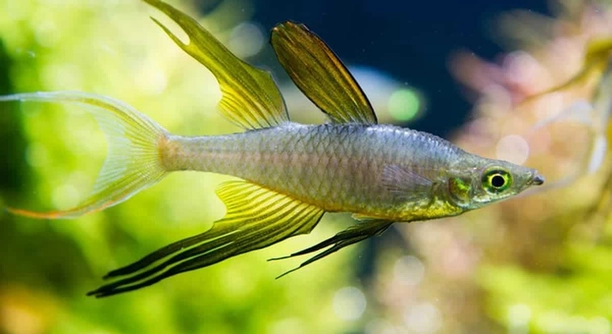
Do you ever find yourself struggling to feed your threadfins efficiently while keeping their environment clean and organized? Managing their feeding routine can be challenging without the right tools and setup in place.
Using specialized feeding tools for threadfins simplifies daily care and ensures optimal nutrition. Tools such as automatic feeders, measuring scoops, feeding rings, and secure food containers reduce waste, improve portion control, and support consistent feeding schedules for better health outcomes.
Exploring these tools can transform your threadfin care routine, making feeding easier, more efficient, and less stressful for both you and your fish.
Automatic Feeders
Automatic feeders take the guesswork out of daily feeding. They dispense precise amounts of food at set intervals, ensuring your threadfins receive consistent portions. This consistency helps prevent overfeeding, which can lead to water quality issues and health problems. These devices are especially useful for busy schedules, vacations, or simply maintaining a steady feeding routine. Many feeders come with programmable settings, allowing you to adjust the frequency and amount of feed to suit the needs of your fish. Using an automatic feeder also reduces the risk of sudden hunger spikes that can stress your threadfins, promoting calmer behavior. In addition, modern feeders are often designed to minimize spillage and mess, keeping tanks cleaner and reducing maintenance time. Some models even support multiple feed types, which can be beneficial for fish with varied dietary requirements. Integrating this tool into your care routine creates a more controlled and reliable feeding environment for your threadfins.
Automatic feeders save time while maintaining a consistent diet for your fish.
Choosing the right automatic feeder depends on the size of your tank, the type of food your threadfins prefer, and your feeding schedule. Some models use trays, while others employ a rotating drum or auger system to release food slowly. It’s important to regularly monitor the feeder for clogs or mechanical issues, as these can disrupt the feeding schedule. Placement also matters; the feeder should be positioned so that food reaches the water evenly without causing excessive splashing. For threadfins, feeding small amounts multiple times a day often mimics their natural eating habits. Pairing the feeder with a timer ensures that food is dispensed even when you are not present, maintaining a stable routine. Over time, this helps promote better digestion, growth, and overall health. Combining automatic feeders with observation and occasional manual feeding ensures your threadfins thrive and remain active, healthy, and well-nourished.
Feeding Rings
Feeding rings help keep food contained in a specific area of the tank, reducing waste and improving feeding efficiency.
These rings float on the water surface, holding pellets or flakes in a small zone. By concentrating food in one spot, threadfins can eat calmly without competing across the tank.
Using feeding rings also simplifies cleaning. Less scattered food means fewer particles sinking to the bottom and decomposing. This reduces ammonia spikes, benefiting both fish health and water quality. Rings come in different sizes, allowing you to match them to your tank and the number of fish. They are especially useful for tanks with surface feeders or fast-moving fish, as the ring slows food dispersion. Regularly rinsing the ring prevents buildup of residue and keeps it functioning effectively. For threadfins, this tool creates a focused feeding area, promoting better nutrition and reducing stress. Feeding rings are easy to incorporate into your routine and provide an organized, clean way to deliver food without extra effort.
Measuring Scoops
Measuring scoops ensure that each feeding portion is consistent, preventing overfeeding and underfeeding. They are simple tools that help control the amount of food dispensed into the tank, keeping your threadfins healthy and water clean.
Using a measuring scoop is straightforward. Choose a scoop size appropriate for your tank and the number of fish. Each scoop delivers a precise quantity of pellets or flakes, making it easier to follow feeding guidelines. Consistent portions help maintain proper nutrition and prevent leftover food from contaminating the water. Scoops can be especially useful when introducing new diets, as they allow careful control of intake. By tracking how much your threadfins consume daily, you can adjust the amount based on their appetite, growth, and activity levels. Regular use of a measuring scoop promotes healthy eating habits and reduces unnecessary waste, ensuring your tank remains balanced.
In addition, measuring scoops reduce stress during feeding. Fish often become competitive when food is unevenly distributed. By giving them measured amounts in predictable portions, feeding times become calmer and more structured. The tool is lightweight, easy to clean, and fits comfortably in one hand, making it convenient for daily use. It also helps when multiple fish species share a tank, allowing you to distribute food fairly. Over time, the controlled feeding routine improves overall fish behavior, water clarity, and tank hygiene. A simple scoop can make a significant difference in maintaining a healthy and orderly environment for threadfins.
Secure Food Containers
Secure food containers protect your fish food from moisture, pests, and contamination, keeping it fresh longer.
These containers come with airtight lids and durable materials to prevent spills and maintain food quality. Keeping pellets, flakes, or frozen options sealed ensures nutrients remain intact and ready for use. Consistently using secure containers also simplifies storage and organization, reducing clutter around your tank area.
Proper storage is essential for maintaining fish health. Exposure to air and humidity can cause food to degrade, leading to nutrient loss and potential spoilage. Secure containers prevent this by maintaining a dry, stable environment. They are available in various sizes to match the quantity of food you purchase and the feeding schedule you maintain. Some containers even have built-in measuring features, making portion control more convenient. Using dedicated, airtight containers reduces the need for frequent repackaging and minimizes accidental contamination from water or other substances. By combining secure storage with measured portions, feeding becomes more efficient, consistent, and reliable. Properly stored food ensures your threadfins receive optimal nutrition, supporting growth and vitality over time.
Feeding Tongs
Feeding tongs allow precise delivery of food directly to your threadfins, reducing waste and minimizing contamination. They are especially useful for live or frozen foods that need careful handling.
Using tongs helps you control the placement of each piece of food. Fish can be fed individually, ensuring even the shyest or slower threadfins receive nutrition without competition from others.
Portion Control Trays
Portion control trays help divide food into measured sections for daily feeding. They make it easier to maintain consistent amounts and prevent overfeeding.
These trays are simple to use and can hold different types of food at once. They are practical for monitoring intake and adjusting portions according to fish behavior, appetite, and tank population. Proper use ensures threadfins receive a balanced diet while keeping the tank cleaner and reducing leftover waste. Consistency in feeding improves fish health, growth, and overall activity, making portion control trays a reliable tool in daily maintenance.
Feeding Funnels
Feeding funnels guide food directly into the tank without spillage. They are particularly effective for small or powdered foods.
Food Scoops with Lids
Food scoops with lids combine portion control and storage convenience. They keep food fresh while allowing precise measurement for each feeding.
FAQ
What is the best type of feeder for threadfins?
The best feeder depends on your schedule and tank setup. Automatic feeders are ideal for consistent daily feeding, especially if you are busy or away from home. Manual tools like measuring scoops or feeding tongs provide more control over portions and allow targeted feeding for individual fish. Combining these tools often yields the best results for maintaining health and reducing waste.
How often should I feed threadfins?
Threadfins generally benefit from multiple small feedings throughout the day. Feeding two to three times daily helps mimic natural grazing behavior and prevents overfeeding. Using portion control tools ensures that each feeding is appropriate for the number and size of your fish. Adjust amounts based on activity, growth, and appetite to maintain optimal health.
Can feeding rings reduce stress in the tank?
Yes, feeding rings can help calm fish during feeding. By concentrating food in one area, fish do not compete as aggressively for scattered pellets or flakes. This reduces stress, prevents chasing, and allows slower or shy fish to access food more easily, promoting healthier feeding habits.
Are airtight containers necessary for storing fish food?
Airtight containers are highly recommended to maintain food quality. Exposure to moisture or air can degrade nutrients, causing pellets or flakes to lose their effectiveness. Secure storage also protects against pests and accidental contamination, ensuring your threadfins always receive fresh, nutritious food.
How do I prevent overfeeding with automatic feeders?
Overfeeding can be prevented by programming the feeder with precise portions. Many automatic feeders allow adjustments for the size and number of fish. Combining the feeder with a measuring scoop or portion control tray ensures that the amount dispensed matches your fish’s dietary needs, avoiding leftover food that can pollute the tank.
Is it necessary to clean feeding tools regularly?
Yes, regular cleaning is important. Residue from pellets, flakes, or frozen foods can build up on tongs, scoops, or feeding rings, creating bacteria or mold. Rinsing tools after each use ensures that food remains safe and the tank environment stays clean and healthy for your threadfins.
Can these tools help with introducing new food types?
Absolutely. Tools like feeding tongs or portion control trays make it easier to gradually introduce new food. You can feed small amounts in a controlled way, allowing fish to adapt to the new diet without waste or sudden disruption. This method supports acceptance of varied diets and proper nutrition.
Do these feeding tools work for all types of threadfins?
Yes, most tools are suitable for different species and sizes of threadfins. Adjust the portion sizes and feeding frequency according to the specific needs of your fish. Smaller threadfins may need finer control, such as tongs or scoops for small pellets, while larger fish can handle standard feeders and portion trays.
How do I choose the right size feeding ring or scoop?
Choose a size that matches your tank and the number of fish. Too small may lead to overcrowding, while too large can allow food to disperse unnecessarily. Measuring scoops should correspond to daily feeding amounts to prevent overfeeding. Adjust as your fish grow to maintain efficient feeding routines.
Can these tools help maintain tank water quality?
Yes, controlling portions and placement of food reduces uneaten particles that decompose in the tank. Feeding rings, portion trays, and precise scoops keep food contained, preventing excess waste. Automatic feeders reduce sudden surges of food, all of which contribute to cleaner water and a healthier environment for your threadfins.
Are there tools suitable for frozen or live food?
Feeding tongs and some portion trays are best for frozen or live foods. They allow careful placement and prevent contamination. Automatic feeders are generally more suited to dry pellets or flakes but can sometimes handle freeze-dried options. Matching the tool to the food type ensures proper nutrition and minimal mess.
How do I combine multiple feeding tools effectively?
Combining tools provides better control and convenience. For example, use an automatic feeder for consistent daily portions, a measuring scoop to adjust amounts when needed, and a feeding ring to reduce scattered food. This combination maintains healthy feeding habits, minimizes waste, and keeps the tank cleaner.
Can feeding tools improve fish behavior?
Yes, structured feeding reduces aggression and stress. Fish become accustomed to predictable feeding times and portions, which encourages calmer interactions. Slow or shy threadfins benefit most, as they can eat without constant competition, leading to healthier and more balanced tank dynamics.
What maintenance is needed for automatic feeders?
Automatic feeders require occasional cleaning and inspection. Check for clogs, battery life, and correct timing. Residue from food can accumulate, so rinsing or wiping parts ensures consistent operation. Proper maintenance prevents disruptions in feeding schedules and keeps fish healthy.
Are portion control trays reusable?
Yes, they are reusable and easy to clean. Wash after each feeding to remove leftover food or residue. Reusing trays saves money and ensures consistent portioning while keeping the tank area hygienic.
Do these tools work for community tanks?
They do, but adjustments may be needed. Community tanks with multiple species require careful portioning and placement to ensure all fish receive food. Feeding rings, tongs, and scoops can target specific areas or individuals, helping maintain fairness and proper nutrition for all inhabitants.
How do I monitor effectiveness of feeding tools?
Observe fish behavior, growth, and leftover food. Fish should eat efficiently, show healthy growth, and maintain vibrant activity. Minimal leftover food and stable water quality indicate that tools are being used effectively, ensuring threadfins remain well-nourished and the tank stays clean.
Final Thoughts
Feeding threadfins can be much easier and more efficient with the right tools. Each tool has a specific purpose that helps make daily care simpler. Automatic feeders ensure consistent portions even when schedules are busy, while measuring scoops provide precise control over food amounts. Feeding rings concentrate food in one area, reducing mess and stress among fish. Tongs allow targeted feeding, especially for live or frozen foods, and secure food containers keep nutrition intact. Portion control trays help divide food into manageable servings, making it easier to monitor intake and avoid overfeeding. By using these tools together, daily routines become more organized, and fish health improves through consistent and controlled feeding practices.
In addition to making feeding easier, these tools also support better water quality and tank maintenance. Overfeeding is one of the main causes of poor water conditions, as uneaten food can decompose and raise ammonia levels. Containing food in specific areas or controlling portions helps prevent this issue. Tools like feeding rings and trays limit the spread of food, while measuring scoops and automatic feeders allow accurate amounts to be delivered. Even cleaning and maintaining these tools is simple, requiring only regular rinsing to prevent buildup. Consistent use of proper feeding tools also encourages calmer fish behavior, as competition over scattered food decreases. This contributes to a healthier and more stable tank environment for all your threadfins.
Overall, investing time in using the right feeding tools pays off in both convenience and fish well-being. Each tool addresses a specific challenge in feeding management, from portion control and food placement to storage and water quality. By combining multiple tools, it is possible to create a reliable and consistent feeding routine that fits your schedule while supporting optimal nutrition for your fish. Regular observation and adjustment based on fish behavior and tank conditions ensure that your feeding practices remain effective. Adopting these tools not only makes the task easier for you but also promotes long-term health and vitality for your threadfins, making daily care less stressful and more efficient.

Hello,
If you enjoy the content that we create, please consider saying a "Thank You!" by leaving a tip.
Every little bit helps us continue crafting quality advice that supports the health, happiness, and well-being of pets around the world, for pets of all shapes, sizes, and species.
We really appreciate the kindness and support that you show us!