
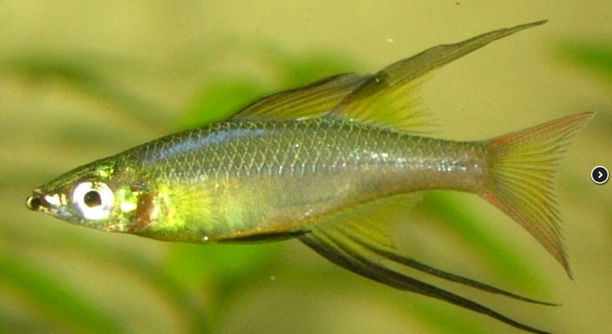
Threadfins are graceful fish that bring life and movement to a tank. Observing their behavior and environment can help owners understand how comfortable and secure these fish feel. Awareness of their well-being is important for any aquarist.
Threadfins exhibit security through consistent swimming patterns, regular feeding behavior, and minimal signs of stress. A stable environment with proper water parameters and adequate hiding spaces contributes significantly to their sense of safety and overall health in captivity.
Recognizing these signs allows aquarists to make informed changes that support their threadfins’ comfort. Small adjustments can lead to a more balanced and peaceful tank environment.
Observing Swimming Patterns
Threadfins that feel secure tend to swim smoothly and confidently around the tank. They often maintain a steady pace and explore open spaces without hesitation. Erratic or sudden darting usually signals stress or discomfort. Calm, continuous movement shows that the fish has adjusted to its surroundings. Owners should note the locations the threadfins prefer, whether near plants, rocks, or open water, as these choices reflect comfort levels. The absence of frequent hiding or abrupt retreats often means the tank environment meets their needs. Lighting, water flow, and temperature also play roles in shaping behavior. Monitoring daily swimming patterns helps identify changes in mood or health. Subtle shifts, like lingering near the surface or sticking close to the substrate, can indicate early signs of stress. By keeping a log of movements, owners can track patterns over time. These observations form a foundation for providing an environment where threadfins feel safe and confident.
Steady swimming and confident exploration are clear indicators of a secure threadfin. Observing these behaviors helps maintain a stable and supportive tank environment.
Keeping track of swimming habits over weeks allows subtle changes to be noticed. This attention ensures the fish remain comfortable and stress-free.
Feeding Behavior
Threadfins that feel safe show consistent feeding behavior. They approach food promptly and consume it without hesitation. A secure fish rarely shows signs of reluctance or hiding during feeding times.
Consistent feeding routines reinforce security. When the tank environment is stable and the fish trust the surroundings, they develop predictable eating patterns, which are easier to monitor. Proper nutrition supports their health and reduces stress-related behaviors. Sudden changes in appetite often indicate discomfort or water quality issues. Observing not just quantity but also enthusiasm for food can reveal their comfort levels. Introducing food at regular intervals builds a sense of safety, as threadfins learn to anticipate nourishment without threat. Attention to diet variety is important; providing occasional live or frozen food can stimulate natural foraging behaviors. When fish are confident enough to eat openly, it reflects trust in both their environment and their caretaker. Maintaining cleanliness, avoiding overcrowding, and keeping water parameters stable contribute directly to secure feeding behavior. Monitoring these signs allows owners to take quick action if a threadfin’s routine changes.
Use of Hiding Spots
Threadfins that feel secure often use hiding spots selectively. They retreat briefly but return to open areas quickly. Excessive hiding usually signals stress or discomfort. Proper placement of plants and decorations helps balance privacy and visibility, supporting a safe environment for them.
Providing adequate hiding spots allows threadfins to regulate their stress levels. They often choose areas near rocks, plants, or tank corners to rest or escape sudden disturbances. When these spots are well-placed, fish feel in control of their surroundings. Overcrowded or poorly arranged tanks can make hiding areas inaccessible, which may increase anxiety and reduce visible activity. Observing how often threadfins retreat and where they choose to hide offers insight into their comfort. Over time, this can guide adjustments in decoration placement, ensuring that the tank meets both aesthetic and practical needs. A secure threadfin balances exploration and retreat naturally.
When hiding spots are used appropriately, it signals trust in the tank environment. Consistent observation helps ensure the balance between safety and activity.
Interaction with Tank Mates
Threadfins that feel secure interact calmly with other fish. They show neither excessive aggression nor avoidance. Peaceful coexistence indicates that the tank setup and population levels are suitable for all species.
Calm interactions reduce stress and support overall health. Threadfins establish social boundaries without confrontation when they feel safe. Observing how they approach, swim alongside, or briefly avoid other fish provides valuable clues about comfort. Overly timid or aggressive behavior can indicate environmental or social stress. By monitoring these dynamics, owners can make informed adjustments to tank population, layout, or hiding spots. Proper spacing, consistent feeding, and maintaining water quality help minimize conflict and promote secure behavior. Threadfins are naturally social yet cautious; their interactions reflect a delicate balance between confidence and vigilance. Understanding these behaviors supports long-term harmony and reduces the risk of stress-related illness.
Response to Environmental Changes
Threadfins that feel secure adjust smoothly to minor changes in their tank. Slight shifts in lighting or water flow do not cause panic. This adaptability reflects confidence in their surroundings and stability in the environment.
Secure threadfins explore calmly even when new objects or plants are introduced. They may approach or investigate slowly but do not hide for long periods. Quick recovery from brief disturbances shows trust in the habitat. Observing reactions to small environmental changes helps gauge comfort and readiness for adjustments. Consistent routines, stable water conditions, and minimal sudden disruptions all support this sense of security. Fish that tolerate minor changes without stress are more likely to thrive and maintain healthy behaviors.
Activity Levels
Active threadfins that feel secure maintain regular movement throughout the day. Lethargy or unusual bursts of speed can indicate discomfort or stress.
Coloration and Appearance
Healthy threadfins display consistent, vibrant colors. Fading, dullness, or unusual markings can signal stress, illness, or poor water conditions. Monitoring these visual cues is essential for assessing their well-being.
FAQ
How can I tell if my threadfins are stressed?
Signs of stress in threadfins include hiding excessively, erratic swimming, loss of appetite, or sudden changes in color. Stressed fish may also cling to the edges of the tank or remain motionless for long periods. Observing their daily behavior consistently helps identify early signs of stress.
What are the best hiding spots for threadfins?
Threadfins feel secure with a mix of plants, rocks, and small caves. Tall plants provide vertical cover, while rocks and driftwood offer low-level retreat spaces. Arranging these thoughtfully allows the fish to explore while having quick access to safe areas, reducing overall stress.
How often should I feed my threadfins?
Threadfins generally do well with two to three small feedings per day. Consistent feeding times help them feel secure. Variety in diet, including flakes, pellets, or occasional live or frozen foods, supports health and encourages natural foraging behaviors.
Can I keep threadfins with other fish?
Yes, threadfins can coexist with peaceful tank mates. Aggressive or territorial species should be avoided. Observing their interactions over several days is important to ensure calm behavior and prevent stress. Proper tank size and hiding spots help maintain harmony among all fish.
How do water conditions affect threadfin security?
Stable water parameters are critical. Sudden changes in temperature, pH, or ammonia levels cause stress and impact health. Regular testing, partial water changes, and maintaining proper filtration keep the environment consistent, allowing threadfins to feel safe and behave naturally.
What is normal swimming behavior for secure threadfins?
Secure threadfins swim smoothly, exploring open areas while occasionally visiting hiding spots. Erratic bursts or constant hiding indicate discomfort. Daily observation of their movement patterns provides insight into their confidence and well-being in the tank.
Why does my threadfin sometimes avoid food?
Temporary avoidance can happen if water parameters fluctuate, the tank is overcrowded, or if the fish feels threatened. Consistent monitoring and maintaining a calm environment usually restore normal feeding behavior. Introducing food gradually and in familiar locations helps encourage eating.
How do I encourage my threadfins to feel secure?
Provide stable water conditions, proper hiding spots, and a consistent feeding schedule. Avoid sudden changes in lighting, decorations, or tank mates. Spending time observing their behavior without disturbing them helps the fish build trust in their environment.
What are signs of illness versus insecurity?
Insecure threadfins may hide or avoid activity but maintain normal coloration and appetite. Illness often includes faded colors, torn fins, labored breathing, or physical lesions. Careful observation and water testing help distinguish between stress and health issues, allowing timely intervention.
Can adding plants or decorations make threadfins feel safer?
Yes, thoughtful additions can enhance security. Plants and structures provide shelter and visual barriers, reducing stress from tank mates or external disturbances. Avoid overcrowding to maintain swimming space and prevent territorial disputes. Observing how fish interact with new elements helps ensure they feel comfortable.
How long does it take for threadfins to feel secure in a new tank?
Adjustment time varies but generally ranges from a few days to several weeks. Factors include tank size, water stability, presence of hiding spots, and interactions with other fish. Patience and monitoring behavior are key to helping them acclimate successfully.
Is it normal for threadfins to hide at night?
Yes, brief periods of hiding or resting are normal, especially during low light. Nighttime retreats allow threadfins to feel safe while resting. Continuous observation helps differentiate between normal nocturnal behavior and stress-related hiding.
How can I tell if my threadfins enjoy their environment?
Signs of enjoyment include regular swimming, confident exploration, responsive feeding, and calm interactions with tank mates. Bright coloration and consistent energy levels also indicate that they feel safe and comfortable in their habitat.
What should I do if my threadfins are constantly hiding?
Evaluate water quality, tank size, and environmental stressors. Ensure hiding spots are adequate but not overcrowded. Introduce changes gradually and maintain a consistent feeding routine. Persistent hiding may indicate stress or illness, so careful observation and appropriate adjustments are essential.
Are threadfins sensitive to noise or vibrations?
Yes, loud noises or frequent vibrations can startle them. Placing the tank in a low-traffic area and minimizing sudden movements or tapping on the glass helps them feel secure and reduces stress-related behaviors.
How important is tank size for threadfin security?
Sufficient swimming space is crucial. Overcrowded tanks increase stress and limit access to hiding spots. A properly sized tank allows natural swimming patterns, reduces aggression, and promotes overall comfort and security for threadfins.
Can lighting affect their sense of security?
Yes, bright or fluctuating lighting can stress threadfins. Gradual transitions and a consistent day-night cycle help them adjust naturally. Providing shaded areas with plants or décor enhances comfort and encourages natural behavior.
What role does temperature play in threadfin behavior?
Stable temperature within the species’ preferred range is essential. Sudden drops or spikes cause stress and may affect appetite or swimming. Using a reliable heater or thermometer ensures consistent conditions, supporting secure behavior and healthy activity levels.
How do I know if my tank setup is adequate?
Observe swimming patterns, feeding behavior, interactions, and use of hiding spots. Consistent, calm behavior with minimal stress signs indicates an effective setup. Adjustments may be needed if the fish exhibit hiding, aggression, or irregular movements. Proper filtration, decorations, and water parameters are key factors.
Can I use multiple types of food to improve security?
Yes, varying diet supports natural foraging behavior and reduces stress. Offering flakes, pellets, and occasional live or frozen foods encourages activity and engagement, contributing to a sense of safety and overall well-being.
How often should I monitor their behavior?
Daily observation is ideal. Regular monitoring helps detect early signs of stress or illness. Keeping notes on swimming, feeding, coloration, and interactions provides insight into their comfort and helps maintain a stable, secure tank environment.
What should I avoid to keep threadfins secure?
Avoid sudden changes in water parameters, overcrowding, aggressive tank mates, and excessive tapping or noise. Consistency in feeding, lighting, and tank maintenance promotes confidence and reduces stress. Thoughtful care ensures threadfins feel safe and thrive in captivity.
How can I tell if my threadfins are confident around humans?
Confident threadfins may swim near the glass during feeding or respond calmly to movement outside the tank. They explore freely without hiding, reflecting trust in their environment and the caretaker’s presence.
Do threadfins need companions to feel secure?
Some threadfins benefit from social interaction with compatible tank mates, which can reduce stress. Careful selection of peaceful species ensures safety and promotes natural schooling or social behaviors without aggression.
Can environmental enrichment help threadfins feel safe?
Yes, adding plants, rocks, or varied substrates encourages exploration and natural behaviors. Structured spaces provide security and reduce boredom. Enrichment should balance activity areas with accessible hiding spots to maintain confidence.
What immediate steps help a stressed threadfin?
Check water quality, temperature, and tank layout. Reduce disturbances, provide hiding spots, and maintain consistent feeding. Observing responses to adjustments helps restore a sense of security quickly.
Are threadfins affected by other pets in the home?
Yes, vibrations or sudden movements from pets can stress them. Positioning the tank in a quiet area and minimizing external disruptions help threadfins feel secure and maintain normal behavior.
How do I know if my threadfins are thriving?
Thriving threadfins display bright colors, regular swimming, active feeding, and calm interactions. Balanced energy levels, consistent growth, and healthy appearance are reliable indicators of a secure and well-maintained environment.
What should I do if I notice unusual behavior?
Investigate water parameters, tank setup, and interactions with other fish. Gradual adjustments and close monitoring often resolve minor issues. Persistent problems may require consultation with a professional or experienced aquarist to ensure well-being.
How can I track long-term security in my tank?
Maintain a log of swimming patterns, feeding habits, coloration, and interactions. Recording changes over time helps identify trends, address stressors early, and create a consistently safe and comfortable environment for threadfins.
Can stress affect coloration in threadfins?
Yes, stress often causes fading or dull colors. Persistent color changes may indicate environmental issues or illness. Monitoring color alongside behavior provides valuable insight into overall security and health.
Is regular tank maintenance necessary for security?
Absolutely. Routine water changes, filter cleaning, and substrate maintenance prevent stress and maintain stable conditions. Consistency in upkeep directly contributes to a secure and healthy environment for threadfins.
Do threadfins need specific social conditions?
Threadfins are generally social but cautious. Keeping compatible species and avoiding overcrowding fosters secure behavior. Monitoring group dynamics ensures peaceful coexistence and reduces anxiety-related actions.
How do I prevent bullying or aggression in the tank?
Provide sufficient space, hiding spots, and compatible tank mates. Observe interactions and separate aggressive individuals if necessary. Thoughtful management of territory and population helps threadfins feel safe and minimizes stress-related behavior.
Are sudden water changes harmful to threadfins?
Yes, abrupt changes in temperature, pH, or chemistry can cause stress or shock. Gradual adjustments and careful monitoring are essential to maintain a secure environment and prevent behavioral or health issues.
How can I tell if my threadfins are comfortable at night?
Comfortable threadfins rest in sheltered areas without prolonged panic or erratic swimming. They may retreat briefly but remain calm, indicating trust in their environment during low light periods.
Do threadfins recognize their feeding patterns?
Yes, consistent feeding schedules create predictability, which enhances security. Fish learn when to expect food and display calm behavior, reflecting trust in their caretaker and the tank environment.
What signs indicate that tank mates are affecting threadfin security?
Signs include constant hiding, avoidance, or sudden aggression. Observing interactions and adjusting population, spacing, or hiding spots can reduce stress and restore a secure environment.
How important is water filtration for threadfin security?
Effective filtration maintains stable water quality, which directly impacts comfort and stress levels. Proper circulation, oxygenation, and removal of waste ensure a safe and healthy environment.
Can adding decorations too quickly stress threadfins?
Yes, sudden changes can cause fear and hiding. Introducing decorations gradually allows threadfins to explore and adapt comfortably, maintaining confidence in their surroundings.
Do threadfins respond to human presence?
Confident threadfins may approach the glass or feed actively when humans are near. This behavior reflects trust and comfort in the environment. Avoid tapping or sudden movements to maintain security.
Is it normal for threadfins to hide after illness?
Yes, hiding is a natural response during recovery. Ensuring stable conditions, proper nutrition, and minimal disturbances helps them regain confidence and return to normal behavior.
How long should I observe new threadfins before assessing security?
Observation over several days to weeks is necessary. Initial stress or hiding is normal, but consistent behavior patterns indicate adaptation and growing confidence in the tank environment.
What role does substrate play in security?
Threadfins may feel more comfortable with smooth, stable substrates that reduce injury risk. Substrate choices also influence hiding spots and foraging behavior, contributing to a secure environment.
How can I encourage confident swimming in threadfins?
Provide ample open space, avoid overcrowding, and ensure hiding spots are accessible but not overwhelming. Stable conditions and consistent routines encourage exploration and confident behavior.
Do threadfins show signs of stress during water testing?
Yes, some fish react to sudden handling or equipment placement. Minimize disturbances and perform tests efficiently to reduce anxiety while maintaining accurate monitoring.
Can temperature fluctuations at night affect security?
Yes, sudden drops or spikes can cause stress. Using a reliable heater and monitoring temperature ensures a consistent environment, supporting calm nighttime behavior.
Are threadfins affected by strong currents?
Strong, turbulent water can cause stress. Moderate, steady flow supports exercise and natural behavior without overwhelming them. Adjusting filter output or positioning helps maintain a comfortable current.
Do threadfins benefit from routine observation?
Yes, regular monitoring of swimming, feeding, and interactions allows early detection of stress or illness, supporting a consistently secure and healthy environment.
How do I handle multiple stressors at once?
Address water quality, feeding, tank mates, and environmental changes systematically. Gradual adjustments and careful observation help restore a sense of security without overwhelming the fish.
What is the best way to introduce new tank mates?
Quarantine new fish, introduce them slowly, and provide ample hiding spots. Observing interactions closely ensures the threadfins maintain confidence and reduces stress during the transition.
Can lighting schedules affect threadfin activity?
Yes, consistent day-night cycles support natural behavior. Sudden changes or overly bright lighting can cause hiding or agitation. Gradual adjustments help maintain comfort.
Do threadfins respond to seasonal changes?
Gradual shifts in temperature or light may affect activity and behavior. Maintaining stability helps them feel secure year-round. Adjustments should be minimal to avoid stress.
How can I tell if my threadfins are thriving socially?
Active interaction without aggression, sharing space, and balanced swimming patterns indicate healthy social behavior. Persistent hiding or avoidance may signal stress from tank mates.
Are there signs of long-term stress in threadfins?
Chronic hiding, faded coloration, reduced appetite, or erratic swimming suggest prolonged discomfort. Early detection and consistent environmental adjustments help prevent long-term health issues.
Can subtle water chemistry changes impact security?
Yes, small shifts in pH, hardness, or ammonia levels can influence comfort and behavior. Regular testing and maintenance prevent stress and promote a stable environment.
Do threadfins need regular environmental enrichment?
Yes, varying hiding spots, plants, and substrate textures encourages exploration and natural behaviors, which enhances confidence and overall security.
Is overcrowding harmful to threadfin security?
Yes, limited space increases stress, reduces access to hiding spots, and can lead to aggressive interactions. Adequate tank size and careful population management maintain a safe environment.
How important is feeding consistency for threadfin confidence?
Routine feeding establishes predictability, reducing anxiety and promoting calm behavior. Inconsistent schedules can cause stress or competition among tank mates.
Can water temperature spikes affect coloration?
Yes, sudden temperature changes may cause fading or dulling of colors, signaling stress. Stable conditions support healthy appearance and indicate security.
Do threadfins recognize safe areas over time?
Yes, repeated use of hiding spots and calm exploration show familiarity with the tank layout, reflecting confidence and comfort.
How can I reduce stress during tank maintenance?
Perform changes gradually, avoid sudden disruptions, and minimize handling. Maintaining consistency in water quality and environment ensures threadfins remain secure throughout maintenance routines.
Can sudden introduction of new objects scare threadfins?
Yes, abrupt changes can trigger hiding or stress. Slowly adding decorations or rearranging the tank allows adaptation without causing anxiety.
Are threadfins sensitive to vibrations from household activity?
Yes, constant noise or vibration can create stress. Placing the tank in a quiet area reduces disturbances and supports calm behavior.
Do threadfins recover quickly from minor stress?
Secure threadfins often regain normal behavior within hours after minor disturbances. Observing recovery patterns helps gauge overall confidence and comfort in the tank.
How important is regular health monitoring?
Essential. Checking for signs of stress, disease, or abnormal behavior allows early intervention, ensuring threadfins remain secure and healthy.
Can diet variety influence their sense of security?
Yes, offering different food types encourages natural foraging and reduces stress, contributing to a confident and comfortable environment.
Do threadfins prefer certain tank zones?
Yes, some may favor midwater or near-surface areas, while others stick close
Final Thoughts
Threadfins are fascinating fish, but they need careful attention to feel secure in a tank. Their behavior can tell you a lot about how comfortable they are, from swimming patterns to hiding habits. Consistent care and observation make a big difference. By keeping water parameters stable, maintaining proper tank size, and providing enough hiding spots, you can create an environment where threadfins feel safe and explore naturally. Even small details, like where you place decorations or how bright the lighting is, can influence their sense of security. Understanding their needs and adjusting the tank to meet them helps prevent stress and promotes healthy behavior over time.
Feeding is another key factor in helping threadfins feel comfortable. Regular, predictable feeding schedules give them a sense of routine, and offering a variety of foods encourages natural foraging behavior. When fish know when and where to expect food, they tend to be calmer and more confident. Observing their appetite and behavior during feeding also provides insight into their overall health. If a threadfin avoids food or acts differently, it can signal stress or illness. Being attentive to these cues and responding promptly with adjustments to diet, environment, or tank mates helps keep them secure and thriving. Simple, consistent routines make a big difference for these fish.
Finally, patience and careful observation are essential. Threadfins may take time to adjust to a new tank, new decorations, or new tank mates. Sudden changes can cause stress, so gradual introductions and monitoring reactions are important. Recording behavior over time, including swimming patterns, feeding habits, and social interactions, allows you to see trends and make informed decisions about the tank setup. Even small changes in water chemistry, temperature, or noise levels can affect their comfort. By maintaining a stable, consistent environment and responding thoughtfully to their needs, threadfins can grow confident and healthy. With attention, care, and patience, you can create a tank where these fish feel secure and live well.
Word count: 403

Hello,
If you enjoy the content that we create, please consider saying a "Thank You!" by leaving a tip.
Every little bit helps us continue crafting quality advice that supports the health, happiness, and well-being of pets around the world, for pets of all shapes, sizes, and species.
We really appreciate the kindness and support that you show us!