
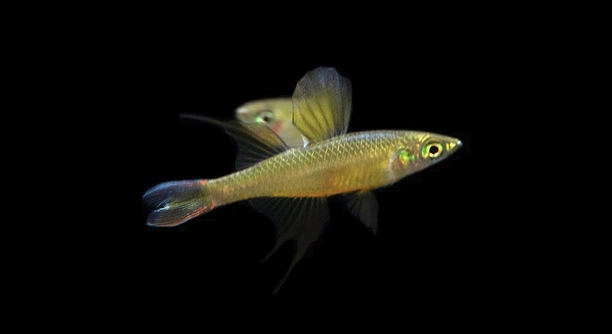
Have you ever noticed your threadfin rainbowfish acting unusually quiet or staying hidden in the tank? Observing their social behavior can reveal subtle signs of stress that are easy to miss without careful attention.
Threadfin rainbowfish exhibit social discomfort through behaviors such as isolating themselves from the group, reduced swimming activity, and avoiding interaction with other fish. These indicators are consistent and observable, providing reliable insight into their overall well-being in a captive environment.
Monitoring these behaviors early helps maintain a healthy, balanced aquarium and ensures the fish’s long-term comfort and social stability.
Common Signs of Social Discomfort
Threadfin rainbowfish are usually active and social, but when they feel uneasy, their behavior changes noticeably. They may hover near the bottom of the tank or hide behind decorations more often than usual. Sudden loss of color or dulling of their fins can also indicate stress. Some fish will swim alone rather than with the group, and interactions like chasing or nipping may increase. Observing these behaviors consistently helps identify discomfort early. Even small changes, like slower responses to food or ignoring other fish, can signal that something is wrong. Environmental factors, including water quality, temperature fluctuations, and overcrowding, often affect their comfort. It’s important to watch for patterns over time rather than isolated incidents. Adjusting tank conditions gradually can help restore their confidence and social engagement. Spending a few minutes daily observing their movement and positioning can reveal subtle signs that would otherwise go unnoticed, keeping the community balanced and healthy.
Recognizing discomfort early prevents stress from worsening, ensuring fish stay active and healthy.
Careful observation and consistent monitoring are essential. Understanding normal behavior makes it easier to detect small shifts that indicate social unease.
Environmental Factors Affecting Social Comfort
Water quality has a major impact on fish behavior. Poor conditions can lead to stress and isolation.
Maintaining proper pH, temperature, and cleanliness is critical for threadfin rainbowfish. Ammonia, nitrite, and nitrate levels must be closely monitored. Sudden changes in lighting or temperature can startle the fish, causing them to hide or avoid interaction. Overcrowding creates competition and stress, making social discomfort more apparent. The layout of the tank, including plants and hiding spots, affects how safe the fish feel. A well-structured tank allows shy individuals to retreat while still observing the group. Introducing new fish requires careful acclimation, as sudden additions can disrupt social hierarchies. Even minor changes, like rearranging decorations, may temporarily affect comfort levels. Providing a stable environment encourages natural schooling behavior and social interaction. Monitoring water parameters and observing daily routines ensures the fish remain confident and relaxed. By prioritizing stability, owners can reduce stress, enhance well-being, and foster positive social behavior among all the fish.
Behavioral Changes to Watch
Shy threadfin rainbowfish may swim alone, avoid food, or stay hidden for long periods. These subtle shifts often indicate stress or discomfort in their social environment.
Changes in activity patterns are strong indicators of social unease. Fish that usually school may linger at the edges or corners of the tank. Aggressive chasing or fin-nipping can appear when a fish feels threatened or insecure. Feeding responses often slow, and previously curious fish may ignore their surroundings. Even minor alterations, like less frequent fin displays or reduced interaction, signal a need to check the tank’s conditions. Observing behavior over days rather than hours helps distinguish temporary fluctuations from consistent signs of discomfort. Recording daily notes can clarify trends and guide interventions. Adjusting lighting, rearranging hiding spots, or reducing tank density often improves social confidence. Gradual changes allow fish to readjust without additional stress, fostering a more balanced and active community.
Monitoring these behavioral patterns helps maintain harmony and prevents prolonged stress.
Noticing small but consistent changes allows you to respond quickly. Fish that feel unsafe may not show extreme reactions immediately, but these subtle signals are critical for long-term health. Social discomfort affects feeding, movement, and interaction, so it is vital to observe their daily habits carefully. Changes may include spending more time near the tank bottom, hiding behind decorations, or swimming erratically. Some fish may develop temporary aggression toward others, while normally dominant individuals may withdraw. Recording these patterns helps determine whether environmental adjustments are necessary, such as improving water quality or rearranging tank features. Consistent observation ensures fish remain confident, healthy, and socially balanced. Early intervention can prevent stress from escalating and supports overall well-being in a controlled habitat.
Physical Indicators of Stress
Color fading is a clear sign of stress in threadfin rainbowfish. Dull or pale fins often reflect discomfort or poor tank conditions.
Other physical signs include clamped fins, labored swimming, and unusual body posture. Fish under stress may display rapid gill movement or hide more than usual. Loss of appetite is another indicator, as stressed fish often avoid food or pick at it minimally. Swelling or irregular growths may develop in prolonged stressful conditions. Subtle injuries from increased aggression or collisions in the tank can occur, especially in crowded environments. Observing daily ensures early detection, allowing adjustments to water parameters, tank layout, and social groupings. Stress can also affect immunity, making fish more susceptible to disease. Prompt attention helps restore normal behavior and physical appearance. Maintaining a stable and clean environment is essential for minimizing these issues.
Regular monitoring of both color and posture ensures fish maintain optimal health and social stability.
Social Hierarchy Tensions
Dominant and submissive behaviors affect the comfort of threadfin rainbowfish. Fish lower in the hierarchy may hide or avoid interaction to reduce conflict.
Observing interactions helps identify if certain individuals are consistently stressed. Disputes over territory or food can intensify discomfort, affecting overall tank harmony.
Feeding and Interaction Patterns
Fish experiencing social discomfort may show delayed or minimal responses during feeding times. They often stay on the periphery while more confident fish approach food. This behavior highlights stress and a lack of engagement. Monitoring feeding habits provides a practical way to assess social comfort.
Tank Layout Considerations
Adequate hiding spaces and open swimming areas support positive social behavior. A poorly arranged tank increases stress and reduces interaction among rainbowfish.
Gradual Environmental Adjustments
Slow changes in water parameters or decor help fish adapt without added stress. Sudden shifts can worsen social discomfort and trigger aggressive or withdrawn behavior.
FAQ
How can I tell if my threadfin rainbowfish is stressed?
Stress in threadfin rainbowfish shows through both behavior and physical appearance. Look for hiding, staying at the tank bottom, or avoiding other fish. Reduced appetite and slower swimming are common signs. Physical indicators include faded colors, clamped fins, and rapid gill movement. Tracking these behaviors daily helps detect stress early.
What causes social discomfort in rainbowfish?
Social discomfort often arises from environmental factors like poor water quality, overcrowding, or sudden changes in temperature or lighting. Inadequate hiding spaces and aggressive tank mates can also trigger stress. Even minor changes in tank layout or the introduction of new fish may temporarily disrupt the social balance.
How long does it take for stressed fish to recover?
Recovery depends on the severity of stress and how quickly adjustments are made. Mild stress may resolve in a few days after improving water quality, rearranging hiding spots, or reducing tank density. More severe stress might take weeks, especially if physical health is affected. Consistency and patience are crucial.
Can changing tank decorations reduce social discomfort?
Yes, rearranging decorations can create new hiding spots and help fish feel safer. Provide enough space for fish to retreat without isolating them completely. Plants, rocks, and driftwood can act as barriers and reduce conflict while still allowing social interaction. Gradual changes prevent additional stress.
Is isolation ever necessary for stressed fish?
Temporary isolation can help highly stressed individuals regain confidence, but it should be used carefully. Removing a fish from a group for too long may reduce social skills. Isolation works best for short periods while addressing environmental factors or recovering from minor injuries.
How often should I monitor my rainbowfish for stress?
Daily observation is recommended. Spend a few minutes noting behavior, feeding patterns, and swimming activity. Track color changes or signs of aggression. Consistent monitoring helps identify trends early, allowing prompt intervention before discomfort escalates.
Are some fish more prone to social discomfort than others?
Yes, individual temperament varies. Shyer fish or those lower in the social hierarchy are more likely to exhibit stress. Newly introduced fish may take longer to adjust. Understanding personality differences helps tailor tank management and minimize ongoing discomfort.
What role does water quality play in social comfort?
Water quality is critical. Ammonia, nitrite, and nitrate spikes create stress, while improper pH or temperature changes can disrupt behavior. Regular testing, partial water changes, and filtration maintenance maintain stability, directly impacting both physical health and social comfort.
Can diet affect social behavior?
Nutrition influences energy levels and resilience. Poor diet can reduce activity, impair immune response, and increase stress. Feeding a balanced diet at consistent intervals supports physical well-being and encourages normal social interaction, helping fish feel more secure and active in the group.
How can I prevent social discomfort in a community tank?
Plan tank size, population, and layout carefully. Ensure enough swimming space, hiding areas, and consistent water conditions. Introduce new fish gradually and monitor interactions. Observing behavior and adjusting conditions proactively helps maintain a stable, confident, and socially balanced environment for all rainbowfish.
Is aggressive behavior always a sign of discomfort?
Not always. Some chasing is normal in schooling species, but persistent aggression or targeting weaker fish indicates social stress. Monitoring who initiates aggression and the frequency helps determine whether intervention is needed to reduce discomfort and restore harmony.
How do I encourage shy fish to socialize?
Provide a safe environment with multiple hiding spots and adequate open areas. Avoid sudden changes in lighting or layout. Gradually introduce new tank mates or rearranged decorations while maintaining stable water conditions. Consistency and patience allow shy fish to regain confidence and participate in group behavior naturally.
Can temperature changes affect social comfort?
Yes, even small fluctuations can cause stress. Threadfin rainbowfish thrive within a stable temperature range. Rapid changes may result in hiding, reduced swimming, or isolation. Maintaining a consistent and appropriate temperature is essential for physical health and social stability in the tank.
Are visual barriers helpful for stressed fish?
Visual barriers reduce conflict by limiting direct line-of-sight between aggressive and timid fish. Plants, rocks, and other decorations allow retreat without isolating individuals completely. Proper placement encourages a more harmonious environment while still supporting natural social behavior.
How do I know if environmental adjustments are working?
Signs of improvement include increased swimming activity, re-engagement with the group, brighter colors, and normal feeding responses. Consistent observation over several days confirms whether changes reduce stress and improve overall social comfort. Patience is key, as results may take time.
Can overcrowding lead to long-term social problems?
Yes, high population density increases competition and stress. Fish may become aggressive, hide excessively, or lose color over time. Ensuring an appropriate tank size and limiting the number of individuals helps prevent chronic social discomfort and maintains a balanced, healthy community.
How often should water tests be performed?
Weekly testing is a minimum for ammonia, nitrite, nitrate, pH, and temperature. More frequent checks may be needed in new tanks or during significant changes. Maintaining consistent water parameters reduces stress and supports positive social behavior in rainbowfish.
Do tankmates influence social comfort?
Absolutely. Aggressive or overly dominant species can intimidate rainbowfish, while compatible schooling species encourage natural interaction. Careful selection of tankmates and observation of interactions are critical to maintaining a comfortable social environment.
What are early signs of stress that are easy to miss?
Minor fading of color, slightly slower swimming, reduced curiosity, and subtle hiding are easy to overlook. Tracking these small changes daily provides a clearer picture of overall comfort and allows interventions before stress escalates.
Is it necessary to rearrange the tank regularly?
Frequent rearrangements can increase stress. Occasional changes to create new hiding spots or improve flow can be helpful, but consistency is generally better. Gradual adjustments allow fish to adapt without disrupting established social patterns.
How do I balance hiding spaces with open swimming areas?
Provide enough plants, rocks, or decorations to allow retreat without isolating fish. Ensure clear areas for swimming and schooling. Balancing shelter and space promotes confidence, reduces conflict, and encourages natural social interaction among all tank inhabitants.
Can stress affect breeding behavior?
Yes, stressed rainbowfish are less likely to engage in courtship or spawning. Comfortable, stable environments with appropriate water conditions and minimal social tension encourage normal breeding behavior and healthier offspring.
How can observation logs help?
Recording daily behavior, feeding responses, and tank conditions highlights trends and patterns. Logs make it easier to identify sources of stress and evaluate the effectiveness of adjustments, supporting proactive management of social comfort.
Is it okay to introduce new fish during social stress?
Introducing new fish during periods of social discomfort can worsen stress and aggression. Wait until the current population stabilizes and individuals regain confidence before adding newcomers. Gradual introductions reduce tension and support a harmonious community.
What should I do if a fish shows persistent hiding?
Persistent hiding indicates ongoing discomfort or illness. Check water quality, tank layout, and tankmates. Providing additional hiding spots, reducing aggression, and maintaining stable conditions can help. If behavior continues, consider consulting an experienced aquarist or veterinarian.
Can stress cause physical illness?
Yes, prolonged stress weakens the immune system, making fish more susceptible to infections and parasites. Maintaining a stable environment and monitoring behavior reduces the risk of stress-related illness, promoting both social comfort and overall health.
How do I know when it’s safe to adjust tankmates or layout?
Wait until fish display normal behavior, color, and feeding responses. Gradual, incremental changes are safest. Sudden adjustments during stress can cause setbacks, so observing the community’s overall stability before making modifications is essential.
Are there signs that indicate recovery from social stress?
Recovered fish swim actively, engage with the group, show bright colors, and feed normally. Reduced aggression and fewer hiding behaviors also signal improvement. Consistent positive changes over several days indicate that environmental or social adjustments are effective.
Can stress affect lifespan?
Chronic stress can reduce longevity by weakening immunity, disrupting feeding, and increasing susceptibility to disease. Maintaining stable conditions, monitoring behavior, and addressing social discomfort early support long-term health and lifespan in threadfin rainbowfish.
How do I know if my tank is too small?
Signs include frequent hiding, increased aggression, and lack of schooling. Limited swimming space restricts natural behavior, creating social tension. Providing adequate space based on the number of fish and their activity levels helps reduce discomfort and promotes healthy interactions.
Are visual cues from other fish important for social comfort?
Yes, threadfin rainbowfish rely on visual signals to maintain hierarchy and coordinate schooling. Obstructed lines of sight or aggressive displays can cause stress. Proper tank layout and compatible tankmates support natural visual communication, enhancing social stability.
Can water flow affect social behavior?
Strong currents may stress weaker swimmers or shy individuals, while stagnant areas may encourage hiding. Balanced water flow ensures all fish can swim comfortably, maintain visibility, and interact naturally, supporting overall social comfort and reducing conflict.
Is lighting important for social comfort?
Consistent, moderate lighting helps maintain natural activity cycles. Sudden changes or overly bright light can trigger hiding or erratic swimming. Plants and shaded areas provide relief while supporting normal schooling behavior, contributing to overall well-being.
Can monitoring one fish help assess the group?
Observing consistently stressed or dominant individuals provides insight into tank dynamics. Changes in one fish often reflect broader social interactions, helping identify environmental or social adjustments needed to improve overall comfort.
How do I manage aggression without isolating fish?
Use plants, rocks, or visual barriers to break line-of-sight and reduce conflict. Adjust feeding strategies to minimize competition. Maintaining adequate space and monitoring behavior allows aggressive interactions to decrease naturally while keeping fish in the group.
Can seasonal changes affect social comfort?
Temperature, daylight, and seasonal stressors can influence behavior. Maintaining stable conditions year-round minimizes these effects, keeping rainbowfish confident, active, and socially balanced regardless of external seasonal shifts.
What is the best way to introduce new hiding spots?
Add new decorations gradually, allowing fish to explore and adjust. Avoid sudden large changes, as these can create temporary stress. Placement should balance safety and visibility, supporting both retreat and social interaction.
Do older fish behave differently in social settings?
Older fish may be less active or more dominant, affecting group dynamics. Monitoring interactions ensures that aging individuals do not cause undue stress to younger or shy tankmates. Adjustments to tank layout or population may help maintain harmony.
How important is routine for social comfort?
A consistent routine in feeding, lighting, and maintenance reduces stress. Predictable conditions help fish feel secure, encouraging normal social behavior and minimizing discomfort. Routine supports confidence, reduces aggression, and promotes long-term well-being.
Can environmental enrichment improve social behavior?
Yes, varied hiding spots, plants, and open swimming areas stimulate natural activity. Enrichment encourages interaction, reduces boredom, and decreases stress, supporting positive social dynamics among rainbowfish.
Is it normal for a stressed fish to act aggressive temporarily?
Temporary aggression may occur if a fish feels threatened or displaced. It is often situational and resolves once comfort is restored. Persistent aggression indicates unresolved stress, requiring observation and possible environmental adjustments to maintain balance.
How do I maintain long-term social stability?
Consistently monitor water quality, tank conditions, and fish behavior. Provide appropriate tankmates, hiding spots, and stable routines. Gradual adjustments and attention to individual needs prevent prolonged stress, ensuring a harmonious and socially confident community of threadfin rainbowfish.
What signs indicate I need professional help?
Persistent hiding, loss of appetite, severe color fading, or physical injuries that do not improve may require a veterinarian or experienced aquarist. Early professional intervention helps prevent long-term harm and supports the overall health of the tank.
Final Thoughts
Threadfin rainbowfish are sensitive and social creatures that rely heavily on a stable environment to thrive. Observing their behavior closely allows owners to detect signs of social discomfort early. Stress often shows subtly through changes in swimming patterns, color fading, or hiding more than usual. While these signs might seem minor, they indicate that the fish’s environment or social balance may need attention. Ensuring proper water quality, adequate space, and compatible tankmates are essential steps to maintain a comfortable habitat. By making small, consistent adjustments, fish can regain confidence and return to their normal schooling behaviors. Even slight improvements in tank conditions can have a noticeable effect on their overall mood and interactions.
Maintaining the balance in a community tank requires patience and attention to detail. Aggression or dominance among fish is natural, but it should not dominate the tank’s atmosphere. Visual barriers, plants, and hiding spots help reduce tension while still allowing for social interaction. Regular observation helps identify which fish are shy, stressed, or overly dominant, allowing targeted interventions to prevent escalation. Gradual changes in decorations, tank layout, or population help fish adapt without introducing additional stress. Feeding a consistent, balanced diet also supports health and reduces behavioral problems. Understanding each fish’s personality and observing interactions can guide decisions that improve the overall comfort of the group. Small, thoughtful adjustments often produce significant improvements in social harmony.
Consistency is key when it comes to long-term well-being. Daily monitoring, maintaining routines, and keeping environmental conditions stable help threadfin rainbowfish feel secure and confident. Recovery from stress may take time, especially for shy or newly introduced fish, but careful management will allow them to regain their natural behaviors. Providing a safe, enriched environment promotes normal social interactions, reduces aggression, and supports physical health. Paying attention to early warning signs, such as subtle color changes or decreased activity, prevents minor issues from becoming long-term problems. Over time, these practices help maintain a thriving, socially balanced aquarium where all fish can coexist comfortably. By focusing on observation, stability, and gradual improvements, owners can create a healthy and harmonious environment that supports both the social and physical well-being of threadfin rainbowfish.

Hello,
If you enjoy the content that we create, please consider saying a "Thank You!" by leaving a tip.
Every little bit helps us continue crafting quality advice that supports the health, happiness, and well-being of pets around the world, for pets of all shapes, sizes, and species.
We really appreciate the kindness and support that you show us!