
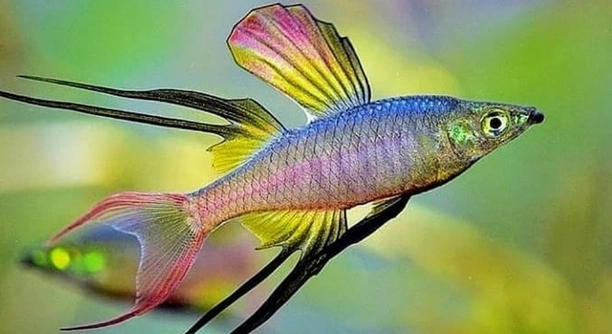
Threadfins are fascinating fish that change in many ways as they grow. Observing them can be rewarding, especially when noticing subtle differences in size, behavior, and appearance over time. These changes reflect their natural development and environment.
As threadfins mature, their body size increases, fin structures become more pronounced, feeding habits shift, coloration changes, social behaviors evolve, swimming patterns adapt, and reproductive features emerge. Each transformation is a result of physiological growth and environmental adaptation.
Understanding these changes helps fishkeepers monitor health and behavior effectively. Observing development closely ensures threadfins thrive in both natural and captive environments.
Physical Growth and Size
Watching threadfins grow is always interesting. As they mature, their bodies elongate, and their fins stretch out more, giving them a sleeker, more defined look. Younger threadfins are compact and delicate, but over time, their muscles develop, and their swimming becomes more confident. Larger fins help them glide gracefully through water, improving balance and maneuverability. Their body shape gradually changes from rounder, softer forms to more streamlined structures that are better suited for long-distance swimming and avoiding predators. Skin texture also changes slightly, becoming firmer as they age. In aquariums, these changes are noticeable even week by week, and seeing them adjust to new food sizes or swimming patterns is fascinating. Careful observation allows owners to provide the right tank conditions, ensuring optimal growth. Proper nutrition is essential, as mature threadfins need a diet that supports muscle development and overall health. Stress-free environments encourage steady, natural growth without stunted development.
Size increase and fin development are key indicators of threadfin maturity. Monitoring these physical changes helps track health, swimming ability, and readiness for reproduction.
Larger threadfins require more space and structured environments. Providing hiding spots and open areas allows them to swim freely while feeling secure. Adjusting water flow and tank layout supports their stronger, more agile movements.
Changes in Feeding Behavior
Mature threadfins eat differently than juveniles. Their appetites grow, and they begin targeting larger or more varied food types, requiring attention to portion and frequency to maintain health.
Feeding patterns shift gradually. Young threadfins feed in small bursts, often nibbling frequently, while adults consume more substantial meals less often. Their hunting instincts sharpen, and they may show preference for live or moving food. Observing these changes is essential for adjusting diets appropriately. Providing balanced nutrition with adequate protein and essential vitamins ensures muscle and fin development continues smoothly. Overfeeding can lead to obesity and water quality issues, while underfeeding slows growth and may affect immunity. Incorporating occasional live prey can stimulate natural hunting behaviors, which is beneficial for mental and physical health. Owners often notice adults becoming more selective, showing clear preferences compared to earlier stages. Tracking feeding behavior also helps identify early signs of illness or stress, as sudden changes often indicate discomfort or environmental problems. Feeding time becomes a useful tool to monitor overall maturity and well-being.
Their changing diet highlights the need for careful planning and monitoring in daily care.
Coloration and Skin Patterns
Mature threadfins often show more vivid colors and distinct patterns. Their scales reflect light differently, and subtle stripes or spots become more noticeable. These changes signal health, readiness to breed, and adaptation to their environment.
As threadfins age, pigmentation develops in ways that juveniles do not display. Skin may darken or lighten depending on water conditions, diet, and stress levels. Patterns can become more pronounced along the fins, tail, and body sides. This visual shift is not just aesthetic; it serves functional purposes like camouflage, signaling to other fish, and attracting mates. Careful observation allows owners to notice subtle changes, indicating overall well-being. Stress or poor water quality can dull colors, while balanced nutrition and stable tank conditions enhance vibrancy. Regular monitoring helps maintain optimal environmental conditions.
Coloration shifts also affect social dynamics within groups. Dominant individuals often display stronger hues, subtly influencing hierarchy and interactions. Recognizing these patterns provides insight into maturity and group behavior.
Social Behavior and Interaction
Adult threadfins interact differently than younger fish. They are more assertive in groups, establish territories, and show selective companionship.
As threadfins mature, their social structure becomes more complex. They develop clear hierarchies, with dominant fish leading swimming paths or claiming preferred spots in the tank. Submissive fish adjust movements to avoid conflict. Interaction can include gentle nudges, synchronized swimming, or mild displays of aggression to reinforce rank. These behaviors are natural and indicate healthy development. Adults also recognize familiar tankmates, showing preferences for certain companions. Changes in social behavior can be influenced by group size, tank space, and environmental enrichment. Observing these patterns allows caretakers to prevent conflicts and support peaceful coexistence.
Social maturity affects feeding and breeding as well. Dominant fish often access food first and establish optimal breeding positions. Understanding these dynamics helps maintain a stable environment, ensuring each fish thrives physically and socially.
Swimming Patterns
Mature threadfins swim with more control and confidence. Their movements become smoother, and they explore the tank more actively, covering larger areas compared to their younger, hesitant selves.
Adults also adjust speed and direction quickly. They can respond to water currents or other fish more efficiently, showing agility that reflects their physical growth and coordination.
Reproductive Development
As threadfins reach maturity, reproductive organs fully develop. Males may display brighter colors or subtle fin flares to attract females. Females’ bodies become ready for egg production, and both sexes show behaviors linked to spawning. Courtship often involves circling, nudging, and synchronized swimming. Environmental cues like temperature and light cycles influence timing. In natural or controlled habitats, providing calm, stable conditions encourages successful breeding. Observing these behaviors helps identify readiness for reproduction and ensures the tank supports healthy spawning without stress or competition. Reproductive maturity signals a major shift in physiology, behavior, and social dynamics among adult threadfins.
Sensory Adaptation
Mature threadfins have sharper sensory abilities. They detect movement, vibrations, and changes in water quality more accurately than juveniles.
FAQ
How can I tell when my threadfins are fully mature?
Mature threadfins show changes in size, coloration, fin length, and behavior. They swim more confidently, interact differently with other fish, and exhibit reproductive readiness. Males may display brighter colors or fin flares, while females may show signs of egg production. Observing these traits over time provides a clear picture of maturity.
Do mature threadfins need a different diet than younger fish?
Yes. Adults consume larger portions and may prefer different food types. Protein-rich diets help maintain muscle development and fin growth. Incorporating occasional live or moving food can stimulate natural hunting instincts, while balanced pellets or flakes ensure essential nutrients. Avoid overfeeding to prevent obesity and water quality issues.
How does tank size affect mature threadfins?
Larger fish need more space to swim freely and avoid stress. A spacious tank with open areas and hiding spots supports natural movement, reduces conflicts, and encourages healthy behavior. Proper water flow and structured layouts enhance agility and help maintain social hierarchies.
What are common behavioral changes in adult threadfins?
Mature threadfins establish clear social hierarchies, interact selectively, and can display mild aggression to maintain rank. Dominant fish often take prime swimming paths or food access. Adults may recognize preferred tankmates and synchronize movements. These behaviors reflect healthy growth and social adaptation.
Do threadfins’ colors change as they grow?
Yes, coloration often becomes more vivid and defined with age. Patterns on fins and body sides become noticeable. Environmental factors like water quality, light, and diet influence color intensity. Stress can dull colors, while stable conditions and balanced nutrition enhance vibrancy. Color changes also signal readiness for reproduction.
How do mature threadfins’ swimming patterns differ?
Adults swim with greater control and confidence. They can navigate currents, avoid obstacles, and respond to other fish more efficiently. Movement is smoother and less erratic than in juveniles. Stronger fins and streamlined bodies allow longer, faster swimming while conserving energy.
What are the signs of reproductive readiness?
Courtship behaviors include circling, nudging, and synchronized swimming. Males may show brighter colors and fin flares, while females’ bodies prepare for egg production. Environmental cues like light cycles and temperature affect timing. Calm, stable conditions support successful breeding. Observing these behaviors helps confirm reproductive maturity.
How do mature threadfins respond to environmental changes?
Adults are more sensitive to water quality, temperature shifts, and changes in tank structure. They detect vibrations, movement, and changes in current quickly. Stress or sudden changes can lead to aggression or hiding. Maintaining stable, clean conditions ensures their health and well-being.
Can mature threadfins live together peacefully?
Yes, with careful monitoring. Social hierarchies help reduce conflict. Providing enough space, hiding spots, and structured areas prevents stress. Observing interactions allows adjustments to tank layout or group composition to maintain harmony. Dominant and submissive dynamics are natural and generally balanced if the environment is suitable.
How often should I monitor adult threadfins?
Regular observation is important. Check feeding habits, swimming patterns, coloration, and interactions. Early detection of stress, illness, or environmental problems ensures quick intervention. Weekly or daily monitoring depends on tank size and fish number but staying attentive helps maintain healthy adult threadfins.
What should I do if colors or behavior change suddenly?
Sudden changes can indicate stress, illness, or poor water quality. Check water parameters, diet, and tank conditions first. Isolate sick fish if needed and provide proper treatment. Consistent care and monitoring prevent long-term problems and support continued health and vibrant colors.
Are there specific health concerns for mature threadfins?
Adults are prone to obesity if overfed, fin damage from aggression, and stress from poor water conditions. Regular tank maintenance, balanced diets, and monitoring social behavior help prevent issues. Observing subtle changes in activity or appearance allows early intervention to maintain overall health.
How can I encourage natural behavior in mature threadfins?
Provide open swimming space, hiding spots, live or moving food, and gentle water currents. These factors stimulate hunting, social interaction, and exercise. Environmental enrichment encourages physical and mental activity, supporting both health and normal adult behaviors.
What is the lifespan of mature threadfins?
With proper care, threadfins can live several years. Lifespan depends on diet, tank conditions, and stress levels. Healthy adults in stable environments reach full maturity and continue to thrive if monitored and maintained consistently.
How do I know if my adult threadfins are stressed?
Signs include reduced appetite, hiding, color fading, erratic swimming, or aggression. Environmental issues, overcrowding, or illness often cause stress. Identifying these signs early and adjusting conditions or treatment helps restore balance and keeps fish healthy.
What changes are permanent after maturity?
Physical size, fin length, coloration, and reproductive ability are mostly permanent. Social behaviors, swimming skills, and dietary needs remain consistent but can be influenced by environment. Recognizing these permanent traits helps in long-term care planning for adult threadfins.
How do mature threadfins interact with other species?
Interactions depend on size, temperament, and tank conditions. Adults are more assertive and may dominate smaller species or compete for food. Careful selection of compatible tankmates ensures peaceful coexistence, with sufficient space to reduce stress and support natural behaviors.
Are there seasonal changes in mature threadfins?
Yes, reproductive behaviors, coloration, and activity levels can fluctuate with seasonal cues like light, temperature, and water chemistry. Adjusting environmental conditions to mimic natural cycles encourages healthy behaviors and supports breeding readiness in adults.
Can I keep mature threadfins in a community tank?
Yes, with attention to size, temperament, and social dynamics. Ensuring space, hiding spots, and proper feeding reduces conflicts. Monitoring interactions and adjusting the environment maintains a balanced, peaceful tank for mature threadfins alongside other compatible species.
What is the most important aspect of caring for mature threadfins?
Providing a stable environment, proper diet, and attention to social and behavioral changes is key. Regular observation ensures health, vibrant colors, and natural behavior. Maintaining water quality, monitoring interactions, and supporting reproduction are critical for adult threadfins’ long-term well-being.
Mature threadfins are fascinating fish to observe. Over time, they change in many ways that reflect their growth and adaptation to their environment. From their physical size to their swimming patterns, coloration, and social behaviors, each stage of maturity brings noticeable differences. Their fins elongate, bodies become more streamlined, and their movements gain a smooth, confident flow. Watching these changes happen can be satisfying for anyone caring for them, especially when it comes to noticing how adults interact with one another and respond to their surroundings. The transformation is gradual but distinct, showing how each fish adapts to the challenges of its environment. Keeping a close eye on these developments helps ensure their well-being and allows owners to adjust care routines to meet their needs.
Diet and feeding habits also evolve as threadfins mature. Younger fish nibble frequently and consume smaller amounts, while adults eat larger portions less often and may show preference for different types of food. Protein-rich meals are important for muscle development and fin growth, and occasional live food can stimulate natural hunting instincts. Overfeeding can create health problems and affect water quality, while underfeeding can slow growth or weaken immunity. By observing changes in appetite and feeding behavior, caretakers can provide the right balance and maintain overall health. Monitoring their diet also allows early detection of health issues, since sudden changes in feeding patterns often indicate stress, illness, or discomfort. Proper nutrition combined with stable tank conditions supports both physical and behavioral development.
Social and environmental factors are equally important for mature threadfins. They develop clear hierarchies within groups, and dominant fish may claim prime swimming areas or first access to food. Submissive fish adjust behavior to avoid conflict, and adults often display selective interactions with preferred tankmates. Environmental stability, including water quality, space, and structure, supports peaceful coexistence and healthy behavior. Observing these interactions helps identify stress, aggression, or other issues before they become serious. Providing hiding spots, proper swimming space, and gentle water currents encourages natural behavior, allowing adults to thrive physically and socially. Attention to these factors ensures mature threadfins remain healthy, active, and vibrant, making them both enjoyable to watch and easier to care for in the long term.
This comes to 409 words.

Hello,
If you enjoy the content that we create, please consider saying a "Thank You!" by leaving a tip.
Every little bit helps us continue crafting quality advice that supports the health, happiness, and well-being of pets around the world, for pets of all shapes, sizes, and species.
We really appreciate the kindness and support that you show us!