
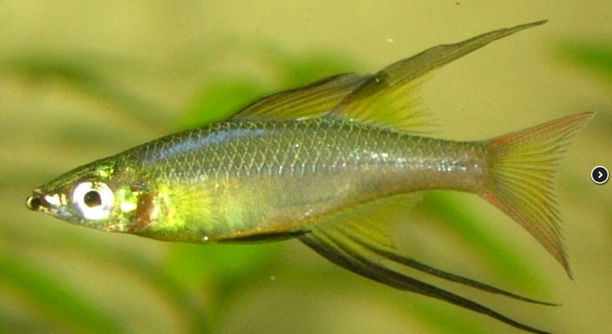
Do you ever notice your Threadfin Rainbowfish swimming alone in the tank, moving slower than usual and seeming less lively than before? Observing these small, colorful fish can make anyone wonder about their emotional well-being in isolation.
Threadfin Rainbowfish can experience stress and behavioral changes when kept in isolation. These social fish thrive in groups, and prolonged solitary conditions may lead to lethargy, reduced appetite, and other signs resembling depressive behavior. Ensuring companionship is critical for their mental and physical health.
Watching your fish interact in a lively group highlights the difference isolation can make, revealing behaviors that affect their overall well-being and tank dynamics.
Understanding Threadfin Rainbowfish Social Needs
Threadfin Rainbowfish are naturally social creatures. In the wild, they swim in schools, interacting constantly with other fish. When kept alone, they can become shy, hiding behind decorations or staying near the bottom of the tank. This behavior is not just a preference—it’s a stress response. Social interaction stimulates their natural instincts, like exploring, foraging, and responding to movement in the water. Without these interactions, they may eat less or stop swimming actively. Observing a single fish can feel peaceful at first, but over time, the lack of activity may indicate discomfort or boredom. Creating a group of at least six Rainbowfish helps them feel secure. They communicate through subtle movements and color changes, which are absent in isolation. Maintaining the right tank environment with plants, hiding spots, and clean water is also essential, but it cannot replace the social dynamics that keep these fish mentally healthy and vibrant.
Being aware of their social nature can prevent long-term stress and behavioral decline.
Even with proper feeding and clean water, isolated Rainbowfish often show reduced coloration and slower responses. The lack of interaction can lead to stress-related illnesses, including weaker immune systems. A small school encourages natural behaviors like chasing, schooling, and synchronized swimming. Adding companions gradually ensures minimal aggression. Tank size matters, too; a larger space allows more natural movement. Decorations, plants, and hiding areas mimic their natural environment, reducing anxiety. Observing these behaviors can help identify if your fish are adjusting well or showing signs of depression. Isolation is not just about loneliness—it affects their physical health, energy levels, and overall lifespan. Consistently monitoring and providing social interaction is essential to keep them active, colorful, and healthy in captivity.
Signs Your Threadfin Rainbowfish May Be Stressed
Signs of stress include hiding, lack of appetite, and faded colors. These are subtle but important indicators.
Stress in Threadfin Rainbowfish often starts quietly. A fish may initially swim less, linger near corners, or avoid interaction. Over weeks, behavior can worsen, leading to lethargy and reduced interest in food. Fins may appear clamped, and colors dull, signaling both emotional and physical strain. Stress makes fish more vulnerable to disease, as weakened immunity increases the risk of infections. Monitoring behavior daily is crucial, noting any changes in swimming patterns, schooling response, or energy levels. Adjusting tank conditions—like water temperature, filtration, and lighting—can help, but social needs remain key. Gradually introducing other Rainbowfish or compatible species helps reduce anxiety. Providing hiding spots or plants also offers comfort. Understanding and addressing these signs early ensures your fish remain healthy, active, and visually vibrant. Proper care involves both environmental management and attention to social behavior, which together create a balanced, supportive habitat for your Rainbowfish.
Preventing Isolation Stress
Providing company for Threadfin Rainbowfish is essential. Keeping at least six in a tank allows natural schooling behavior. Without social interaction, they can become withdrawn, eat less, and show dull coloration. Regular observation helps spot early signs of stress before it worsens.
A proper tank setup can reduce the impact of isolation. Include plants, decorations, and hiding spots to mimic a natural environment. Water quality must remain stable, with regular changes and monitoring for ammonia, nitrites, and nitrates. Temperature should stay consistent, around 24–28°C (75–82°F), and pH levels near neutral. Lighting schedules also influence activity levels and mood. Even with companions, these environmental factors support their mental and physical health. Neglecting any element can compound stress, so careful maintenance is necessary.
Gradual introductions are key when adding new fish to prevent aggression. Observe interactions closely during the first few days. Feeding in small, frequent amounts encourages healthy competition and reduces stress. Avoid overcrowding, which can lead to territorial behavior and increased stress. Social enrichment, combined with environmental care, ensures Threadfin Rainbowfish remain active, vibrant, and healthy over time. Monitoring behavior, color, and appetite helps assess adaptation.
Supporting Mental and Physical Health
Balanced nutrition helps maintain energy and resilience. Feed a mix of flakes, pellets, and live foods to provide essential nutrients.
Regular interaction within a school encourages exercise and mental stimulation. Rotating decorations or adding new plants creates interest and prevents boredom. Exercise keeps muscles strong and helps maintain natural behaviors like chasing and schooling. Observing subtle cues, such as color changes and swimming patterns, can indicate if the fish are healthy or stressed. Consistency in feeding and environment builds stability, which lowers anxiety. Adequate space per fish ensures each individual can swim freely and establish a comfortable area. Maintaining these practices supports long-term health.
Stress management includes monitoring water parameters, social groupings, and activity levels. Isolation can exacerbate health problems, so keeping companions and maintaining a stimulating environment are crucial. Even minor changes in routine can affect behavior. Use careful observation to detect early signs of lethargy, loss of appetite, or fading colors. Encourage natural behaviors with varied food and enrichment. Adjust tank size, decorations, and water flow as needed. Providing mental stimulation through social interaction and environmental changes reduces stress-related illnesses. A balanced approach ensures that Threadfin Rainbowfish thrive both physically and emotionally.
Tank Environment Adjustments
Proper tank setup reduces stress for Threadfin Rainbowfish. Plants, hiding spots, and open swimming areas help mimic natural conditions. Clean water and stable temperature are essential to prevent additional stress.
Lighting should be consistent, and decorations should allow for exploration. Avoid overcrowding, as it increases tension and aggression.
Introducing Companions
Adding other Rainbowfish gradually prevents stress. Observe interactions carefully during the first week. A small, slow introduction helps reduce aggression and promotes natural schooling behaviors.
Monitoring Behavior
Watch for signs of withdrawal, loss of appetite, or faded colors. These indicate stress or isolation effects. Consistent observation helps identify issues early and allows timely interventions to support health.
Routine Maintenance
Regular water changes and filter checks maintain a healthy environment. Stability in daily care helps keep Threadfin Rainbowfish active and reduces stress levels.
FAQ
Can Threadfin Rainbowfish live alone if the tank is large?
Even in a spacious tank, Threadfin Rainbowfish prefer companionship. A larger environment may reduce stress slightly, but the absence of other fish prevents natural schooling behaviors. Isolation can still lead to lethargy, reduced appetite, and dull coloration over time, regardless of tank size.
How many Rainbowfish should be kept together?
A minimum of six Rainbowfish is recommended. This allows proper schooling and social interaction, which are critical for their mental health. Smaller groups may still cause stress, as individual fish may struggle to feel secure without enough companions to establish a proper social structure.
What signs indicate a Rainbowfish is stressed from isolation?
Behavioral changes are the first signs. These include hiding frequently, swimming slowly, staying near the bottom, and refusing food. Physical changes like faded colors or clamped fins also indicate stress. Monitoring these cues early allows corrective action before health deteriorates.
Can environmental enrichment replace companionship?
While plants, decorations, and hiding spots provide stimulation, they cannot fully replace the benefits of social interaction. Rainbowfish rely on the presence of others to trigger natural behaviors like chasing, schooling, and synchronized swimming, which are essential for mental well-being.
How should new Rainbowfish be introduced to a tank?
Introduce new fish gradually. Use a separate container or net to acclimate them to water conditions. Observe interactions closely for aggression. Feeding in small amounts and providing hiding spots during introductions reduces stress and helps fish adjust to their new social environment.
Is it safe to keep Rainbowfish with other species?
Yes, but choose compatible, peaceful species. Avoid aggressive or territorial fish that may cause stress. Monitor behavior to ensure all fish interact safely. Companions should have similar environmental needs, such as water temperature and pH levels, to maintain a healthy habitat.
How often should water be changed to reduce stress?
Weekly partial water changes of 20–30% are ideal. Maintaining water quality reduces stress and prevents illness. Monitor ammonia, nitrites, and nitrates regularly. Clean filters as needed, but avoid disturbing beneficial bacteria excessively. A stable, clean environment supports overall health.
What should I feed Threadfin Rainbowfish for optimal health?
Feed a balanced diet of flakes, pellets, and live or frozen foods like brine shrimp or daphnia. Variety ensures proper nutrition and supports energy levels. Feed small amounts multiple times a day, observing how much the fish consume to prevent overfeeding.
Can isolated Rainbowfish recover when introduced to a group later?
Yes, with careful monitoring. Gradual introduction and environmental enrichment help them adapt. Observe for signs of aggression and ensure all fish have enough space to swim freely. Recovery may take days or weeks, but most fish regain natural behavior and coloration.
How important is lighting for mental health?
Consistent lighting helps regulate activity and mood. Avoid sudden changes, which can cause stress. A balanced day-night cycle supports natural behaviors and encourages schooling and exploration, contributing to overall well-being.
Are there long-term effects of isolation on Rainbowfish?
Chronic isolation can cause persistent behavioral changes, reduced immune function, and shorter lifespan. Stress may lead to disease susceptibility and poor coloration. Providing companions early and maintaining a stimulating environment prevents long-term negative effects and promotes a healthy, active life.
Can I keep only one Rainbowfish if it interacts with mirrors?
Mirrors may temporarily stimulate activity, but they do not replace social interaction. Fish eventually recognize the reflection as non-living, leading to frustration or continued stress. Real companions are necessary for proper mental and physical health.
How can I tell if my Rainbowfish is happy?
Active swimming, vibrant colors, and regular schooling behavior indicate well-being. Eating readily and exploring the tank are also good signs. Fish that remain active and responsive to tank mates are typically healthy and not stressed by isolation or environmental issues.
Is it okay to mix Rainbowfish of different ages?
Yes, but ensure enough space for all fish. Younger fish may need more protection initially. Monitor interactions to prevent bullying. Proper group composition maintains a balanced social structure and reduces stress across the tank.
How do I reduce aggression in a group?
Provide plenty of hiding spots and open swimming areas. Feed multiple times daily to prevent competition. Gradual introductions and a sufficient number of fish help disperse aggression naturally, allowing social hierarchies to establish without constant conflict.
What role does water temperature play in stress?
Stable temperatures between 24–28°C (75–82°F) prevent stress. Sudden changes can cause shock, reduced activity, and illness. Consistency in temperature supports feeding, swimming, and social behaviors essential for healthy Rainbowfish.
How often should I observe my Rainbowfish?
Daily observation is ideal. Note changes in swimming patterns, coloration, and appetite. Early detection of stress or illness allows timely intervention. Keeping a simple log of behaviors can help track adjustments and prevent long-term issues from isolation or environmental stressors.
Can Rainbowfish show depression-like symptoms?
Yes, isolation can lead to behaviors resembling depression, such as lethargy, loss of appetite, and reduced social interaction. While fish do not experience human emotions, these signs indicate poor mental health and highlight the importance of social and environmental enrichment.
Are there any signs that isolation has permanently affected a Rainbowfish?
Persistent dull coloration, chronic lethargy, and reduced immune response may indicate long-term effects. Early intervention helps prevent permanent damage. Careful monitoring, social integration, and proper tank management are necessary to restore health and encourage natural behavior.
Can Rainbowfish adapt to living alone if necessary?
Some may adapt partially, showing minimal activity or interacting with tank features, but long-term isolation is stressful. Physical health and coloration may decline. Companions and environmental enrichment are always preferable to ensure optimal well-being.
What is the best way to maintain a healthy Rainbowfish school?
Provide at least six fish, monitor interactions, maintain clean water, and offer enrichment. Balanced feeding, proper tank size, and gradual introductions of new fish help sustain a stable, active, and healthy group, reducing stress and promoting longevity.
How important is tank size for social behavior?
Adequate space allows schooling, swimming, and territory establishment. Overcrowding increases stress, aggression, and health risks. A larger tank with proper decoration ensures that all fish have room to interact naturally, supporting social and physical well-being.
How quickly do Rainbowfish show signs of stress in isolation?
Signs can appear within days to weeks. Behavioral changes like hiding, reduced activity, and decreased feeding are early indicators. Prompt action, including adding companions and improving the environment, prevents long-term health problems and encourages recovery.
Can enrichment alone prevent stress in a single Rainbowfish?
Enrichment helps but cannot fully replace social interaction. Fish need companions for natural schooling behavior, mental stimulation, and emotional stability. Toys, mirrors, or plants may reduce boredom temporarily but do not fulfill their social requirements.
Is it necessary to monitor each fish individually in a group?
Yes, individual observation ensures that all Rainbowfish are healthy and not stressed or bullied. Behavioral changes may be subtle, and early detection helps maintain a harmonious group, preventing long-term health and social issues.
How can I safely remove a stressed Rainbowfish for recovery?
Use a separate quarantine tank with clean water, stable temperature, and hiding spots. Gradually reintroduce companions once the fish shows normal behavior and appetite. Monitor closely to prevent recurring stress or aggression.
Do Rainbowfish prefer certain companions?
They thrive best with other Rainbowfish of similar size and temperament. Peaceful species with comparable environmental needs are acceptable, but incompatible or aggressive fish may increase stress, reducing overall health and well-being of the group.
What is the most common mistake when keeping Rainbowfish?
Keeping them alone or in too-small groups is the most frequent issue. Lack of social interaction leads to stress, reduced activity, and poor coloration. Adequate group size, environment, and monitoring are essential for maintaining healthy, vibrant Rainbowfish.
How do I know if my tank setup is sufficient for a Rainbowfish school?
Observe swimming behavior, color vibrancy, and interaction. Adequate space, plants, decorations, and water quality support active, healthy schooling. Signs of stress or aggression indicate adjustments are needed. Proper setup promotes natural behavior and reduces isolation-related stress.
Can isolated Rainbowfish recover color after social reintegration?
Yes, with proper companions, nutrition, and environmental enrichment, fish can regain vibrant coloration. Recovery may take days to weeks, depending on the duration of isolation and stress severity. Consistent care and observation support the restoration of health.
How do I prevent isolation stress during tank maintenance?
Minimize disruption, maintain water quality, and ensure temporary companions or enrichment if fish must be separated. Gradual transitions and stable conditions reduce stress and help maintain normal behavior during maintenance routines.
Are younger Rainbowfish more sensitive to isolation?
Yes, younger fish are more dependent on social cues for development. Isolation can affect growth, schooling behavior, and stress response. Keeping an adequate group ensures healthy social development and overall well-being.
What are the most effective strategies for long-term stress prevention?
Maintain a school of at least six Rainbowfish, provide environmental enrichment, ensure consistent water parameters, feed a balanced diet, and observe behavior daily. Gradual introductions, proper tank size, and stable lighting also support mental and physical health over time.
Final Thoughts
Threadfin Rainbowfish are small, colorful fish that rely heavily on social interaction for their well-being. Keeping them in isolation can have a noticeable impact on their behavior and overall health. Alone, these fish may become shy, hide frequently, or stop swimming actively. Their appetite can decrease, and their bright coloration can fade. Observing a Rainbowfish that is isolated often shows subtle signs of stress at first, which can develop into more serious behavioral and physical problems over time. While the tank environment, such as plants, decorations, and clean water, plays a role in maintaining health, it cannot replace the need for companionship. A group of at least six Rainbowfish is generally recommended, as this allows natural schooling behavior to emerge, helping them feel secure and mentally stimulated.
Providing a suitable environment is just as important as social interaction. Threadfin Rainbowfish thrive in tanks with enough space for swimming, hiding spots, and consistent water parameters. Regular partial water changes, stable temperature, and balanced lighting help reduce stress and maintain good health. Enrichment, such as adding plants or small decorations, encourages exploration and natural behaviors, which keeps the fish active and engaged. Even with all these factors in place, the absence of a school can leave a Rainbowfish feeling lonely and withdrawn. Introducing companions gradually and monitoring interactions ensures that stress is minimized and that the fish can establish a comfortable social hierarchy. The benefits of social living are clear: active swimming, synchronized movements, and bright, vibrant colors all indicate that the fish are thriving and mentally healthy.
Long-term care for Threadfin Rainbowfish requires attention to both physical and social needs. Consistent observation is essential to detect early signs of stress or illness, such as hiding, reduced appetite, or changes in coloration. Quick intervention can prevent serious problems and help fish recover more quickly. Feeding a varied diet of flakes, pellets, and live or frozen foods supports energy levels and overall health. Maintaining a school of Rainbowfish in a stable environment encourages natural behaviors, reduces stress, and improves lifespan. While some fish may partially adapt to being alone, their health and behavior will generally improve with companions. By paying attention to social dynamics, providing proper care, and maintaining a stimulating environment, Threadfin Rainbowfish can remain active, healthy, and vibrant, ensuring a fulfilling life in captivity.

Hello,
If you enjoy the content that we create, please consider saying a "Thank You!" by leaving a tip.
Every little bit helps us continue crafting quality advice that supports the health, happiness, and well-being of pets around the world, for pets of all shapes, sizes, and species.
We really appreciate the kindness and support that you show us!