
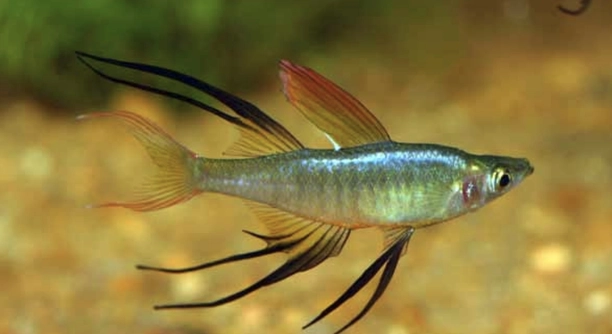
Do you ever notice how threadfin tanks look brighter and more inviting with natural sunlight streaming in? Using natural light can change the atmosphere of your tank, making it feel healthier and more lively for your fish.
Natural light in threadfin tanks supports fish health, enhances growth, and maintains a balanced environment. It helps regulate circadian rhythms, reduces algae overgrowth when managed correctly, and can improve water quality by promoting beneficial microorganisms.
Introducing natural light into your tank offers several practical benefits that go beyond mere aesthetics, improving both the environment and the wellbeing of your aquatic life.
Improved Fish Health
Natural light has a big effect on threadfin health. When the tank gets proper sunlight, the fish’s body functions are more regular. Their immune systems strengthen, making them less likely to get sick. Light also encourages natural feeding patterns, which keeps their digestion steady. Fish become more active and display brighter colors, which is a clear sign of good health. Even small amounts of sunlight each day can make a difference. It helps mimic their natural environment, which reduces stress and aggressive behaviors. Stress-free fish are less likely to develop diseases and more likely to thrive in a home tank. Along with proper water care, natural light contributes to a balanced and healthy ecosystem. Over time, consistent light can also improve breeding behaviors, as fish feel more secure and energized. Balancing natural light with shade areas ensures they are comfortable and reduces the risk of overexposure or overheating.
Natural light makes fish calmer and more vibrant, showing visible improvements in behavior and appearance.
Properly using sunlight also benefits the tank itself. Sunlight encourages the growth of beneficial microorganisms, which help break down waste and maintain cleaner water. It supports natural plant growth, providing oxygen and shelter for the fish. Plants that get sunlight thrive, creating a balanced mini-ecosystem inside the tank. Light exposure helps reduce sudden spikes in harmful bacteria or algae when monitored. The combination of healthy fish, thriving plants, and natural microorganisms reduces the need for excessive chemical treatments. By observing how sunlight moves through your tank during the day, you can adjust plants or decorations to optimize both shaded and sunlit areas. This natural rhythm keeps the tank more stable and closer to a natural habitat, which makes maintenance easier and fish care more predictable. Over time, the tank feels livelier, and fish show stronger, more consistent activity patterns. The result is a sustainable, low-stress environment for every inhabitant.
Energy and Growth
Threadfins grow better with natural light. Even small daily exposure improves metabolism and overall vitality.
Sunlight stimulates natural growth patterns in fish, helping them develop more evenly and maintain a healthy weight. It supports energy levels for swimming, exploring, and interacting with plants, which promotes muscle development and endurance. Over time, consistent light exposure results in stronger, more resilient fish that are better equipped to handle minor illnesses. It also encourages natural behaviors, such as schooling and foraging, which reduce boredom and stress. Maintaining a balance of light and shade is crucial, as too much direct sunlight can overheat the water or encourage algae growth. Observing your tank throughout the day allows you to optimize light placement for maximum benefit. In addition, natural light supports beneficial plants, which provide food sources and hiding spots. This combination of factors enhances both physical growth and emotional well-being, ensuring your threadfins thrive in a safe, natural-feeling environment. Proper lighting is a key factor that directly influences energy, coloration, and overall development of your fish.
Reduced Algae Growth
Proper use of natural light can limit algae problems. By controlling light exposure, algae growth is kept in check while plants and fish thrive.
Balancing sunlight with shaded areas prevents excessive algae from taking over the tank. Too much direct light can encourage algae, but moderate exposure supports plant health without promoting unwanted overgrowth. Observing how light enters your tank allows you to adjust its intensity and duration, creating a stable environment. Beneficial plants compete with algae for nutrients, reducing their spread. Regularly rotating plants or decorations helps maintain consistent light distribution, minimizing algae hotspots. Combining sunlight with careful feeding and cleaning practices further reduces algae buildup. Controlled natural light also keeps water chemistry more balanced, making the tank easier to maintain. Over time, fish are less stressed, and the tank looks cleaner, with plants flourishing in a healthier ecosystem.
Controlled lighting and healthy plants work together to prevent algae, maintaining a clean and stable tank environment.
Algae management is more effective when natural light is planned carefully. Observing the tank throughout the day helps identify areas prone to excess light or shadow. Adjusting the position of plants, rocks, and decorations ensures light reaches essential areas while minimizing algae-friendly spots. Using timers or partial coverings can simulate natural day-night cycles, supporting both plant growth and fish activity. Regularly cleaning surfaces exposed to light further limits algae buildup, allowing plants and microorganisms to thrive. This approach reduces the need for chemical treatments, protecting fish and plants. Over weeks, the tank maintains clarity, plants grow more robustly, and fish show healthier behavior. Natural light, when managed properly, creates a self-sustaining system that reduces algae while keeping the tank visually appealing and balanced for all inhabitants.
Enhanced Plant Growth
Natural light encourages plants to grow stronger and healthier, creating a more balanced and lively tank.
Plants exposed to proper sunlight develop deeper colors and stronger stems. Their leaves spread fully, providing shade and shelter for threadfins. Healthy plants absorb excess nutrients, reducing waste buildup and supporting cleaner water. Sunlight also encourages beneficial photosynthesis, increasing oxygen levels for fish. By observing plant response, you can adjust light exposure to prevent overgrowth or weak, elongated stems. Consistent sunlight strengthens roots and leaves, allowing plants to compete effectively with algae and maintain stability. Aquatic plants create hiding spaces for fish, reducing stress and improving overall tank harmony. Sunlight benefits both aesthetic appeal and the health of the tank ecosystem, enhancing its natural feel.
Regular exposure to sunlight improves photosynthesis, nutrient absorption, and oxygen production, making plants and fish more resilient and active.
Over time, strong plant growth contributes to a sustainable ecosystem. Dense foliage filters light, moderates temperature, and absorbs nitrates. Plants growing under natural sunlight develop symbiotic relationships with beneficial microorganisms, which help decompose waste and maintain water quality. Leafy plants provide secure spaces for fish to explore and rest, reducing stress and aggressive interactions. The combination of sunlight, plant growth, and microbial activity creates a balanced environment that supports long-term fish health. Adjusting sunlight duration and intensity ensures plants thrive without encouraging algae. Healthy roots anchor soil or substrate, preventing erosion and maintaining clear water. This natural cycle reduces the need for artificial interventions, helping the tank remain low-maintenance. Fish become more active, colorful, and resilient, and the tank develops a lively, dynamic appearance that mirrors a natural habitat.
Balanced Circadian Rhythms
Natural light helps threadfins follow a consistent day-night schedule. Regular exposure keeps their internal clocks steady, promoting healthy behavior patterns.
A stable light cycle reduces stress and encourages normal activity levels. Fish become more predictable in feeding and resting, which supports overall wellbeing and prevents erratic behaviors caused by inconsistent lighting.
Reduced Stress Levels
Consistent natural light creates a calming environment for threadfins. Stress is minimized when fish can anticipate daily light changes, reducing aggressive or anxious behaviors. Proper exposure helps fish feel secure, improving interactions within the tank and encouraging natural swimming patterns that reflect a healthy, comfortable habitat.
Energy Efficiency
Using sunlight reduces the need for artificial lighting in the tank. This not only lowers energy consumption but also minimizes heat generated by lamps, keeping water temperature more stable and reducing electricity costs over time.
Visual Appeal
Natural light enhances colors and makes the tank look more vibrant. Fish and plants appear brighter, creating a more lively and attractive environment that highlights the beauty of your aquatic setup.
FAQ
How much natural light do threadfin tanks need daily?
Threadfin tanks benefit from about six to eight hours of indirect sunlight per day. Too much direct sunlight can overheat the water and encourage algae growth. Observing how sunlight moves through the room and adjusting tank placement can help maintain a safe, consistent light schedule. Partial shading or using blinds during peak hours can also prevent excessive light exposure. Maintaining this balance keeps fish healthy, encourages plant growth, and reduces stress levels.
Can natural light replace artificial lighting completely?
In most cases, natural light can reduce the need for artificial lighting but rarely replaces it entirely. Cloudy days, shorter daylight periods, or indoor tank placement may require supplemental lighting to maintain consistent light cycles. Artificial lights can help fill gaps while still allowing fish and plants to benefit from sunlight. Combining natural and artificial light ensures the tank receives enough light for photosynthesis, fish activity, and healthy circadian rhythms.
Will sunlight increase algae in my tank?
Sunlight can encourage algae growth if exposure is too strong or prolonged. To manage this, monitor how sunlight enters the tank, provide shaded areas, and maintain live plants that compete with algae for nutrients. Regular cleaning and water changes also help control algae. By balancing light intensity and duration, you can support plant and fish health while minimizing unwanted algae growth. Controlled sunlight often results in a cleaner, more visually appealing tank.
Is natural light safe for all threadfin tanks?
Natural light is generally safe for threadfin tanks if managed correctly. The tank should avoid direct, intense sunlight for extended periods, which can overheat water and cause stress. Tanks with a lot of plants or reflective surfaces may require extra monitoring to prevent hotspots. By observing fish behavior and water temperature, you can adjust the tank’s placement or use partial shading to maintain a safe and stable environment for both fish and plants.
How does natural light affect fish behavior?
Threadfins respond to natural light with more regular swimming patterns, feeding behaviors, and resting cycles. Fish tend to be more active during daylight hours and calm during darker periods. Consistent light cycles reduce stress and aggression, improve coloration, and encourage natural behaviors such as schooling and exploring. Over time, this contributes to a healthier, more stable tank environment where fish feel secure and thrive.
What precautions should I take when introducing sunlight?
Introduce natural light gradually to prevent shock or sudden temperature changes. Monitor water temperature and fish behavior closely for the first few days. Use partial shading or adjust tank placement to avoid direct midday sun. Gradual exposure allows fish to adapt and ensures plants can benefit without promoting excessive algae. Keeping track of daily light patterns helps maintain a healthy balance between sunlight, artificial light, and shade.
Can natural light improve plant health in threadfin tanks?
Yes, sunlight boosts plant growth and photosynthesis, strengthening stems and leaves while increasing oxygen production. Healthy plants provide shelter for fish, absorb nutrients, and reduce waste buildup. Observing plant responses allows for adjustments in light intensity or duration. Strong plant growth creates a more balanced ecosystem and enhances the overall health and appearance of the tank.
Does natural light affect water temperature?
Sunlight can slightly raise water temperature, depending on the tank’s location and exposure. Monitoring water temperature ensures it stays within safe levels for threadfins. Using shading, partial coverings, or adjusting tank placement can prevent overheating. Stable water temperature reduces stress and supports consistent fish activity and growth.
How do I balance natural and artificial light effectively?
Combine natural and artificial light by supplementing sunlight on cloudy days or during shorter daylight periods. Use timers to maintain consistent light cycles and prevent overexposure. Observing fish and plant health helps determine if adjustments are needed. A balanced approach ensures consistent circadian rhythms, supports plant growth, and prevents algae proliferation.
Will natural light improve fish coloration?
Yes, consistent sunlight enhances the natural colors of threadfins. Fish appear brighter and more vibrant, reflecting overall health. Healthy plants combined with natural light provide a visually appealing backdrop that highlights the fish’s colors. Properly balanced light also reduces stress, which further contributes to vivid coloration.
This FAQ provides practical guidance on managing natural light in threadfin tanks, helping fish, plants, and the overall tank ecosystem thrive. Proper observation, gradual exposure, and balance between light sources ensure a healthier and more visually appealing environment.
Final Thoughts
Using natural light in threadfin tanks offers more than just a brighter appearance. Proper exposure helps fish follow regular day-night cycles, reduces stress, and supports healthier behavior. Fish become more active and display their natural colors, which is a clear sign of wellbeing. Sunlight also benefits tank plants, encouraging stronger growth, more oxygen, and improved water quality. These plants provide hiding spots for fish, which helps reduce aggressive behaviors and creates a calmer environment. Over time, the combination of natural light, healthy plants, and consistent water maintenance produces a balanced, low-stress ecosystem that supports long-term fish health.
Managing natural light carefully is important to avoid unwanted effects. Direct, intense sunlight can overheat water and encourage algae growth, which could harm both plants and fish. To prevent this, it helps to monitor the tank throughout the day, noting areas of full sun versus shade. Using blinds, partial coverings, or adjusting the tank’s location can help maintain a stable light environment. Combining sunlight with moderate artificial lighting ensures that fish and plants continue receiving the light they need during cloudy days or shorter daylight periods. Gradual introduction of sunlight and regular observation allow fish to adapt and thrive without disruption to their natural patterns.
The benefits of natural light go beyond fish and plants. It also improves the overall visual appeal of the tank, making colors appear brighter and creating a more lively, inviting setup. Healthy plants and fish contribute to a more natural-feeling aquatic environment, which is easier to maintain with less reliance on chemical treatments. Over time, careful use of sunlight reduces maintenance challenges while supporting a sustainable ecosystem. By balancing natural and artificial light, keeping the tank monitored, and making small adjustments as needed, threadfin tanks can flourish. Natural light is a simple, effective way to improve fish health, plant growth, and overall tank vitality, creating a harmonious aquatic environment that is both functional and beautiful.

Hello,
If you enjoy the content that we create, please consider saying a "Thank You!" by leaving a tip.
Every little bit helps us continue crafting quality advice that supports the health, happiness, and well-being of pets around the world, for pets of all shapes, sizes, and species.
We really appreciate the kindness and support that you show us!