
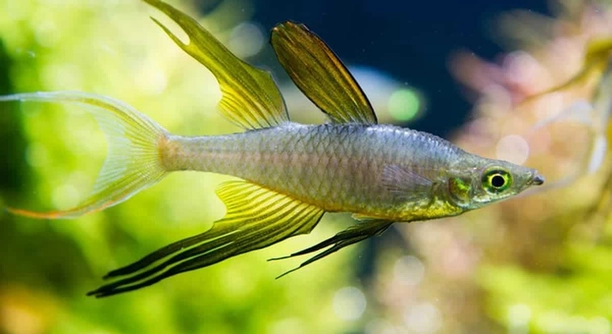
Threadfin Rainbowfish are lively and colorful fish that many aquarium enthusiasts enjoy keeping. Their playful movements make them fun to watch, especially when they swim in groups, exploring every corner of their tank. These fish are active and social.
Threadfin Rainbowfish interact with air stones primarily through gentle curiosity and swimming behavior. They often investigate the rising bubbles, using them as points of interest while maintaining natural swimming patterns without showing signs of stress or avoidance.
Observing how these fish respond to air stones can give insights into their behavior and help improve aquarium setups for a healthier, more engaging environment.
How Air Stones Affect Swimming Patterns
Threadfin Rainbowfish often adjust their swimming when near air stones. The rising bubbles create small currents, which the fish use to change direction or speed. They may hover near bubbles, dart through them, or swim alongside the stream without showing stress. In my tank, I noticed they tend to gather in groups around air stones during feeding times, possibly using the bubbles as a guide or point of interest. Over time, I saw them exploring different areas around the bubbles, sometimes nudging each other gently or pausing briefly to inspect the streams. The presence of an air stone encourages more movement, keeping them active and stimulating their natural curiosity. Observing these subtle changes in behavior can make maintaining a tank more engaging and helps me better understand what conditions my fish enjoy. Proper placement and consistent airflow are key to maintaining a comfortable environment.
Air stones mainly promote gentle, active movement without causing noticeable stress.
This interaction shows that air stones are more than decoration. The currents help maintain water circulation, keeping oxygen evenly distributed. For Threadfin Rainbowfish, this means better health and more consistent swimming routines. Over time, I noticed less lethargy and more playful behavior, suggesting that small environmental changes can positively impact overall wellbeing.
Placement Tips for Threadfin Rainbowfish
Air stones should be placed where bubbles can flow freely without obstructing swimming space.
Proper placement ensures the fish can interact naturally while exploring other areas. I learned that positioning the stones at mid-tank height prevents clustering at the bottom and encourages movement throughout the tank. Adjusting airflow gently avoids overly strong currents that can stress smaller fish. Watching the fish’s responses helped me find the right balance, keeping them active and calm.
Observing Feeding Behavior
Threadfin Rainbowfish often swim near air stones during feeding. The bubbles create movement that seems to attract them, making them more active and alert.
I noticed that when flakes or pellets are added, the fish tend to dart around the rising bubbles before settling to eat. This behavior appears natural and unforced. The bubbles may help disperse food particles slightly, encouraging exploration and interaction. In my tank, the fish often return to the same bubble streams during feeding, suggesting they associate this area with activity and food. Over time, I’ve seen this pattern become consistent, showing that air stones can subtly influence feeding habits.
Watching their interaction with air stones during meals highlights how environmental factors affect behavior. They sometimes pause near clusters of bubbles, seemingly using them as markers while selecting food. This adds a small layer of enrichment to their daily routine, improving overall engagement.
Bubble Size and Fish Response
Smaller, finer bubbles seem to be more appealing to Threadfin Rainbowfish than larger, coarse bubbles.
In my experience, fine bubbles create gentle currents that the fish swim through comfortably. Coarser bubbles can startle them or cause brief avoidance, especially if the flow is strong. Fine bubbles encourage hovering and short bursts of swimming while exploring, which keeps them active without causing stress. I’ve observed that fish often circle around these streams or gently nudge them, showing curiosity. Over time, these interactions promote consistent activity throughout the tank, helping maintain their energy levels and encouraging healthy swimming patterns.
The response to bubble size also affects group behavior. When all air stones produce similar fine bubbles, the fish distribute more evenly instead of clustering in one corner. This prevents overcrowding and promotes balanced exploration. Adjusting bubble size and placement allows me to create a more natural environment where each fish can move freely, interact gently, and maintain healthy social behavior.
Interaction with Tank Mates
Threadfin Rainbowfish generally interact calmly with other fish near air stones. They swim alongside without showing aggression, using the bubbles as neutral territory.
I’ve seen them share the space peacefully, occasionally following each other through the rising bubbles. This seems to encourage mild social interaction without tension.
Air Stone Maintenance
Keeping air stones clean is important for consistent bubble flow. Over time, mineral buildup or algae can reduce effectiveness. I usually soak mine in a mild solution and gently scrub to remove deposits. Regular maintenance ensures steady currents, which keeps the fish active and prevents stagnation in certain areas of the tank.
Observing Long-Term Behavior
Over weeks, Threadfin Rainbowfish tend to return to familiar bubble streams. They develop predictable routines around the air stones.
FAQ
How do Threadfin Rainbowfish react when air stones are first introduced?
When I added air stones to my tank, the fish were curious but cautious. At first, they hovered nearby, inspecting the bubbles without touching them. Within a day or two, they began swimming through the streams confidently, showing no signs of stress. This initial observation suggests that these fish adapt quickly to small environmental changes. Air stones seem to provide subtle enrichment, making them explore more actively, and their behavior gradually normalizes as they incorporate the bubbles into their usual swimming patterns.
Do air stones improve oxygen levels for Threadfin Rainbowfish?
Yes, air stones help maintain consistent oxygen levels throughout the tank. In my experience, fish tend to swim more actively near areas with better oxygen circulation. While these rainbowfish can survive in moderate oxygen conditions, the gentle currents created by air stones enhance water movement, preventing stagnant areas. Over time, this supports better health, more energetic swimming, and reduced stress. Regularly checking bubble flow ensures the air stone continues to distribute oxygen evenly, benefiting both the fish and the overall tank ecosystem.
Can air stones cause stress or harm to Threadfin Rainbowfish?
Air stones are generally safe when airflow is moderate. In my tank, I noticed that extremely strong currents made the fish temporarily avoid certain areas. Fine, gentle bubbles encourage natural swimming and curiosity, while coarse, high-pressure streams can startle them. Monitoring bubble size and placement is key. Adjusting the air pump or using diffusers allows the fish to interact comfortably without negative effects, keeping them healthy and engaged.
Do all Threadfin Rainbowfish interact the same way with air stones?
Not all fish respond identically. In my experience, some individuals are more curious, hovering around bubbles frequently, while others pass through occasionally. Social dynamics can influence interaction, as more active fish sometimes lead others to explore. Observing your fish allows you to understand their preferences, ensuring each one enjoys the enriched environment created by the air stones. Over time, these differences usually balance out as they become familiar with the bubble patterns.
How often should air stones be cleaned or replaced?
Air stones should be checked regularly. In my tank, I clean them every few weeks to remove algae and mineral buildup. Soaking in a mild solution and gentle scrubbing restores bubble flow. Depending on quality and usage, stones may eventually need replacement after months of consistent operation. Maintaining clean air stones ensures steady currents, which supports healthy swimming and consistent interaction for the fish.
Do air stones affect feeding behavior in Threadfin Rainbowfish?
Yes, I noticed the fish often explore bubbles before feeding, sometimes darting through them or hovering nearby. This activity seems to make them more alert and active, encouraging efficient feeding. Air stones can also slightly disperse food particles, helping them locate flakes or pellets naturally. Over time, this interaction supports consistent feeding patterns while keeping them engaged in the tank.
Can multiple air stones be used in a single tank?
Using multiple air stones can be beneficial. I placed two in different corners of my tank, which encouraged more balanced swimming and reduced overcrowding around one stone. Fish explored various areas without stress, and oxygen distribution was more even. Careful placement ensures currents don’t conflict, keeping swimming patterns natural and maintaining a healthy, active environment for all fish.
Are certain types of air stones better for Threadfin Rainbowfish?
I found that fine-pore air stones are the most suitable. They create gentle bubbles that encourage interaction without startling the fish. Coarser stones may produce strong currents, which some fish avoid. Choosing the right size and pore type ensures the fish remain comfortable while still benefiting from increased water circulation and environmental enrichment.
Do air stones affect social behavior?
Yes, mild currents created by air stones seem to promote subtle social interaction. Fish sometimes swim together through bubbles or follow each other near the streams. In my tank, this led to more cohesive schooling behavior, with less crowding in specific areas. Balanced placement and consistent airflow help maintain positive interactions and reduce territorial disputes among the rainbowfish.
How can I tell if my fish are enjoying the air stones?
Signs of comfort include consistent swimming near bubbles, occasional hovering, and playful darting without signs of stress. In my experience, healthy interaction involves curiosity without avoidance. Fish that consistently return to bubble streams while maintaining normal feeding and swimming routines are likely benefiting from the air stones, indicating a positive addition to their environment.
Final Thoughts
Threadfin Rainbowfish are active and social fish that respond well to small environmental enhancements like air stones. From my observations, these fish are naturally curious, and the gentle currents created by air stones encourage exploration. They often swim through the rising bubbles, hover nearby, and interact subtly with tank mates, which adds a layer of enrichment to their daily routine. Over time, I noticed that my rainbowfish became more confident and maintained consistent swimming patterns, suggesting that the presence of air stones can positively influence behavior. They do not appear stressed by moderate airflow, and the interaction between the bubbles and their natural movements can create a more engaging and dynamic tank environment. For anyone keeping Threadfin Rainbowfish, incorporating air stones thoughtfully seems to support their physical activity and overall wellbeing.
Air stones also help with practical aspects of tank maintenance. The small currents they create improve water circulation, which can prevent stagnant areas and distribute oxygen more evenly. This is especially useful for maintaining a healthy environment for active fish like Threadfin Rainbowfish. In my experience, properly placed air stones prevent clustering in certain areas and encourage swimming throughout the tank, which supports balanced interaction between fish. It is important to monitor airflow, bubble size, and placement to ensure the fish remain comfortable and stress-free. Fine-pore air stones tend to work best, providing gentle bubbles that the fish can interact with naturally. Cleaning the air stones regularly is also necessary to maintain consistent bubble flow and prevent buildup that could disrupt water movement. By keeping these factors in mind, air stones can contribute to both the health of the fish and the stability of the tank environment.
Finally, observing how Threadfin Rainbowfish interact with air stones can be a rewarding part of aquarium keeping. Each fish has its own personality, and watching their responses can help in understanding their preferences and habits. Some fish may be more curious, frequently swimming through bubbles, while others may simply hover nearby, enjoying the gentle currents. Over weeks, they develop predictable routines around the air stones, returning to familiar streams and exploring new areas. This behavior highlights how even small changes in the tank environment can have noticeable effects on activity and social interaction. Consistent use of air stones, along with attention to bubble size and placement, ensures that the fish remain healthy, active, and engaged in their habitat. Incorporating these elements thoughtfully can make a positive difference in both the daily life of the fish and the overall enjoyment of maintaining a lively, balanced aquarium.

Hello,
If you enjoy the content that we create, please consider saying a "Thank You!" by leaving a tip.
Every little bit helps us continue crafting quality advice that supports the health, happiness, and well-being of pets around the world, for pets of all shapes, sizes, and species.
We really appreciate the kindness and support that you show us!