
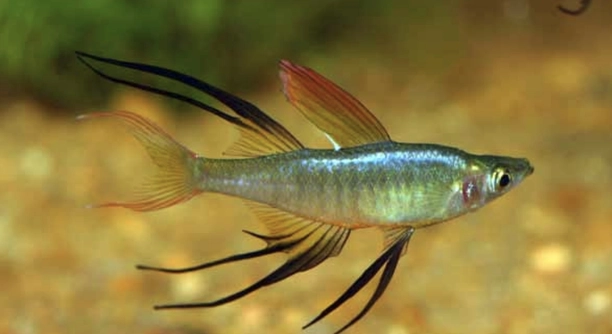
Threadfin Rainbowfish are admired for their shimmering colors and active swimming patterns. Many aquarists enjoy keeping them, yet some struggle when these usually peaceful fish start showing unexpected aggression in community tanks. Observing their behavior closely can help.
Aggression in Threadfin Rainbowfish is often caused by small, overlooked mistakes in their care environment. Common factors include improper tank size, inadequate hiding spaces, imbalanced group numbers, inconsistent feeding routines, poor water quality, and abrupt changes in lighting or temperature, which can trigger stress.
Recognizing these minor errors early allows owners to create a harmonious environment. Addressing them effectively helps ensure the fish remain healthy, active, and peaceful within their aquarium setting.
Overcrowding in the Tank
Keeping too many Threadfin Rainbowfish in a small tank often leads to increased stress and aggression. These fish are active swimmers and need ample space to move freely. When space is limited, dominant fish may chase or nip at others, creating tension. Overcrowding can also affect water quality, as more waste accumulates faster, which further stresses the fish. Adding enough room and proper hiding spots can reduce fights and promote calmer behavior. Observing fish interactions regularly helps catch early signs of bullying before it escalates.
Limiting the number of fish based on tank size prevents unnecessary aggression and supports their overall well-being.
Even when a tank seems large enough, monitoring swimming patterns is essential. Fish that are constantly hiding or being chased may indicate too many individuals in one area. Balancing the number of fish with tank size, decorations, and plants ensures each fish has space to claim a territory. Careful planning of stocking density encourages natural social behavior while minimizing aggression. Providing at least 10 gallons per adult fish is recommended, along with a combination of open swimming areas and shaded zones. Adjusting the layout, adding visual barriers, and maintaining clean water reduces stress, allowing the Rainbowfish to exhibit their colorful, active personalities without constant conflict.
Improper Feeding Habits
Feeding Threadfin Rainbowfish inconsistently or with poor-quality food can increase aggression.
When fish feel hungry or compete for limited food, they become more likely to chase and nip at each other.
A consistent feeding schedule is crucial. Offering high-quality, nutrient-rich food helps maintain their health and reduces competition. Feeding multiple times in small amounts prevents dominant fish from hoarding food. Observing how fish eat can help identify if some individuals are being outcompeted, which may require hand-feeding or spreading food across the tank. Rotating food types, such as flakes, pellets, and occasional live food, ensures balanced nutrition and keeps the fish occupied. Avoid overfeeding, as leftover food can foul water, leading to stress and heightened aggression. Well-fed, satisfied Rainbowfish are calmer and less prone to chasing behavior, making the tank more peaceful overall. Consistent care and attention to feeding patterns directly influence their interactions and long-term health.
Lack of Hiding Spots
Without enough hiding spots, Threadfin Rainbowfish can become stressed and aggressive. Plants, rocks, and decorations provide refuge, reducing confrontations and giving shy fish a place to rest.
Providing varied hiding places allows fish to establish territories without constant conflict. Dense plants, caves, and driftwood break up open spaces, helping subordinate fish feel secure. When every fish has access to at least one hiding spot, chasing decreases significantly. Open areas are still needed for swimming, but blending them with shelter creates a balanced environment. Observing which areas are frequently used can guide adjustments, ensuring all fish feel safe. Temporary rearrangements or adding new decorations can help alleviate tension and prevent fights before they escalate, keeping the tank calm.
Even small additions like floating plants or small rock stacks can make a noticeable difference. Fish often use these to escape aggressive peers, rest, or explore safely. Regularly refreshing the tank layout helps maintain interest, reduces boredom, and encourages natural behavior. A mix of shaded and open areas ensures that both dominant and shy individuals coexist peacefully. By adjusting hiding options over time, you create a more dynamic and harmonious tank environment where Rainbowfish can thrive without constant stress or aggression.
Improper Tank Temperature
Threadfin Rainbowfish require stable, warm temperatures to remain healthy. Fluctuations can cause stress, which often leads to increased aggression among tankmates.
Sudden drops or spikes in temperature disrupt metabolism and make fish irritable. Maintaining water between 75–82°F supports normal behavior and reduces stress-related fights.
Using a reliable heater and thermometer ensures consistent conditions. Even minor variations can trigger rapid changes in fish activity levels, causing dominant individuals to chase others. Gradually adjusting temperature during maintenance prevents shock. Regular monitoring and proper equipment help maintain a stable environment. Consistent warmth also supports immune function, reducing disease risk and the chance of aggression caused by weakened fish. Ensuring temperature stability combined with good water quality creates a calm, balanced habitat for Threadfin Rainbowfish.
Inconsistent Water Quality
Poor water quality can quickly trigger stress and aggression in Threadfin Rainbowfish. Ammonia, nitrite, and nitrate spikes irritate their gills and disrupt behavior.
Regular water changes and monitoring keep chemical levels safe. Clean, stable water prevents stress-induced fights and supports overall health.
Incorrect Group Size
Threadfin Rainbowfish are social fish that thrive in groups. Too few or unevenly matched numbers often lead to dominance struggles and chasing. Keeping at least six individuals balances hierarchy and reduces aggressive encounters.
Sudden Lighting Changes
Abrupt changes in lighting can startle Rainbowfish, causing short bursts of aggression. Using gradual transitions or dimmers maintains a calm, predictable environment for all tank inhabitants.
What causes Threadfin Rainbowfish to become aggressive?
Aggression in Threadfin Rainbowfish is usually linked to stress. Stress can stem from overcrowding, poor water quality, sudden changes in temperature, or lack of hiding spots. Even minor issues like inconsistent feeding or abrupt lighting changes can trigger nipping, chasing, or territorial behavior. Stress makes fish more reactive and increases conflict.
How can I reduce aggression in my tank?
Providing enough space, hiding spots, and stable conditions is key. Keeping a proper group size helps balance hierarchy, while consistent feeding routines prevent competition. Regular water changes, monitoring temperature, and maintaining clean tanks also reduce stress, which in turn lowers aggression. Strategic placement of plants and decorations gives fish areas to retreat.
How many Threadfin Rainbowfish should I keep together?
These fish are social and do best in groups of at least six. Smaller numbers can result in dominance struggles, where stronger fish chase or bully weaker ones. Larger groups help distribute aggression, ensuring no single fish is constantly targeted. Balanced group sizes create a more peaceful tank environment.
What are the signs of aggression I should watch for?
Look for chasing, nipping at fins, or isolated fish hiding excessively. Torn fins, scratches, or pale coloration can also indicate stress or ongoing fights. Aggressive behavior often appears around feeding time or when fish compete for territory, so observing their daily patterns is important.
Does diet affect aggression?
Yes. Inconsistent feeding or low-quality food can increase competition, leading to aggressive encounters. Feeding small amounts multiple times daily, using a variety of flakes, pellets, and occasional live food, ensures all fish receive nutrients without triggering fights over scarce resources.
Can tank layout influence behavior?
Absolutely. Open spaces without visual barriers can lead to constant chasing. Plants, rocks, caves, and decorations allow fish to establish territories and retreat when threatened. Rearranging the tank occasionally also stimulates natural exploration and reduces boredom-related aggression.
How important is water quality?
Water quality is critical. High ammonia, nitrite, or nitrate levels stress fish, making them more aggressive. Regular water testing, partial water changes, and a proper filtration system maintain a healthy environment. Stable water parameters help Rainbowfish remain calm and reduce unnecessary conflict.
Does temperature affect aggression?
Yes. Threadfin Rainbowfish prefer stable temperatures between 75–82°F. Sudden drops or spikes can irritate fish and trigger chasing or nipping. Using a reliable heater and thermometer, and adjusting temperature gradually during maintenance, helps keep behavior calm and predictable.
Are there any environmental factors that worsen aggression?
Loud noises, sudden movements near the tank, or inconsistent lighting can increase stress. Fish may react with short bursts of aggression. Minimizing disturbances and providing a stable, quiet environment supports peaceful interactions. Gradual changes in lighting and gentle handling during tank maintenance are beneficial.
When should I intervene in aggressive behavior?
Intervene if fish are constantly chasing or injuring others. Temporary separation or rearranging hiding spots can diffuse tension. Correcting water quality, feeding routines, or group size may also be necessary. Monitoring fish closely ensures that interventions address the root cause, not just symptoms.
Can aggression affect fish health long-term?
Yes. Constant stress and injuries from aggression weaken the immune system, making fish more susceptible to disease. Maintaining proper care, nutrition, and tank conditions prevents long-term health issues and ensures Rainbowfish remain active and vibrant.
Is aggression normal during breeding?
Mild aggression can occur during breeding, as males compete for females. Providing additional hiding spots and separating overly aggressive individuals temporarily helps reduce injuries and stress, ensuring the breeding process proceeds safely.
How do I know if my tank setup is appropriate?
A calm, balanced tank with minimal chasing, healthy fish, and proper water quality indicates a suitable setup. Observing fish behavior daily allows early detection of stressors. Adjusting decorations, group size, or feeding patterns ensures a harmonious environment.
Can aggressive behavior be completely eliminated?
Not entirely, as natural hierarchy and territorial instincts exist. However, proper tank management, stable conditions, and attentive care significantly reduce aggression and create a peaceful community for Threadfin Rainbowfish.
What preventive measures work best?
Consistent feeding, regular water testing, stable temperature, and adequate hiding spots are most effective. Keeping recommended group sizes, avoiding overcrowding, and gradually adjusting environmental changes prevent stress-induced aggression. Monitoring fish interactions helps maintain long-term harmony in the tank.
Threadfin Rainbowfish are beautiful, active fish that bring life and color to any aquarium. They are generally peaceful, but small errors in their care can quickly lead to stress and aggression. Understanding the factors that influence their behavior is important for maintaining a calm tank. Overcrowding, lack of hiding spots, inconsistent feeding, poor water quality, sudden temperature changes, and abrupt lighting adjustments are common triggers. Each of these issues may seem minor on its own, but together they can create tension and lead to chasing, fin nipping, and other aggressive behaviors. Paying attention to these details allows owners to correct problems early, which helps maintain a balanced environment for all tank inhabitants.
Providing the right tank setup is a major step in preventing aggression. Threadfin Rainbowfish need sufficient space to swim freely, as well as decorations, plants, and caves that serve as hiding spots. A combination of open swimming areas and sheltered zones allows fish to establish territories and retreat when stressed. Group size also matters; keeping at least six individuals helps distribute social pressure and reduces the likelihood of dominance-related aggression. Additionally, consistent feeding routines and high-quality food keep fish satisfied, reducing competition and associated fighting. Maintaining stable water quality and temperature is equally important. Frequent testing and proper equipment ensure a safe environment that supports healthy, calm behavior. Gradual adjustments in lighting or tank layout can also help reduce stress and encourage natural social interactions among the fish.
Monitoring behavior and adjusting care based on observation is essential for long-term success. Aggression often signals underlying stressors, and early intervention can prevent injuries and illness. Rearranging decorations, adding more hiding spots, adjusting feeding practices, or separating overly aggressive individuals temporarily can make a significant difference. Even with careful management, some natural hierarchy will always exist, but providing consistent care, stable conditions, and attention to fish behavior ensures a peaceful, healthy tank. By addressing the factors that influence aggression, owners can enjoy the vibrant colors and lively activity of Threadfin Rainbowfish while minimizing conflicts and stress in their aquatic environment.

Hello,
If you enjoy the content that we create, please consider saying a "Thank You!" by leaving a tip.
Every little bit helps us continue crafting quality advice that supports the health, happiness, and well-being of pets around the world, for pets of all shapes, sizes, and species.
We really appreciate the kindness and support that you show us!