
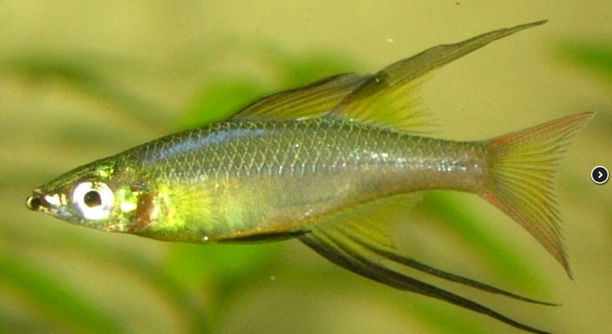
Have you ever noticed your threadfins showing new behaviors and wondered if they might be preparing for breeding? Recognizing the early signs can help you better understand their needs and ensure a supportive environment.
Threadfins display specific physical and behavioral signals when they are ready to breed. These clues include changes in coloration, increased activity, and territorial displays. Identifying these behaviors allows aquarists to prepare optimal conditions, supporting successful breeding outcomes and maintaining healthy fish populations.
Observing these signs will give you a clearer picture of your threadfins’ readiness and help you provide the best care possible.
Brightening Colors as a First Sign
When threadfins are nearing breeding readiness, their colors often become more vibrant and noticeable. Males, in particular, display brighter shades that stand out under proper lighting. This change is not simply for appearance but serves a functional role. The intensified hues signal their health and ability to mate successfully. Color changes often begin subtly, with slight deepening of tones, before developing into more dramatic shades as readiness increases. These signals are helpful for aquarists since they allow early detection of breeding behavior. By monitoring these shifts, you can begin preparing your tank for breeding conditions. Subtle color transformations should be taken seriously, as they can be the first clue that your threadfins are entering a reproductive stage. Providing a balanced diet, clean water, and reduced stress will help these colors shine and encourage more consistent displays. This makes visual observation one of the easiest tools for identifying readiness.
Color changes provide valuable clues, but they are only part of the larger process of breeding readiness.
Understanding color variation can help you feel more connected to your fish while preparing the environment for possible breeding. By recognizing these patterns, you can ensure healthier interactions and greater chances of success in your aquarium.
Increased Activity and Movement
Increased movement and activity are strong indicators of threadfin breeding readiness. Fish that are preparing to spawn often become more energetic, swimming rapidly and interacting frequently with others. This activity can include quick darting motions and consistent pacing around specific areas of the tank. Observing these behaviors allows aquarists to identify potential spawning phases and adjust care routines. Proper water conditions and diet can influence these movements, as healthier fish show stronger, more noticeable behaviors. In many cases, males will pursue females persistently, displaying determination through fast movements and circling actions. These patterns are not random; they reflect instinctive behavior linked to reproduction. Monitoring this activity will give you insights into the timing of breeding and help you prepare. With the right environment, these signs can lead to successful spawning, giving aquarists the opportunity to observe natural processes in their tanks while supporting fish well-being at every stage.
Territorial Behavior Around the Tank
Threadfins often show territorial behavior when breeding readiness approaches. Males may claim small areas, displaying dominance by chasing away others. These actions help establish control and prepare safe spots, signaling that spawning conditions are becoming more favorable in the aquarium environment.
Territorial actions often appear suddenly, with males focusing on specific corners, plants, or decorations within the tank. They may spend more time circling, guarding, or defending these spaces, creating a clear sign of their intentions. This behavior can also include flaring fins or showing off brighter colors while keeping other fish at a distance. Providing enough hiding spaces and separating aggressive individuals can help reduce stress. Careful observation of these patterns is important since they indicate a strong phase of readiness. By recognizing territorial shifts, aquarists can prepare the environment for breeding while avoiding conflicts that may arise among tankmates during this stage.
Territorial behavior also creates opportunities to guide conditions toward breeding success. By adjusting the tank setup to include more cover and designated areas, aquarists encourage threadfins to display natural interactions without excessive conflict. Males often maintain their selected zones with great persistence, so monitoring is essential. Supporting these instincts helps align the aquarium more closely with natural breeding conditions.
Display of Courtship Behavior
Courtship behavior is another telling clue that breeding is near. Males frequently interact with females in noticeable ways, using movements, colors, and persistence to gain attention. These displays often appear rhythmic, repetitive, and intentional, signaling readiness while strengthening bonding between the fish.
Courtship can include side-by-side swimming, gentle nudging, or circling movements designed to guide females toward chosen spaces. In many cases, males will flare their fins to emphasize their health and capability, while females may respond with acceptance or avoidance behaviors. These patterns, though subtle at times, are key indicators of a pair forming. Aquarists should watch closely for these moments, as they often signal that spawning may occur soon. Careful preparation, such as ensuring balanced diets and stress-free surroundings, enhances the likelihood of success. Recognizing courtship behaviors allows aquarists to appreciate these natural interactions while helping threadfins move toward a healthy breeding outcome.
Nesting Interest and Preparation
Threadfins may begin showing interest in certain surfaces or plants when breeding readiness develops. Males and females both inspect these areas closely, returning repeatedly as if testing the environment. This behavior often signals preparation for spawning and egg placement.
Aquarists often notice males encouraging females toward chosen areas. Subtle nudges, fin displays, and protective movements around selected spots are common. These actions reflect natural instincts to secure safe conditions for breeding, making close observation useful for recognizing readiness.
Changes in Appetite
Shifts in appetite are another indicator of breeding readiness. Some threadfins show increased feeding behavior, storing energy for spawning, while others may temporarily eat less as attention shifts to breeding activities. Monitoring these patterns provides important insights into readiness and overall condition.
Restlessness and Pacing
Restlessness often appears as pacing or constant swimming in certain patterns. Threadfins may circle areas repeatedly or remain highly active without clear purpose. These restless movements reflect heightened energy and signal the final stages of preparation for breeding readiness in the tank.
FAQ
How can I tell if my threadfins are ready to breed?
Threadfins show readiness through visible changes in color, increased activity, and behaviors like chasing or guarding spaces. Males typically display brighter shades and spend time near females. Courtship movements, nudging, or fin displays are clear signs that breeding behavior is underway.
Do males and females behave differently during breeding readiness?
Yes, males and females show different behaviors. Males usually become more colorful, territorial, and persistent in pursuit of females. Females may appear more cautious at first, responding with avoidance or acceptance depending on their condition. Eventually, cooperative movements often confirm readiness to spawn.
What tank conditions support breeding readiness in threadfins?
Stable water quality, appropriate temperatures, and clean conditions are essential. Threadfins thrive when the water is clear and oxygen-rich. Providing live plants, hiding spaces, and gentle filtration helps mimic natural habitats. Balanced diets with protein-rich foods further encourage stronger breeding behaviors and overall vitality.
Why does coloration change during this stage?
Coloration changes signal health and reproductive potential. Brighter hues make males more attractive to females while also displaying dominance to rivals. These colors serve as visual communication, showing that the fish is capable of producing healthy offspring and successfully protecting territory for breeding.
What role does diet play in breeding readiness?
Diet directly affects readiness. Protein-rich foods like brine shrimp or daphnia strengthen energy reserves and improve coloration. Consistent feeding routines help females develop eggs and support males in sustaining active courtship behaviors. A balanced diet ensures healthier breeding interactions and better outcomes overall.
How important is territorial behavior in breeding preparation?
Territorial behavior is significant, especially for males. By guarding chosen spaces, males create safe zones for spawning. This behavior reduces competition and provides females with secure environments. Observing and managing territoriality helps prevent stress among tankmates while supporting natural breeding instincts.
Do threadfins become aggressive when breeding?
Aggression may increase slightly, mostly from males defending areas or pursuing females persistently. While not usually harmful, this behavior should be monitored. Providing multiple hiding places and adequate space allows females to avoid stress and reduces conflict, ensuring healthier interactions within the tank.
How does restlessness connect to breeding readiness?
Restlessness often reflects heightened energy and hormonal shifts. Threadfins may pace, swim in circles, or remain active without reason. This increased movement is tied to natural instincts, preparing them physically for spawning while signaling their elevated state of readiness to others.
Are there risks if signs of readiness are ignored?
Ignoring these signs can cause stress or missed opportunities for successful breeding. Unprepared conditions may lead to aggression, failed spawning, or weakened health. Recognizing and responding to readiness ensures better care and encourages natural behaviors that benefit both fish and aquarists.
Can threadfins breed without aquarist preparation?
Yes, threadfins may breed naturally in favorable conditions, but preparation improves outcomes. Proper tank setups, nutrition, and stress reduction significantly increase the chances of successful spawning. By creating supportive environments, aquarists can help threadfins express healthier, more natural breeding behaviors consistently.
What signs confirm that spawning is about to happen?
Signs include close pairing, circling behaviors, nudging, and focus on specific surfaces or plants. Males may lead females to chosen spots repeatedly. When both fish remain cooperative and persistent, it strongly suggests spawning is likely to occur soon.
How long do these behaviors usually last?
Breeding behaviors can last for days or weeks, depending on tank conditions and the health of the fish. Extended displays of coloration, courtship, and activity may continue until successful spawning happens or until conditions shift away from readiness.
Is it necessary to separate breeding pairs from others?
Separation is not always required, but it can improve breeding success. Isolating pairs reduces stress from other fish and limits interruptions during spawning. If aggression escalates, separating the breeding pair into a designated tank ensures a safer environment for both adults and eggs.
Do females always respond to males immediately?
No, females may take time to respond. They might initially avoid males until conditions feel suitable. Patience is important, as consistent behaviors from males eventually encourage cooperation. Females that remain uninterested may simply not be ready or may require better environmental support.
What happens if spawning is unsuccessful?
If spawning does not occur, fish may return to normal behavior temporarily. However, given proper care, they usually attempt again. Ensuring stable water quality, strong diets, and reduced stress increases the chances of success in future breeding attempts.
How can I encourage consistent breeding attempts?
Consistency comes from maintaining optimal water quality, healthy feeding routines, and minimal stress. Providing shaded areas, live plants, and controlled lighting also supports regular spawning. When fish feel safe and strong, they are more likely to display reliable breeding behaviors.
Do threadfins require specific lighting for breeding readiness?
Lighting influences both behavior and coloration. Moderate, natural-style lighting highlights colors and supports natural rhythms. Bright, harsh lighting may cause stress, while dim lighting may reduce visibility of displays. Balanced lighting helps fish feel secure and promotes consistent breeding activity.
What should I avoid during breeding readiness?
Avoid sudden water changes, loud disturbances, or introducing new aggressive tankmates. These factors disrupt natural behaviors and may delay breeding. Keeping the environment calm, predictable, and supportive ensures that fish remain focused on breeding rather than reacting to stressors.
Why is observing these signs important for aquarists?
Observation helps aquarists understand natural behaviors, prepare conditions, and support successful breeding. By recognizing readiness early, aquarists can take steps that improve outcomes while strengthening the overall health and well-being of their threadfins in the long term.
Final Thoughts
Threadfins display clear and recognizable behaviors when they are preparing to breed, and these clues can be observed with careful attention. Subtle changes like brighter colors, restlessness, and courtship actions all point toward breeding readiness. These signs are valuable for aquarists because they allow for early preparation, which can improve both the comfort of the fish and the chances of successful spawning. By recognizing these natural behaviors, aquarists gain a better understanding of their fish while also learning how to provide the support needed during these important stages. Every behavior, from territorial actions to appetite changes, plays a part in signaling readiness, and paying attention to these details helps maintain a healthier aquarium environment.
Providing the right conditions in the tank is essential when threadfins begin showing breeding behaviors. Clean water, balanced diets, proper lighting, and enough hiding spaces all contribute to a supportive setting for spawning. Without these elements, readiness may not progress smoothly, and stress can reduce the chances of successful breeding. Aquarists who take time to prepare their tanks properly create opportunities for natural processes to unfold in healthier ways. This preparation not only benefits the breeding pair but also ensures that other fish in the aquarium remain safe and less affected by the changes in behavior. Thoughtful adjustments to the environment, such as monitoring water quality and providing live plants, can make a significant difference during this stage.
Observing breeding readiness in threadfins is more than just noticing changes in behavior; it is about respecting natural instincts and creating an environment where they can thrive. Each sign, whether it is courtship displays, nesting interest, or shifts in activity, provides a chance to connect more deeply with the care of your fish. Supporting these instincts brings balance to the tank and helps maintain long-term health for all inhabitants. By focusing on both observation and preparation, aquarists ensure that threadfins can move smoothly through their breeding cycle. These moments remind us that patience and careful care are key in encouraging natural behaviors, and with consistent attention, aquarists can enjoy the rewarding experience of supporting healthy, successful breeding in their aquariums.

Hello,
If you enjoy the content that we create, please consider saying a "Thank You!" by leaving a tip.
Every little bit helps us continue crafting quality advice that supports the health, happiness, and well-being of pets around the world, for pets of all shapes, sizes, and species.
We really appreciate the kindness and support that you show us!