
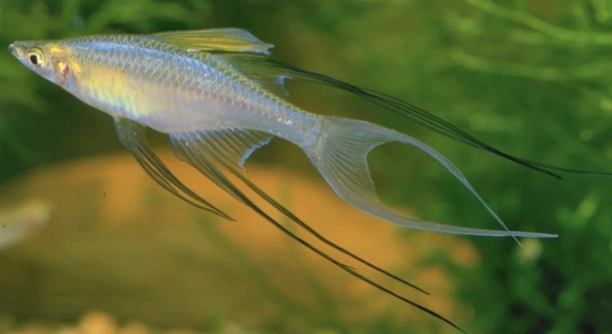
Do you ever notice the subtle changes in your Threadfin Rainbowfish’s colors over time? These small shifts can be fascinating, especially for those who spend time observing their fish in aquariums or natural habitats.
Threadfin Rainbowfish exhibit gradual changes in coloration due to factors such as age, diet, stress, and environmental conditions. These shifts are often subtle and can indicate health, breeding readiness, or adaptation to surroundings, making careful observation essential for proper care and study.
Observing these color changes can deepen your understanding of your fish and improve your ability to maintain a healthy, vibrant aquarium.
Subtle Brightening of Fins
Over time, the fins of Threadfin Rainbowfish can gradually brighten, especially along the edges. This shift often happens as fish mature or when they experience improved water quality and nutrition. I have noticed that even slight adjustments in diet, like adding more live or high-quality frozen food, can enhance fin brightness. Lighting also plays a role; fish in tanks with natural-spectrum or LED lighting often show clearer, more vivid fin edges. These changes are slow and may go unnoticed if you check your tank only occasionally. Observing the fins over several weeks can reveal these small improvements. Stress levels also impact fin brightness, so maintaining stable water parameters is crucial. Minor variations in temperature, pH, or tank mates can temporarily dull the fins. While these changes are subtle, they indicate that your fish are adjusting well to their environment and can signal that they are generally healthy.
Brightening of fins often indicates improved health, better nutrition, and reduced stress. Observing these changes allows caretakers to monitor adaptation and overall well-being efficiently.
Noticing these subtle shifts can make caring for your fish feel more rewarding and provide a sense of connection as you track their development and comfort in the tank.
Slight Hue Shifts Along the Body
Hue shifts along the body can occur gradually, sometimes changing from a soft silver to a faint pink or blue. These shifts usually happen with age or during breeding preparation. Even minor variations in lighting and diet can subtly influence the body’s iridescence. Tracking these changes can reveal patterns related to seasonal cycles or health improvements, as fish may display richer tones when in peak condition.
Body coloration is influenced by multiple factors including genetics, water conditions, and diet. Fish kept in stable conditions with nutrient-rich food show more consistent and vibrant hues. Stress or illness can cause dulling, while newly introduced tank mates may also temporarily affect colors due to social dynamics. Observing the progression of these hues over time provides insight into the fish’s adaptation and overall wellness. Iridescent scales reflect light differently based on angle and health, making these shifts even more noticeable under proper aquarium lighting. Regular monitoring helps identify patterns linked to growth and reproductive readiness. By maintaining stable water parameters and offering varied, nutritious foods, the subtle color transitions along the body can be enhanced, giving each fish a distinct, appealing appearance while ensuring they remain healthy.
Darkening of the Upper Body
Darkening along the upper body can indicate maturity or dominance among tank mates. This shift is usually gradual and appears more prominent in males during breeding periods.
The upper body darkens as pigment cells, called melanophores, become more active. This change often correlates with social hierarchy, where dominant fish develop deeper tones to assert presence. Environmental factors like lighting, water clarity, and diet also play roles. Stress or poor water conditions can temporarily mute these dark shades. Watching these changes over time can help identify healthy growth patterns and behavioral adjustments.
Darkening may also signal readiness to breed, as males often display more intense coloration during mating periods. It is important to maintain consistent water conditions, provide varied nutrition, and observe interactions with other fish. The darkening process is subtle and develops over weeks, so regular observation is necessary. Noting these changes helps in understanding social dynamics and overall health, allowing for better tank management and ensuring that each fish thrives in its environment.
Slight Red Tint Near the Tail
A faint red tint can appear near the tail as fish grow or adapt to their surroundings. This change is subtle but noticeable with consistent observation.
Red tints are influenced by carotenoid pigments in the diet and overall health. Fish with a balanced, protein-rich diet often show stronger red coloration. Lighting conditions also affect how the tint appears, with full-spectrum lighting making reds more vivid. Stress or poor water quality can dull these colors temporarily. Watching for these shifts provides insight into the fish’s nutrition and well-being.
Tail coloration can also indicate reproductive readiness, as males often show more pronounced red near the tail during breeding cycles. Maintaining optimal water parameters and providing high-quality food enhances these pigments. Regular observation ensures early detection of any health issues and helps in adjusting care routines. These subtle changes may seem minor, but they reflect the fish’s adaptation, diet quality, and overall vitality, contributing to a visually vibrant aquarium environment.
Fading of Side Stripes
Side stripes can fade slightly over time due to aging or minor stress. These changes are subtle and may not be immediately obvious without careful observation.
Diet and water quality play key roles in maintaining stripe intensity. A balanced diet with carotenoids helps preserve the stripes, while fluctuating water parameters can cause temporary dulling.
Intensification of Eye Color
Eye color may deepen, showing richer tones in healthy fish. This change is often more noticeable in males and can indicate overall well-being, maturity, or readiness to breed.
Pale Belly
A paler belly can appear as fish adapt to new tank conditions or dietary changes. Monitoring this area helps track health and nutritional status.
FAQ
Why is my Threadfin Rainbowfish’s fin color suddenly brighter?
A sudden brightening of fins often relates to improved water quality or diet. Adding fresh or high-quality foods can enhance pigmentation. Stress reduction and consistent water parameters also allow the fish’s natural colors to appear more vividly. Regular observation can help track these improvements.
What causes subtle hue shifts along the body?
Hue shifts can result from age, breeding readiness, or environmental factors. Lighting, diet, and tank conditions influence how iridescent scales reflect light. Minor changes are normal, especially as fish mature or adjust to their surroundings. Monitoring over time helps distinguish natural changes from potential health issues.
Why is the upper body darkening?
The darkening of the upper body usually indicates maturity or dominance. Melanophores become more active in males during breeding periods or when asserting social hierarchy. Stable water conditions and a balanced diet support healthy pigment development. Stress or poor water quality may temporarily reduce intensity.
What does a red tint near the tail mean?
A slight red tint often reflects carotenoid pigments influenced by diet and health. Males typically show this more during breeding cycles. Lighting conditions can make the tint more visible. Consistent care, proper nutrition, and stable water parameters enhance these subtle color shifts.
Why are my fish’s side stripes fading?
Side stripe fading can be linked to aging, stress, or temporary water fluctuations. A diet rich in carotenoids and proper environmental stability helps maintain stripe intensity. Observing your fish closely over weeks allows you to track whether the fading is temporary or a sign of concern.
What affects eye color changes?
Eye color deepening is a sign of good health and sometimes maturity. Males may show more pronounced changes during breeding readiness. Lighting and overall nutrition influence how vibrant the eye color appears. Monitoring these changes can give insight into the fish’s condition and adaptation to the tank.
Why does my fish’s belly appear pale?
A pale belly often reflects dietary or environmental adjustments. When fish adapt to new conditions or experience minor stress, pigment reduction can occur. Ensuring proper diet and stable water parameters supports coloration recovery. Observing the belly over time helps track overall health and nutritional status.
How can I enhance subtle color shifts?
Providing varied, nutrient-rich foods like live, frozen, or high-quality flake food can enhance coloration. Stable water parameters, minimal stress, and proper lighting also improve pigment expression. Regular observation helps identify which changes are natural and which may indicate health issues.
Are these color shifts permanent?
Most subtle color shifts are gradual and can be reversible depending on the cause. Improved diet, stable water, and reduced stress often restore or enhance pigmentation. Some changes related to maturity or breeding readiness may be permanent but indicate normal development.
How do I know if a color change signals illness?
Rapid, uneven, or extreme color changes, combined with behavioral changes, may indicate illness. Loss of appetite, lethargy, or unusual swimming patterns alongside dulling or pale areas should prompt closer inspection and water testing. Maintaining consistent care helps prevent stress-related color shifts that mimic health issues.
Can tank mates affect coloration?
Yes, social dynamics influence color intensity. Dominant fish may show darker or brighter tones, while stressed or submissive fish may appear dull. Ensuring a compatible group and monitoring interactions helps maintain natural color expression and reduces stress-induced fading.
Does lighting make a difference?
Lighting significantly affects how colors appear. Full-spectrum or natural-spectrum LED lighting enhances iridescence and subtle color changes. Poor or inconsistent lighting may make even healthy fish appear dull, so positioning lights properly and maintaining a consistent schedule is important.
How often should I monitor these shifts?
Frequent observation, ideally weekly, helps identify gradual color changes. Keeping a simple log or taking photos over time can track subtle shifts, allowing you to notice patterns related to diet, water conditions, or social interactions. Regular monitoring supports timely adjustments for optimal fish health.
Can breeding cycles influence coloration?
Yes, males often show intensified colors during breeding periods to attract mates. Subtle shifts in fin brightness, body hue, or tail tints can indicate reproductive readiness. Providing a stable environment and optimal nutrition ensures these changes reflect normal behavior rather than stress or health issues.
How do I maintain vibrant colors long-term?
Consistent care is key. Stable water parameters, a balanced diet, proper lighting, and minimizing stress support healthy coloration. Observing subtle shifts helps catch problems early. Rotating diet components, maintaining tank cleanliness, and avoiding overcrowding contribute to sustained vibrant coloration.
What is the best way to document changes?
Taking weekly photos or keeping a simple observation log helps track subtle changes. Documenting color shifts, behavior, and fin condition provides a reference to distinguish natural developments from potential health concerns. Comparing images over time reveals patterns not easily seen in daily observation.
Do older fish lose color intensity?
Aging can lead to gradual color dulling, especially in less dominant fish. While some changes are natural, proper diet, lighting, and care can maintain most coloration. Observing age-related shifts helps set realistic expectations and ensures older fish remain healthy and vibrant.
Can diet alone improve coloration?
Diet plays a significant role but must be combined with stable water and reduced stress. Carotenoid-rich foods enhance reds, oranges, and fin brightness, while protein-rich foods support overall health. Without proper environmental conditions, dietary improvements may not fully reflect in coloration.
How do I know which color changes are normal?
Gradual, symmetrical, and subtle shifts are usually normal. Changes tied to maturity, breeding, or seasonal adaptation are expected. Rapid, uneven, or extreme shifts accompanied by behavior changes may indicate stress or illness. Observing patterns over time helps distinguish natural changes from concerning ones.
What role does tank size play in coloration?
Adequate space reduces stress and allows natural social behaviors, which can enhance color expression. Overcrowding or small tanks may dull colors, increase aggression, or create uneven pigmentation. Ensuring proper tank size and layout supports both physical health and vibrant coloration.
Are there supplements that help with color enhancement?
Certain supplements, like carotenoid-based foods or fortified flakes, can enhance reds and yellows. However, they should complement a balanced diet rather than replace it. Over-supplementation offers little benefit and may upset water balance. Careful selection and consistent feeding are key.
Can seasonal changes affect color?
Yes, minor seasonal variations in water temperature, lighting, and day length can subtly influence pigmentation. While fish in controlled aquariums show less fluctuation than in nature, maintaining consistency helps stabilize coloration and reduces stress-related fading.
Is it normal for males and females to show different shifts?
Males often display more pronounced color changes, especially during maturity or breeding periods. Females may show subtler shifts. Observing both sexes helps differentiate natural sexual dimorphism from signs of health or environmental stress.
How do I prevent dulling caused by stress?
Stable water parameters, compatible tank mates, proper diet, and avoiding sudden changes prevent stress-induced color dulling. Gentle handling and gradual adjustments to environment or diet help maintain consistent coloration. Recognizing early signs of stress allows timely interventions.
Can I enhance subtle shifts without affecting health?
Yes, gradual improvements in diet, lighting, and water conditions enhance color safely. Avoid artificial coloring additives or rapid environmental changes, which can stress the fish. Monitoring behavior alongside color changes ensures enhancements reflect health, not risk.
What is the best way to combine diet and lighting for optimal color?
Feed a balanced, nutrient-rich diet while providing full-spectrum lighting on a consistent schedule. Rotate food types to include natural pigments and protein. Position lighting to reduce shadows and maximize visibility. Consistency in both aspects ensures colors develop gradually and naturally.
How long does it take to notice subtle shifts?
Changes may take several weeks to months. Daily observation may not reveal them immediately. Documenting gradual progress helps identify patterns linked to diet, water quality, or social dynamics, making it easier to track long-term health and pigmentation trends.
Are subtle shifts more noticeable in certain tank setups?
Yes, tanks with clean water, natural décor, and adequate lighting make subtle shifts easier to see. Overcrowding, murky water, or poor lighting can obscure changes, even if fish are healthy. Optimizing tank conditions enhances visibility and supports well-being.
Can coloration predict breeding success?
Color intensity, particularly in males, often signals readiness to breed. Subtle fin brightening, tail tints, or body hue shifts can indicate reproductive health. Providing optimal conditions ensures these visual cues accurately reflect breeding potential rather than stress or illness.
How do I differentiate natural fading from illness-related changes?
Natural fading occurs gradually and symmetrically, while illness-related changes are often rapid, uneven, and paired with behavioral or appetite changes. Monitoring patterns and maintaining water quality helps distinguish between normal pigmentation shifts and potential health problems.
What are the key takeaways for monitoring color shifts?
Track gradual changes, maintain stable water and diet, note behavior, and observe social interactions. Subtle shifts reflect health, maturity, and adaptation. Consistent care ensures changes are natural, while early detection of unusual patterns helps prevent problems before they affect well-being.
Final Thoughts
Observing subtle color shifts in Threadfin Rainbowfish can be a rewarding experience for anyone keeping these fish in an aquarium. These changes often happen slowly, appearing over weeks or months, and they reflect a combination of health, diet, environmental conditions, and natural development. Paying attention to these details allows you to better understand your fish and notice patterns that might otherwise go unseen. Even small variations in fin brightness, tail tints, or body hues provide insight into how well your fish are adapting to their surroundings. Regular observation becomes more than just a routine—it becomes a way to track the well-being of each fish in your care. Over time, this practice can help you recognize what is normal and what might require adjustments, ensuring that your aquarium remains a stable and supportive environment for your fish.
Color shifts are influenced by several factors, and understanding these helps in providing optimal care. Diet is one of the most noticeable contributors. A varied, high-quality diet rich in nutrients and carotenoids can enhance reds, oranges, and other subtle hues in your fish. Lighting is another key factor, as the right spectrum and intensity make iridescent scales and color shifts more visible. Water quality also plays a crucial role, as consistent parameters reduce stress and allow pigment expression to appear naturally. Social interactions within the tank influence coloration as well; dominant fish may show darker or more intense colors, while stressed or submissive fish may appear paler. Observing these patterns helps in managing tank dynamics, adjusting nutrition, and maintaining a clean, balanced environment, all of which support both health and coloration.
Maintaining attention to these subtle changes does not require constant interference with your fish, but it does require consistency. Simple habits such as weekly checks, keeping a visual log or photos, and noting behavioral changes help in tracking coloration over time. Gradual improvements or declines can guide adjustments in diet, lighting, or water care. These practices ensure that color shifts are a natural reflection of your fish’s health rather than a result of stress or poor conditions. Over the long term, noticing and supporting these subtle changes can create a more vibrant and dynamic aquarium, where fish express their natural beauty and thrive. Paying attention to detail in this way strengthens your ability to provide proper care while also enhancing the visual appeal of your aquarium. These small efforts combine to ensure your Threadfin Rainbowfish remain healthy, visually striking, and active members of your tank.

Hello,
If you enjoy the content that we create, please consider saying a "Thank You!" by leaving a tip.
Every little bit helps us continue crafting quality advice that supports the health, happiness, and well-being of pets around the world, for pets of all shapes, sizes, and species.
We really appreciate the kindness and support that you show us!